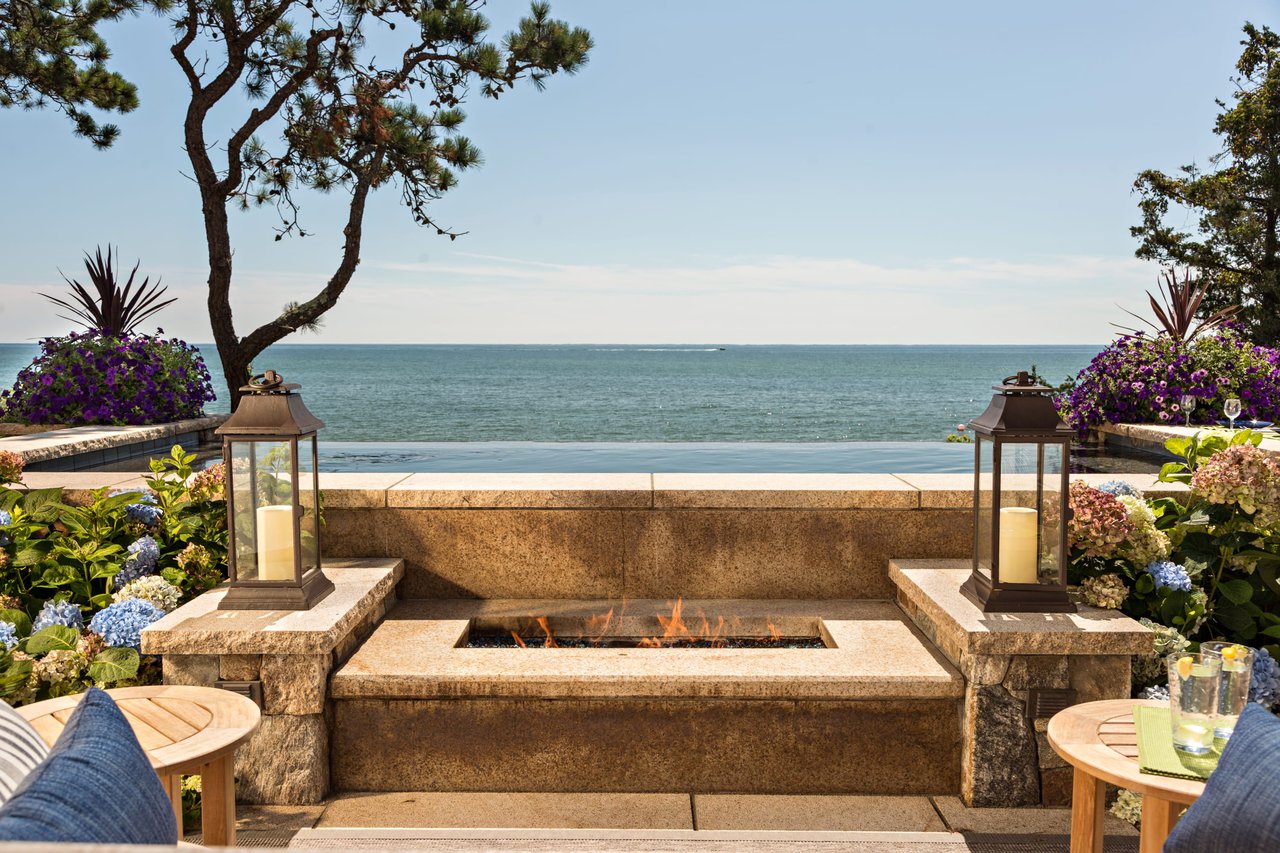
Ask what a home costs in Cotuit right now and the answer changes depending on which page you land on. One tracker puts the three-month median sale price near $1.9 million, a jump of more than 130 percent over the same window a year earlier. A village guide cites $1.2 million as of July 2026, up a comparatively modest 6 percent year over year. A third source lists the median asking price at $1.47 million in June 2026. None of these figures is wrong. They are three different measurements of a market too small to hold still long enough for any single number to describe it.
This matters if you are comparing Cotuit against another Cape village on paper, because the instinct is to treat "median price" as a stable fact, the way you would with a larger town where hundreds of homes trade every year. Cotuit does not work that way. In April 2026, six homes sold in the entire village, down from eight the year before. When your sample size is six, one waterfront estate closing instead of a village cottage can swing the median by hundreds of thousands of dollars without the market actually moving at all.
The Three Numbers Are Measuring Three Different Things
The disagreement is not just about timing. Look closely and the sources are not even counting the same thing.
The $1.9 million figure is a rolling three-month median of closed sales through April 2026, a period during which the average Cotuit home took 125 days to sell, up from 33 days the year before. The $1.2 million figure is a single-month snapshot of closed sales in July 2026. The $1.47 million figure is not a sale price at all. It is the median asking price on active listings in June 2026, which is a different population entirely, homes that have not yet found a buyer, priced by sellers rather than confirmed by a closing.
A separate figure from the same tracker that produced the $1.9 million median shows current waterfront listings sitting at a median asking price of $1.9 million as well, with an average of only 45 days on market. Put those two numbers next to the 125-day average for all closed sales and you get a real signal buried in the noise: waterfront inventory is moving faster than the village as a whole, which tells you something about where the demand actually sits this year. That is more useful than any single median, and it only shows up once you stop treating the headline number as the answer and start asking what population it describes.
What Six Sales Can Do To A Median
Thin volume is the mechanism behind all of it. Cotuit is a peninsula village of roughly 3,200 year-round residents, and its owner-occupancy rate runs above 90 percent, which means very little of the housing stock turns over in a given year under any circumstances. When a market this small has a month where the closings happen to include a Cotuit Bay estate instead of two inland cottages, the median does not report a stronger market. It reports a different mix.
This is why year-over-year percentage changes in Cotuit deserve more skepticism than the same figures would in Falmouth or Barnstable's larger villages. A 138 percent jump sounds like a market on fire. It can just as easily mean that last year's six sales happened to be modest homes and this year's six happened to include one $8 million property on the water. The direction of travel in list-to-sale ratios and the pace of absorption within a given price tier tell you far more than the topline median ever will.
The Real Map Has Three Tiers, Not One Line
The more useful way to read Cotuit is by tier, because the village genuinely contains three distinct markets stacked on top of each other rather than one continuous price curve.
Tier | What it is | Rough price range |
|---|---|---|
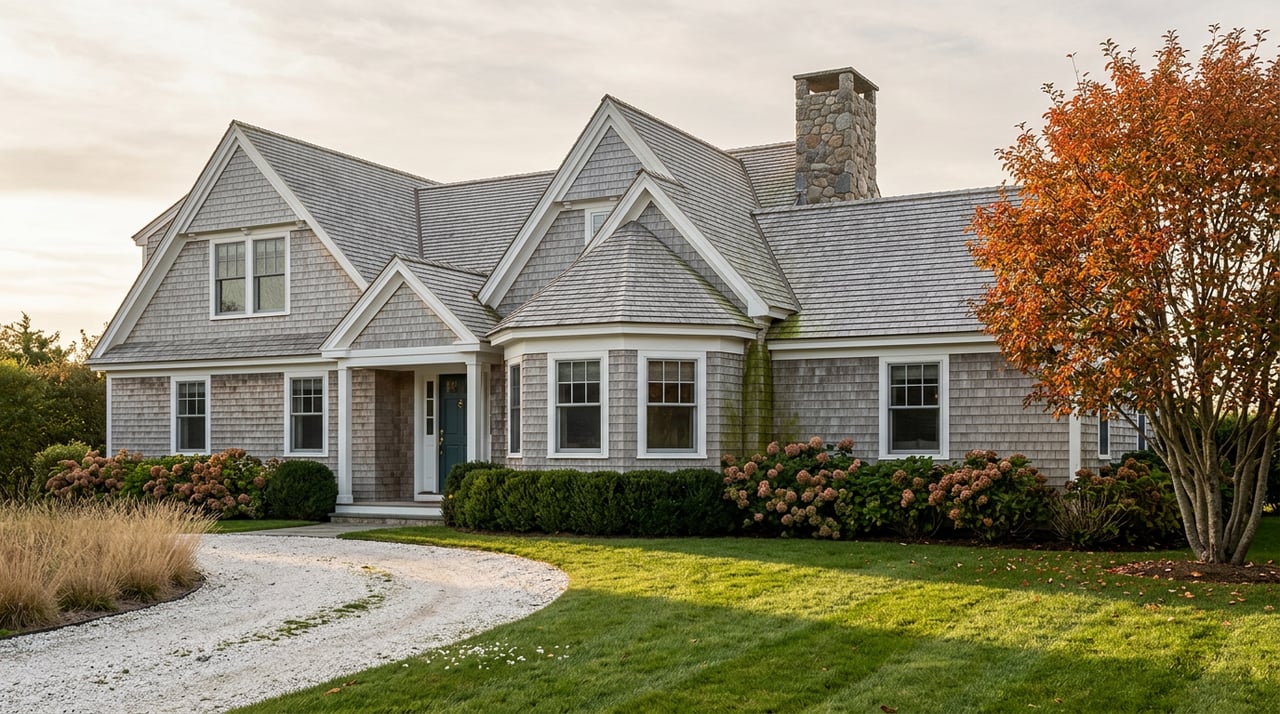
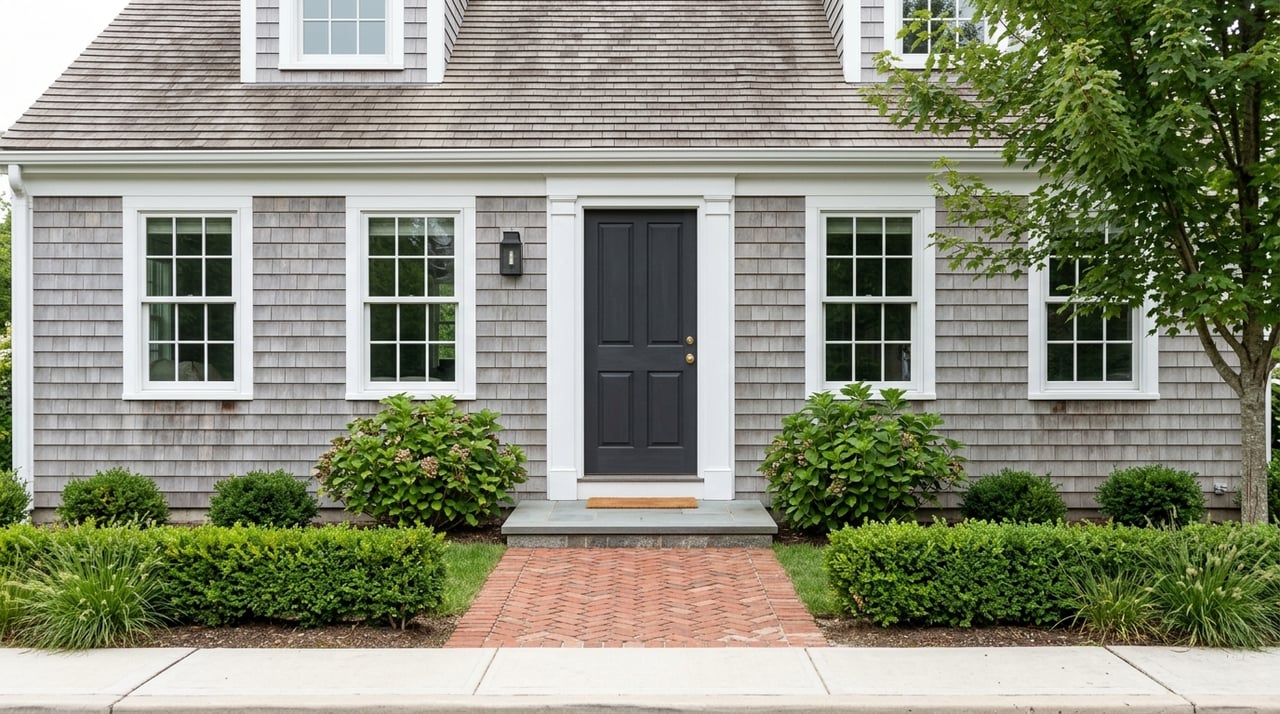
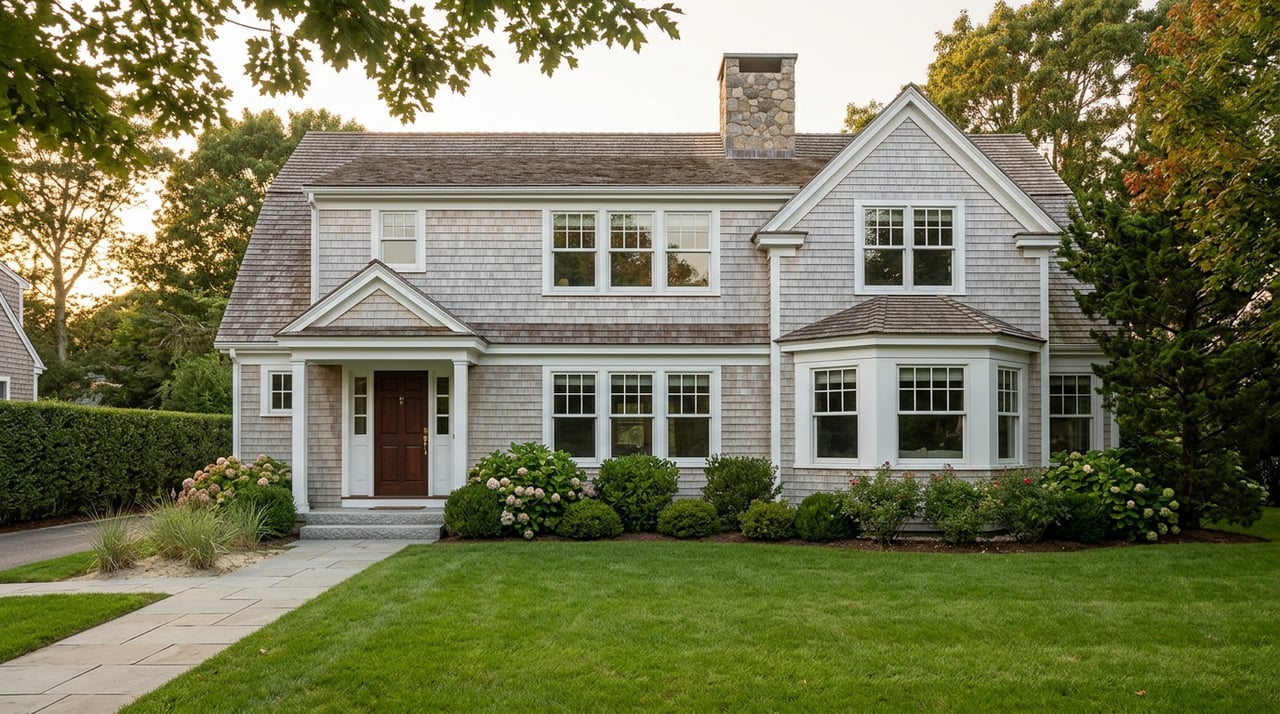
Village core | Cape-style cottages and homes on inland lots, several minutes' walk from the water | Roughly $500,000 and up |
Deeded-access neighborhoods | Association communities with private beach and dock rights but no direct frontage | Sits between the two, priced for access rather than ownership of shoreline |
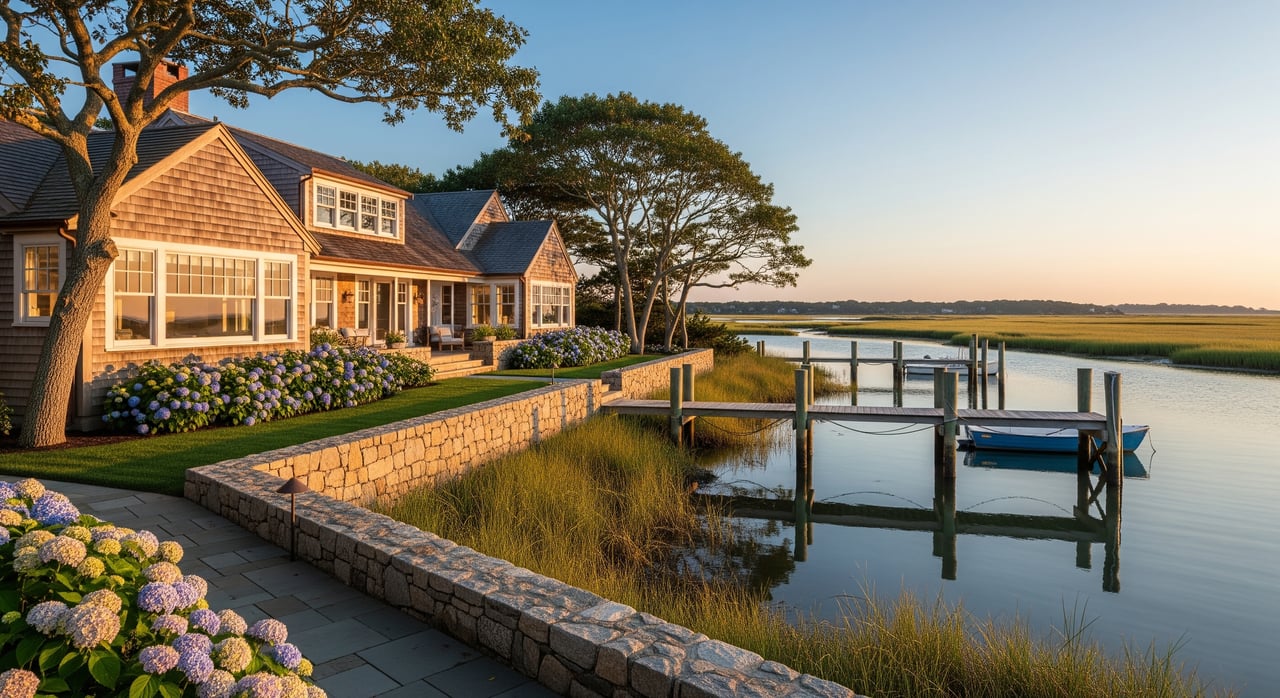
True waterfront | Direct frontage on Cotuit Bay, Popponesset Bay, or Nantucket Sound | $3 million and climbing well past $10 million for larger estates |
Raw waterfront land, separate from any home built on it, is its own extreme. Listings for undeveloped waterfront parcels in Cotuit have recently averaged in the neighborhood of $9.6 million, or roughly $4 million per acre, a figure that reflects how scarce buildable shoreline has become on a peninsula this small.
What A Deeded Beach Actually Buys You
The middle tier is the one buyers most often misunderstand, and it is where Cotuit's history does some of the explaining. Cotuit Bay Shores, one of the village's established deeded-access communities, sits on the site of a former World War II amphibious training facility known as Camp Candoit. The association's amenities include a deeded beach on North Bay, a deep-water dock, four tennis courts, bocce courts, a playground, and walking trails, and the neighborhood directly abuts the 152-acre Eagle Pond Sanctuary to the west.
None of that is waterfront ownership in the legal sense. It is a deeded right to use a specific beach and dock, shared among the association's homeowners, layered on top of a home that itself sits back from the shore. That distinction is the entire value proposition of the middle tier: it lets a buyer purchase water access, sailing, and a private beach without competing for the handful of true frontage parcels that anchor the top of the market. It also means the rights, fees, and governance of that access live with the association's bylaws rather than with the deed to any single lot, which is worth understanding before treating an association amenity the same way you would treat a private beach that comes with the house itself.
The Geography That Sets The Ceiling
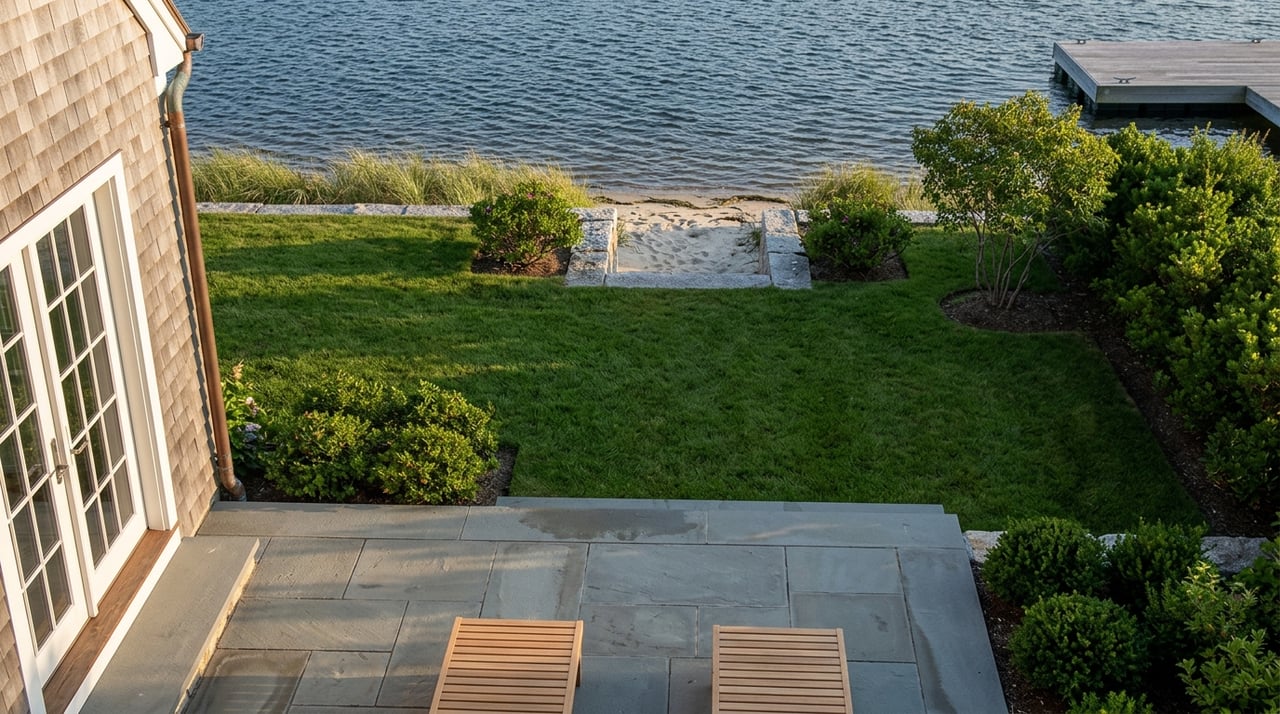
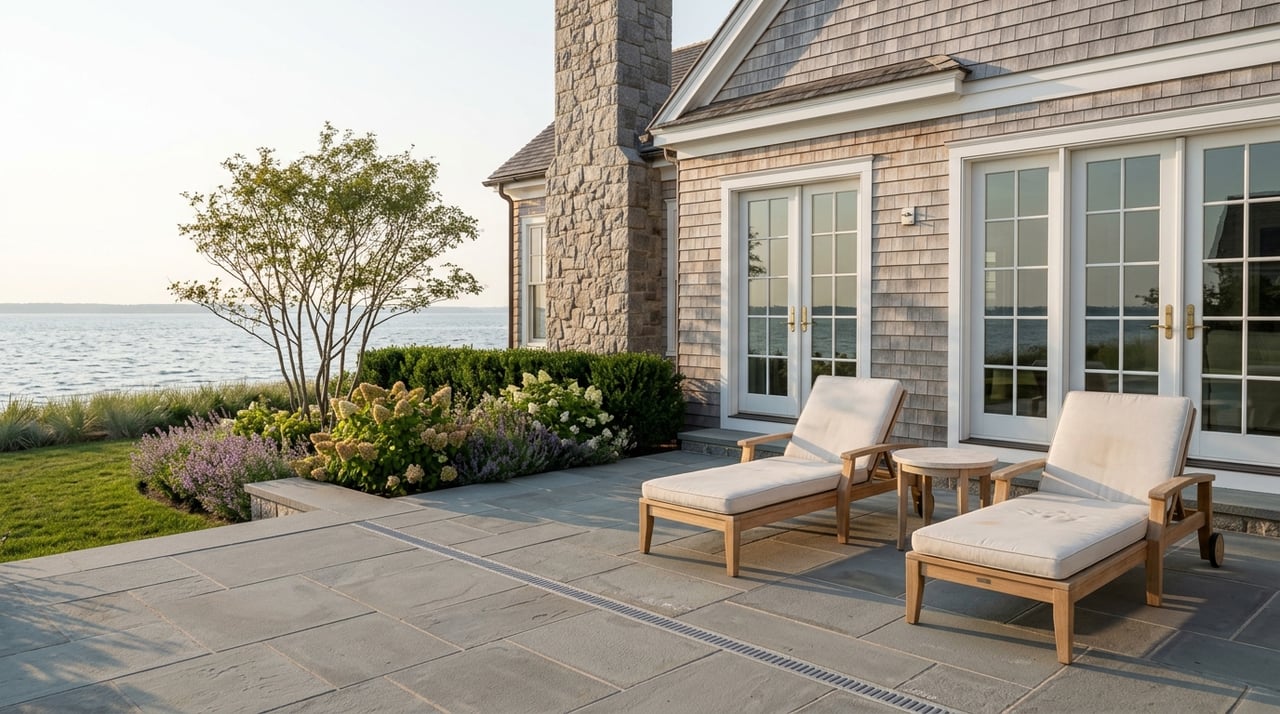
Cotuit's price structure follows its shape. The village is a peninsula bordered by Cotuit Bay to the east, Nantucket Sound to the south, and the Santuit River to the west, which means water access defines nearly every neighborhood distinction here rather than acting as one amenity among many. Three resident beaches, Loop Beach, Ropes Beach, and Oregon Beach, serve the village's year-round and seasonal residents, while the Santuit Historic District preserves the oldest and most architecturally significant homes near the village center.
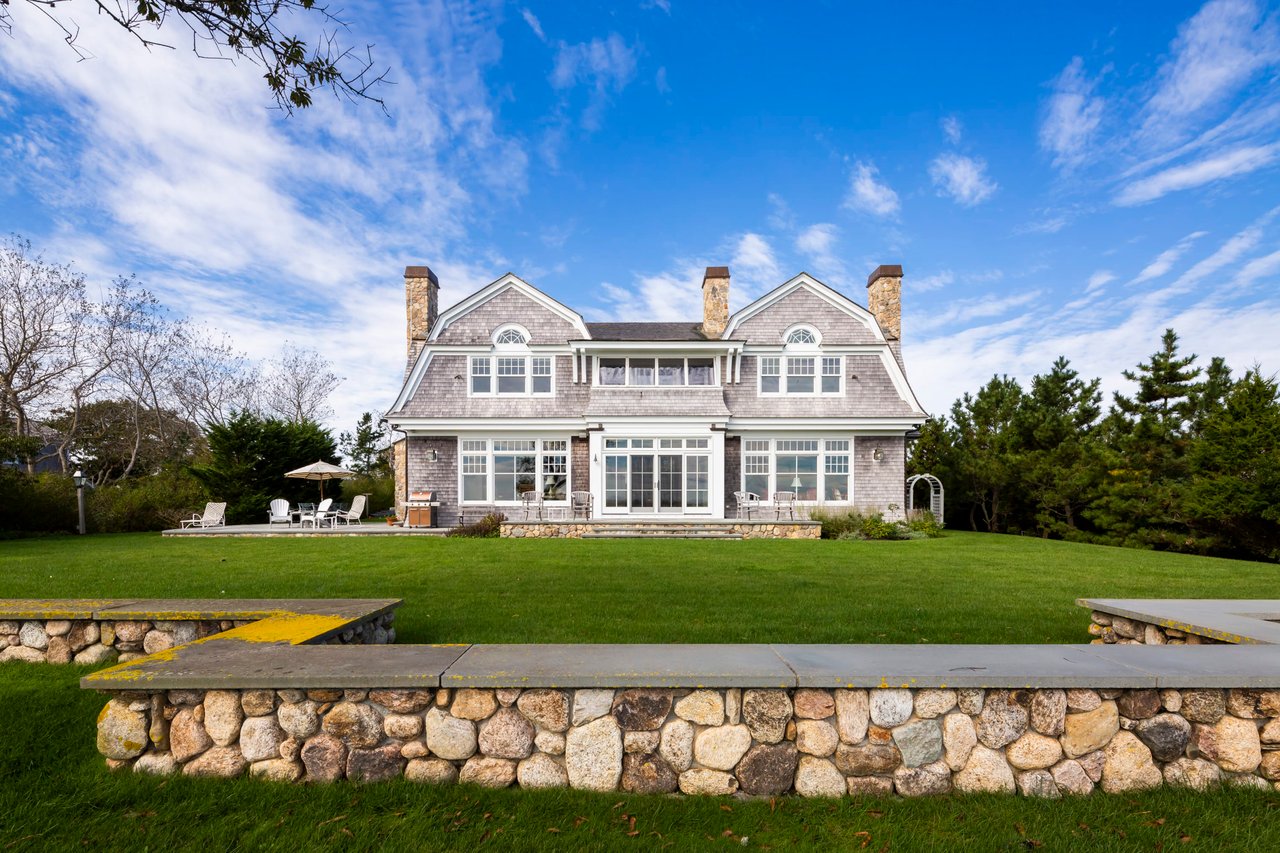
At the top of the market, the properties that justify eight-figure pricing tend to combine acreage with direct ocean frontage and genuine architectural history. One recent example on Nantucket Sound sits on more than three private acres with roughly 400 feet of ocean frontage, a main house built in 1941 by a noted Boston architect, and a detached guest house, the kind of legacy estate that rarely comes to market and rarely stays on it long once it does.
What This Means If You're Comparing Cotuit To Somewhere Else
If you are cross-shopping Cotuit against another village this year, do not anchor on whichever median you saw first. Ask three questions instead. Is this figure a closed sale price or an asking price. What window does it cover, a single month or a rolling quarter. And how many transactions actually sit behind it. In a village where six sales can move the topline number by six figures, the price-per-square-foot within a given tier, and the pace at which that tier's inventory is actually absorbing, will tell you more about where you are buying than the headline ever will.
Cotuit rewards patience for exactly this reason. A market this thin does not reprice itself gradually. It reprices in steps, one closing at a time, and the buyers who do best here are the ones who understand which tier they are actually shopping before they start comparing numbers across villages that do not share Cotuit's structure.
FAQs
Why did Cotuit's median sale price jump so sharply this year?
The percentage increase reflects a change in which homes happened to close during that window, not a uniform rise in value across the village. With only a handful of sales per month, one high-value waterfront closing can move the median dramatically without signaling that every home in Cotuit gained equivalent value.
Does an association's deeded beach guarantee the same access as owning waterfront property outright?
No. Deeded access through a homeowners association grants shared use of a specific beach or dock under the association's governance, which is a different legal and practical arrangement than owning the shoreline attached to your own lot. The terms, fees, and any restrictions live in the association's bylaws rather than in a private deed.
Is this level of price volatility unusual for a Cape Cod village Cotuit's size?
Villages with very low annual transaction counts tend to show more erratic median swings than larger markets, simply because the sample size is small enough that the mix of what sold in a given period matters as much as underlying demand. Buyers comparing small villages should weight tier-level and price-per-square-foot data more heavily than headline medians.
Cotuit's market rewards buyers who understand its structure rather than its headlines. If you are weighing a village-core cottage against a deeded-access property or a true waterfront estate here, Paul Grover can walk you through what each tier actually costs and what it actually buys. Start a confidential conversation.
This article is general information, not legal, tax or financial advice. Consult a qualified professional about your situation.