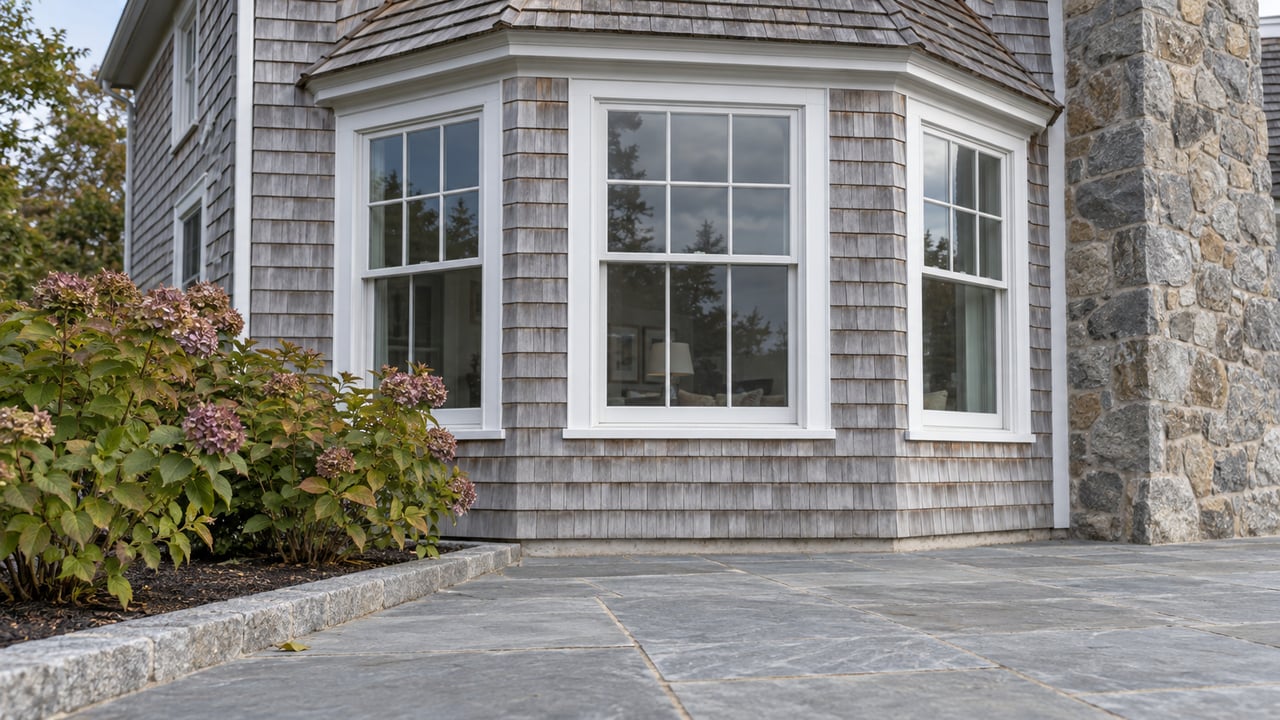
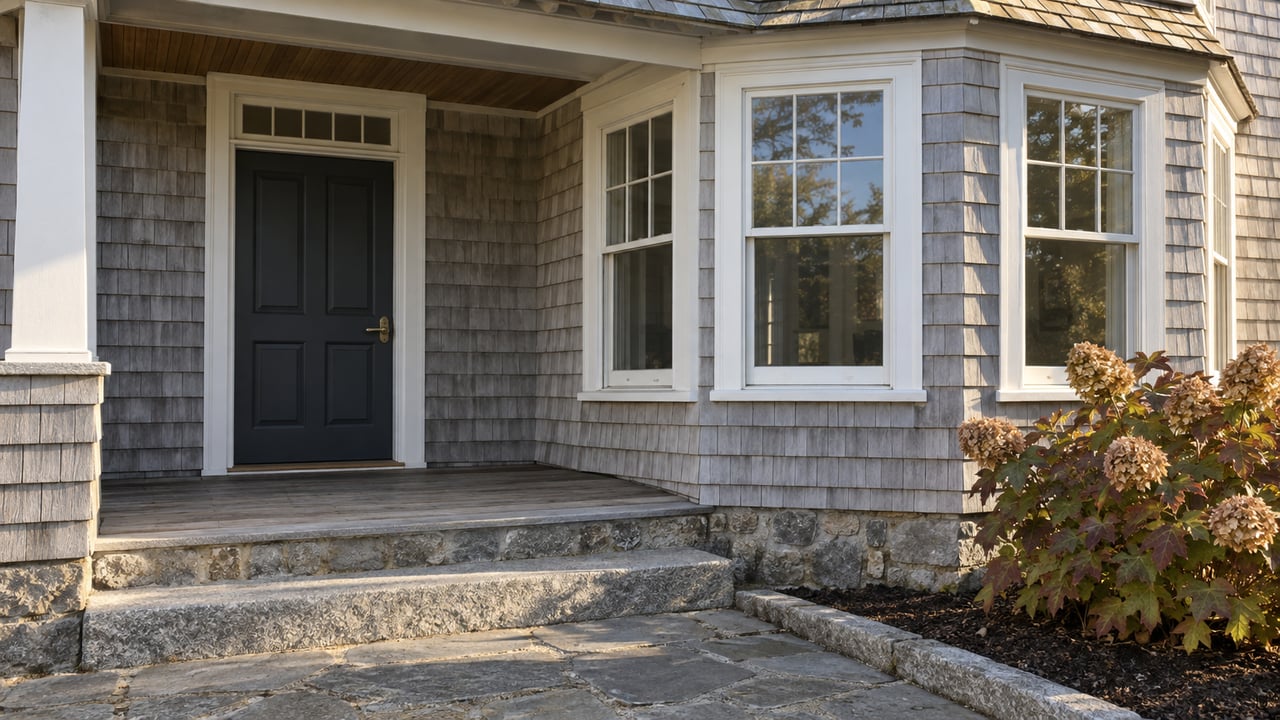
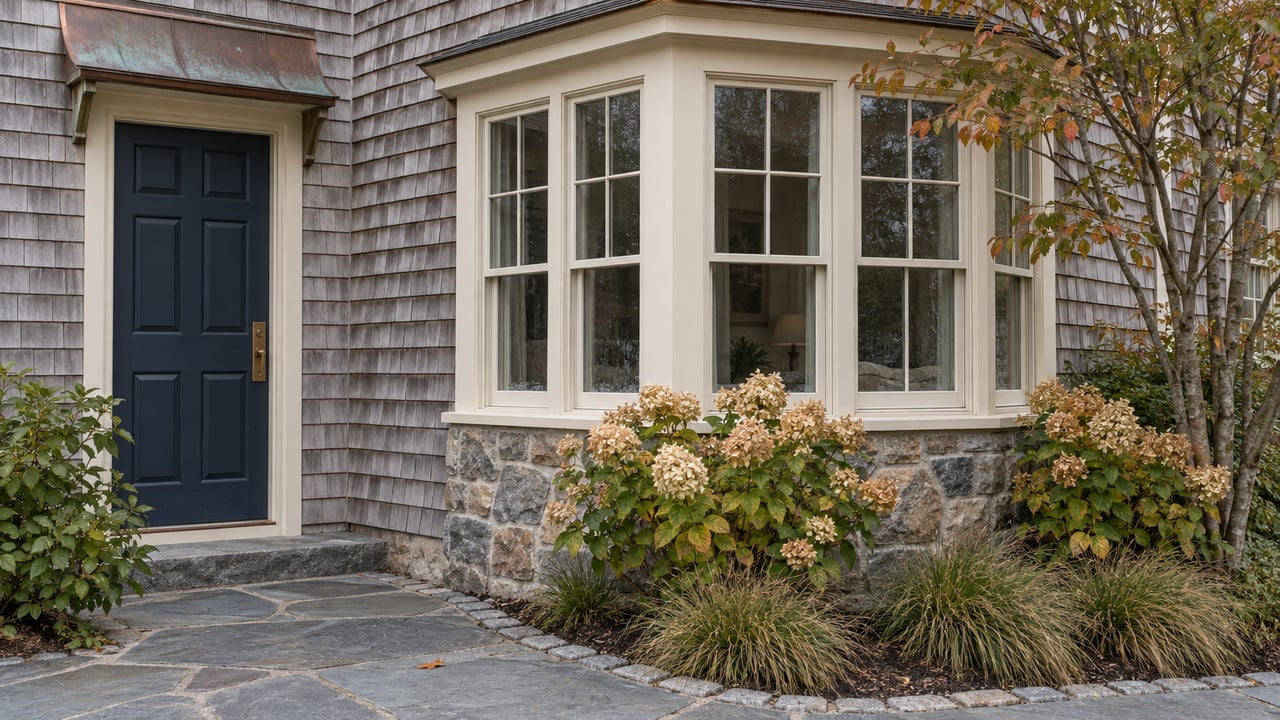
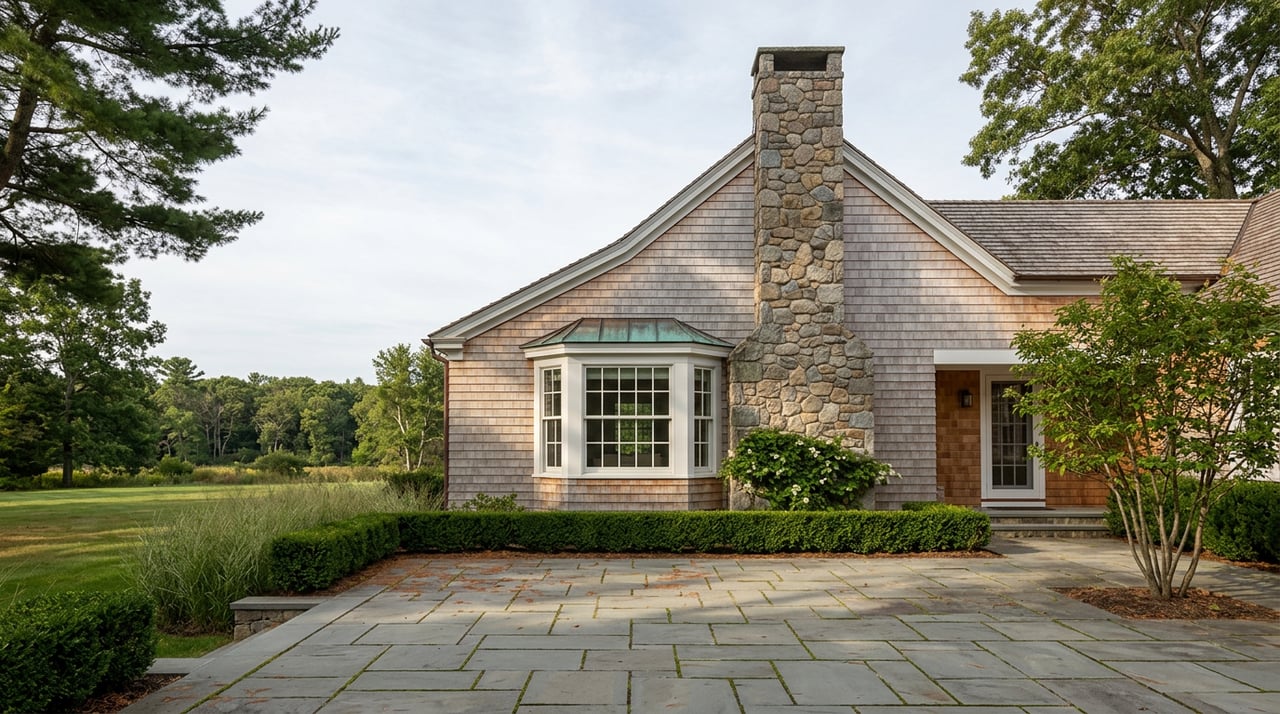
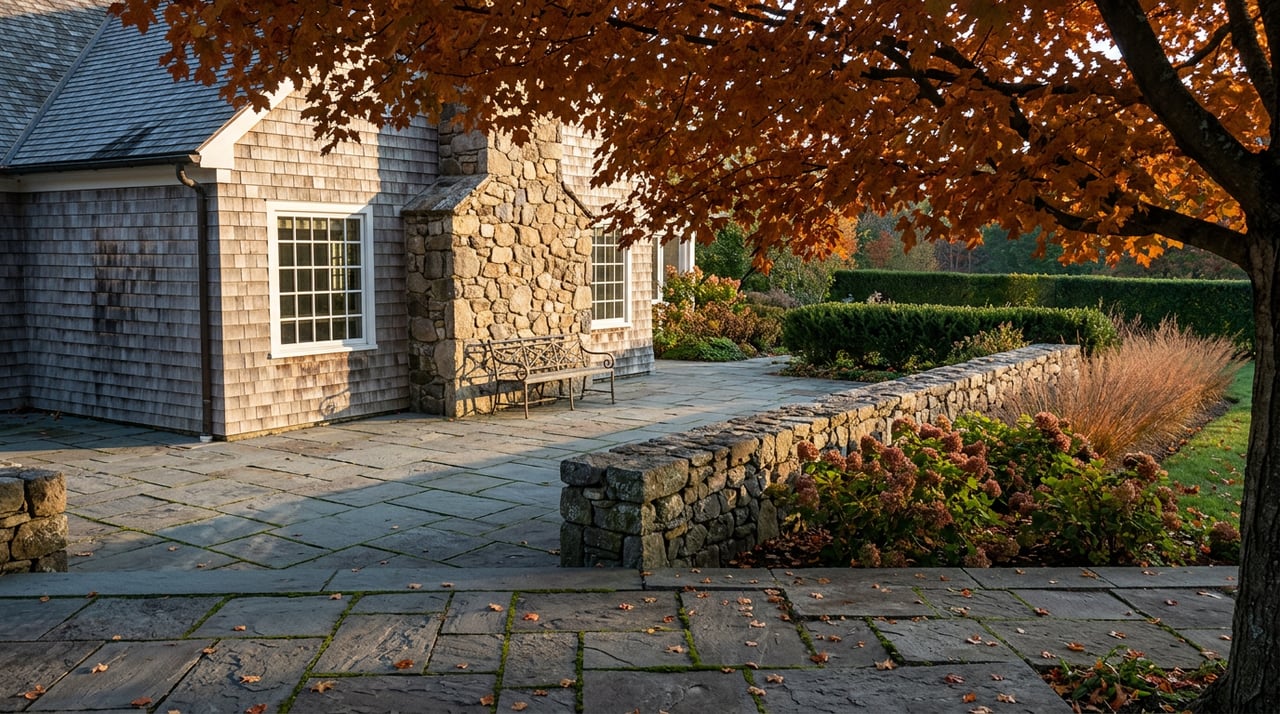
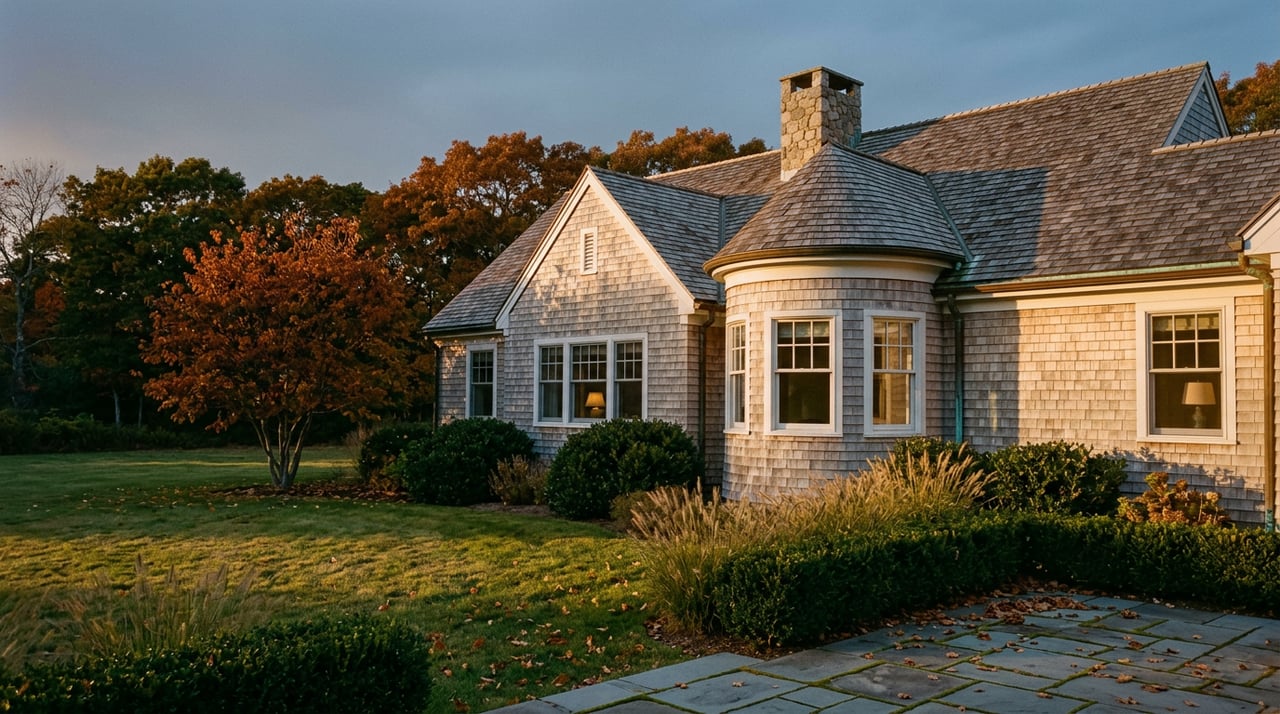
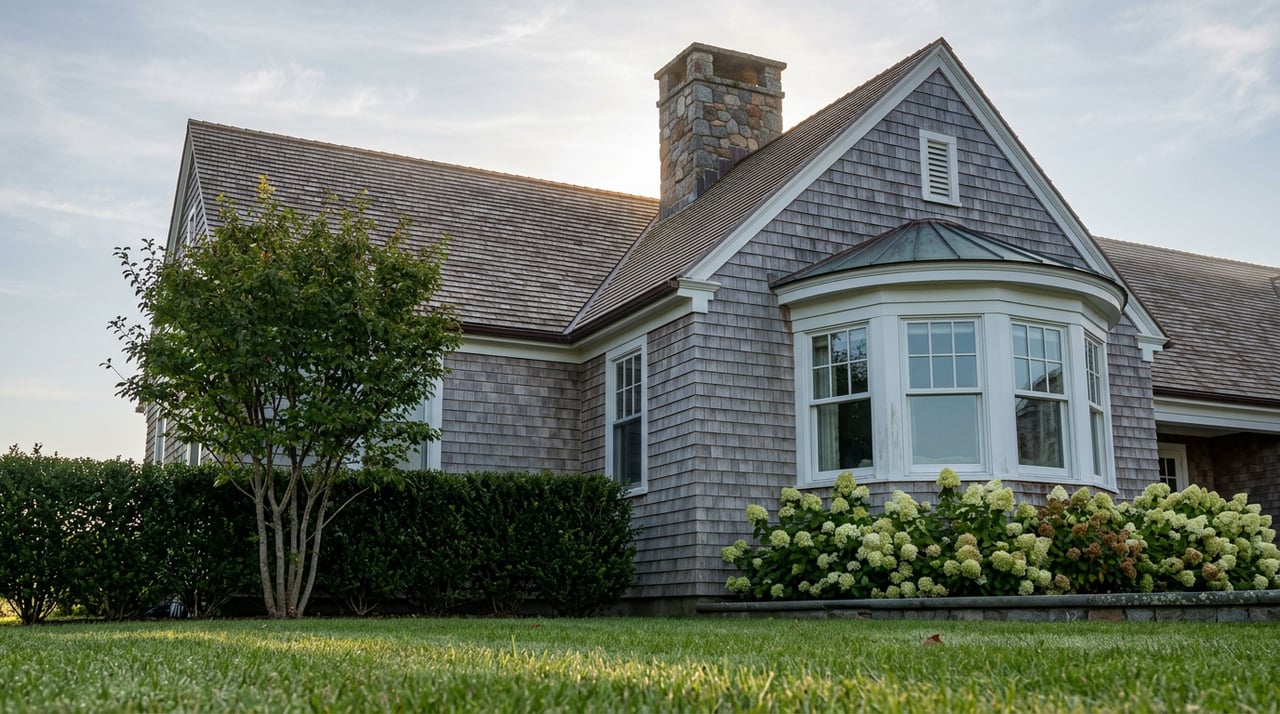
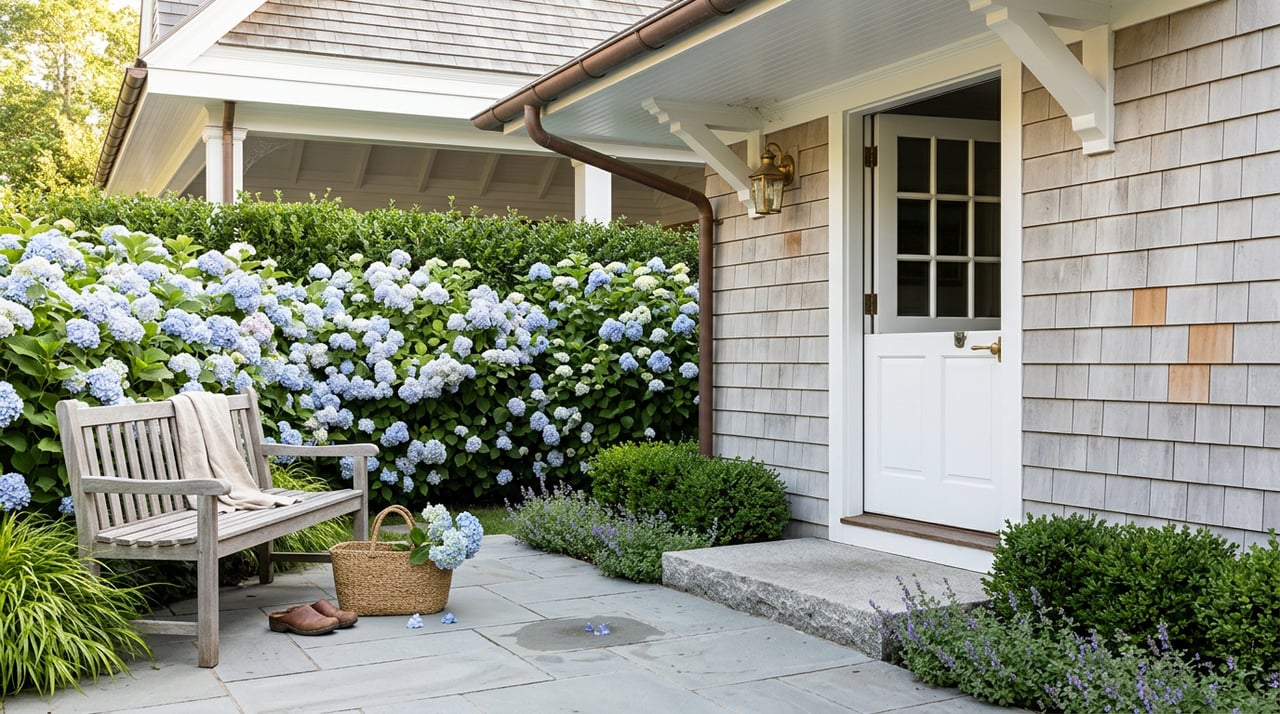
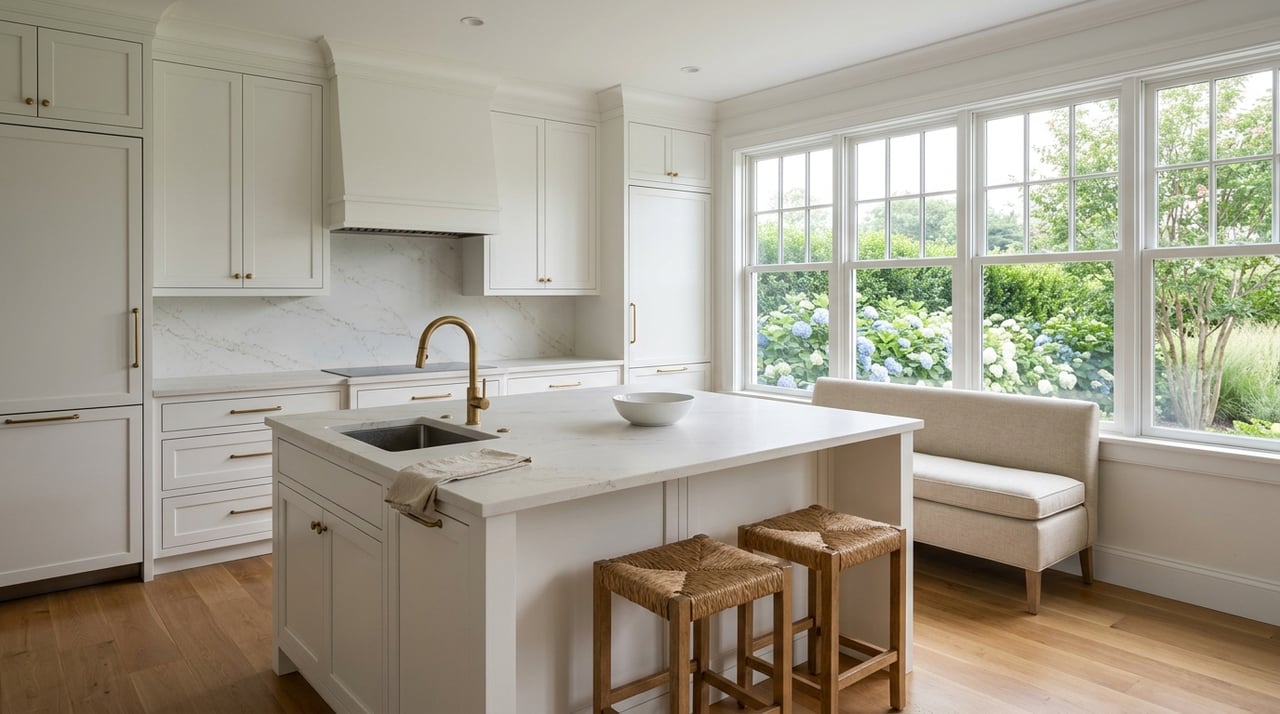
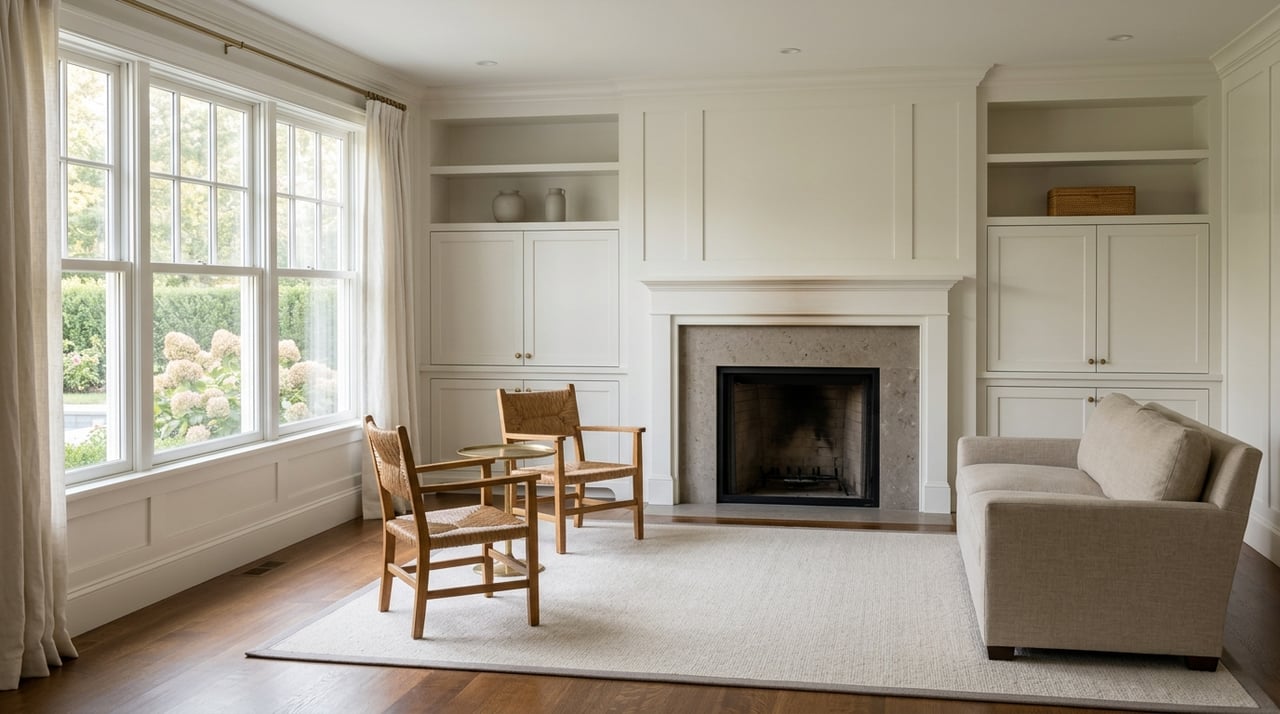
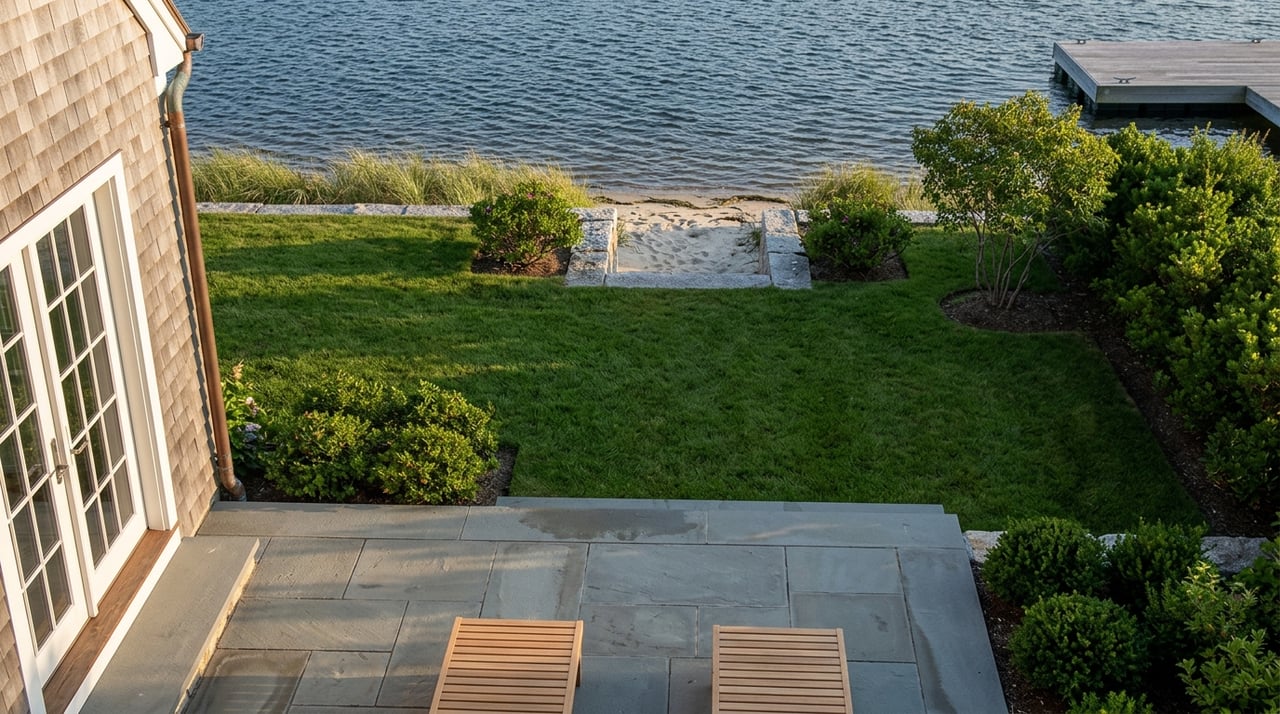
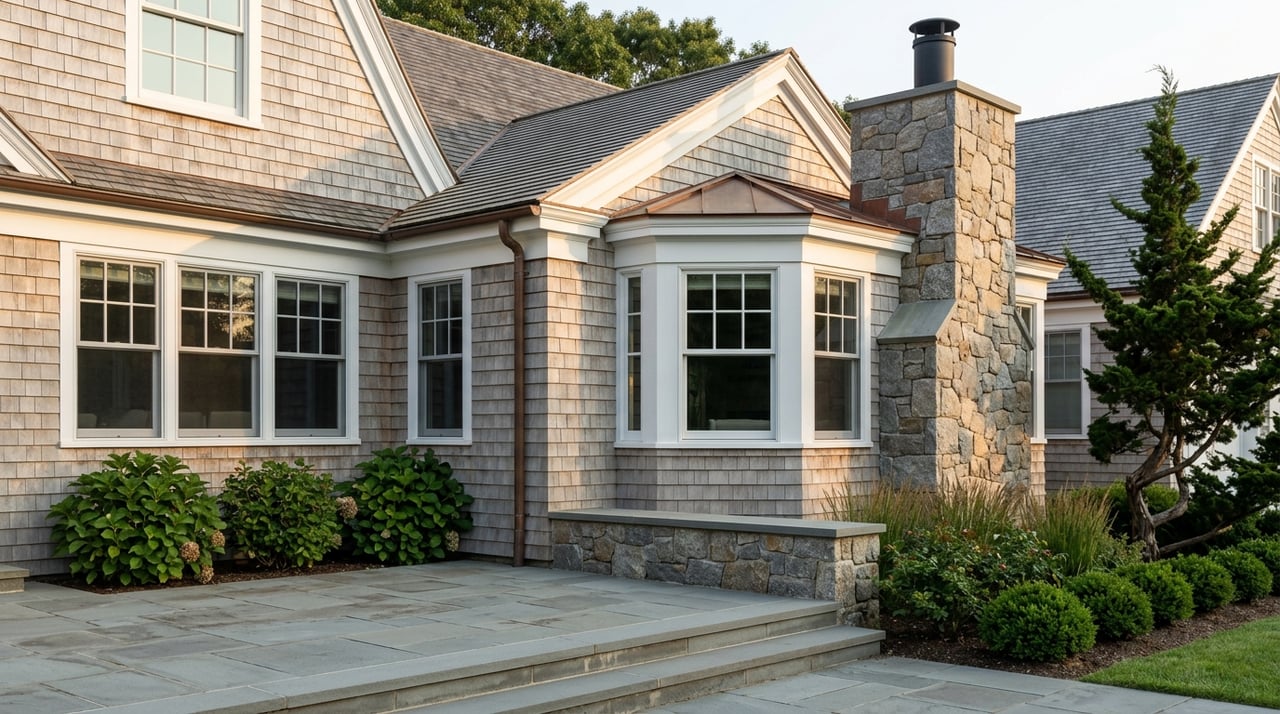
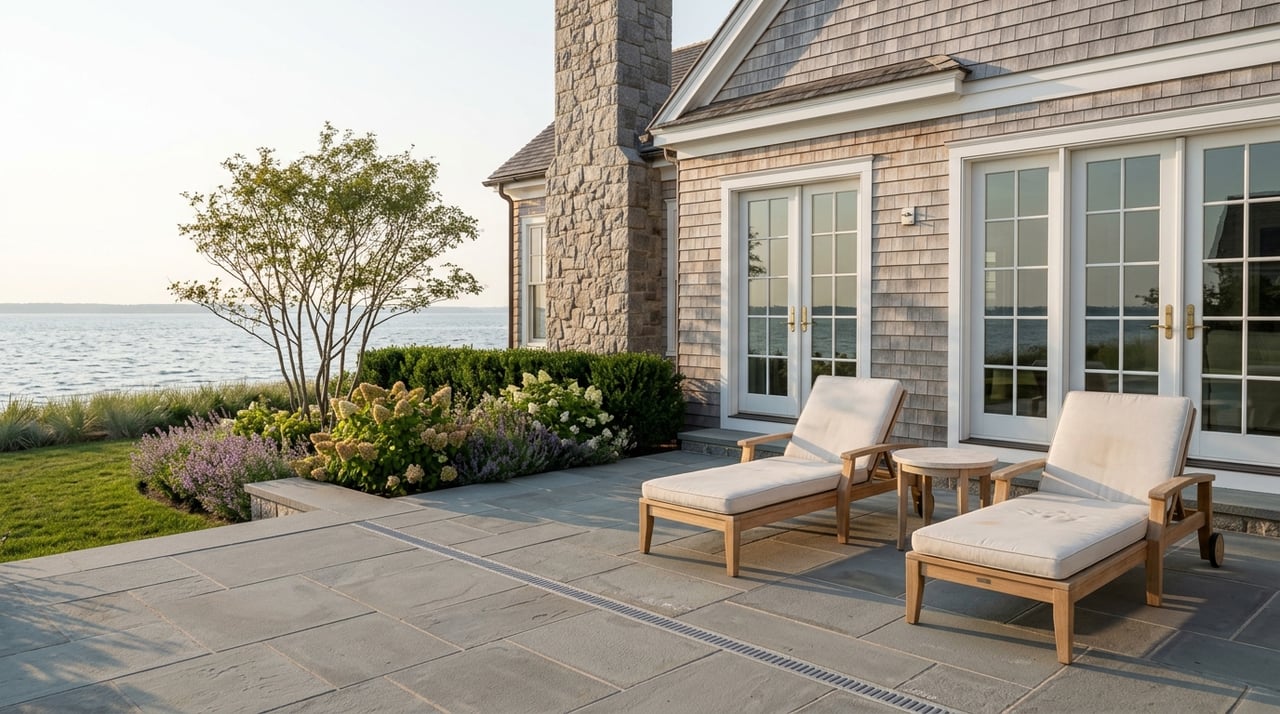
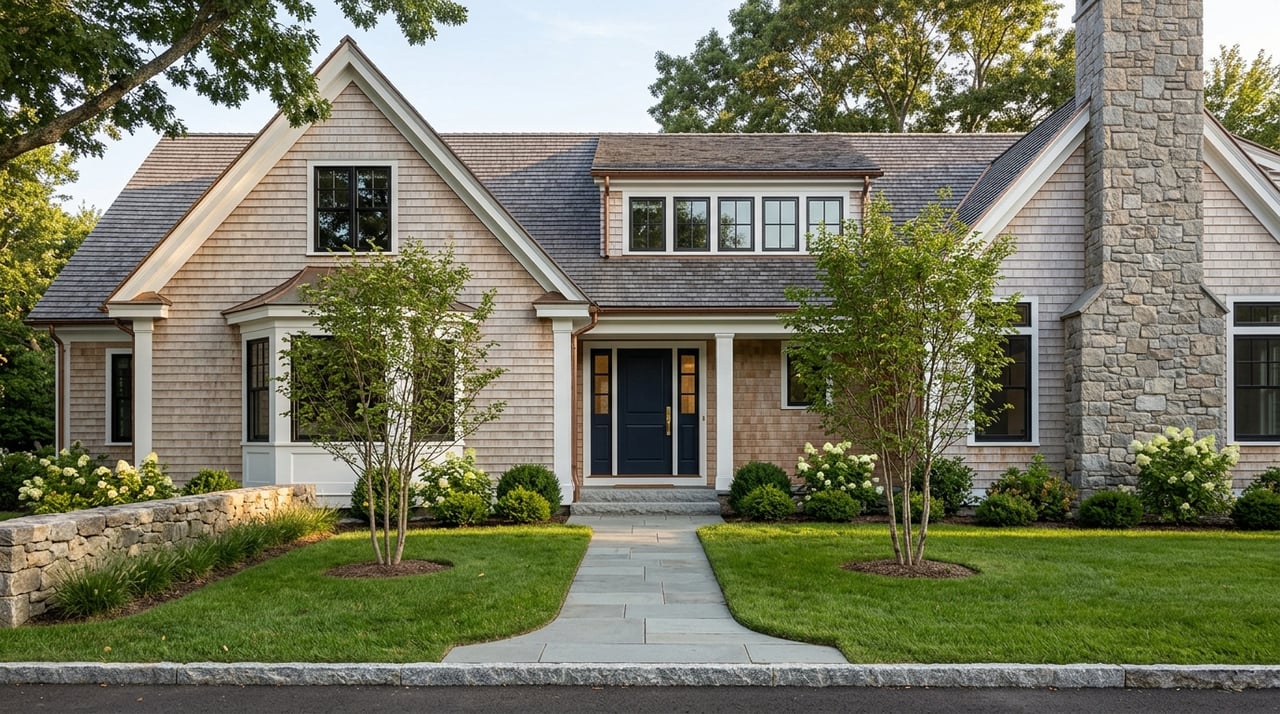
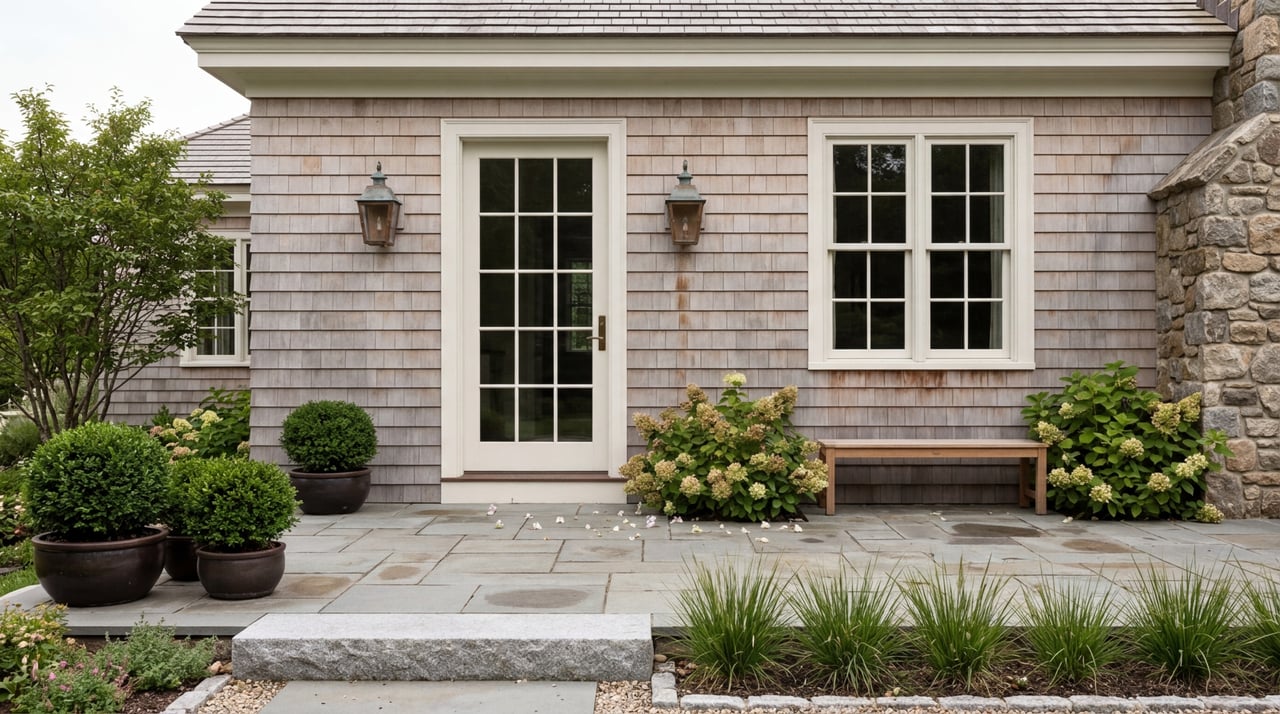
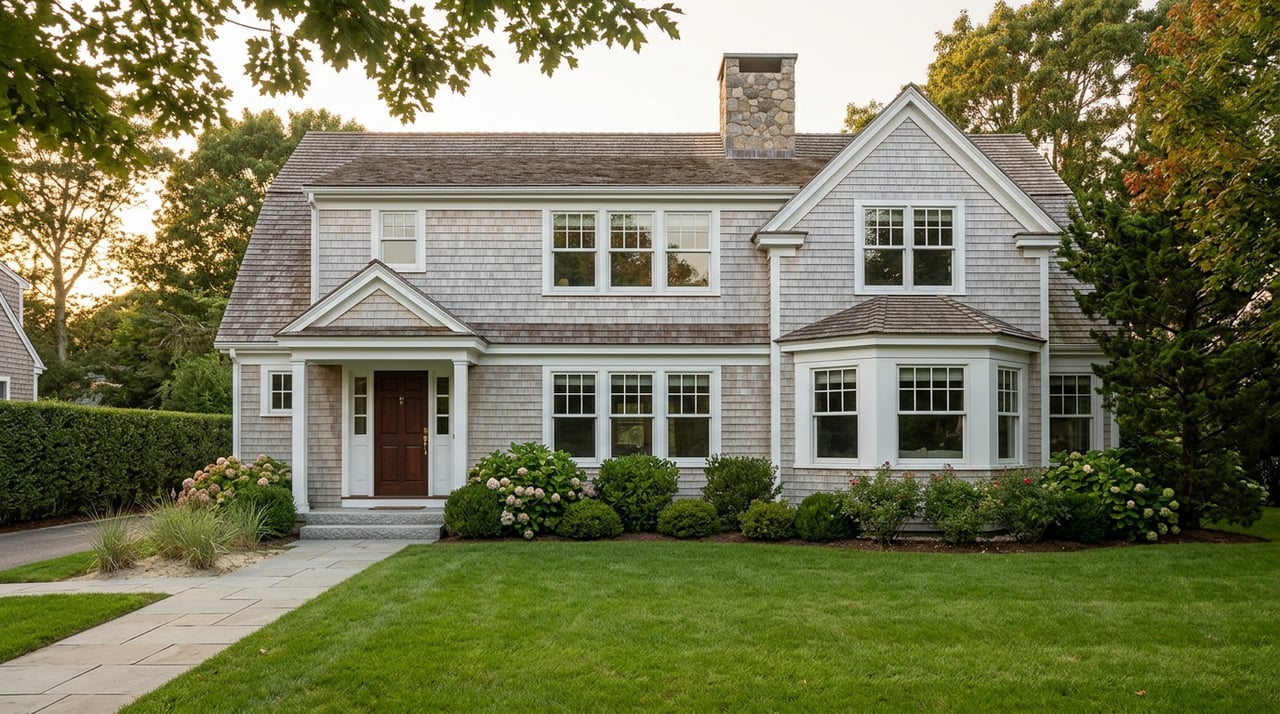
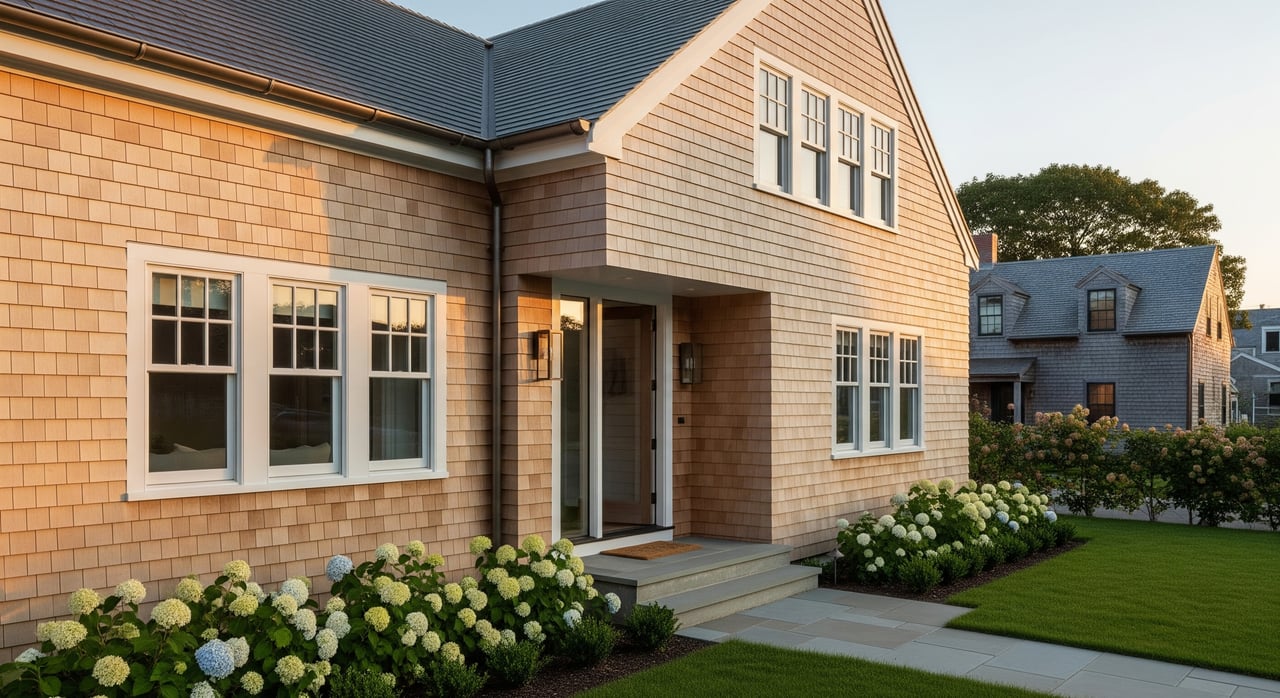
A buyer comparing the seven villages of Harwich sees two numbers first. East Harwich listings carried a median ask of $819,000 at $543 per square foot in June 2026, while the town as a whole settled at a $725,000 median sale price in September 2025, with Harwich Port's single-family inventory running from roughly $450,000 to $1.5 million and waterfront homes routinely clearing $2 million. Paul Grover's own Harwich guide places luxury inventory between $1 million and $8 million. The temptation is to read the spread as a tax on proximity to Nantucket Sound.
That reading is incomplete. In Harwich, the premium is not paid for shoreline. It is paid for a place in a queue, and for the absence of a regulatory obligation that quietly attaches to addresses farther inland and farther east. Both facts are written into municipal records rather than the listing sheet, which is why they rarely surface until the inspection period.
The Queue, Not The Shoreline
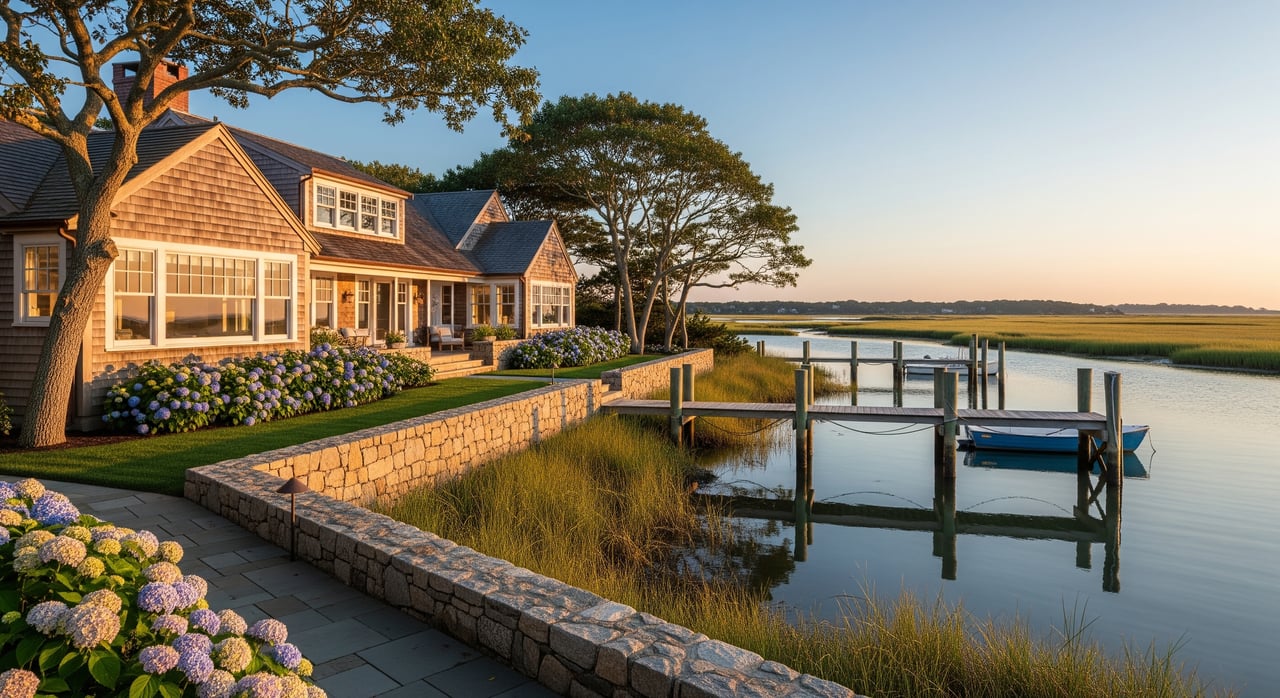
Saquatucket Harbor is the engine of Harwich Port. It is the largest municipal marina on the Cape, with capacity for roughly 190 vessels, and it is where the Nantucket ferry, the charter fleet, and the commercial offloaders share water. There are no moorings at Saquatucket Harbor, and the slips are extremely popular; most of the dockage is filled by permanent seasonal slips, and there is currently a decade or two wait for a permanent assignment.
A buyer who assumes the waterfront price covers a slip is misreading the asset. The slip is a separate permit, administered by the Harbormaster, and it does not transfer with the deed.
The neighboring harbors are governed by rules that further compress the value of "boat-friendly" as a search filter. Due to limited space within the Herring River and Allen Harbor mooring fields, a 25-foot maximum manufactured boat length restriction applies, and while permit holders as of January 9, 2017 may keep their existing vessel, the 25-foot cap takes effect should they change boats in the future. That detail rules out a meaningful share of the cruisers and sportfish that buyers picture when they tour a home overlooking the Herring River.
A use-it-or-lose-it standard governs the mooring permits themselves: the holder must use the mooring at least 30 days during the boating season or forfeit the permit, and lending the mooring to someone on the waiting list is no longer permitted. Mooring space is non-transferable, other than to a surviving spouse, and non-subleasable. A second-home owner who closes in June and spends three weeks on the Cape in August can lose the permit that helped justify the purchase.
The fee to remain on the waiting list is ten dollars per year, due before April 1, and the position only advances when that fee is paid. The buyer who skips a year drops to the bottom.
The yacht clubs change the calculus for some buyers. The Stone Horse Yacht Club and the Wychmere Beach Club at Wychmere Harbor, and the Allen Harbor Yacht Club inside Allen Harbor, hold private dockage and moorings outside the municipal queue. Membership is its own process, with its own waitlist, but for a buyer whose timeline does not accommodate a decade on a town list, the club path is often the only practical route to a slip in the same season as the closing.
A Village-By-Village Price Ladder
The seven villages of Harwich do not behave as one market. They share a school district and a tax rate, but the deed restrictions, water frontage, and harbor proximity that shape value sit in different combinations in each.
| Village | Recent price signal | What is actually being priced |
|---|---|---|
| Harwich Port | Single-family $450K–$1.5M; waterfront $2M+ | Walkable distance to Saquatucket, Wychmere, and Allen Harbors; Bank Street and Sea Street beach access; restaurant cluster on Route 28 |
| East Harwich | $819K median list, $543/sqft (June 2026) | Pleasant Bay frontage and proximity to Wequassett Resort; inside the Pleasant Bay watershed permit area |
| Harwich Center | Below town median in most quarters | Inland village fabric around Brooks Park and Brooks Free Library; no direct harbor access |
| North/West/South Harwich, Pleasant Lake | Wide range, often the entry tier | Freshwater pond frontage, Cape Cod Rail Trail access, larger lots, longer drive to the Sound |
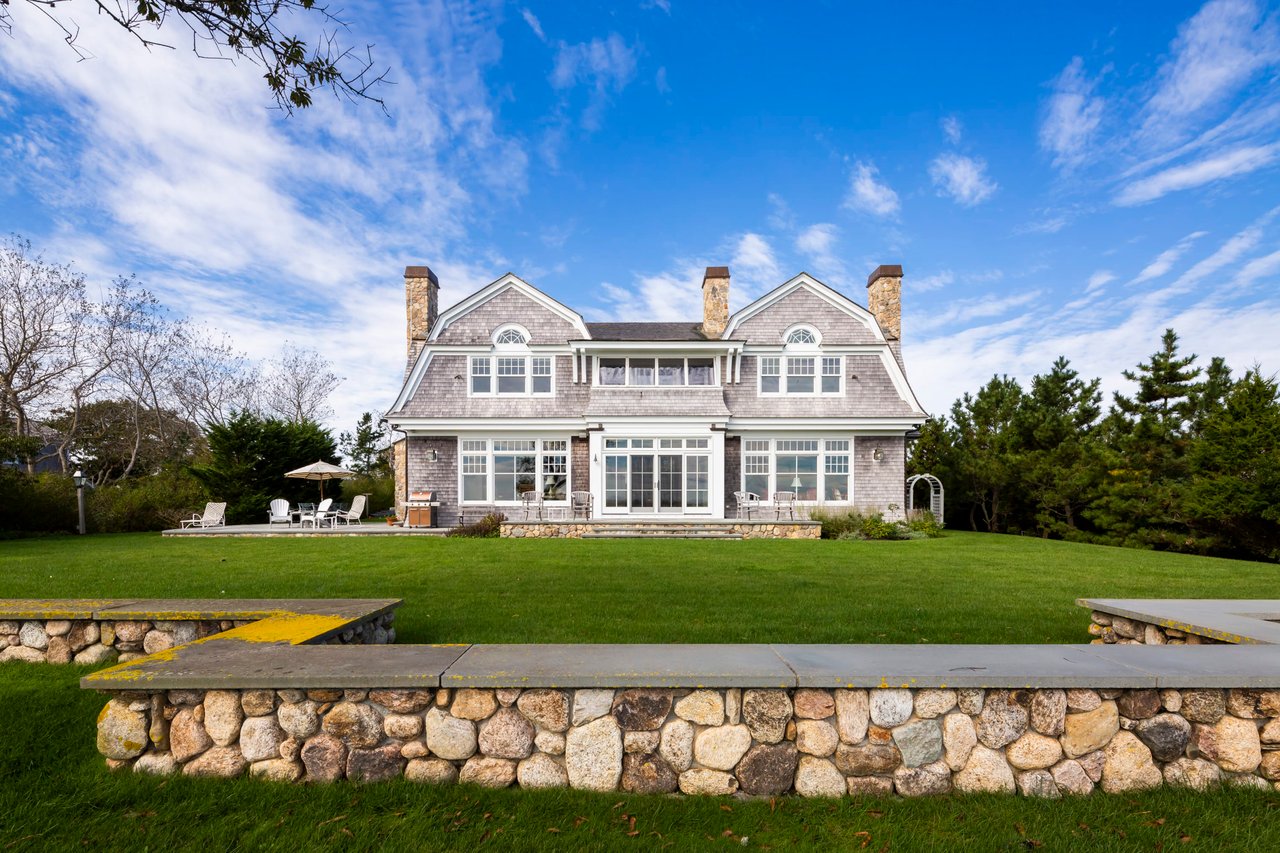
Harwich Port holds the majority of oceanfront homes, along with the town's three harbors, several popular beaches, and a concentration of restaurants in the village center. That concentration is the legible reason for the premium. The illegible reason sits in the next section.
The East Harwich Trade
A buyer who reads the East Harwich median against the Harwich Port median and concludes that Pleasant Bay frontage is "better priced" is solving the wrong equation. The two villages are governed by different wastewater regimes, and the difference is now embedded in the carrying cost of the home.
In 2023, MassDEP changes to Title 5 septic regulations designated 30 Cape watersheds as nitrogen sensitive areas; watershed permits allow towns to plan sewering or other treatment in order to avoid requiring individual homeowners to replace existing septic systems with innovative/alternative systems within five years, and those I/A systems can run from $20,000 to $40,000. Harwich is one of four towns inside the Pleasant Bay watershed permit, the first watershed permit issued in Massachusetts, granted in 2018 to Brewster, Orleans, Chatham, and Harwich through the Pleasant Bay Alliance.
The permit is not a paperwork formality. It is a forty-year obligation backed by hard nitrogen targets. A Massachusetts Estuaries Project study found that approximately 40,000 pounds of nitrogen enter Pleasant Bay each day and must be cut by 36 percent to meet MassDEP thresholds. Harwich's contribution to that target runs through East Harwich, where sewering projects are ongoing in Chatham, East Harwich, and downtown Orleans, and where the Muddy Creek inlet widening with Chatham serves as the working model for intermunicipal nitrogen reduction.
For the buyer, three practical questions follow. Is the parcel inside the Pleasant Bay watershed boundary, and therefore inside the permit umbrella that defers individual I/A obligations while sewer reaches the street? Is the parcel scheduled for connection in a current sewer phase, and what betterment assessment is attached to that timing? Or does the parcel sit in a Harwich Port or West Harwich position where Title 5 compliance remains a private-system matter at sale?
The answer changes the offer. A Pleasant Bay-adjacent home with a thirty-year septic system may be cheaper to carry than the same vintage system on the Sound side, because the watershed permit replaces a five-year private upgrade clock with a municipal timeline. The same home may also be more expensive in a different way, because the betterment, once levied, attaches to the deed.
This is the trade that the median does not show. The Harwich Port premium buys a Title 5 framework where the obligation, if any, is the seller's to resolve before closing. The East Harwich discount buys exposure to a municipal program that is doing the same work, on a slower schedule, at the taxpayer's expense.
What A Harwich Buyer Should Confirm Before Writing An Offer
Is the mooring or slip referenced in the listing tied to the property? In nearly every case the answer is no. The permit is personal to the holder, advances only with the annual ten-dollar fee, and ends with the holder except for a surviving spouse. Plan for a yacht club application or a multi-season wait.
What is the boat length cap in the relevant mooring field? For Allen Harbor and the Herring River, the cap is 25 feet for any new boat assigned after January 9, 2017. For Wychmere and Saquatucket, length is governed by the assigned slip or mooring rather than a field-wide rule.
Is the address inside the Pleasant Bay watershed permit area? If yes, ask the town's health department for the sewer phasing schedule and any anticipated betterment. If no, request the most recent Title 5 inspection report and confirm whether the system has been certified for the next two years of use under current regulations.
Does the seller carry a permit or waitlist position with any of the private clubs? The Stone Horse Yacht Club, Wychmere Beach Club, and Allen Harbor Yacht Club each maintain their own processes. None of those positions transfer automatically with a deed, and they are worth asking about during negotiation rather than after.
What does the Saquatucket landside renovation change about access? The recent municipal investment in the landside facility expanded artisan shanties, parking management, and ferry handling. It does not expand slip count. The waiting list it feeds is the same.
The reader who walks into the Harwich market expecting a simple shoreline premium will overpay for the wrong attribute and underprice the right one. The villages of Harwich are not interchangeable, and the rules that distinguish them sit in harbormaster files and watershed permits, not in the listing photos.
To weigh a specific parcel against the queue, the watershed, and the village fabric that governs it, Paul Grover and the team at Berkshire Hathaway HomeServices Robert Paul Properties invite you to start a confidential conversation.