Thinking about updating a home along Barnstable’s Old King’s Highway? You can modernize comfort and performance while honoring the district’s character. The key is knowing what work needs review, which materials tend to earn approvals, and how to move through the process without delays. In this guide, you’ll learn the essentials: what triggers review, design choices that fit Barnstable Village, the approval workflow, and practical next steps. Let’s dive in.
Old King’s Highway basics
The Old King’s Highway corridor along Route 6A is part of a regional historic district with local oversight in Barnstable Village. If exterior work is visible from a public way, it is typically reviewed by the local Historic District Commission. This review is separate from building permits and any Conservation Commission or zoning approvals, so plan for parallel tracks where needed.
Where to start and who to call
Begin with a quick check-in before you design or demo. Early conversations save time and revisions later.
- Local Historic District Commission office: Ask for application requirements, deadlines, and meeting schedules. Confirm whether your property is in the district and what parts of your home are visible from public ways.
- Barnstable Building Department: Clarify structural or code triggers that may require permits and coordinate timing with historic review.
- Barnstable Conservation Commission: If your work touches wetlands, coastal zones, or buffer areas, plan for review.
- Town planning or historic preservation staff: Request maps or guidance to confirm boundaries and visibility from Route 6A and nearby public streets.
What work usually needs review
If someone on a public street can see the change, assume it will be reviewed. Common items include:
- Changes to primary facades and any elevation visible from Route 6A or other public rights of way
- Additions that alter rooflines or massing as seen from the street
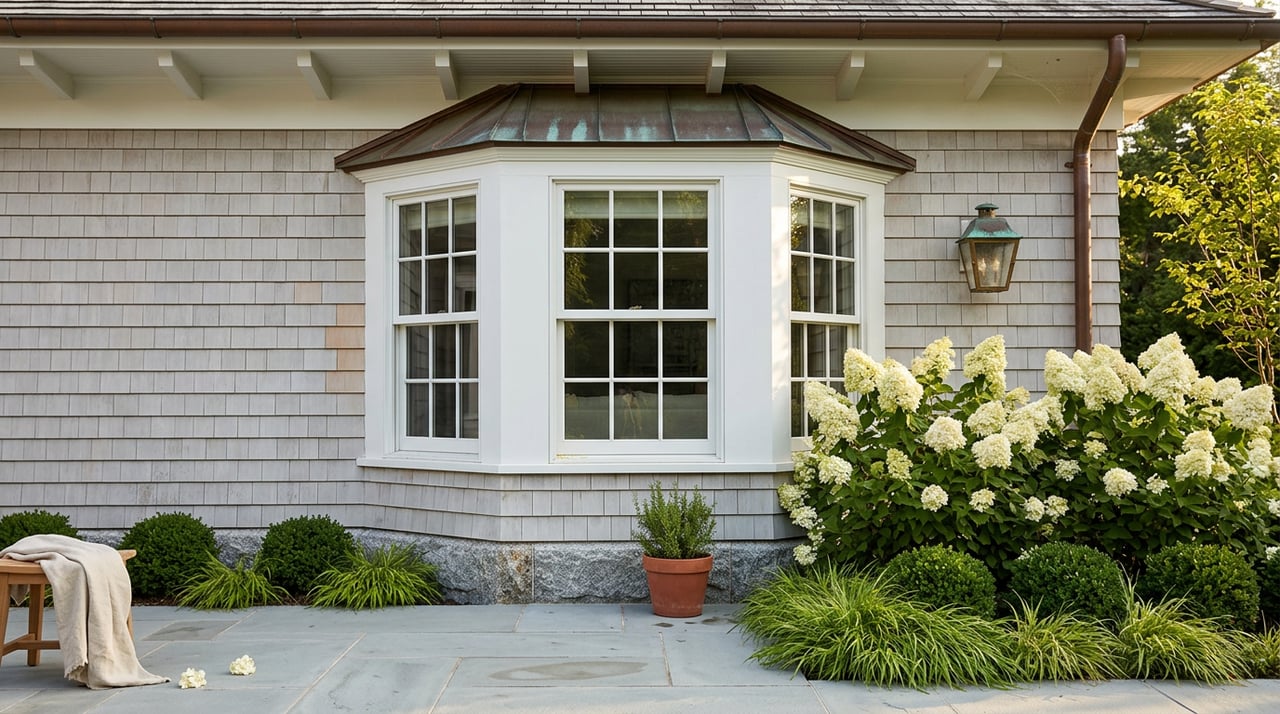
- Window and door replacements on visible elevations
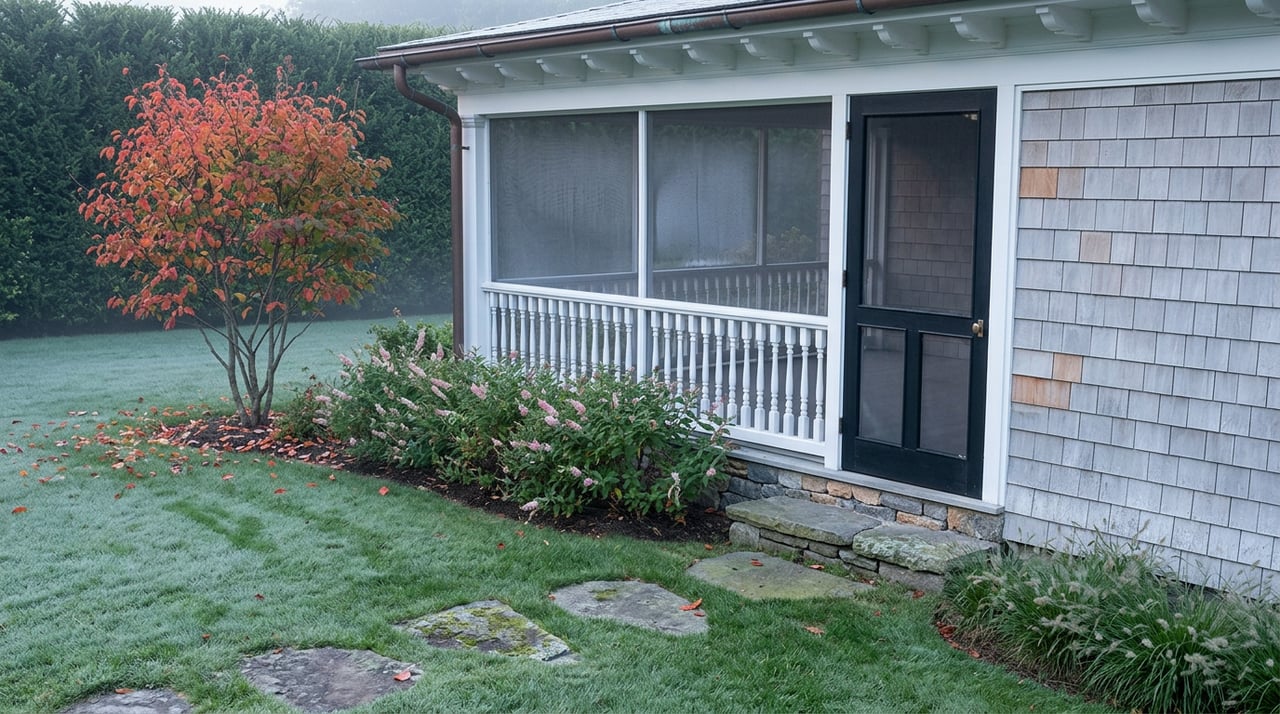
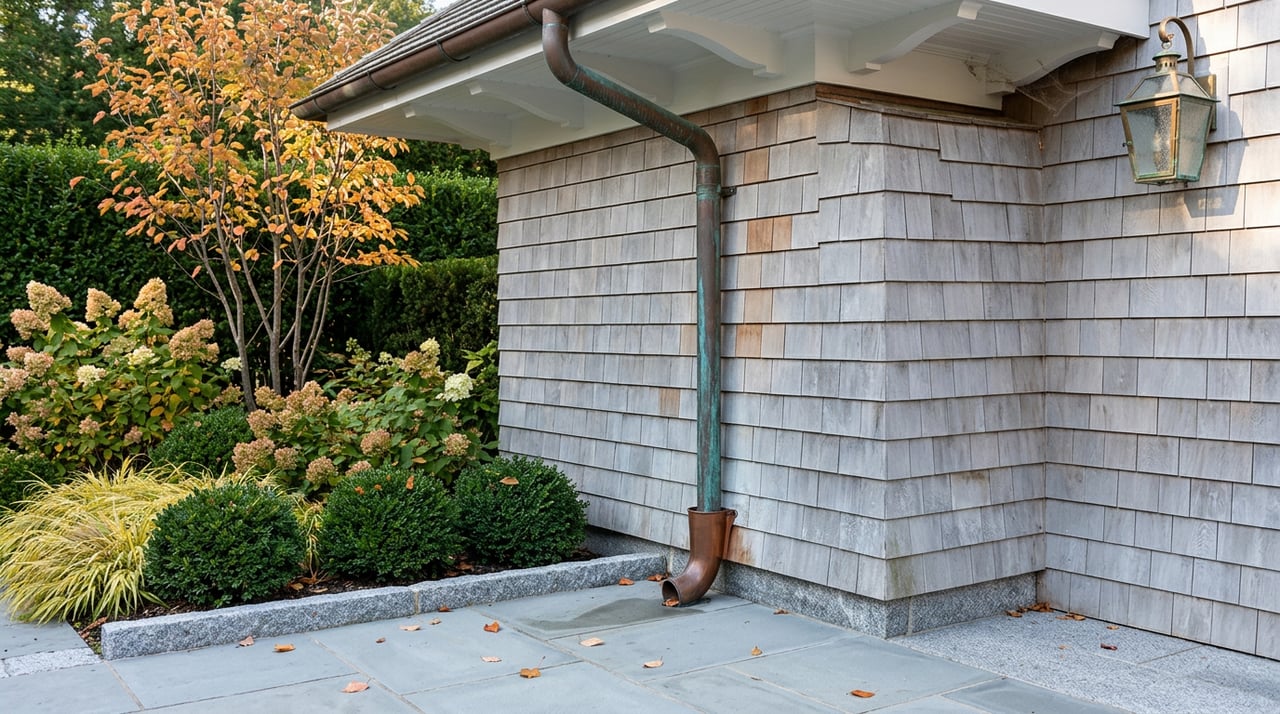
- Siding, trim, wood shingles, and clapboards, including patterns and profiles
- Roof materials or profiles, dormers, and chimneys
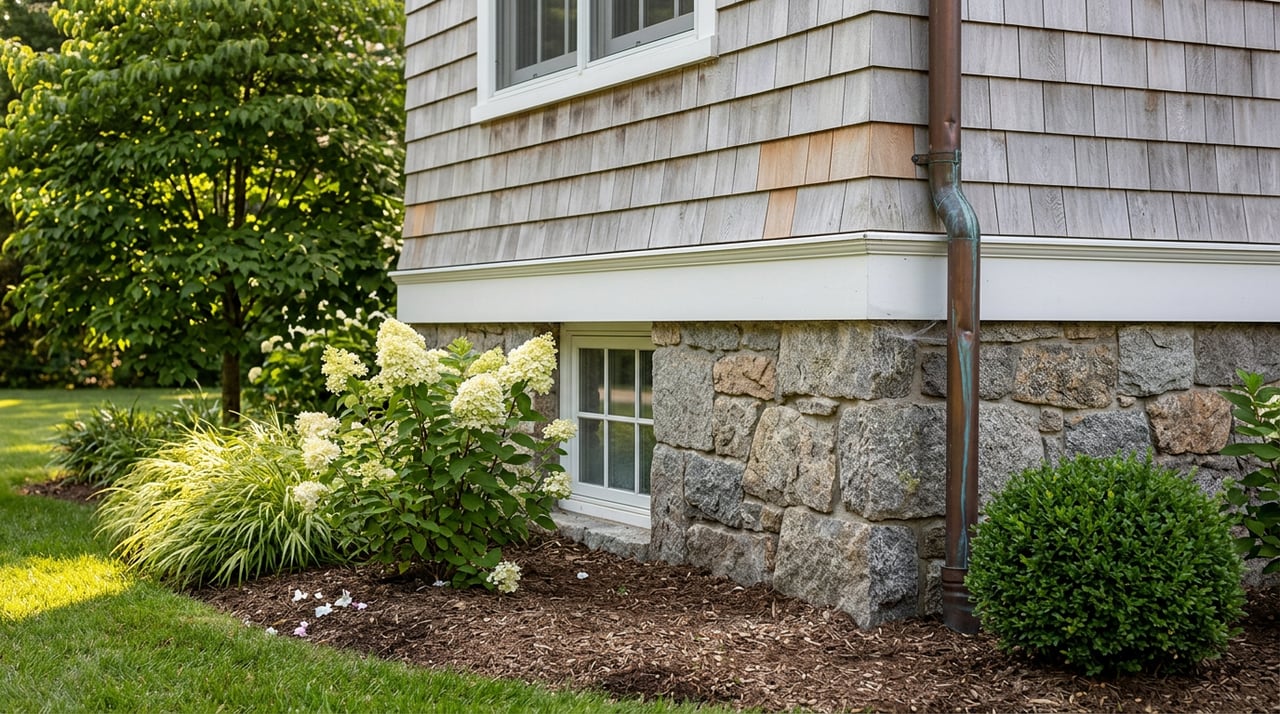
- Porches, stoops, railings, and visible foundation treatments
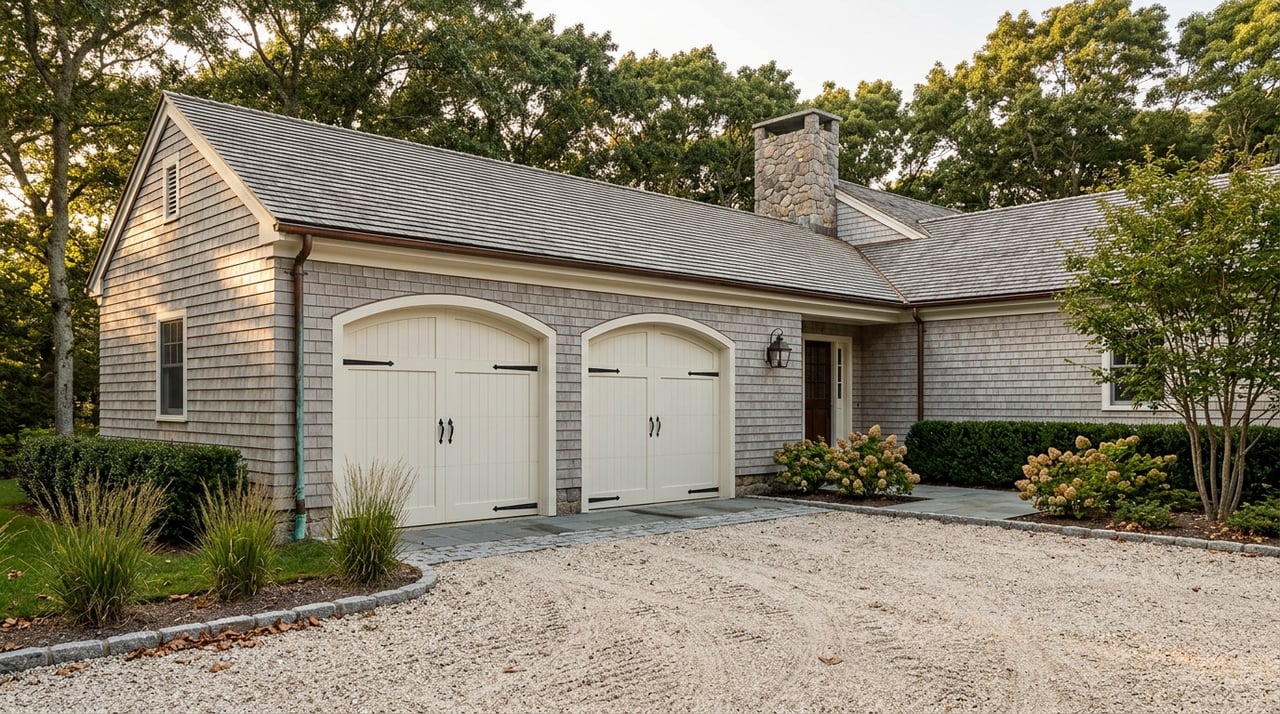
- Fences, gates, and front-yard hardscape such as driveways
- Demolition or partial demolition of historic structures
- Exterior mechanicals, vents, satellite dishes, and solar panels
- Exterior lighting and signage
What may not require review
Always confirm locally, but the following are often exempt or simplified:
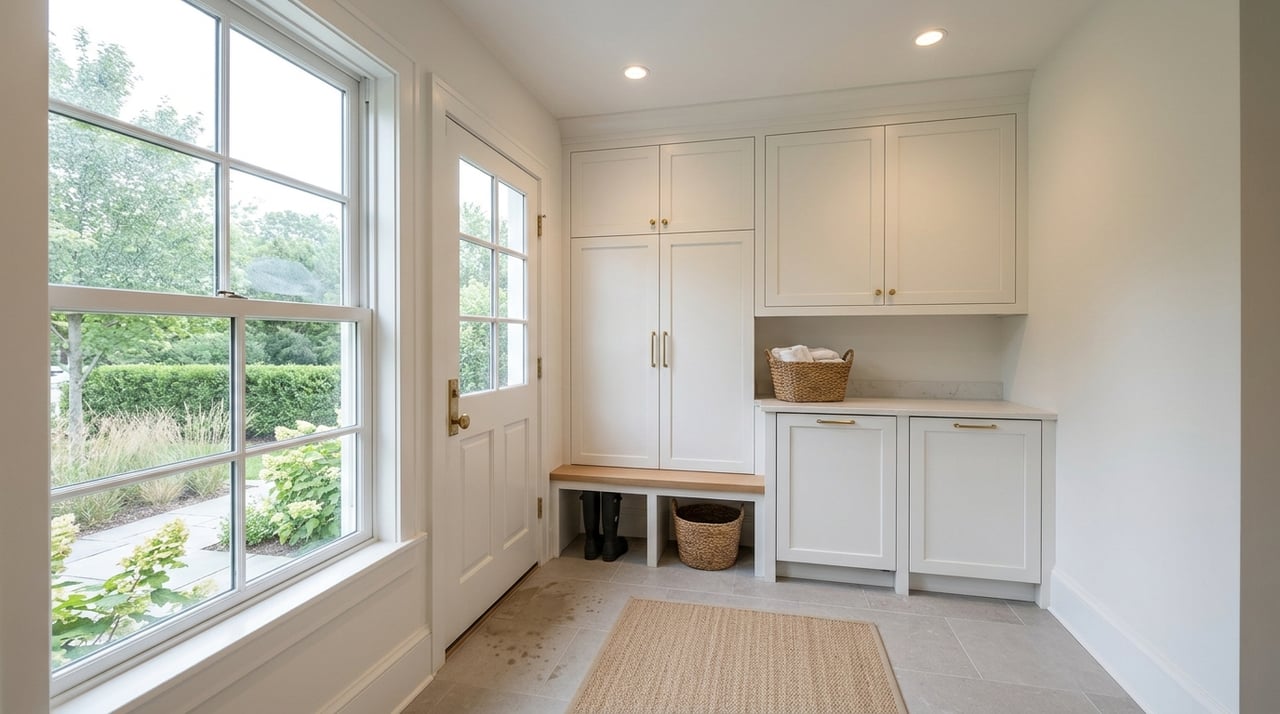
- Interior renovations that do not affect the exterior appearance
- Rear elevations not visible from public ways, depending on local rules
- Routine maintenance in kind, such as repainting and minor repairs, sometimes with simple notification rather than a full hearing
Design principles that win approvals
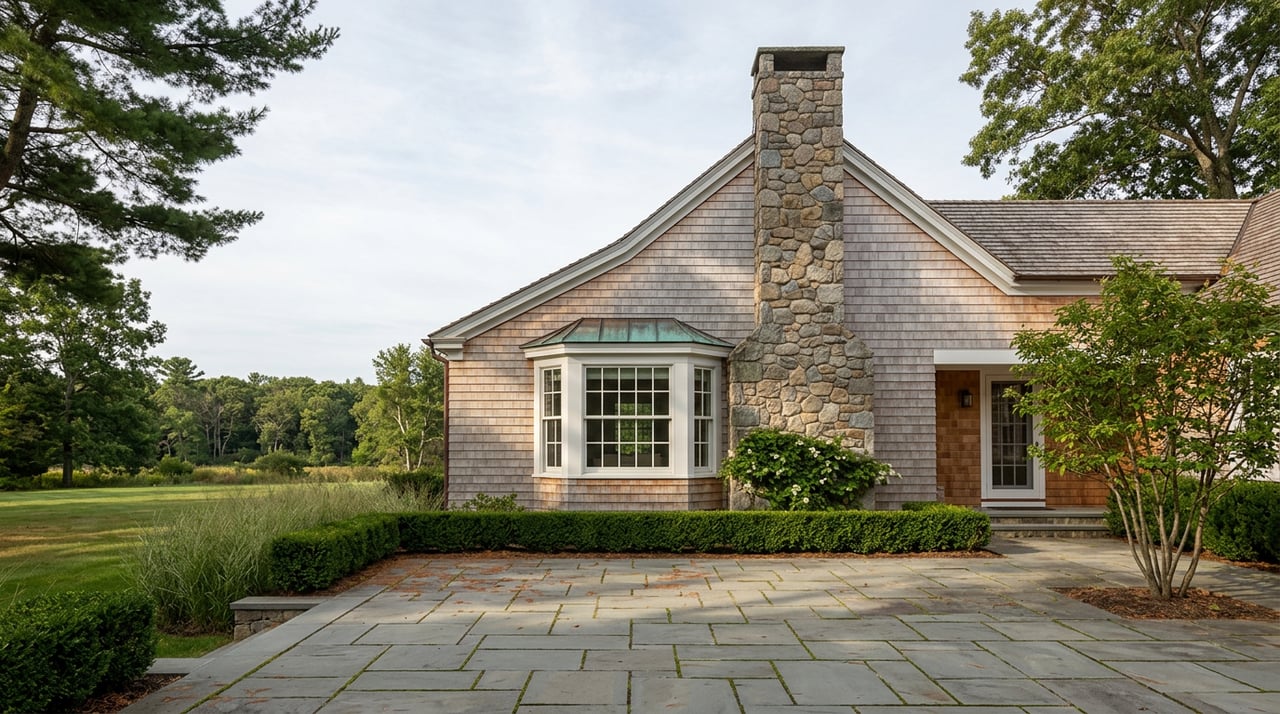
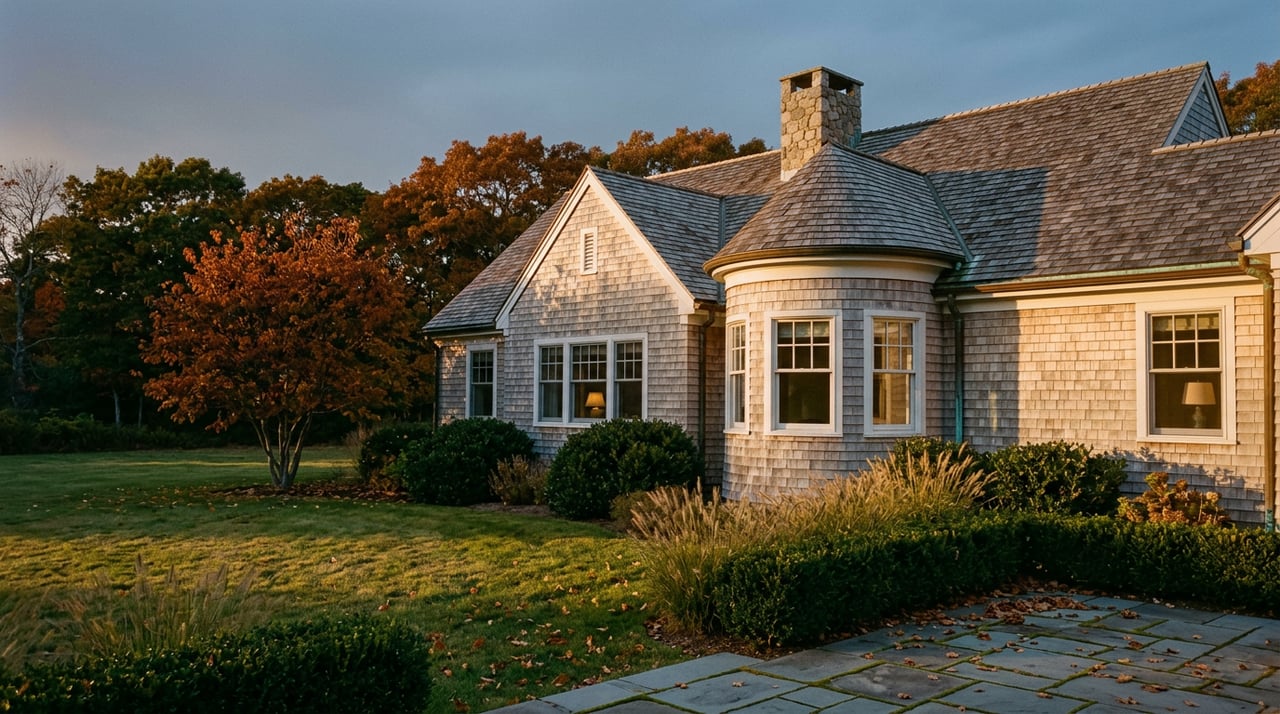
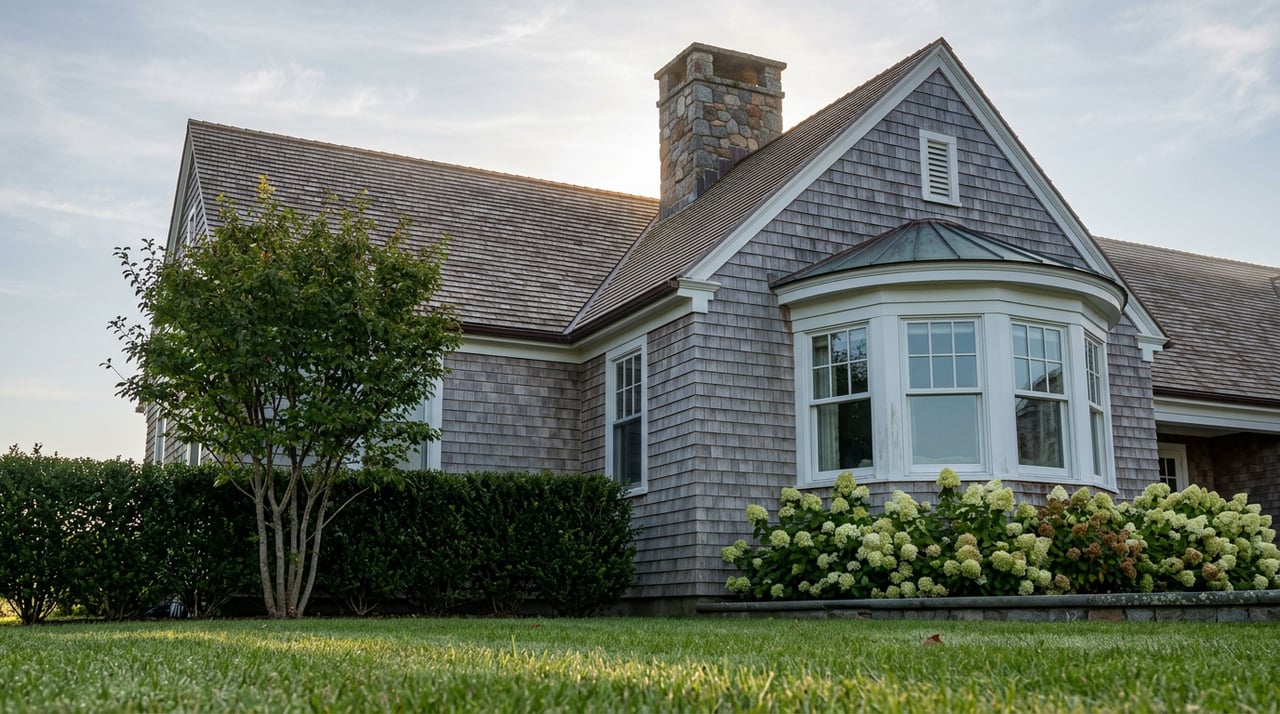
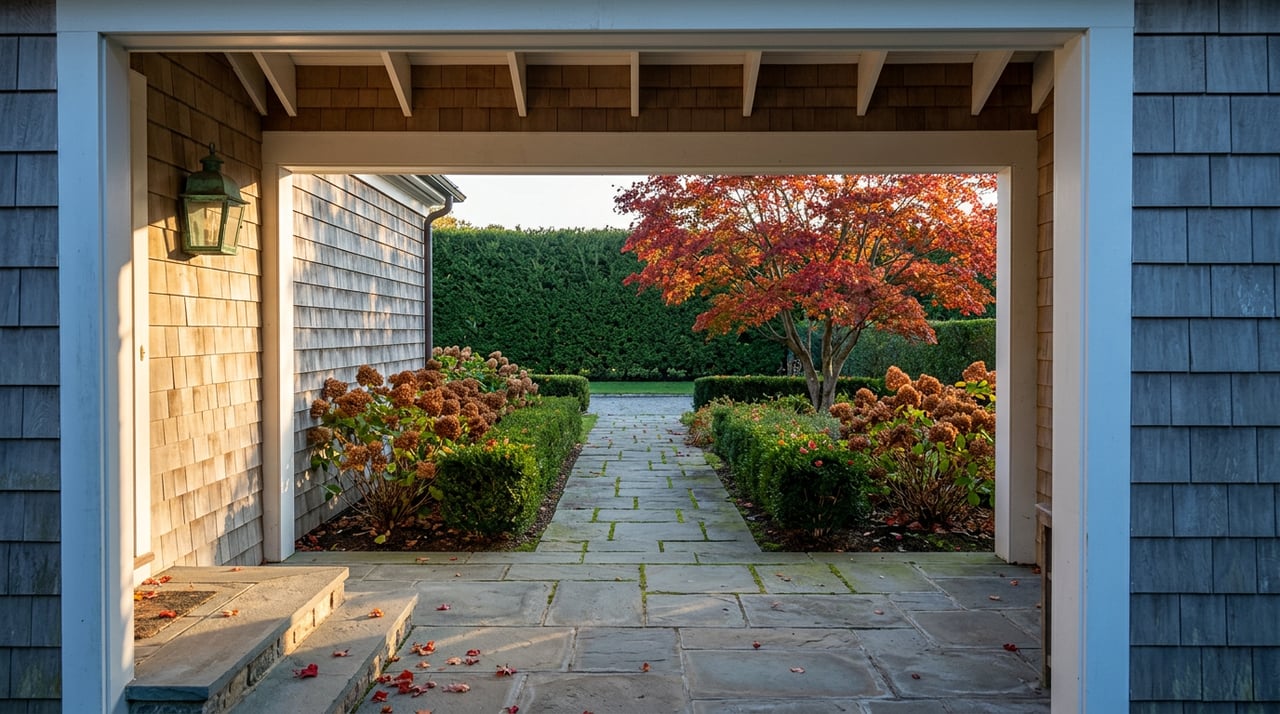
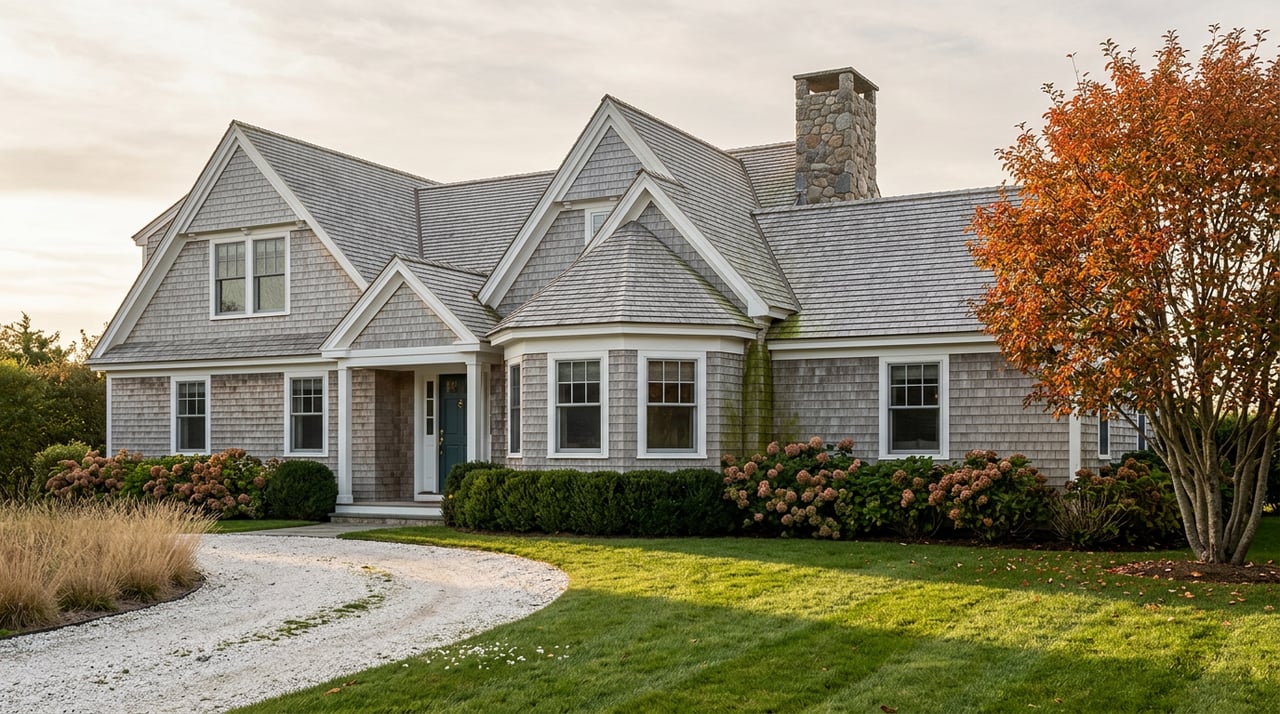
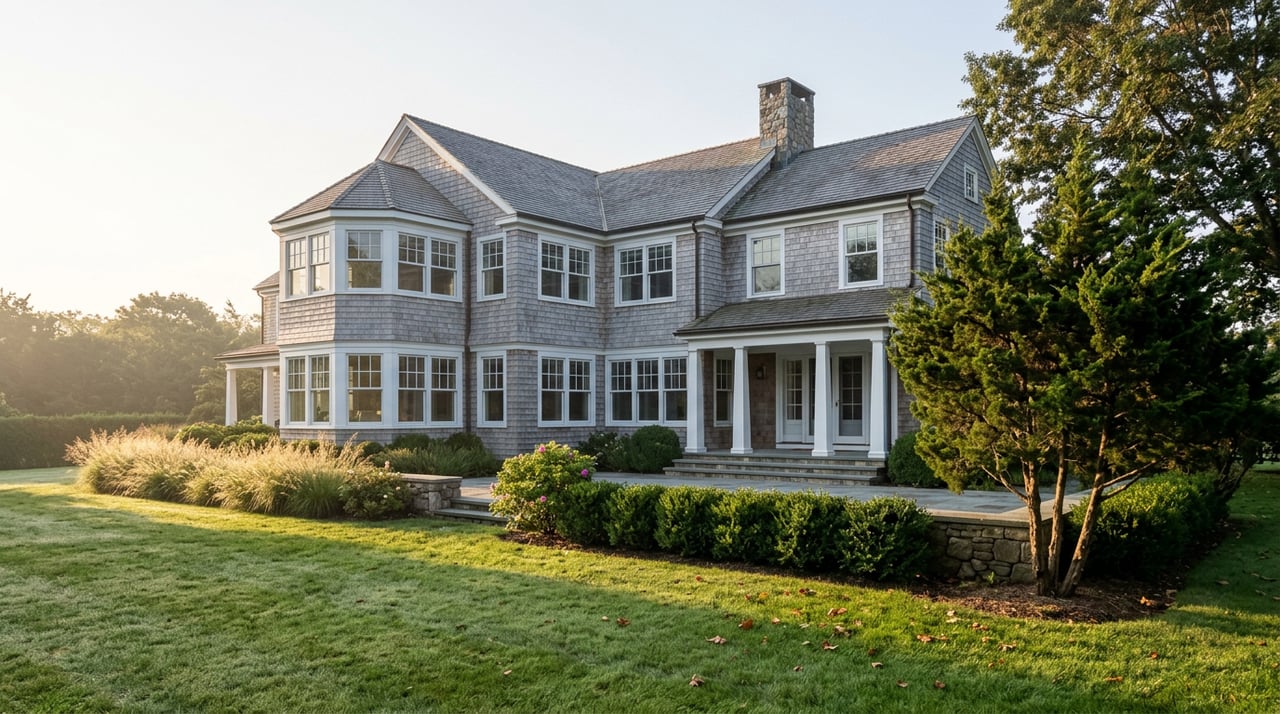
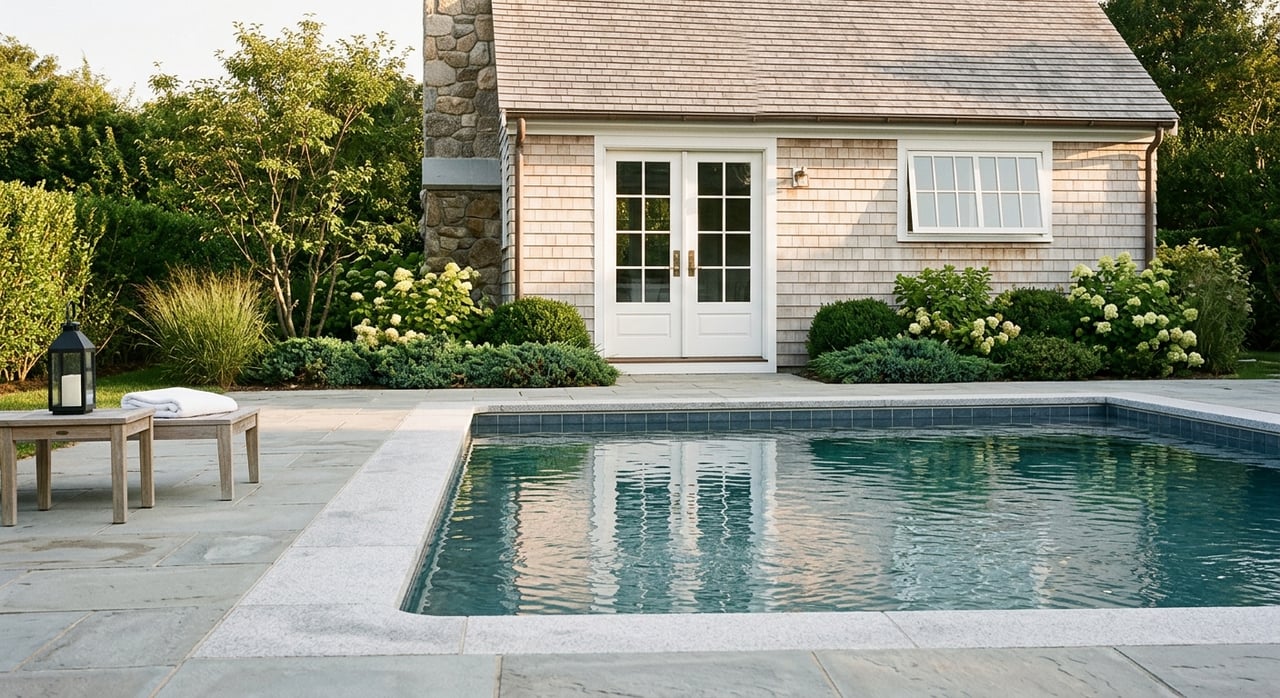
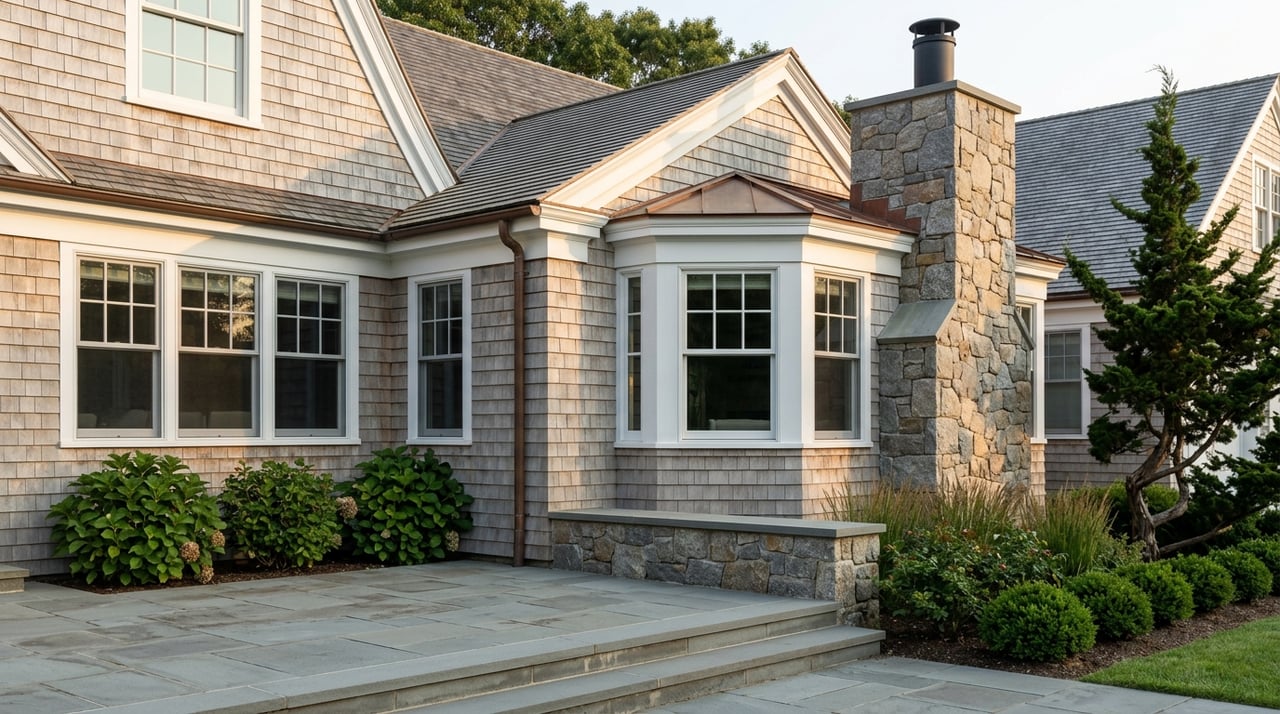
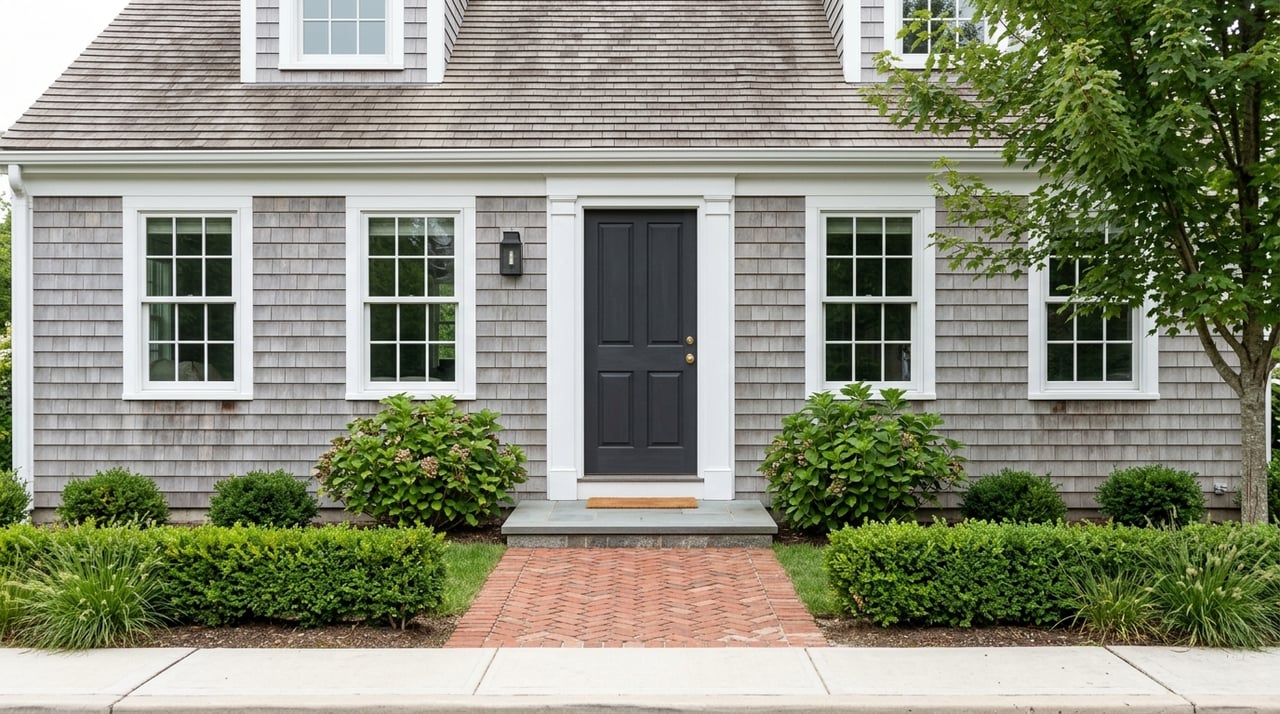
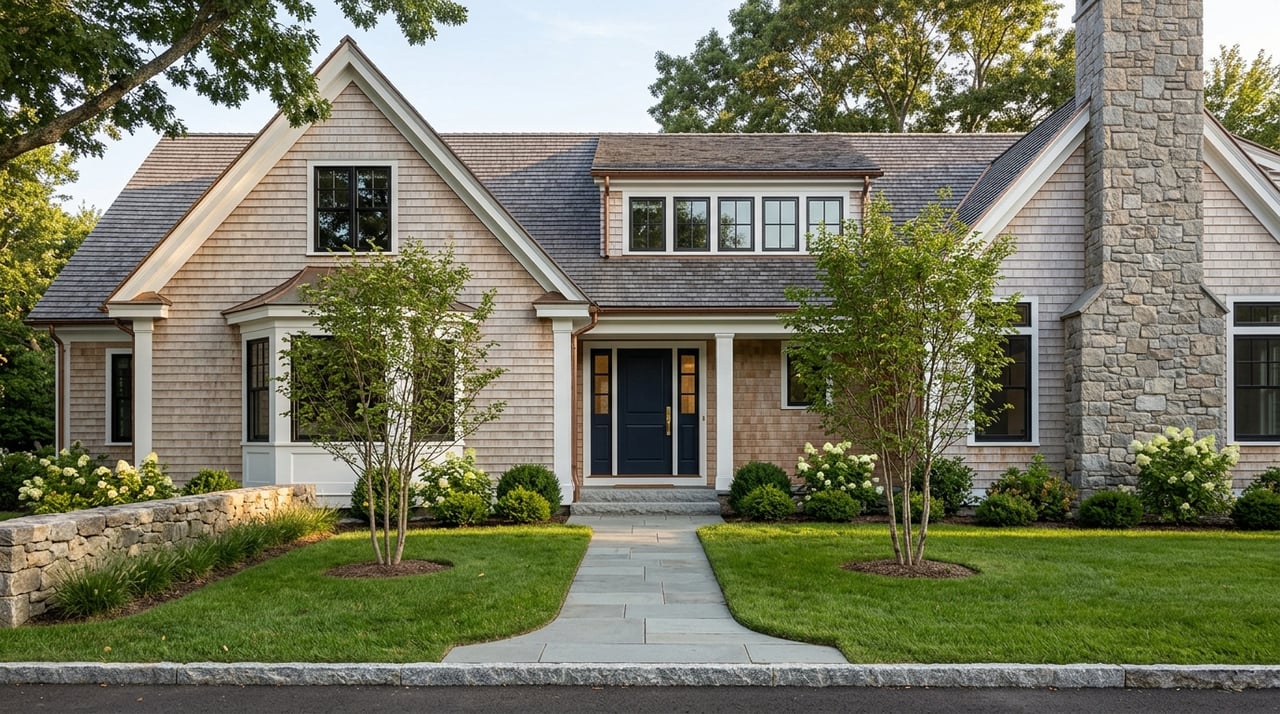
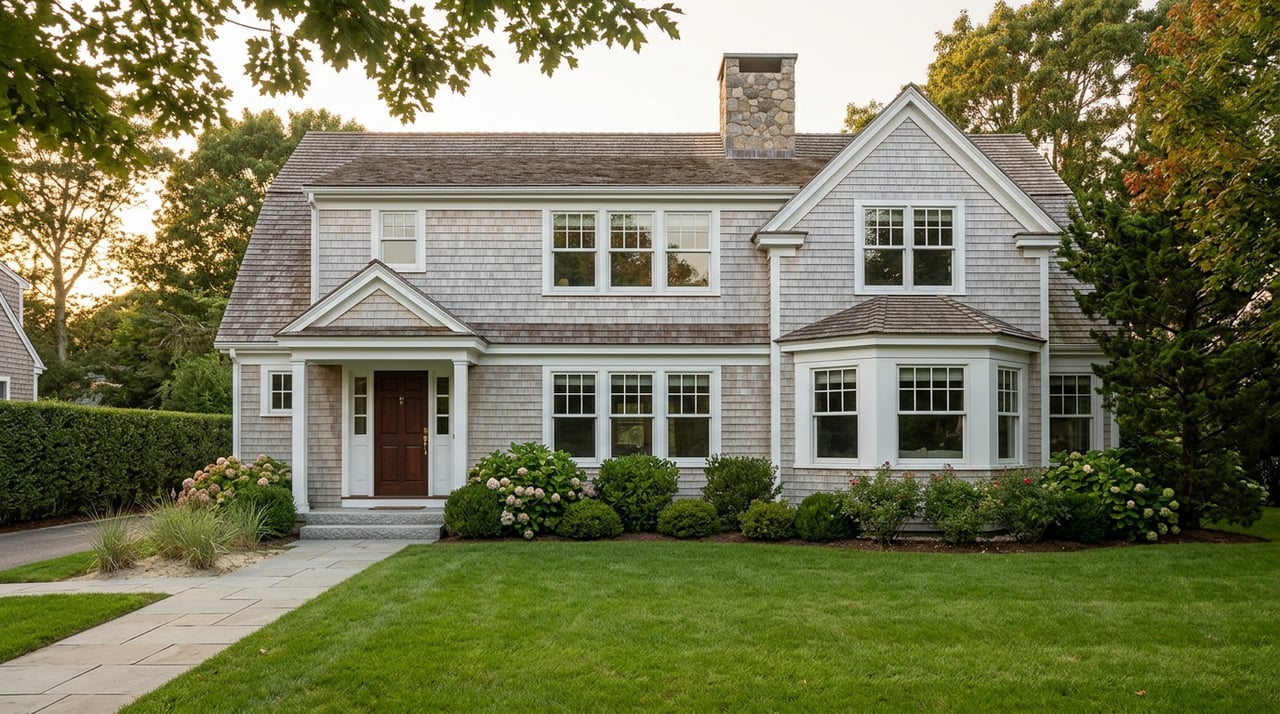
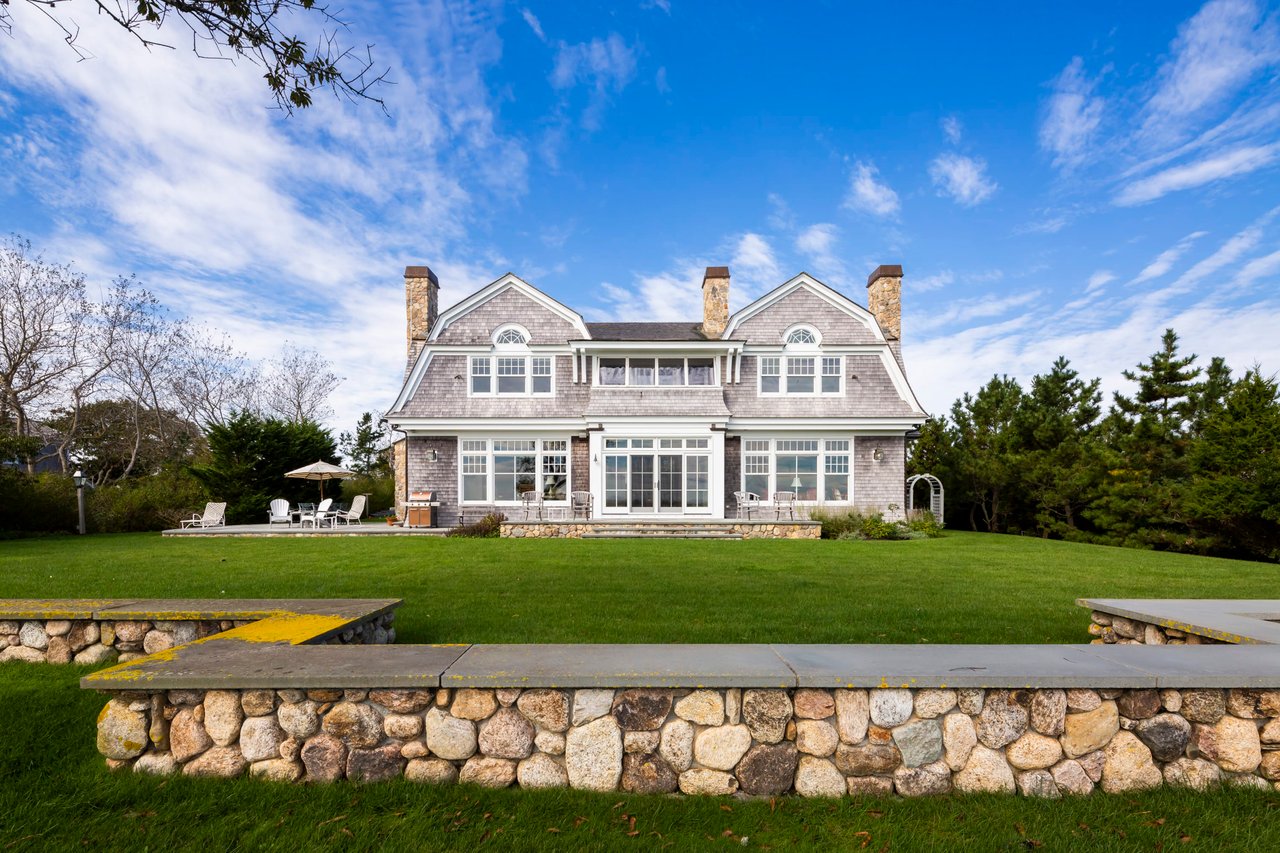
Barnstable Village buildings commonly feature Colonial, Cape Cod, and 19th-century vernacular forms with wood framing, wood shingles or clapboards, and wood sash windows. Review boards look for proposals that preserve this character while allowing thoughtful updates.
- Preserve character-defining features: scale, roof pitch, window and door rhythms, porches, cornices, and original materials where feasible.
- Prioritize in-kind repair: repair historic fabric before replacing it. When replacement is necessary, match profile, texture, and scale.
- Aim for compatibility: new work should be visually compatible with the historic building yet distinguishable on close inspection. Avoid faux-historic details that do not reflect your home’s era.
- Minimize public-way impact: site additions and modern equipment so they do not dominate the view from Route 6A or adjacent streets.
Siding and trim
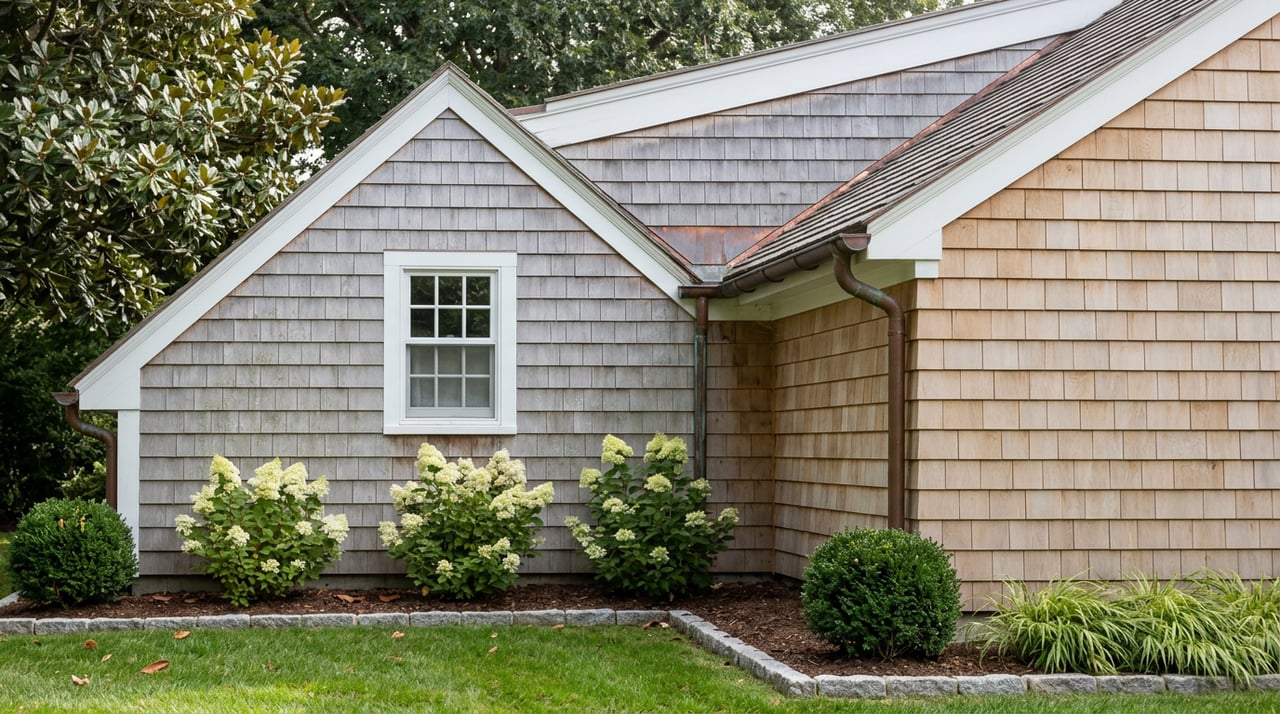
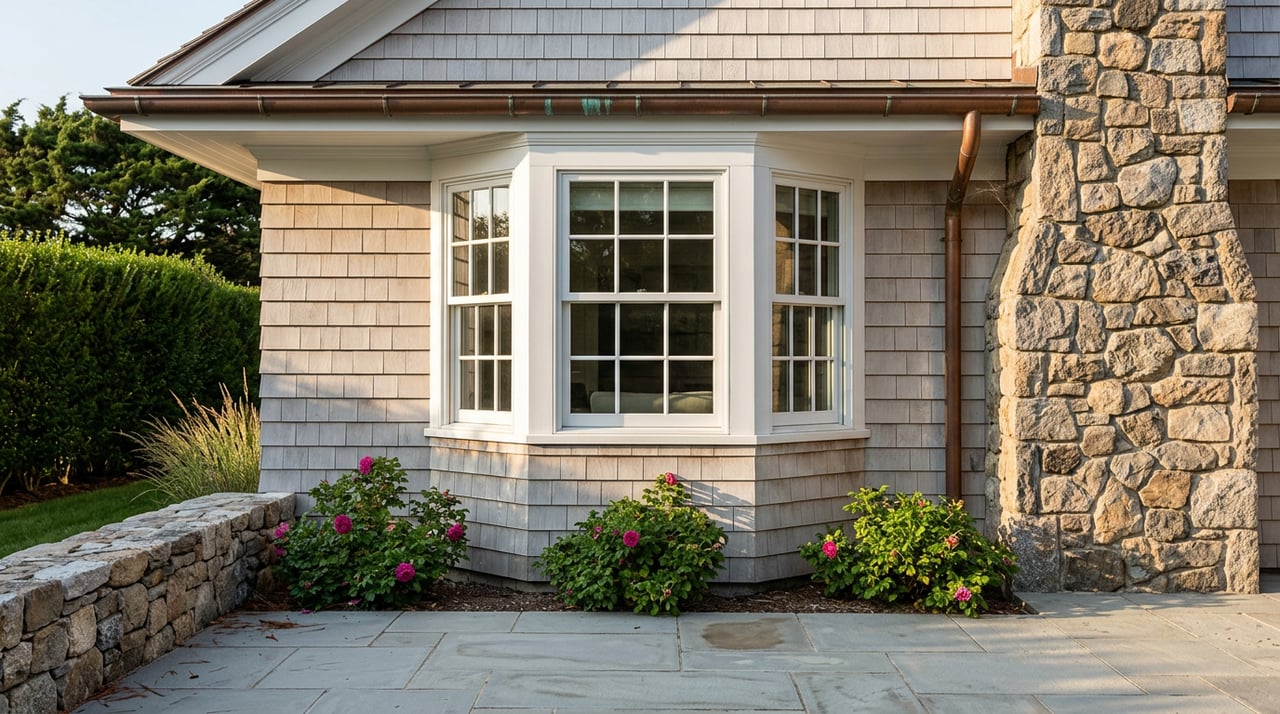
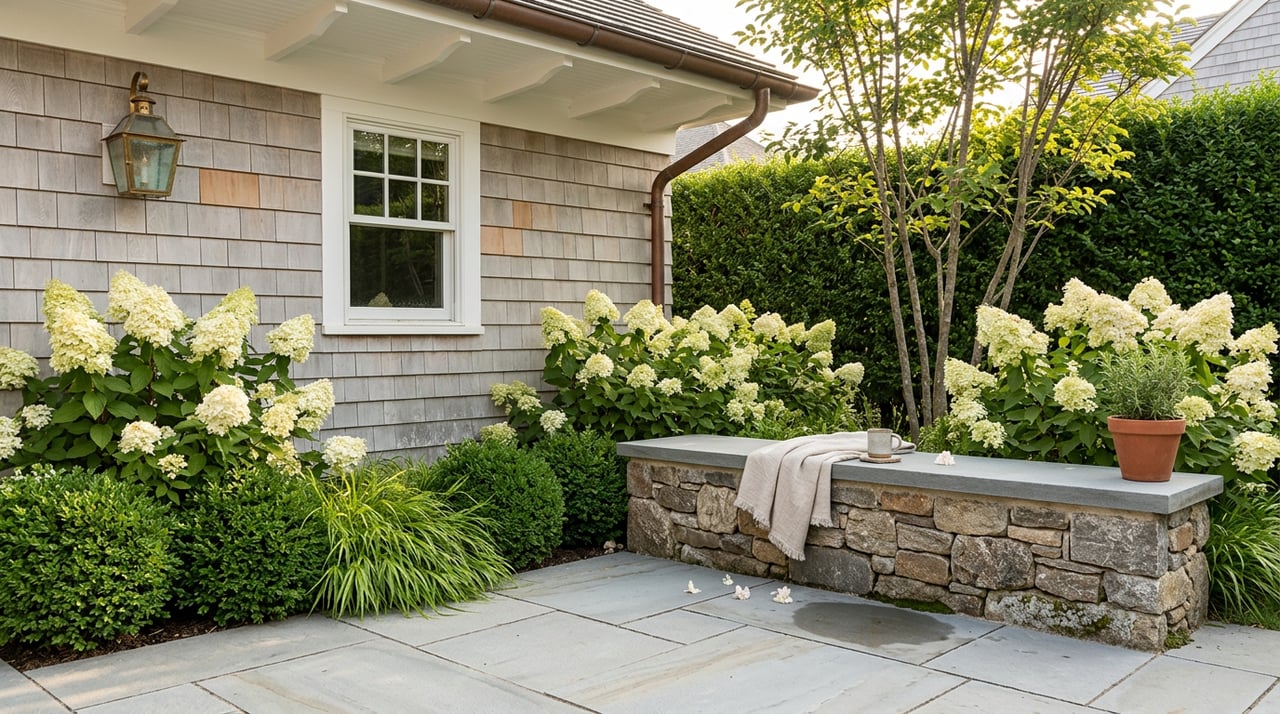
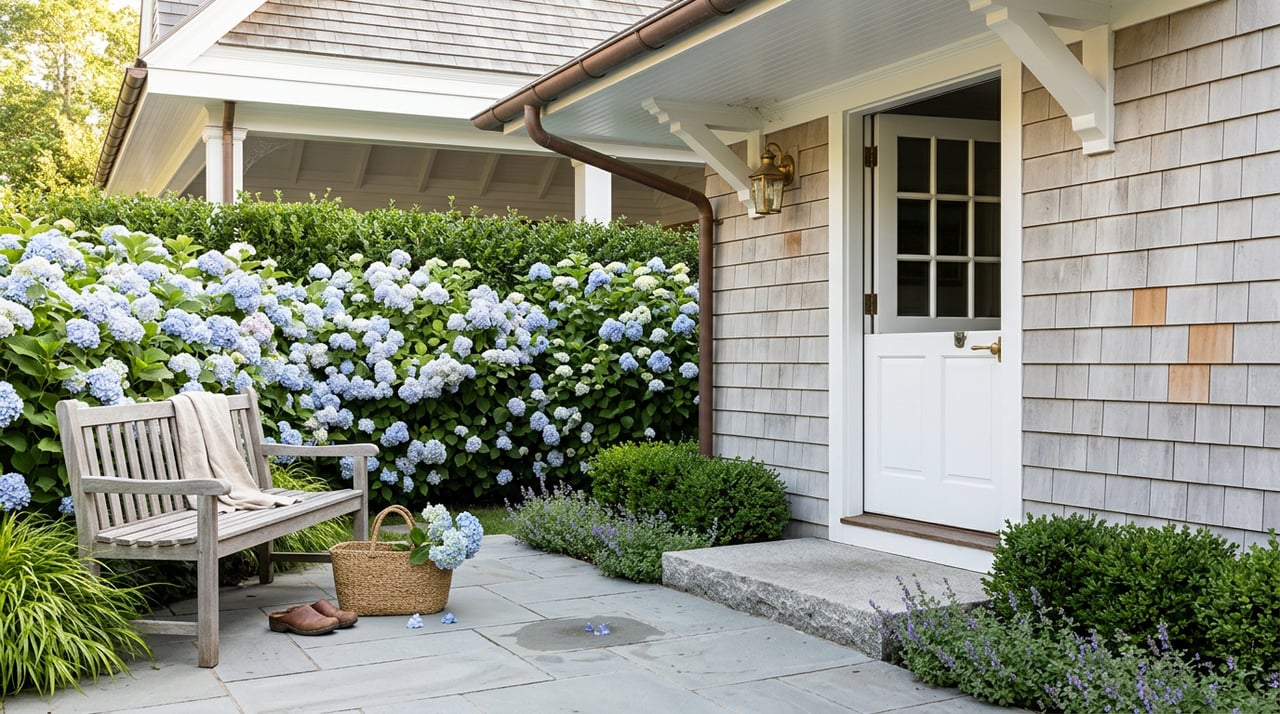
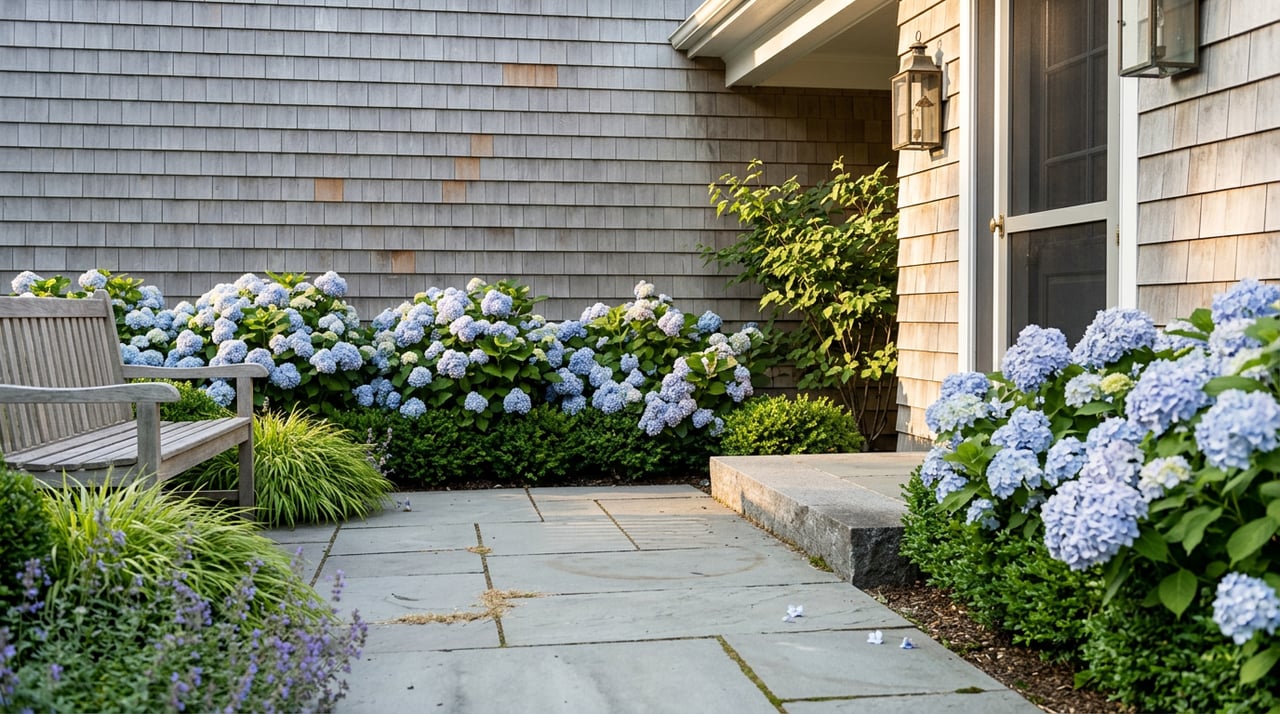
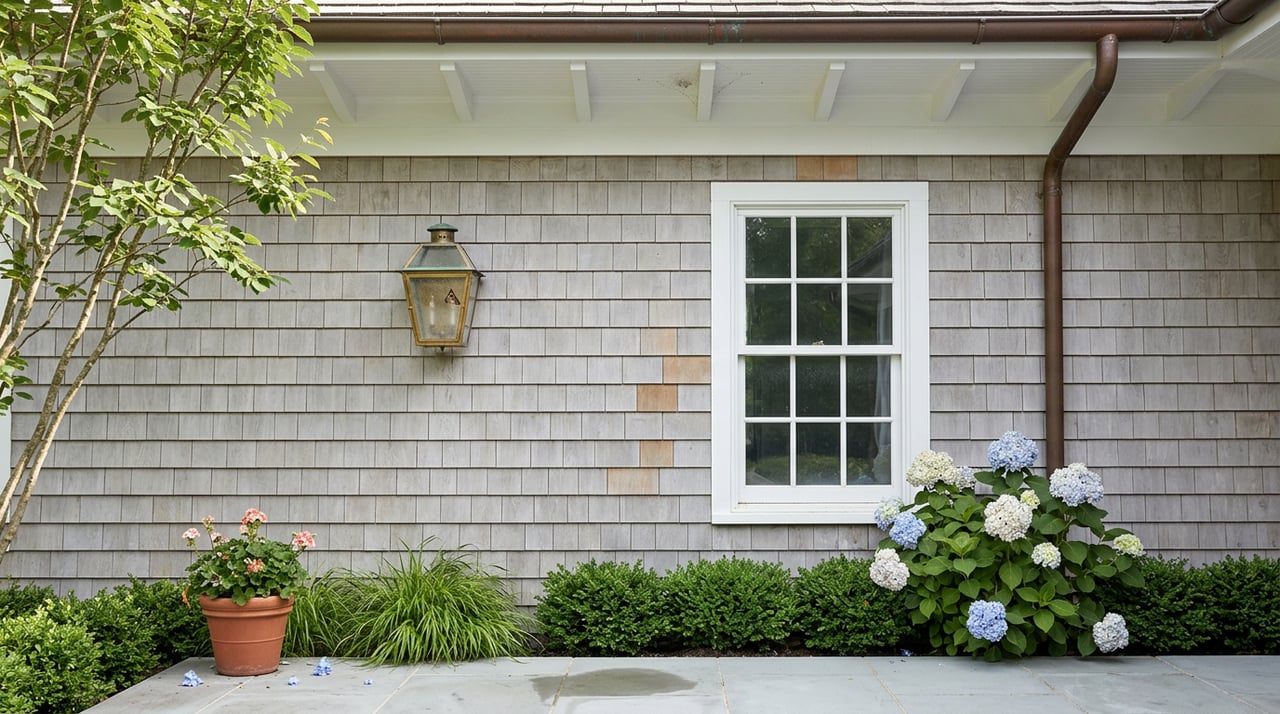
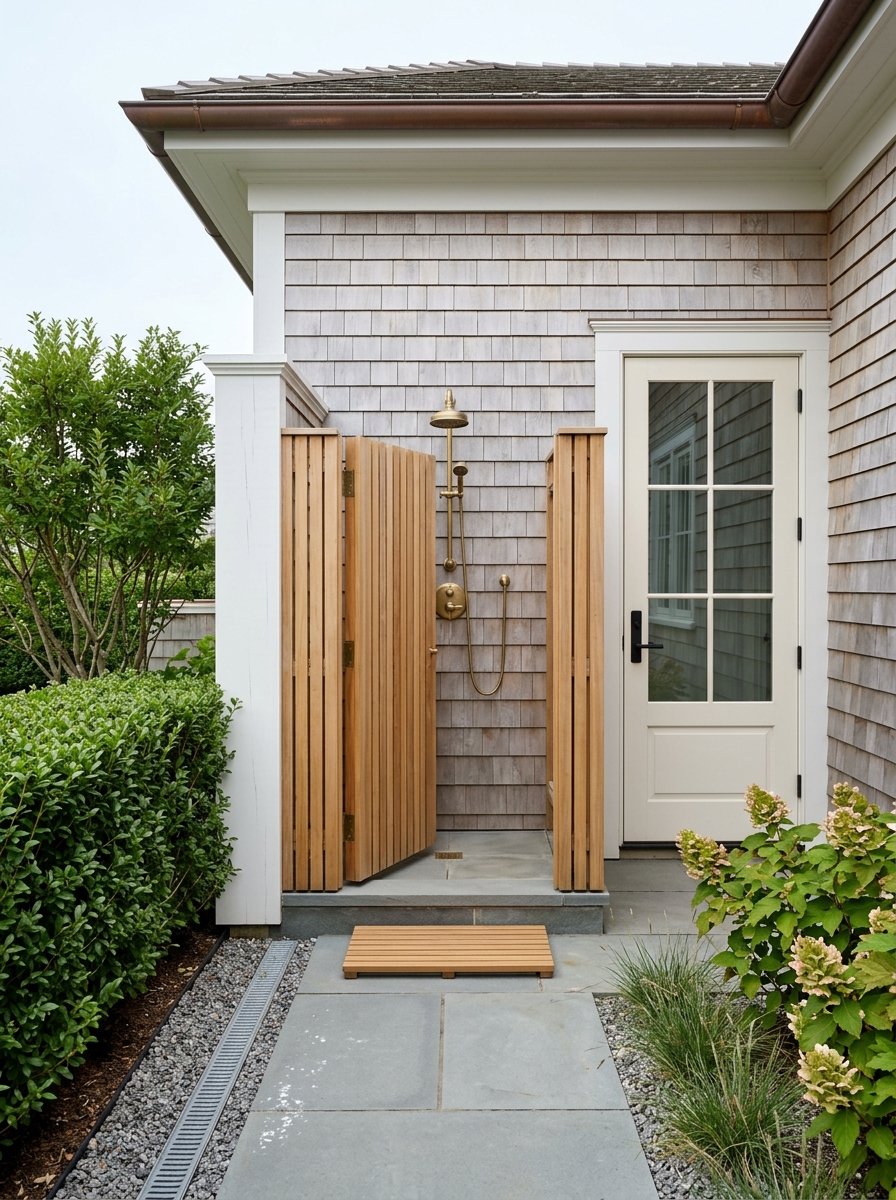
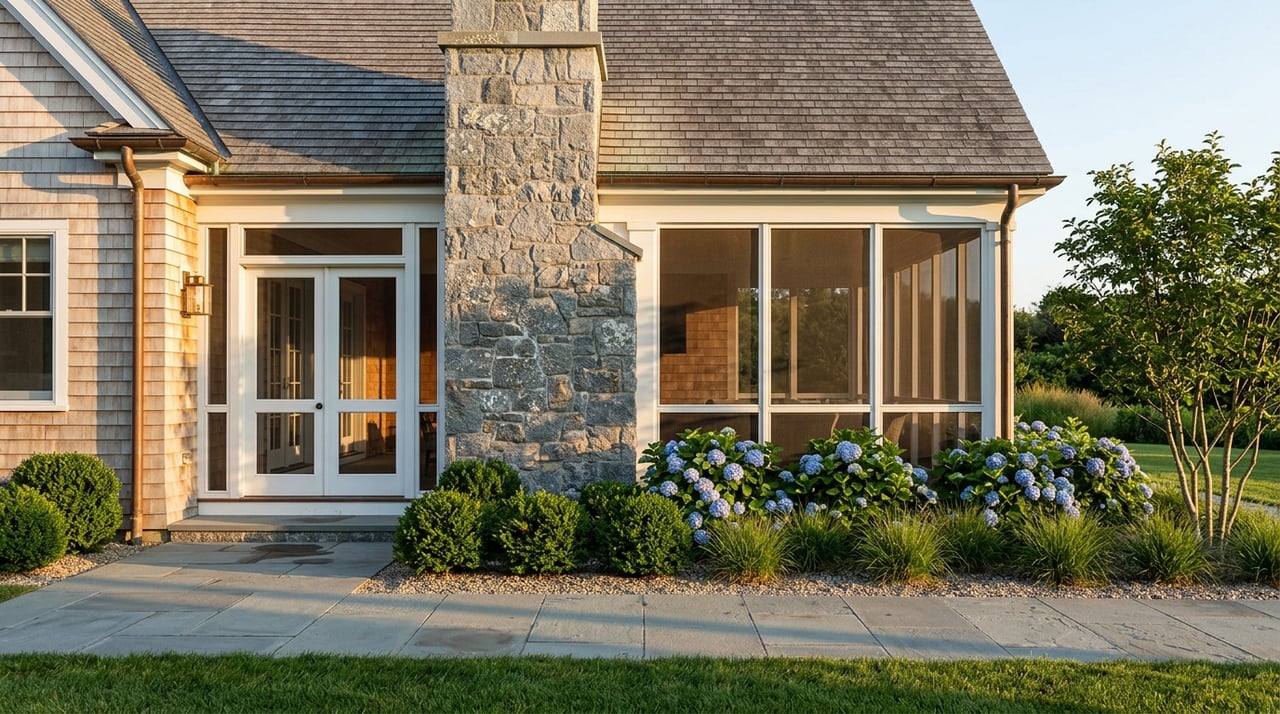
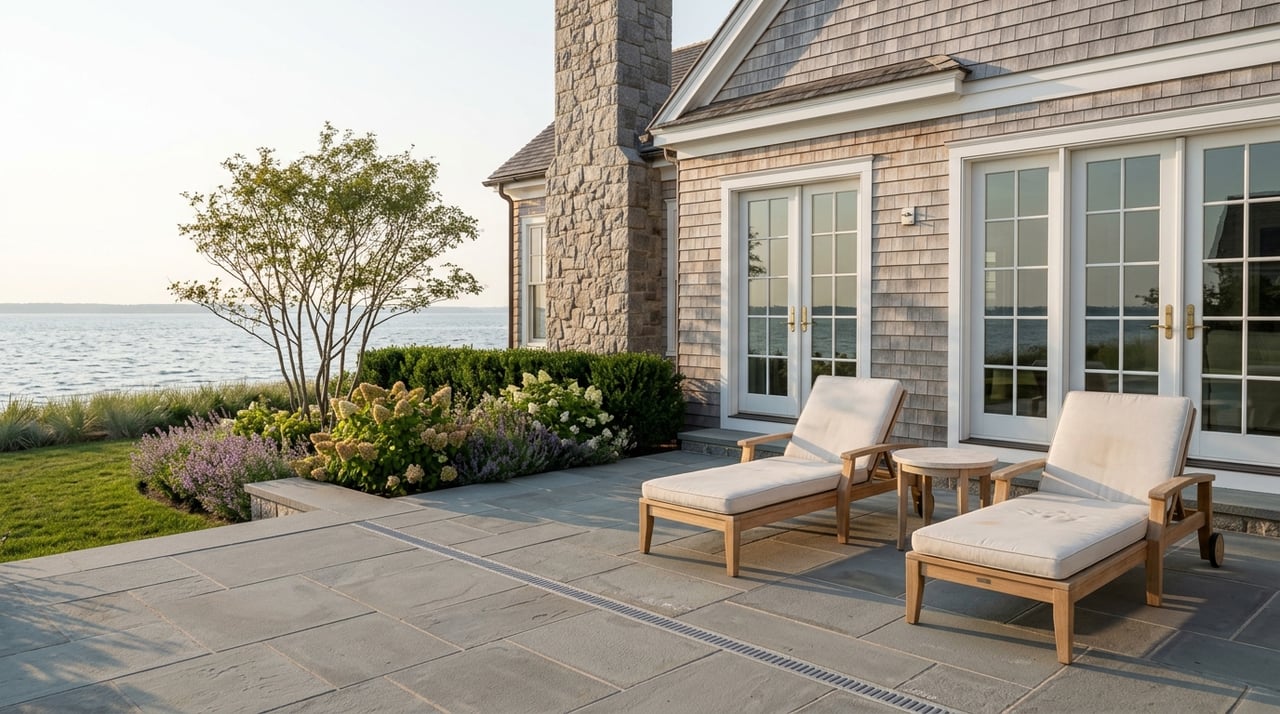
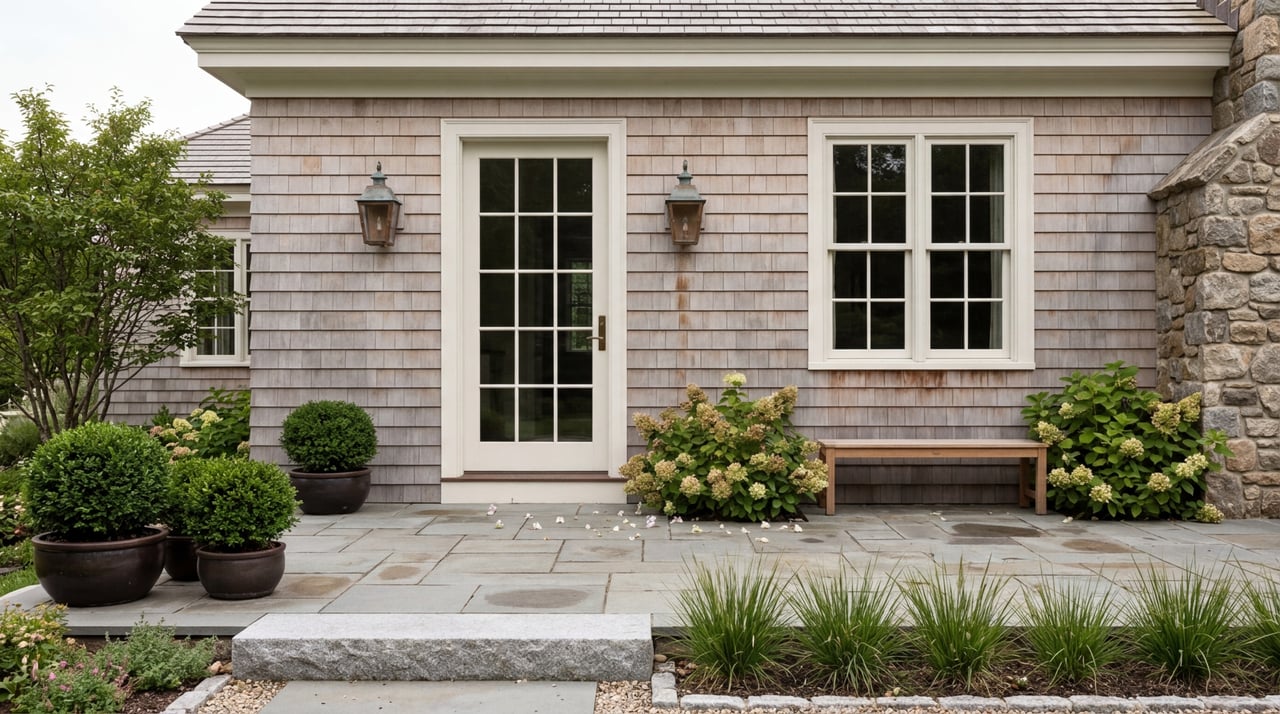
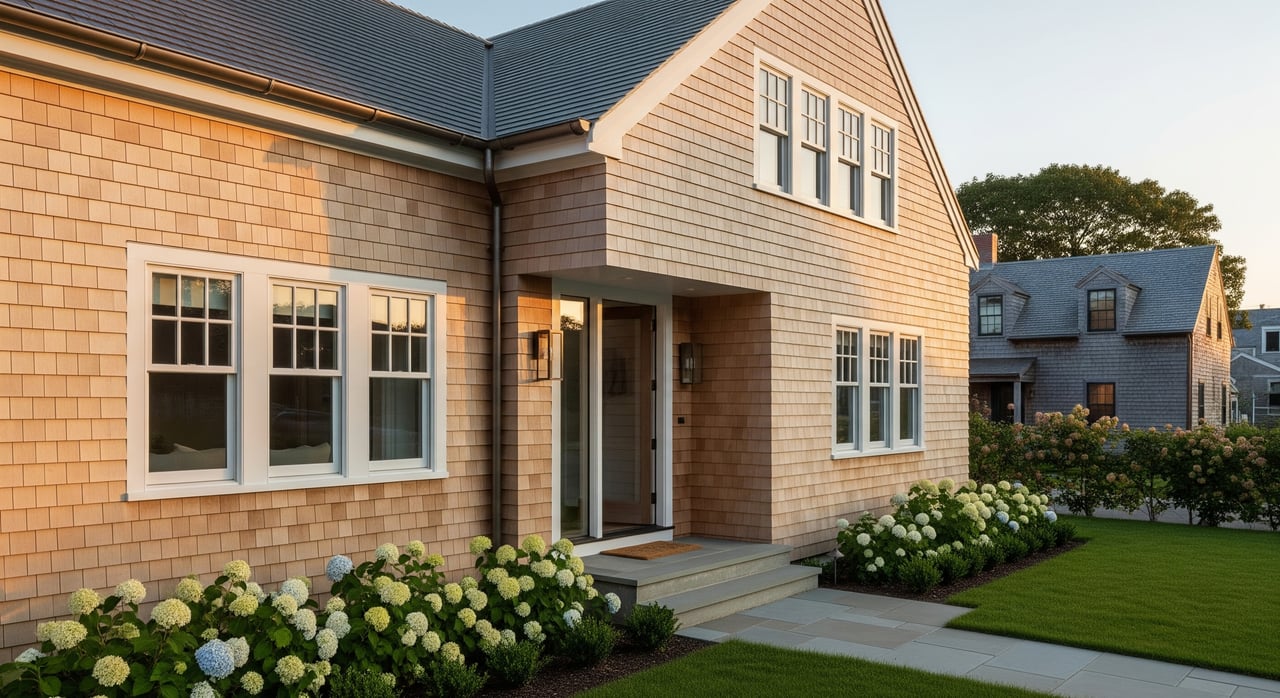
- Cedar shingles and painted wood clapboards are the most historically appropriate.
- High-quality composites or engineered wood may be acceptable if profiles and textures match traditional examples, including cornerboard and trim details.
- Vinyl siding is often discouraged on principal elevations.
Roofing
- Wood shingles are traditional.
- Architectural asphalt shingles are commonly accepted if the color and scale are appropriate.
- Metal roofing may be acceptable when low-profile and non-reflective on secondary elevations. Avoid bright, highly reflective metals facing the street.
Windows and doors
- Retain and repair original wood sash when possible.
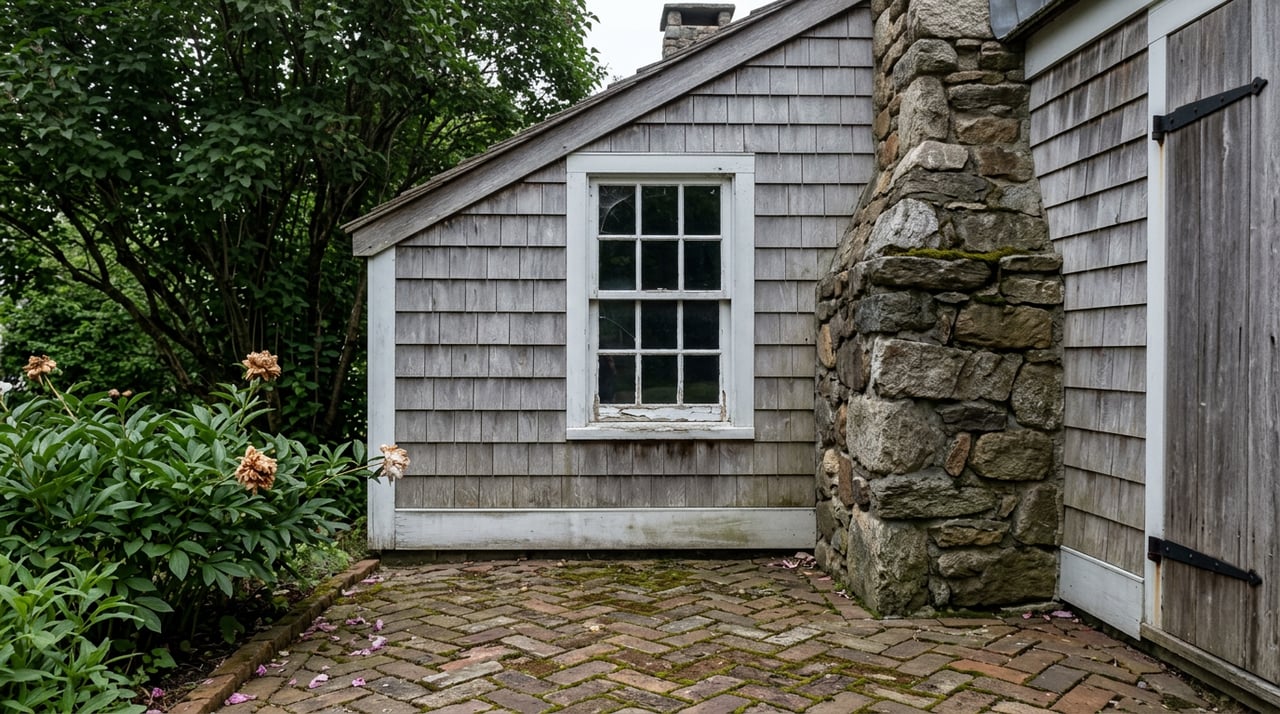
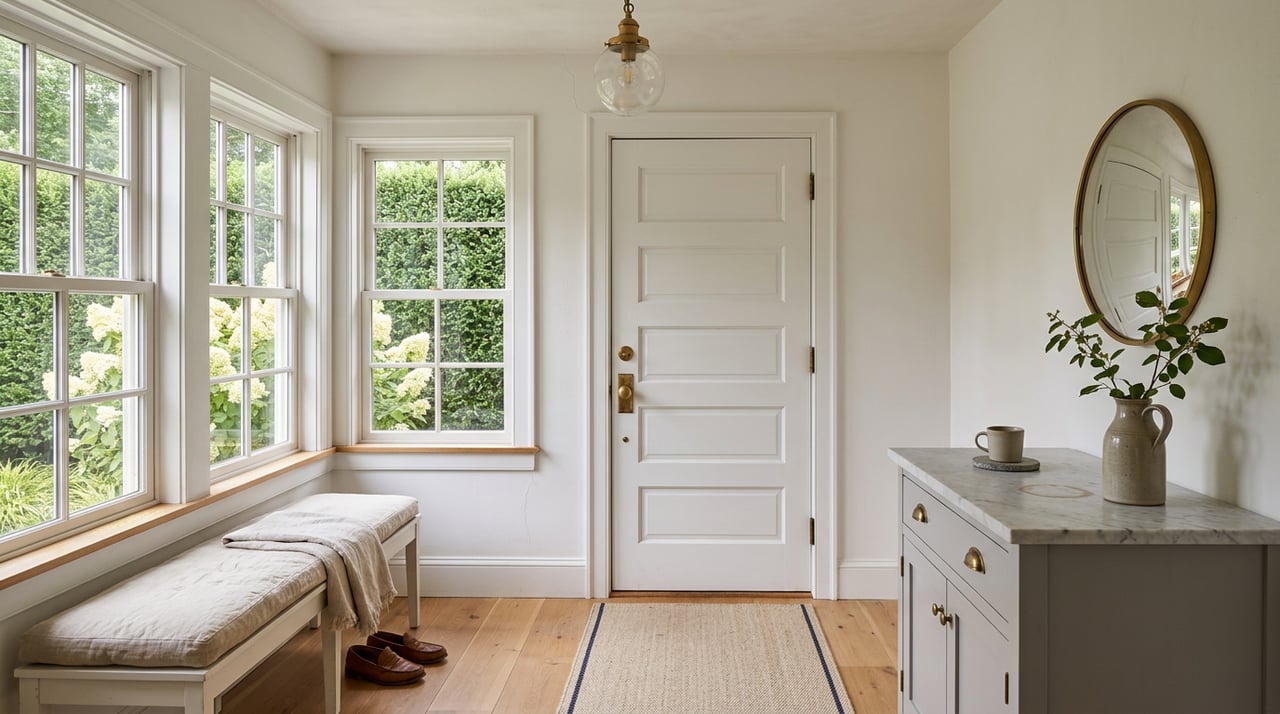
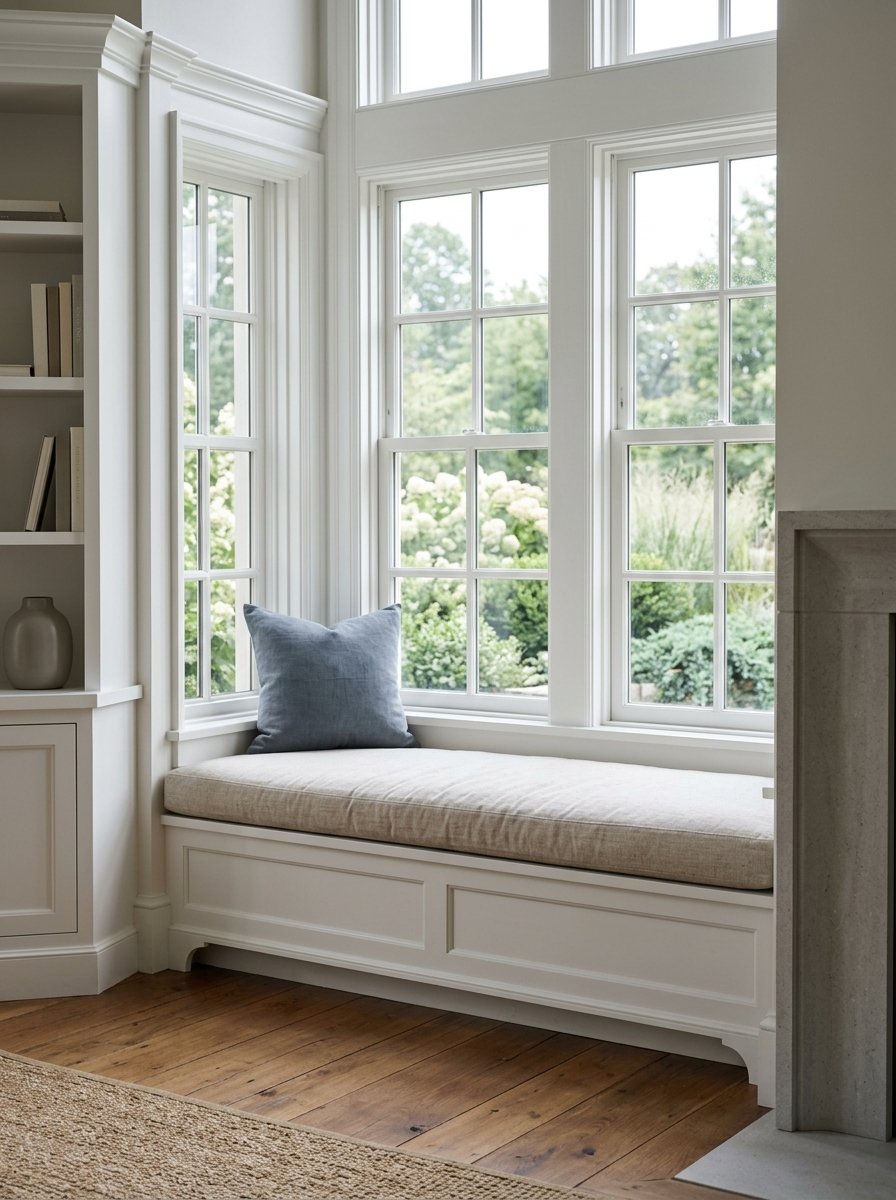
- If replacement is necessary, use wood or wood-clad units with muntin profiles and divided lights that match historic proportions. True divided lights or high-quality simulated divided lights are preferred.
- Full replacement with factory vinyl sash is often resisted on principal facades.
- Maintain period-appropriate door styles. Avoid modern full-glass doors on the primary elevation.
Porches and architectural details
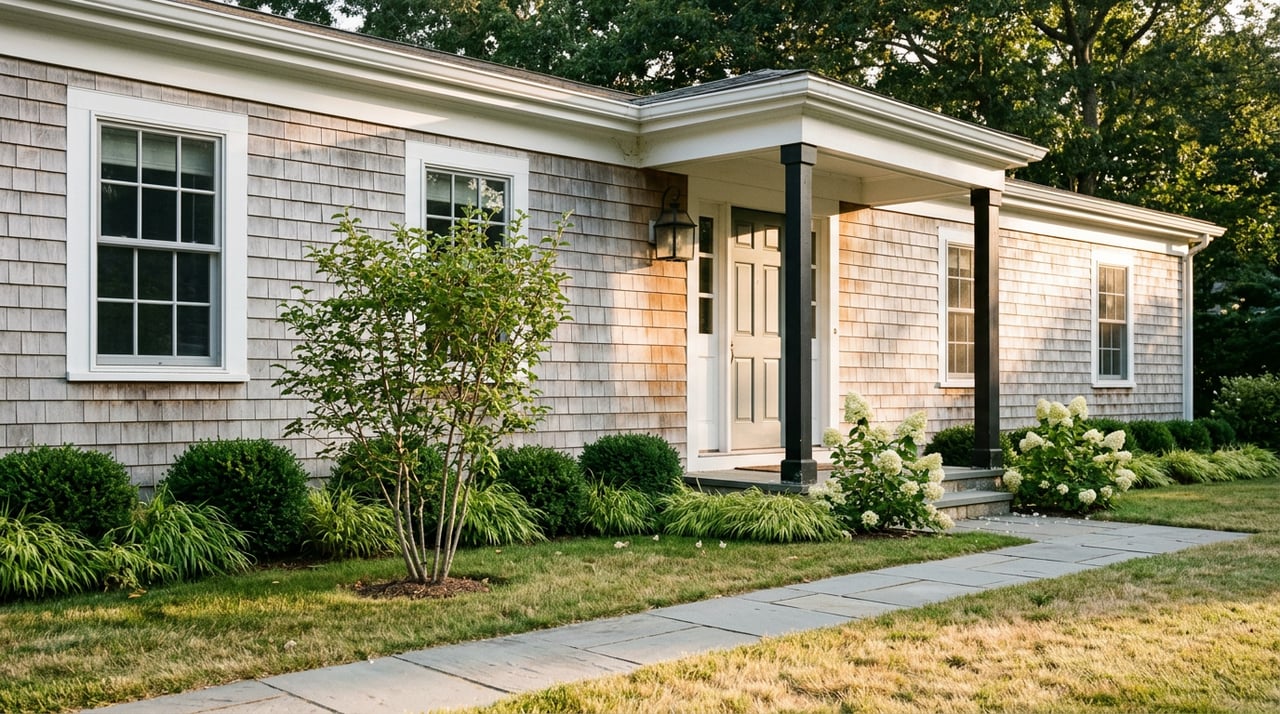
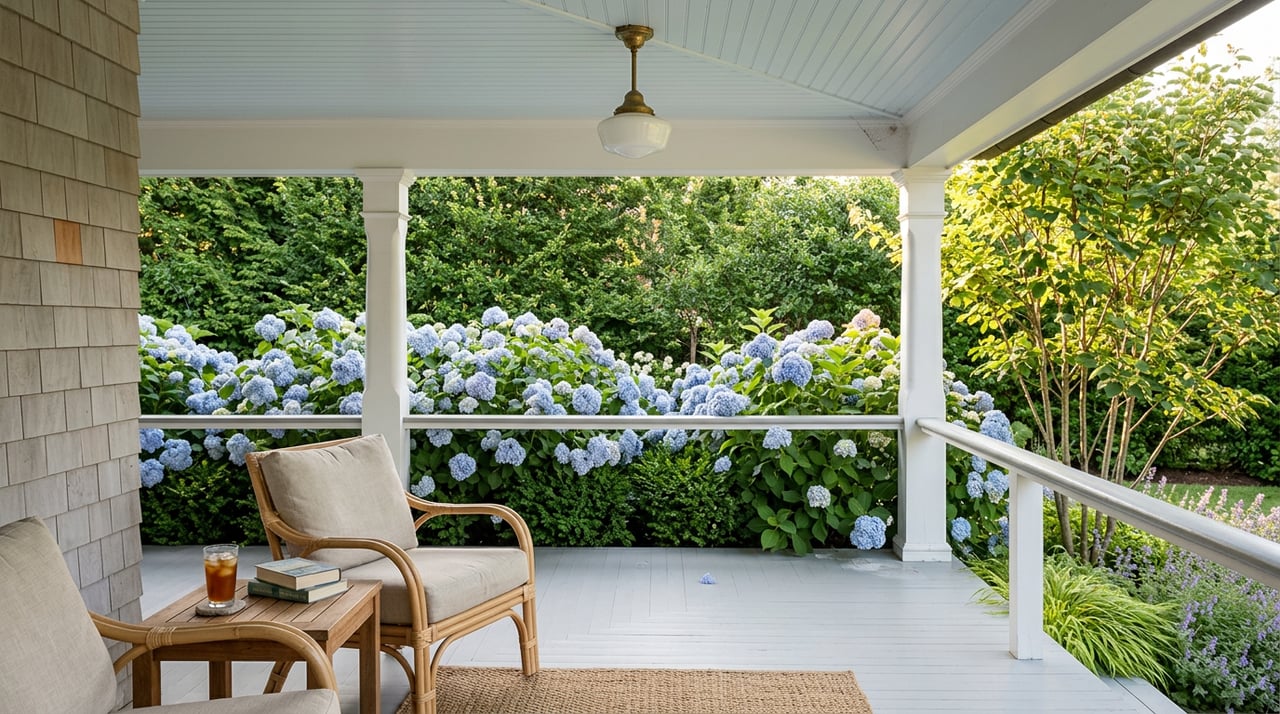
- Repair rather than remove porches and steps.
- Match existing trim profiles for cornices, cornerboards, and eave returns.
- Choose railing and baluster profiles consistent with local historic precedents.
Paint colors
- Historically appropriate palettes tend to include whites, creams, grays, muted earth tones, and traditional blues or greens.
- Bold contemporary schemes facing the street may require strong justification.
Fences and site features
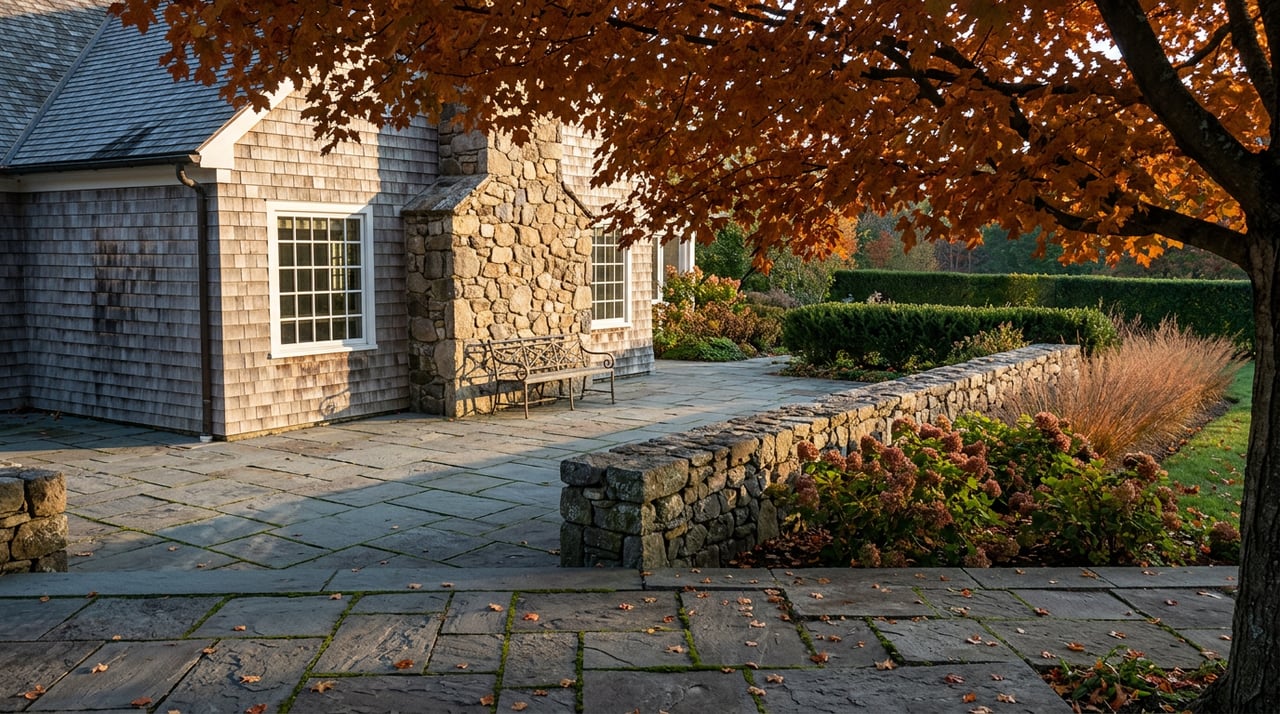
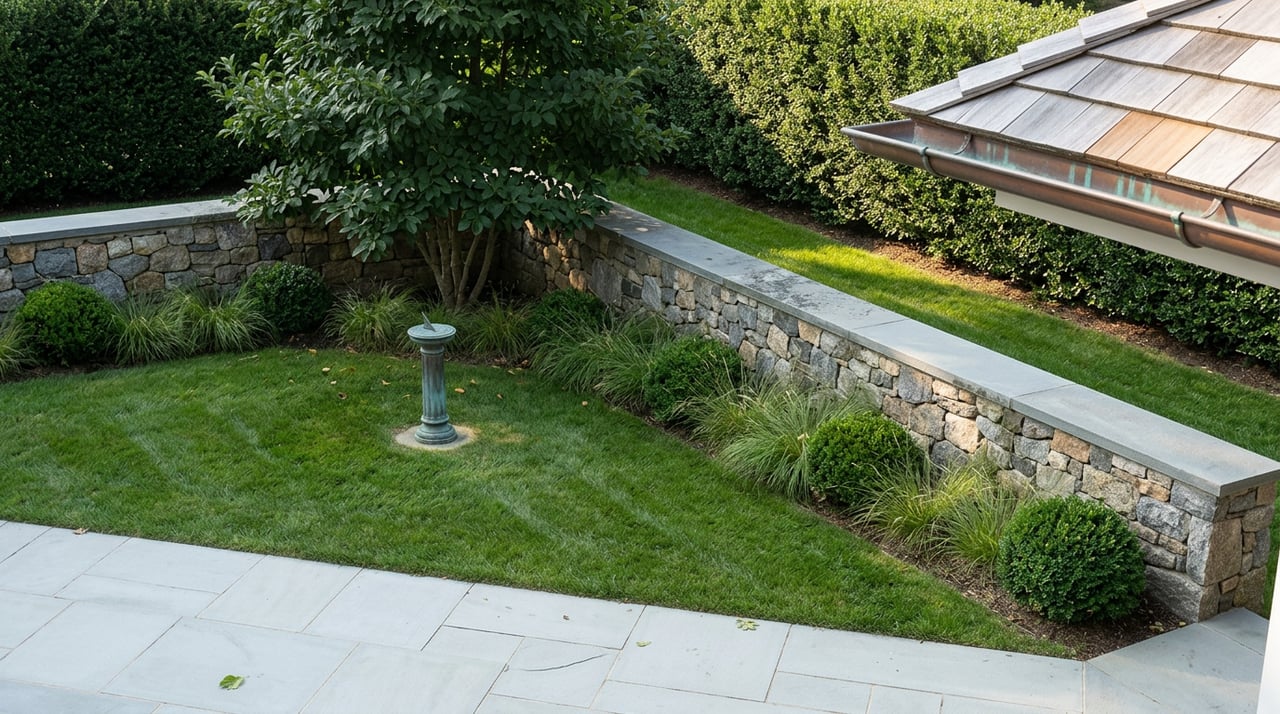
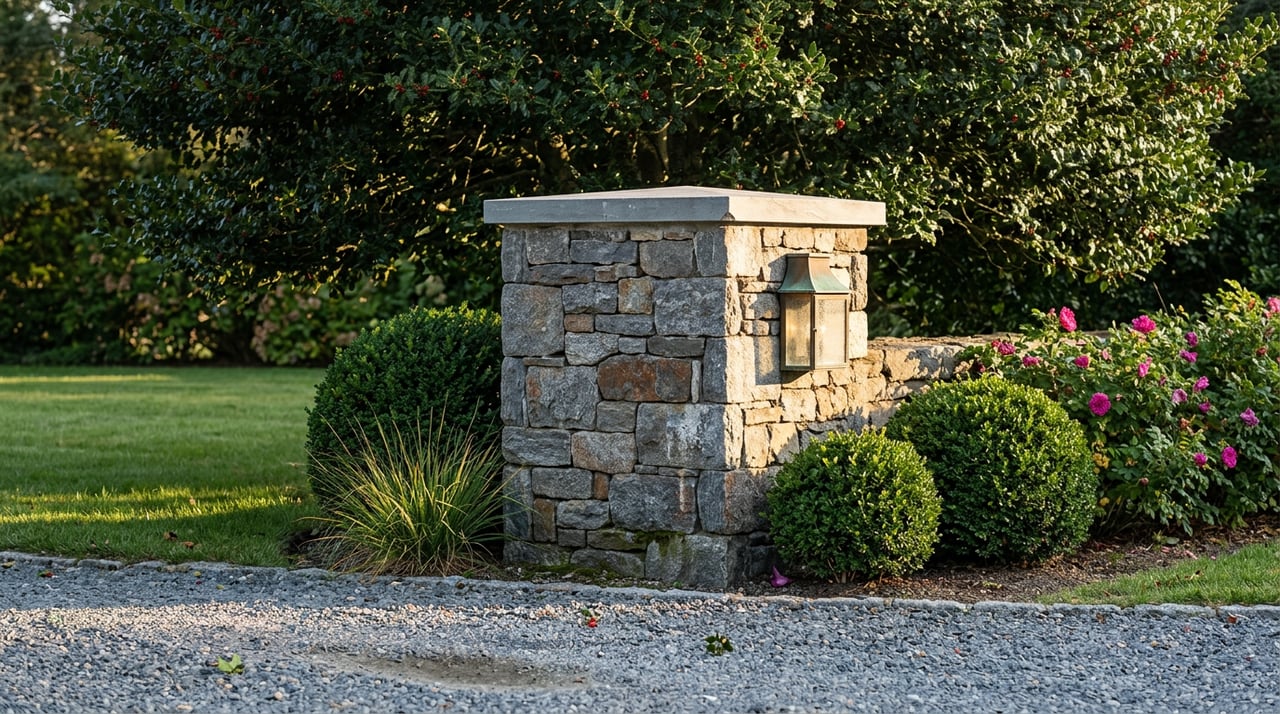
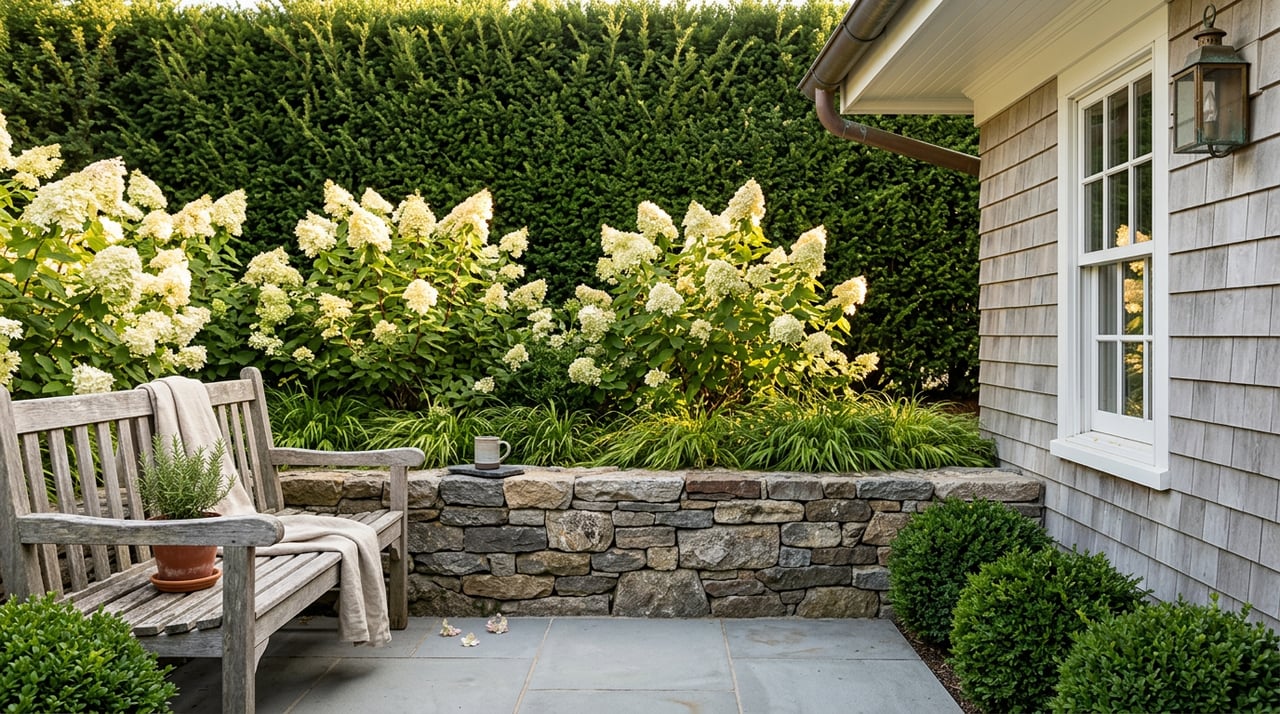
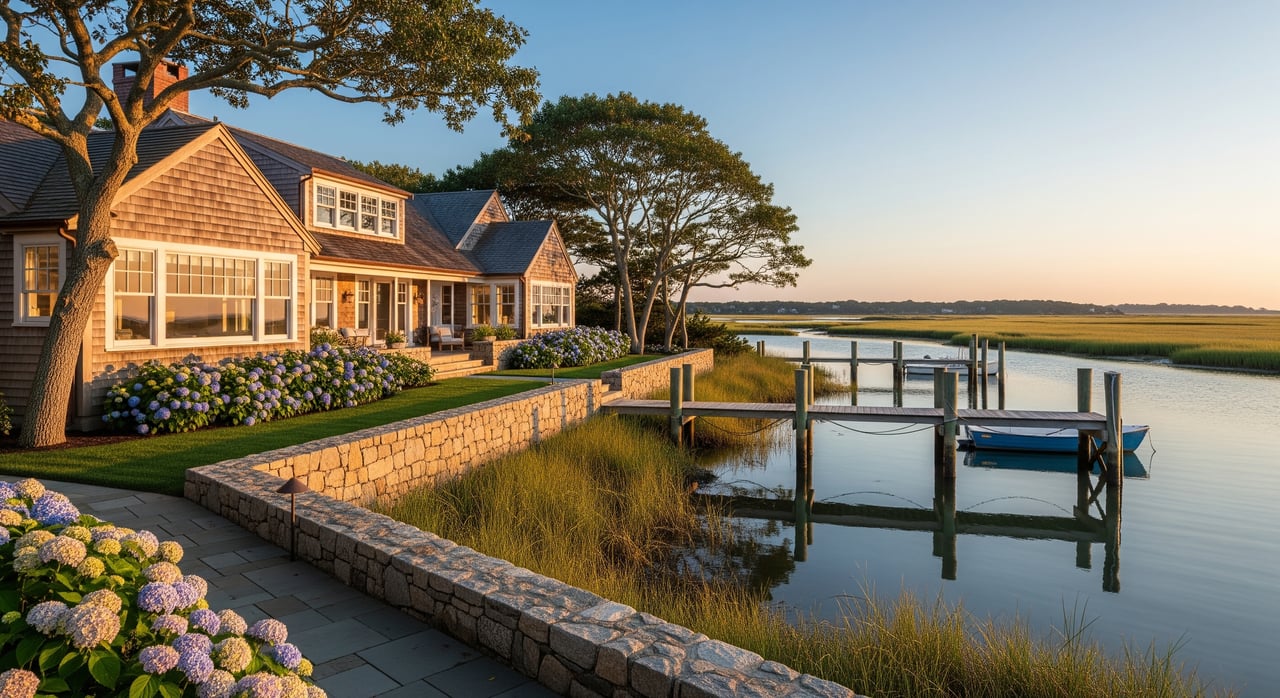
- Low picket fences and natural stone walls are common and compatible.
- Tall contemporary privacy fences facing the street are often discouraged.
Solar panels and mechanicals
- Place solar panels on rear or low-visibility roof slopes and mount them flush to the surface.
- Screen HVAC units and other exterior equipment from street view when possible.
Performance and sustainability
You can improve comfort and efficiency while respecting the exterior appearance.
- Consider interior insulation, weather-stripping, and storm windows with compatible profiles.
- For energy upgrades or moisture management, consult technical guidance such as the Secretary of the Interior’s Standards for Rehabilitation and National Park Service Preservation Briefs.
How the approval process works
Plan your timeline with hearings and permits in mind. The steps below are typical, though names of forms may vary.
- Pre-application inquiry or staff conference
- Schedule an early conversation to identify potential issues, visibility questions, and likely outcomes.
- Prepare your application package
- Include a site plan, photos of all elevations and context views, scaled drawings of proposed work, and material samples or product literature. For additions, provide floor plans, elevations, rooflines, and sightline photos from the public way. Include paint chips and detail sheets for windows, trim, and railings.
- Submission and public notification
- Your application is scheduled for a public meeting or hearing. Neighbors may be notified or hearings posted.
- Public meeting and commission review
- Present your proposal. Commissioners may request clarifications or revisions.
- Decision
- Outcomes can include approval as submitted, approval with conditions, continuance for more information, or denial.
- Follow-up permits
- After approval, secure building permits and any required conservation or zoning approvals. Work must follow the commission’s conditions and building code.
Timeline expectations
- Straightforward maintenance can sometimes be resolved in a single meeting after a brief staff review.
- Visible additions, new dormers, or demolition proposals often take longer and may require multiple meetings.
- Plan for parallel processing with the Building Department. Do not start exterior work until all approvals are in hand.
Special cases
- Demolition or partial demolition often triggers extra scrutiny and may involve demolition-delay policies or separate procedures.
- Emergency repairs for safety should be reported promptly. Most commissions allow stabilization with retrospective permitting to follow.
A practical plan for your project
Use this checklist to move from idea to approval with minimal friction.
Pre-purchase due diligence
- Confirm district boundaries and whether the property is within the Old King’s Highway Historic District.
- Ask the seller or agent for prior Historic District Commission approvals that may guide or limit changes.
- Check for preservation restrictions, easements, or deed conditions.
Before design work
- Meet with commission staff for a pre-application consultation.
- Document existing conditions with thorough photos from the street and close-ups of historic elements.
- Engage a contractor or architect experienced with Barnstable’s historic review process.
Preparing a strong application
- Provide clear, scaled drawings and sightline photos from Route 6A and nearby public ways.
- Include material samples and product literature for siding, roofing, windows, doors, and trim.
- Explain energy upgrades and how you will minimize visual impact from the street.
Working with trades and materials
- Hire craftspeople familiar with wood shingles, traditional sash, and historic trim profiles.
- If proposing composites, document how the profile, reveal, and texture match historic precedents.
- For solar or mechanicals, plan for rear or screened locations and provide details on mounting and screening.
If you expect debate or complexity
- Bring alternatives that preserve the primary facade and key sightlines.
- Be ready for more than one meeting and phased approvals if helpful.
- Consider staging: prioritize front-facing restoration first to build consensus, then proceed with set-back additions.
Costs and expectations
- Historic-sensitive materials and skilled labor can cost more than standard replacements. Include contingencies.
- Time is a real cost. Start planning months before your desired start date to accommodate hearings and revisions.
An example renovation roadmap
- Week 1 to 2: Confirm district status, schedule a pre-application meeting, and photograph existing conditions.
- Week 3 to 6: Develop drawings and gather product samples with your architect or contractor.
- Week 7: Submit your application and confirm the hearing date and public notice requirements.
- Hearing: Present your plans and be prepared to answer questions or accept reasonable conditions.
- After approval: Apply for building permits and coordinate any conservation or zoning reviews.
- Construction: Follow approved details closely. If field conditions require changes, consult staff before proceeding.
Use standards to support your case
When you present your plan, reference authoritative guidance. Commissioners rely on the Secretary of the Interior’s Standards for Rehabilitation and National Park Service Preservation Briefs for technical best practices. For state-level resources, consult the Massachusetts Historical Commission. For regional context on Cape Cod building traditions, organizations such as Historic New England offer useful reference material. Citing these sources strengthens your application and helps align your proposal with accepted preservation practice.
Final thoughts
Updating a home along Old King’s Highway is absolutely achievable when you plan early, respect public sightlines, and choose materials that fit Barnstable Village’s character. With a clear scope, the right team, and a well-prepared application, you can secure approvals and enjoy modern comfort that complements your home’s history. If you would like a discreet introduction to trusted local professionals or guidance on timing renovations with a purchase or sale, connect with Paul Grover to start a confidential conversation.
FAQs
What does “visible from a public way” mean in Barnstable’s Old King’s Highway District?
- If a change can be seen from Route 6A or nearby public streets, it typically requires review by the local Historic District Commission.
Do rear additions in Barnstable Village need historic approval?
- Rear work that is not visible from public ways may be treated differently, but rules vary by property and view angles, so confirm with staff.
Can I replace original windows with vinyl in the district?
- Commissions prefer repair of wood sash; if replacement is necessary, wood or quality wood-clad replicas with appropriate muntins are favored over vinyl on primary facades.
How long does historic approval usually take for exterior changes?
- Simple maintenance may be resolved in one meeting, while visible additions or demolition proposals often take longer and may span multiple meetings.
Are solar panels allowed on Old King’s Highway homes in Barnstable?
- Yes, when sited and mounted discreetly, such as on rear or low-visibility roof slopes and flush to the roof, with minimal street impact.
What should I do if emergency repairs are needed before a hearing?
- Notify the commission at once; most have procedures for emergency stabilization with follow-up permitting to document the work.