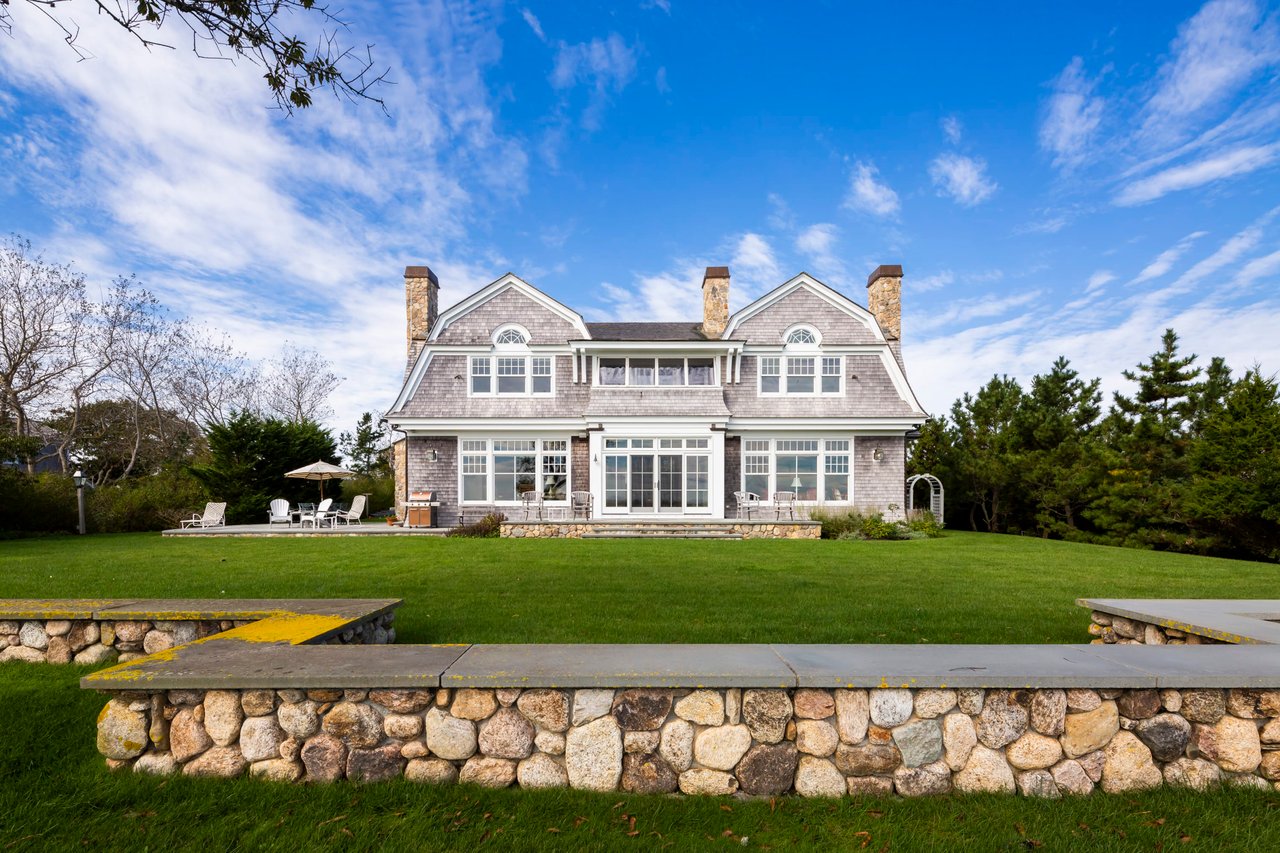
Selling a waterfront estate in Osterville is rarely a simple matter of listing the property and waiting for the right buyer. These homes sit in a highly specialized luxury segment where pricing, timing, documentation, coastal risk, and presentation all carry unusual weight. If you want to protect value, reduce surprises, and move forward with confidence, the work starts well before the home reaches the market. Let’s dive in.
Understand the Osterville micro-market
A waterfront estate in Osterville should not be measured only against broad town or county averages. Still, local market data offers useful context. According to Realtor.com’s 02655 market overview, Osterville had a median home sale price of $1.345 million, 34 active listings, and 110 median days on market in December 2025, while Barnstable County showed a median sale price of $849,000 and 80 median days on market.
For estate sellers, the key takeaway is simple: this is not a market where presentation mistakes are easily forgiven. Buyers at the high end are selective, and time on market can vary widely. That makes strategic preparation especially important for waterfront properties with complex ownership histories, shoreline features, or privacy concerns.
Start earlier than you think
If you are targeting a spring launch, preparation should begin well in advance. Realtor.com’s 2026 best time to sell analysis found that the week of April 12 through 18 offers the best national balance of price, demand, and pace, and that homes listed then historically spent 17% less time on market and received 16.7% more listing views. The same report notes that Boston’s spring market often begins in early to mid-March, which is a helpful signal for coastal Massachusetts sellers.
For an Osterville waterfront estate, readiness matters more than a perfect calendar date. High-end Cape Cod sales have shown long and uneven marketing timelines, with Cape Cod luxury market data reporting a 120-day median days on market in Q1 through Q3 2025 and a range from 0 to 801 days. In practical terms, many sellers should plan on 3 to 6 months of preparation before launch.
Build your title and property file
One of the most important pre-listing steps is gathering a complete and organized property file. Waterfront buyers often look closely at title history, access rights, shoreline improvements, and prior approvals. If those details are missing or unclear, they can slow negotiations or create avoidable concern.
Before going live, aim to collect:
- Current deed
- Prior deed chain
- Existing survey
- Easements and rights-of-way
- Conservation restrictions, if any
- Permit history
- Dock, pier, seawall, or shoreline authorizations
- Maintenance records for major systems and exterior features
This preparation matters because much of the information can be checked independently. The Barnstable County Registry of Deeds notes that deed records are public and indexed by name, and the Town of Barnstable provides public assessor and permit tools. In other words, buyers and their advisors may review the record closely, whether or not those details appear in the marketing materials.
Review flood and coastal risk early
For any waterfront estate on Cape Cod, flood and climate risk review should happen before the property is listed. This is not only about disclosure and buyer confidence. It also helps you anticipate insurance questions, pricing conversations, and improvement decisions.
The official place to confirm flood hazard mapping is FEMA’s Flood Map Service Center. At the broader planning level, Mass.gov coastal projections note that sea level along Massachusetts coasts is projected to rise 0.6 to 1.1 feet by 2030 and 2.3 to 4.2 feet by 2070 relative to 2000 levels. Barnstable’s planning resources also point to local climate and hazard planning focused on flooding and coastal erosion.
This does not mean every estate requires major work before sale. It does mean you should understand the property’s current conditions, any known vulnerabilities, and any resilience steps already completed. Clear documentation can help turn a concern into a well-managed conversation.
Confirm waterfront structures are documented
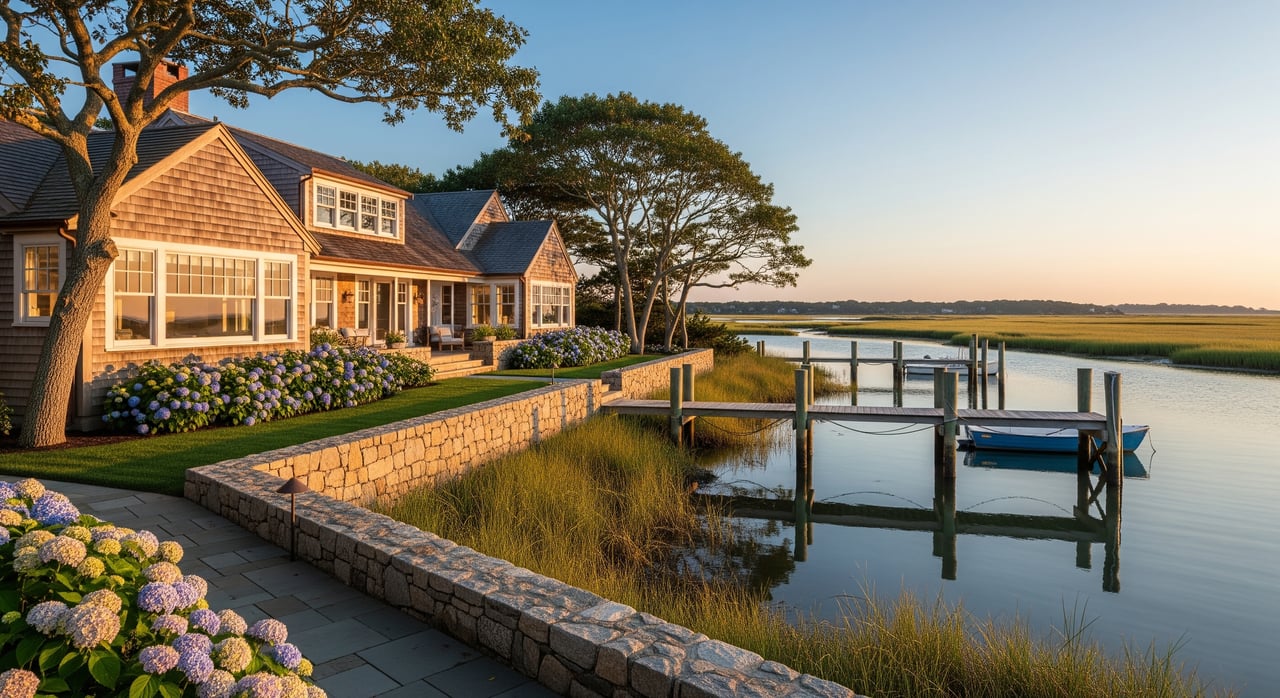
Docks, piers, floats, seawalls, riprap, and similar shoreline features deserve special attention. These elements can be among the most valuable and most heavily reviewed parts of a waterfront estate. If a structure is undocumented, outdated, or unclear in the record, it can create friction late in the process.
Massachusetts regulates many waterfront structures under Chapter 91. According to Mass.gov’s Chapter 91 guidance, this framework applies to items such as piers, wharves, marinas, boathouses, shoreline protection, floats, and seawalls, and certain coastal permits must be recorded with the Registry of Deeds within 60 days or they can become invalid.
If your estate includes any shoreline improvements, it is wise to review the documentation before marketing begins. A buyer may love the dock, but they will also want confidence that the paperwork supports it.
Decide how public the launch should be
Privacy is often a major concern with waterfront estate sales, especially for legacy properties, family transitions, or homes with a narrow buyer pool. At the same time, discretion and price discovery do not always point in the same direction.
The National Association of Realtors introduced Multiple Listing Options for Sellers, effective March 25, 2025, including a delayed marketing exempt listing. Under that framework, a property can be entered into the MLS while delaying public syndication and IDX exposure for a set period.
That gives sellers a more flexible path, but it is not automatically the best option. A more limited launch may make sense when confidentiality, security, or estate transition issues are the priority. If your goal is broader market competition and stronger price discovery, wider exposure is often the better fit.
Focus improvements on buyer objections
Estate-level sellers sometimes assume the best pre-sale strategy is a major renovation. In many cases, the most valuable work is simpler and more disciplined. Buyers respond well to homes that feel well-maintained, well-documented, and easy to step into.
The most defensible improvements are often the ones that remove friction, such as:
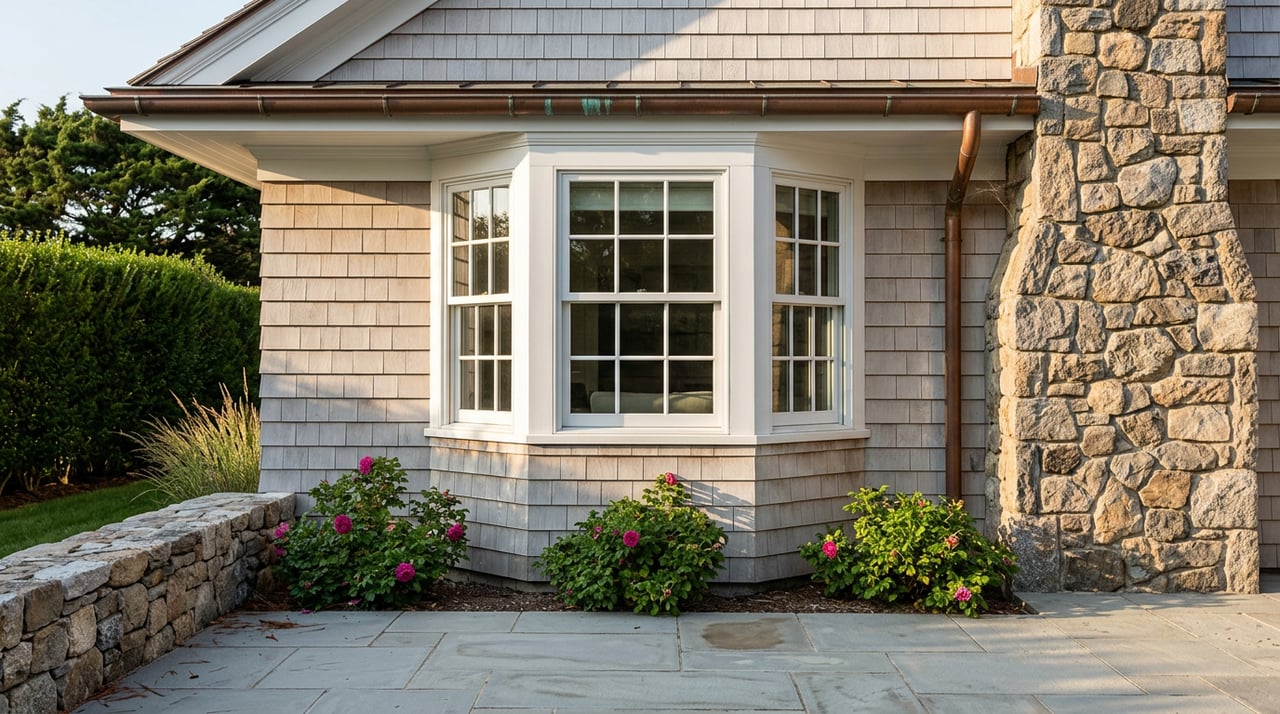
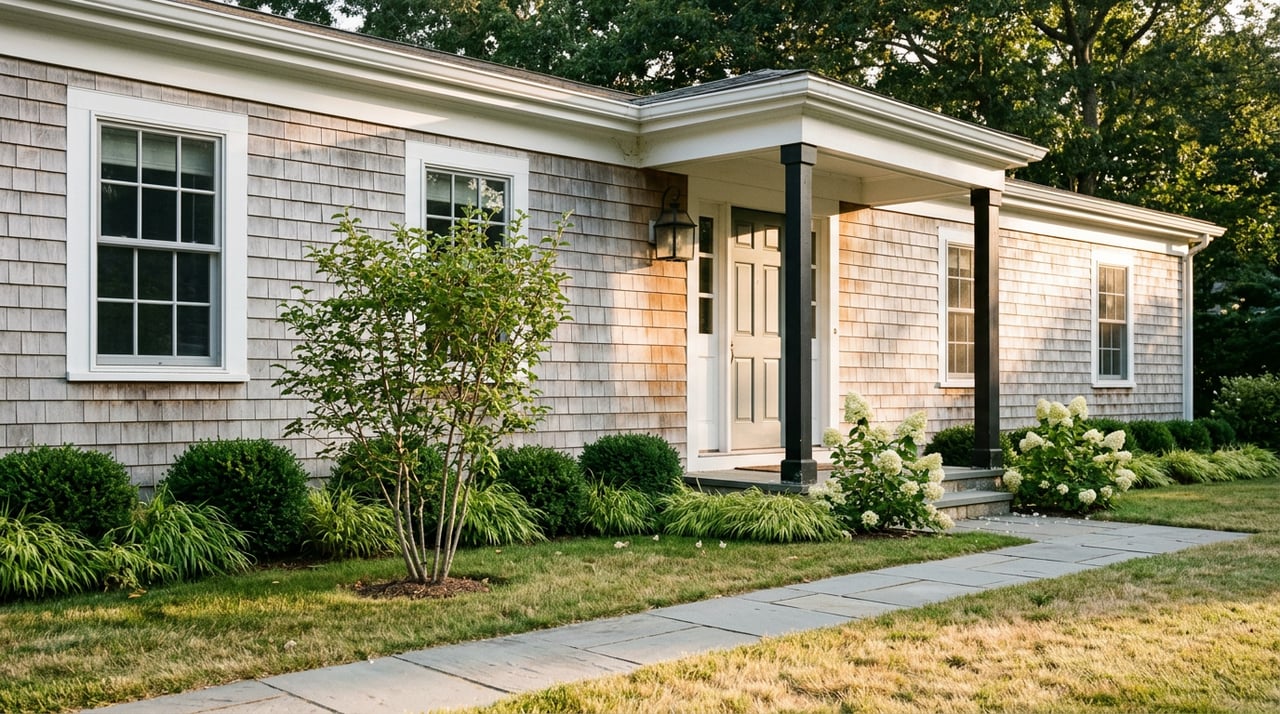
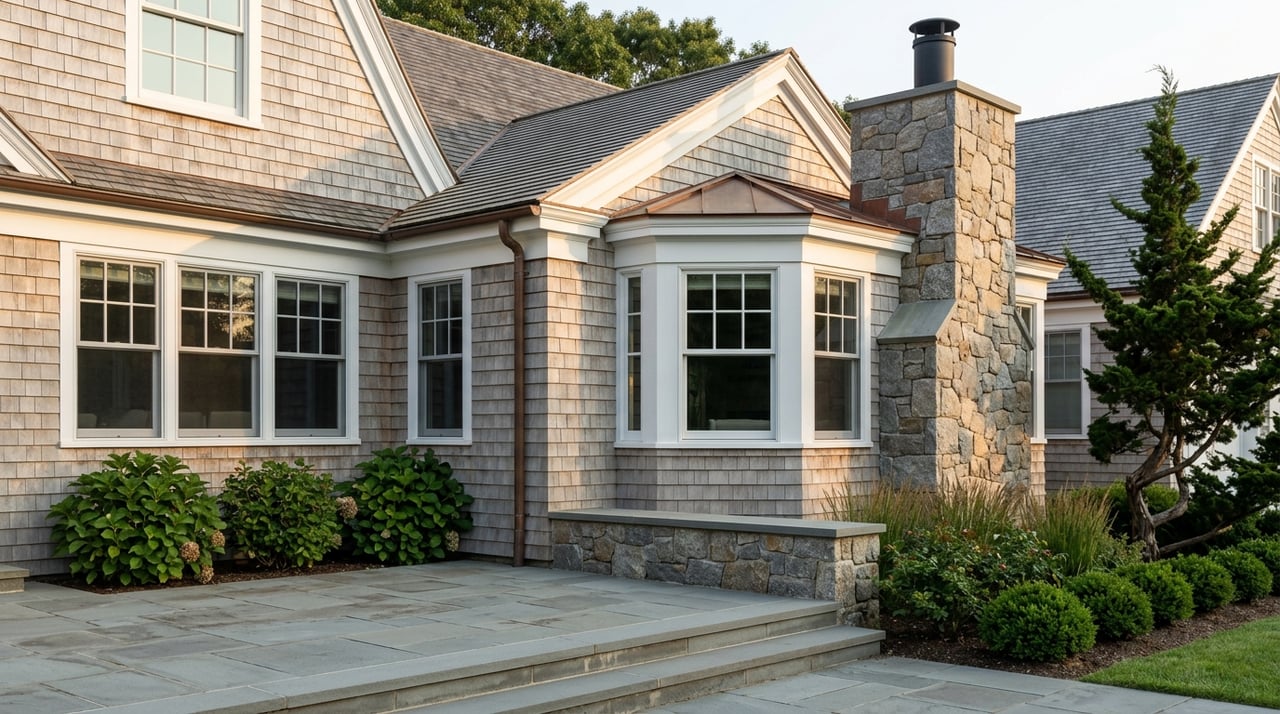
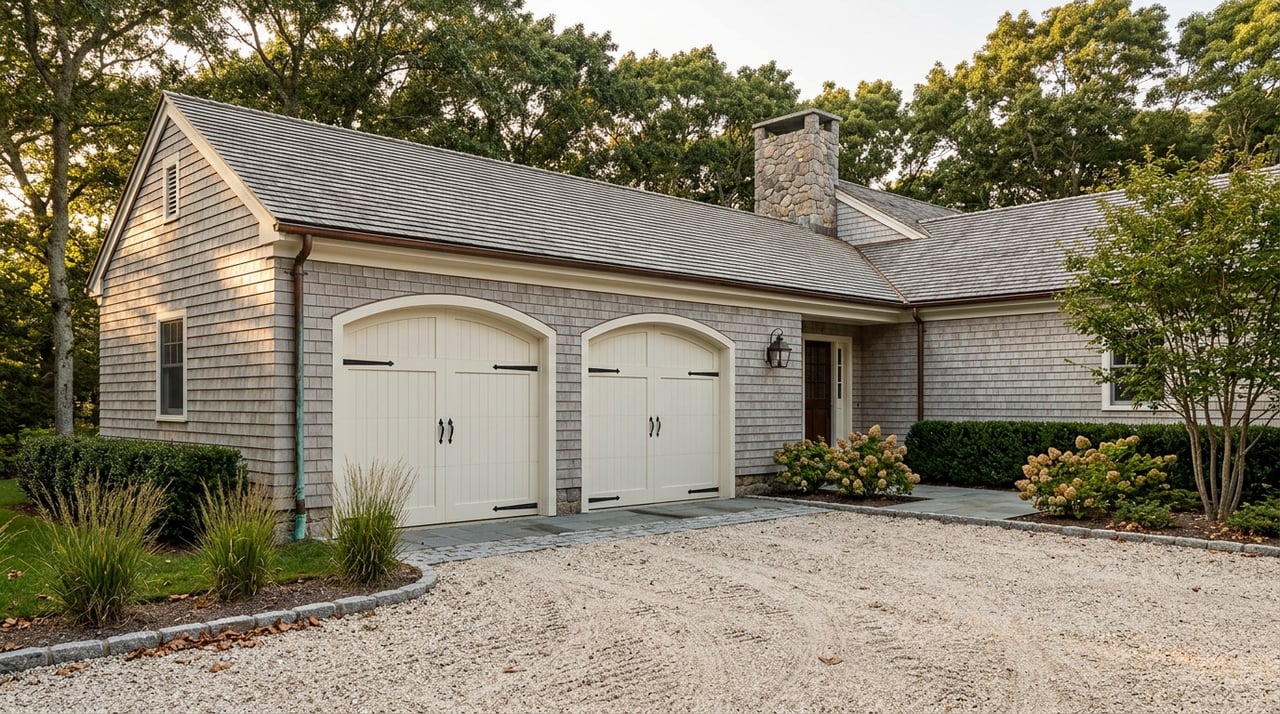
- Exterior repairs and paint touch-ups
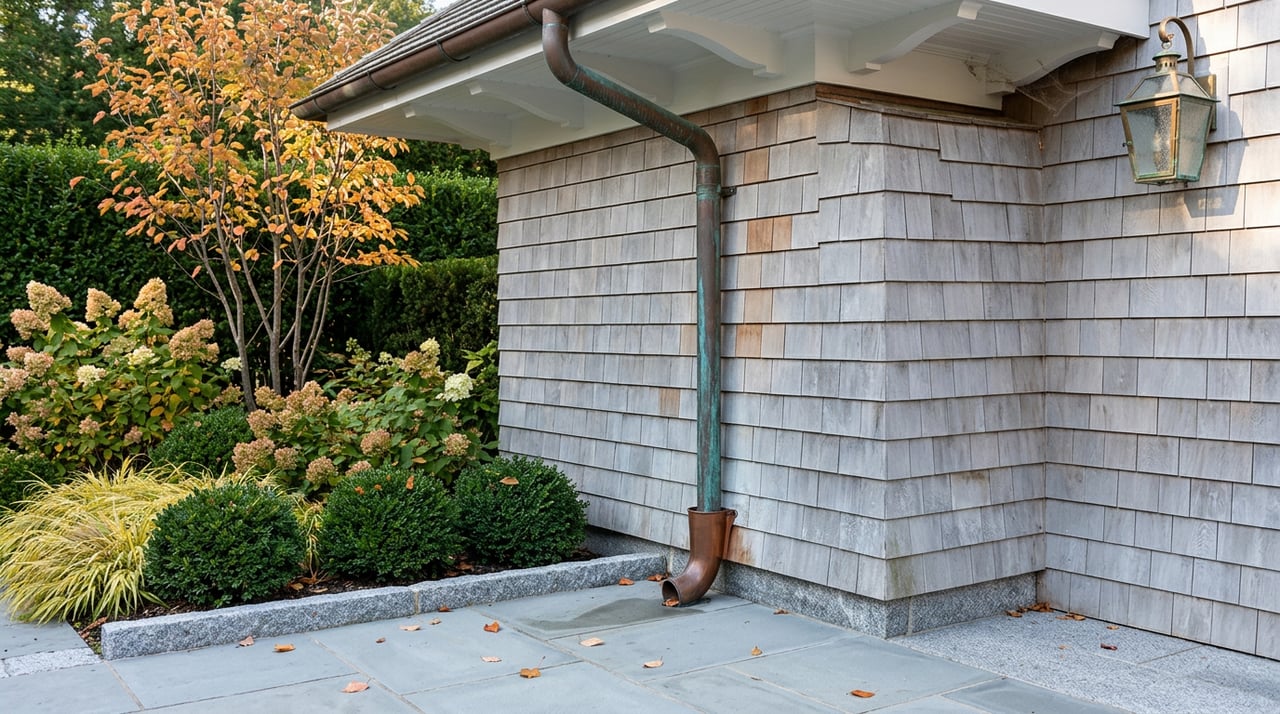
- Roof and gutter service
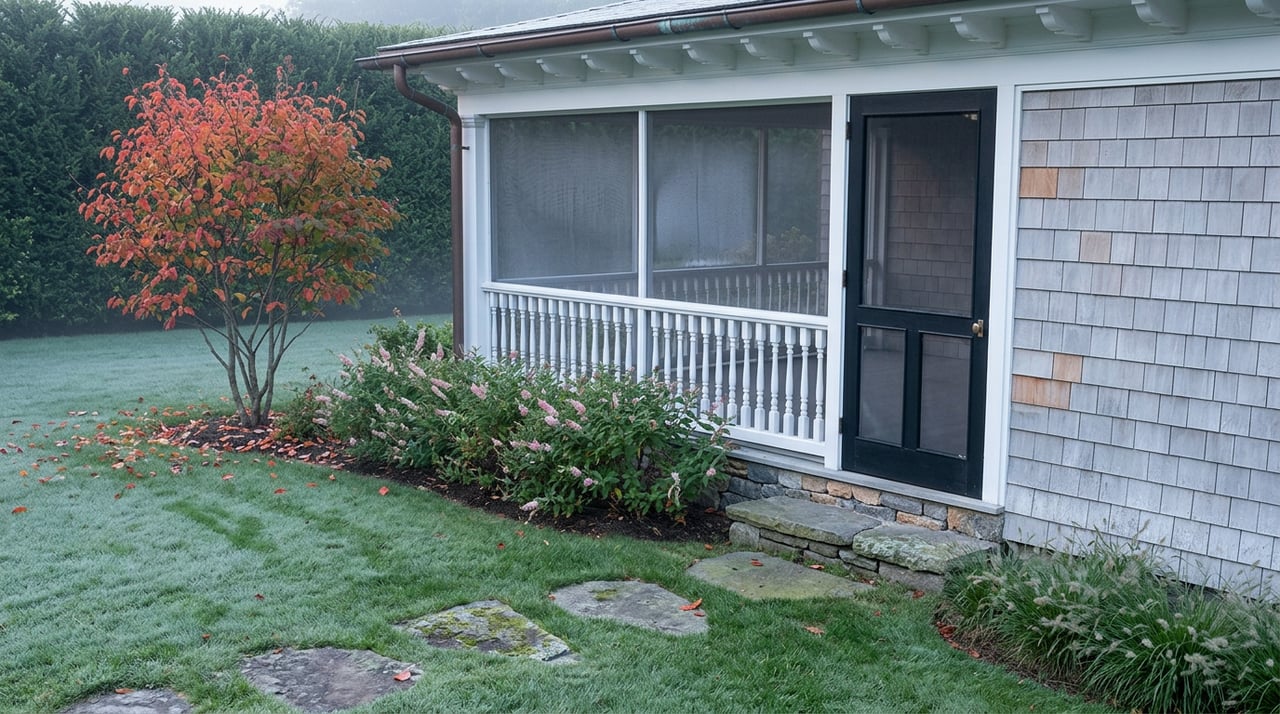
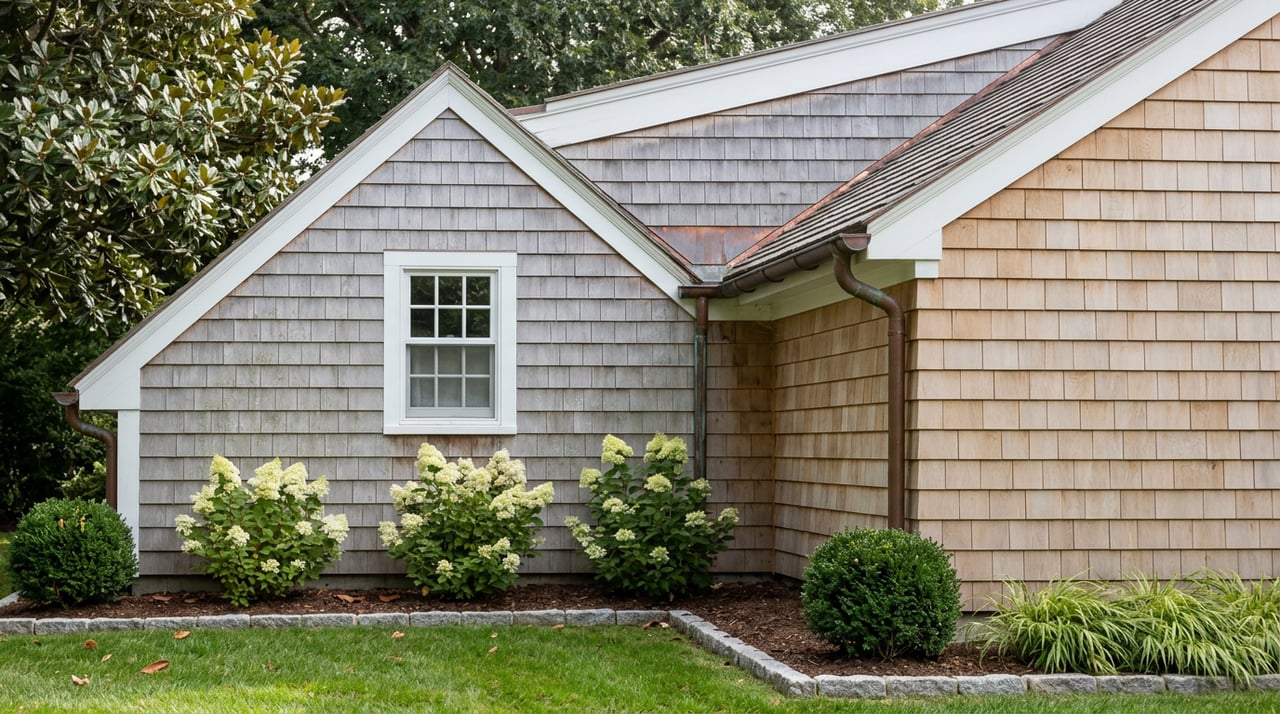
- Landscape cleanup and seasonal planting
- Outdoor lighting updates
- Window washing
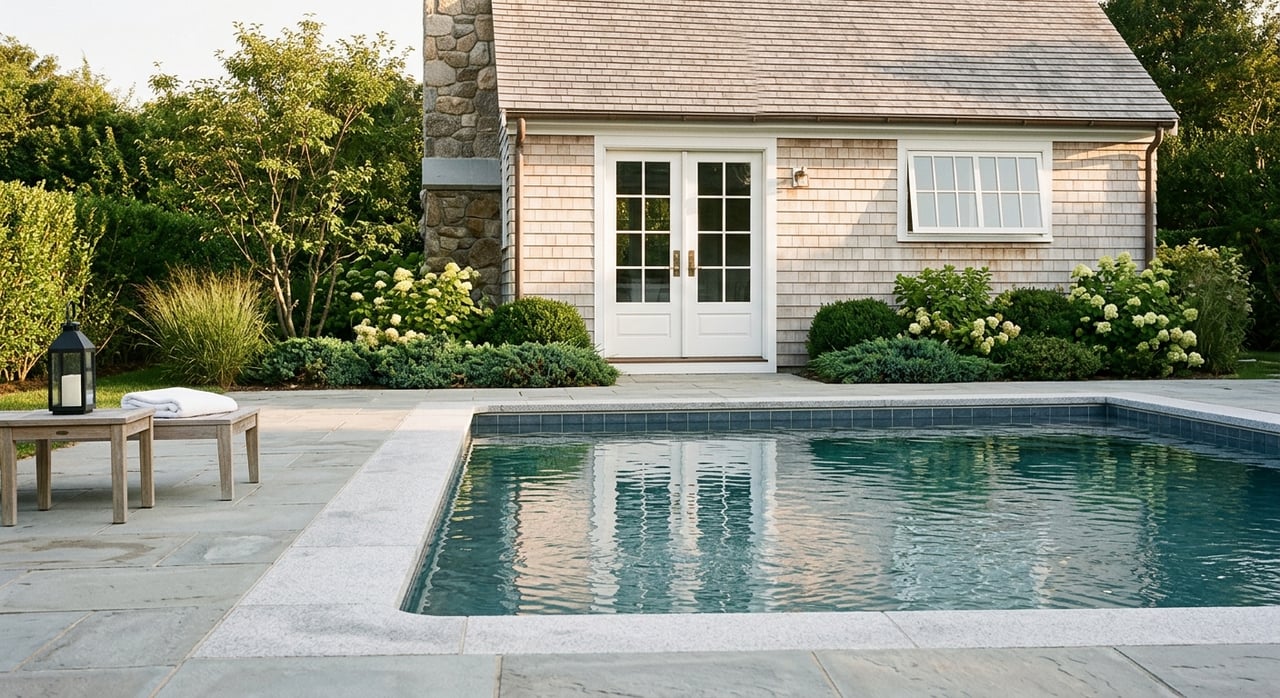
- Pool maintenance
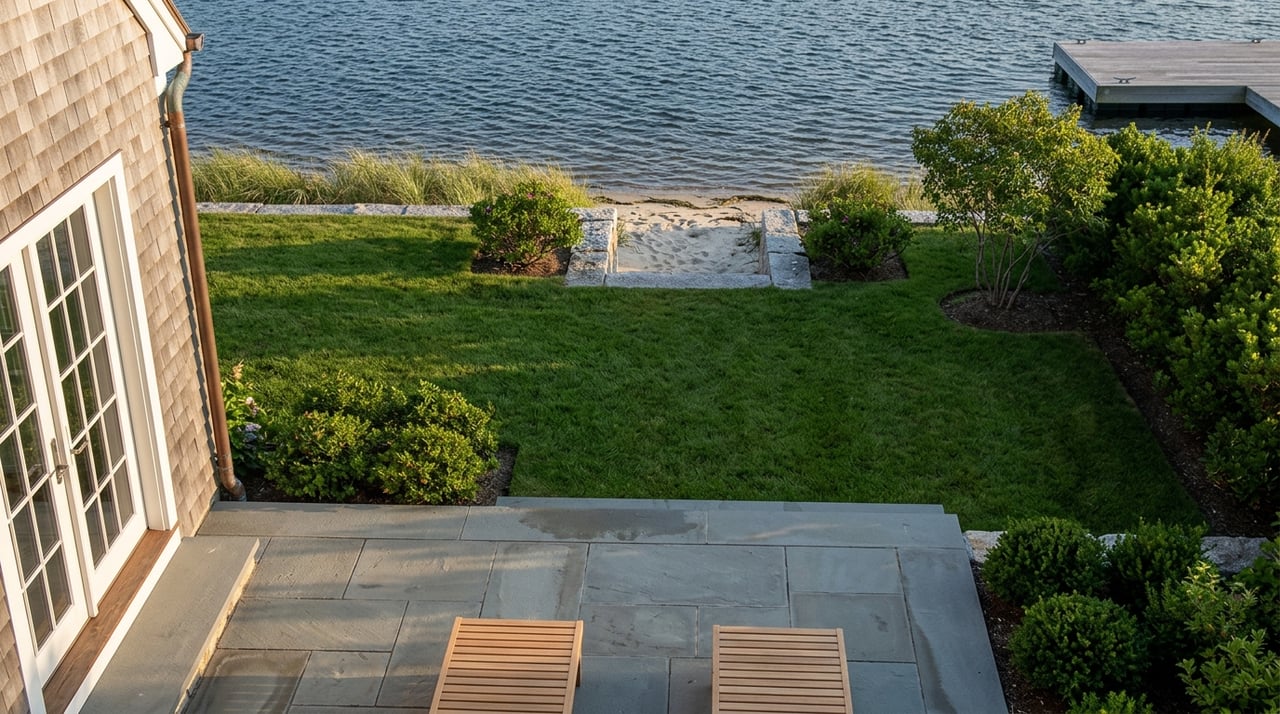
- Dock maintenance
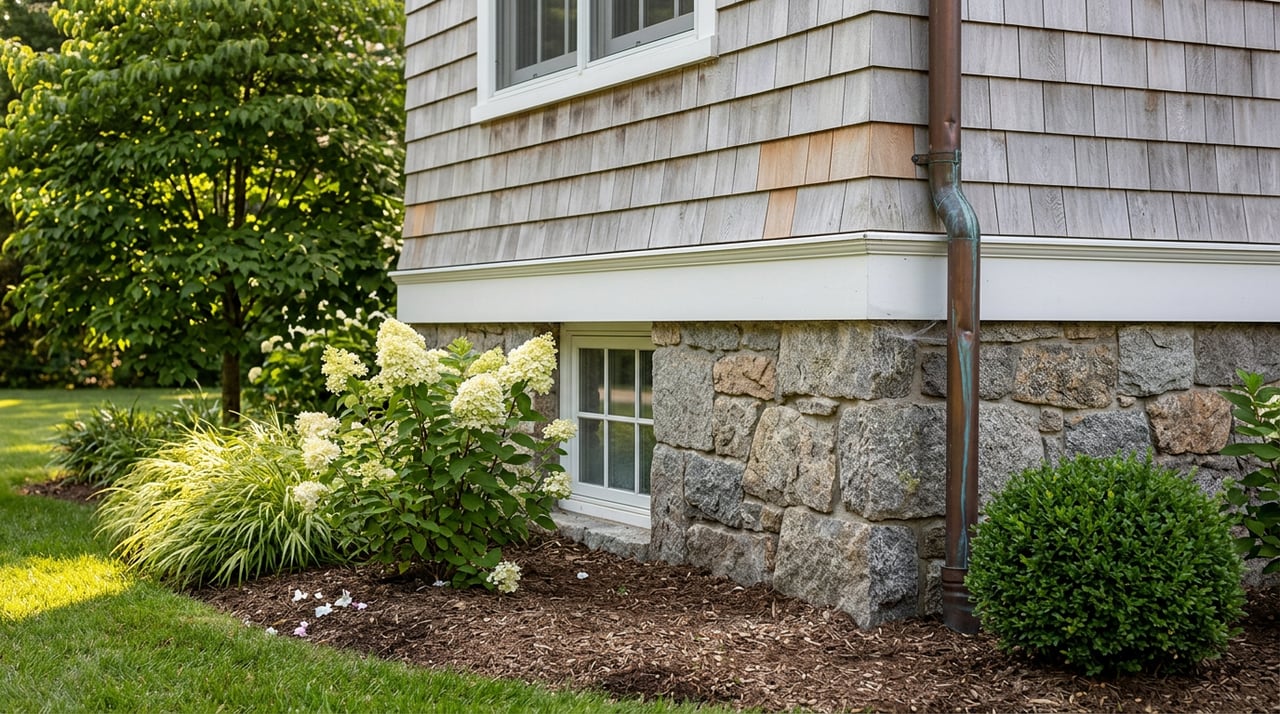
- Drainage corrections
- Organized records for prior work and permits
Cape Cod luxury data has shown that turnkey, expertly presented homes hold an advantage, while buyers remain alert to sea-level rise, storm impact, and insurance costs. The Cape Cod Commission’s flood area design guidance also supports resilience-minded strategies such as retrofit, elevation, and barriers where appropriate.
The goal is not to overspend. The goal is to present a waterfront estate that feels cared for, credible, and ready for serious review.
Prepare the property for photography
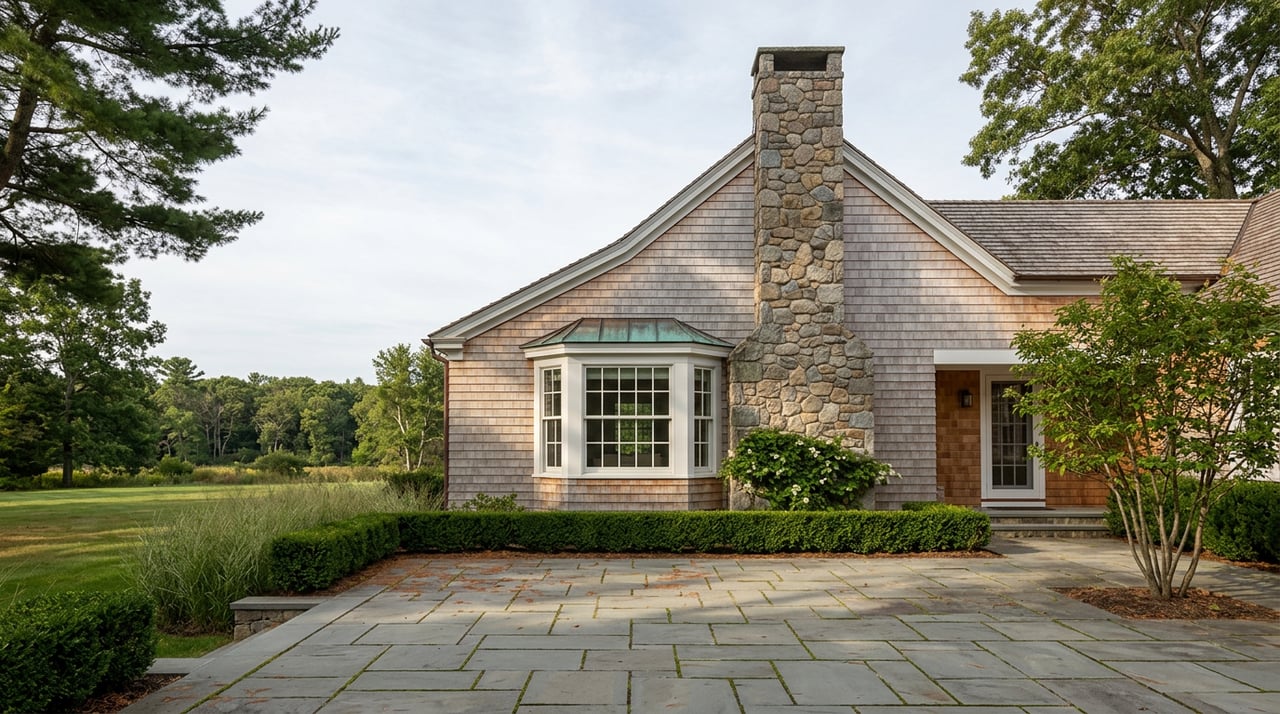
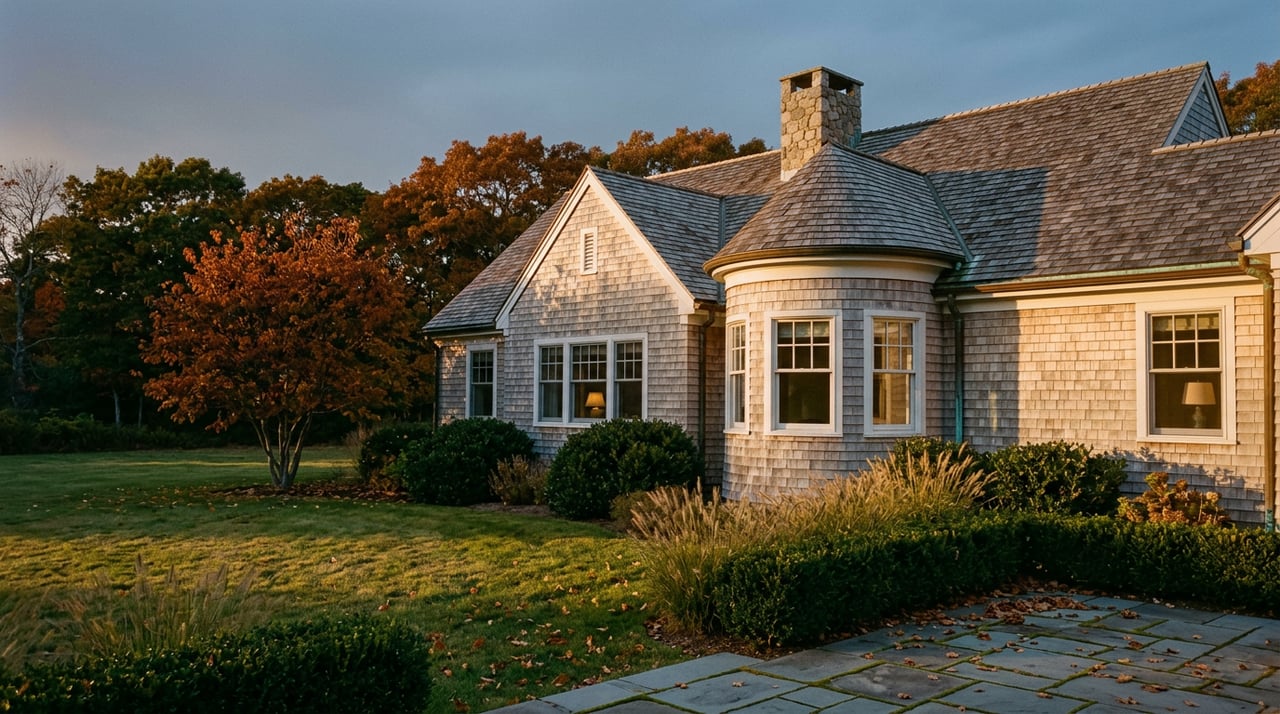
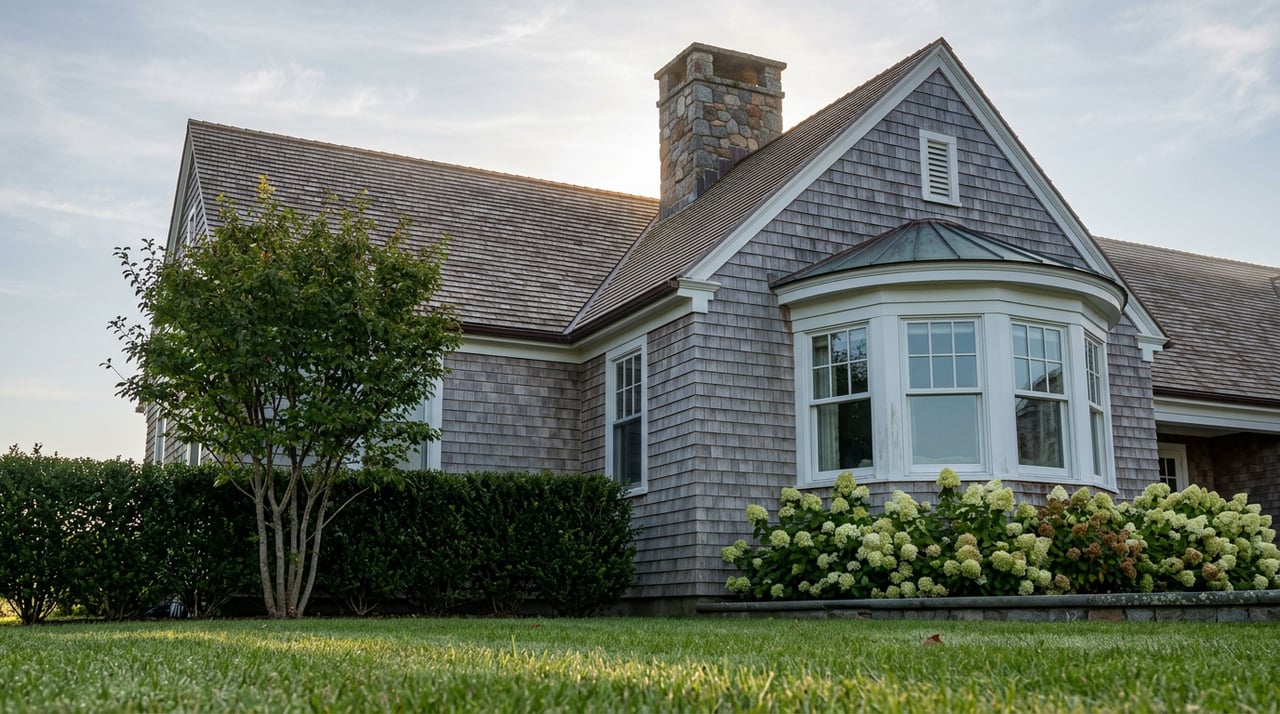
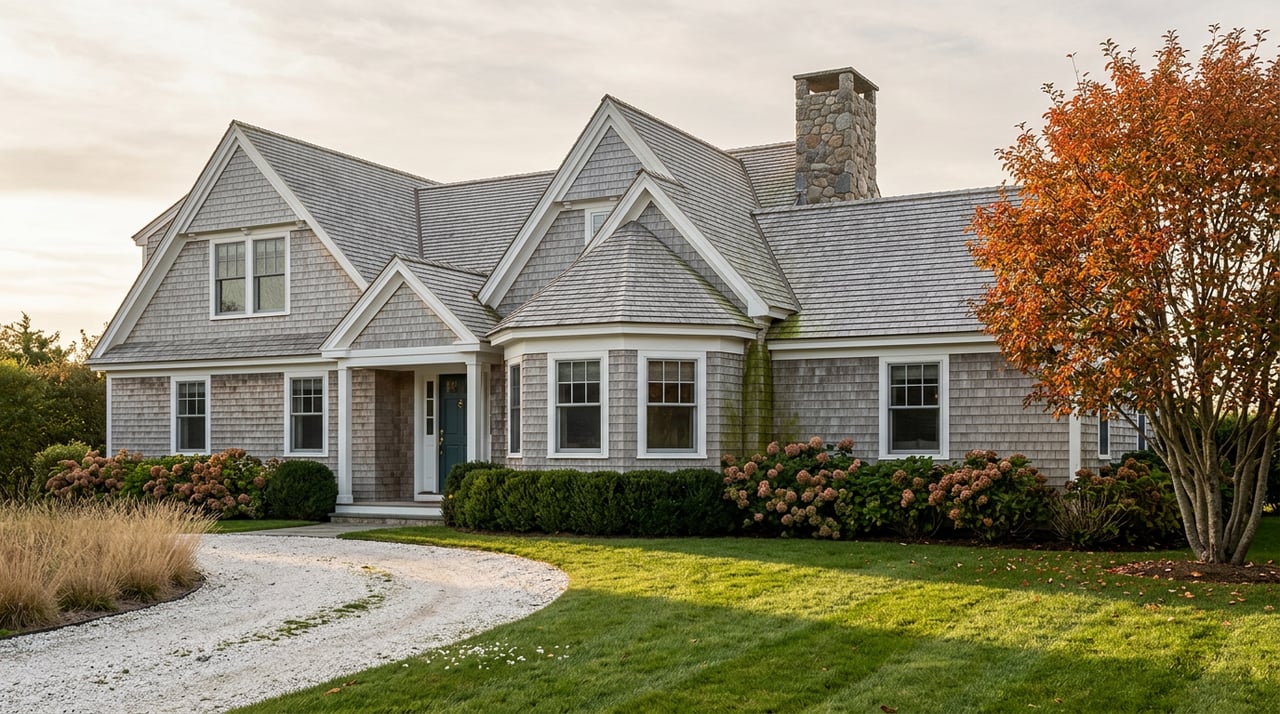
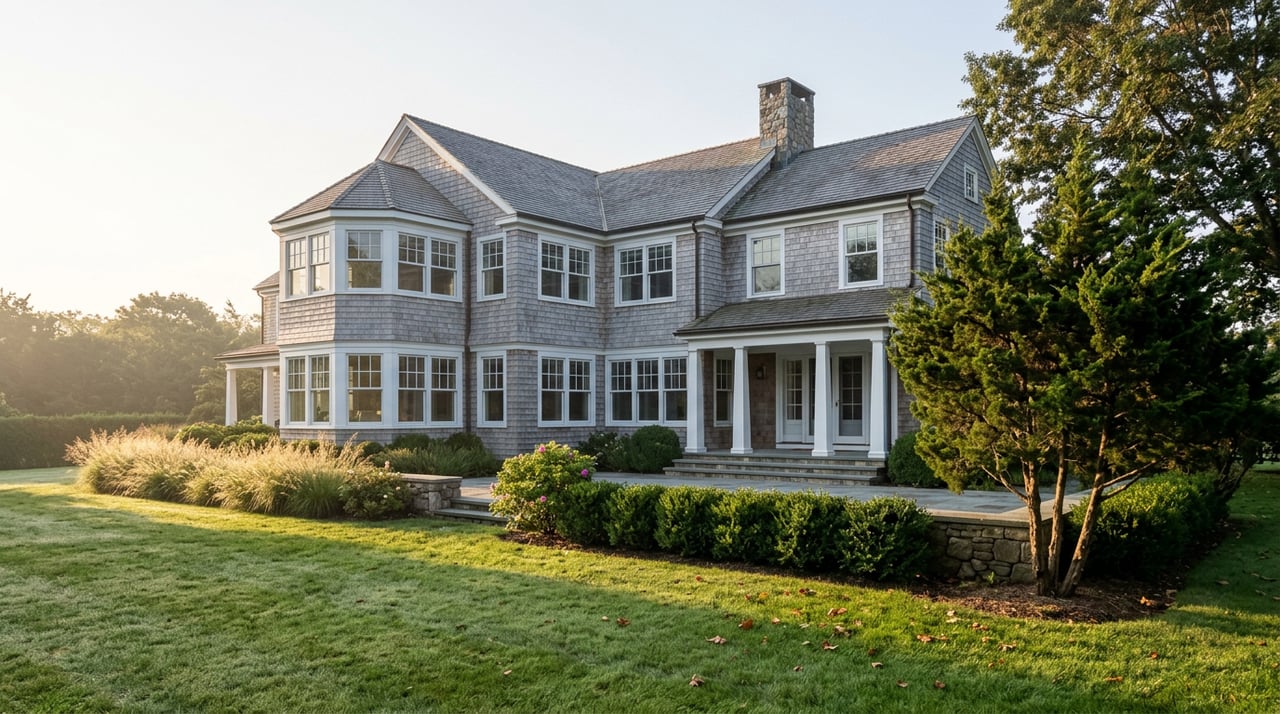
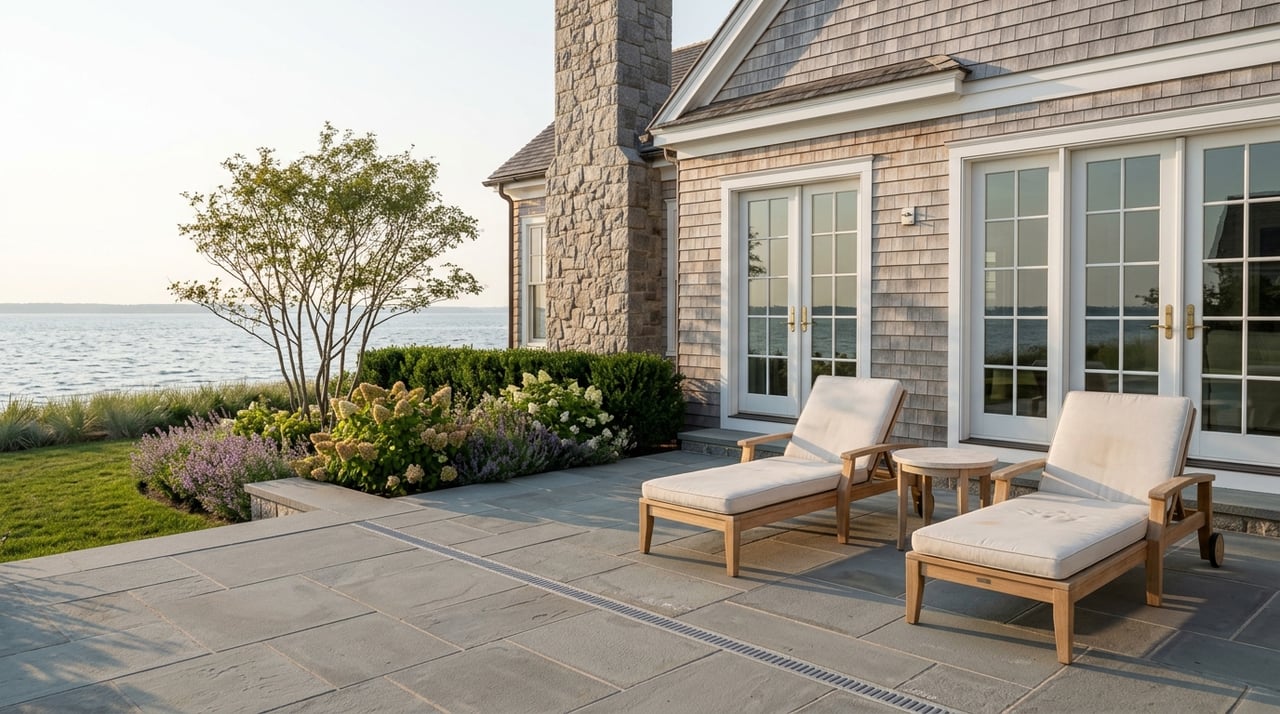
Once documentation and maintenance are in order, visual presentation becomes critical. Waterfront estates trade heavily on setting, light, condition, and the relationship between indoor and outdoor living. Professional photography should happen only after landscaping, exterior work, and waterfront features are fully ready.
That includes details buyers notice immediately, such as a clean shoreline edge, orderly dock or pier areas, polished hardscaping, and unobstructed water views. Even in a strong luxury market, buyers can be cautious when presentation suggests deferred maintenance or unresolved issues.
Plan for a senior-led process
A waterfront estate sale in Osterville is not just a marketing event. It is a coordinated advisory process that touches title, permitting, timing, resilience, privacy, and presentation all at once. The earlier those pieces come together, the more control you retain over the process.
That is especially true for multi-generational holdings, trust or estate transitions, and high-value coastal assets where confidentiality matters. A measured, senior-led plan helps you move from uncertainty to readiness without rushing decisions that affect value.
If you are considering a sale, a confidential strategy conversation can help you identify what needs attention now, what can wait, and what will matter most to qualified buyers. To begin that process with Paul Grover, reach out when you are ready.
FAQs
How far in advance should you prepare to sell a waterfront estate in Osterville?
- A practical timeline is 3 to 6 months before launch, because waterfront estates often require added time for records, permits, shoreline review, maintenance, and photography.
What documents matter most when selling an Osterville waterfront property?
- The most important items typically include the deed chain, survey, easements, permit history, flood-zone information, maintenance records, and any dock, pier, seawall, or Chapter 91 documentation.
Is an off-market sale always better for an Osterville estate?
- No. A limited-distribution approach can support privacy, but it may also reduce competition and limit price discovery compared with broader exposure.
Which pre-sale improvements usually help most for a waterfront estate?
- The improvements most likely to help are the ones that reduce buyer concerns, such as exterior repairs, landscaping, dock and pool maintenance, drainage work, and clear documentation of upkeep and permits.
Why do flood and shoreline reviews matter before listing an Osterville waterfront home?
- They help you understand mapped flood risk, coastal conditions, and documentation for waterfront features before buyers begin their own review, which can reduce delays and strengthen confidence.