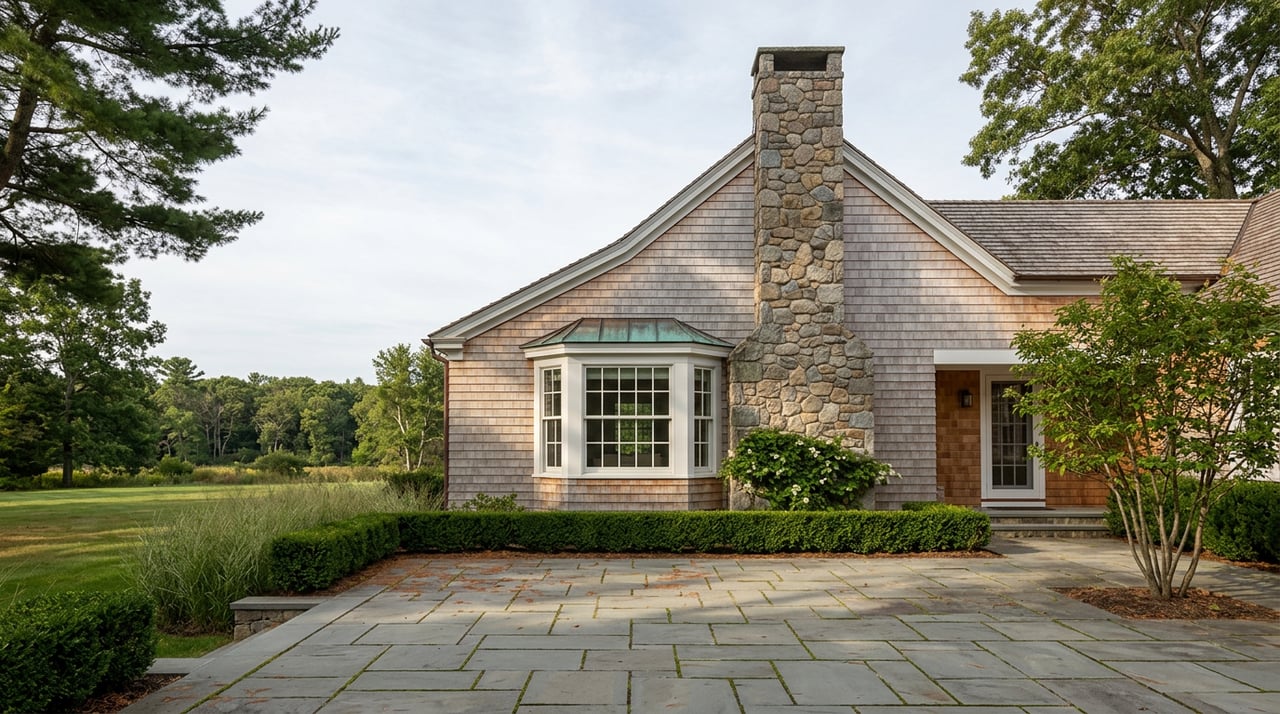
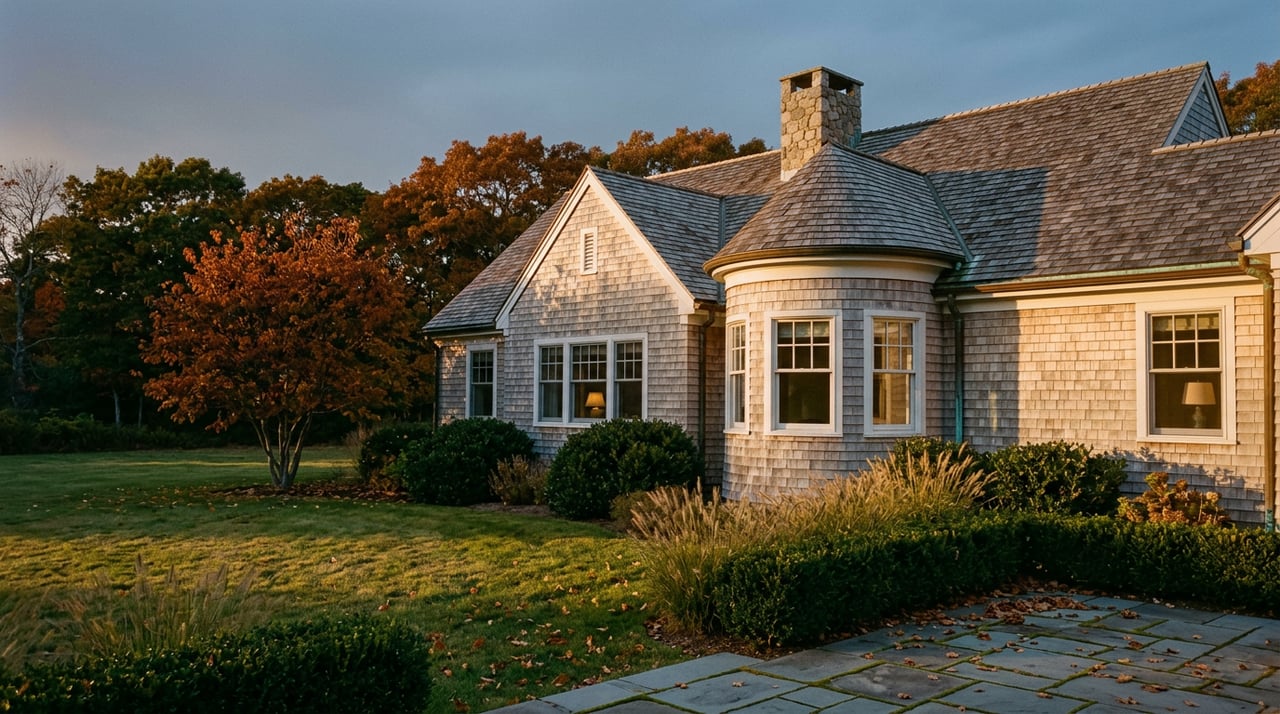
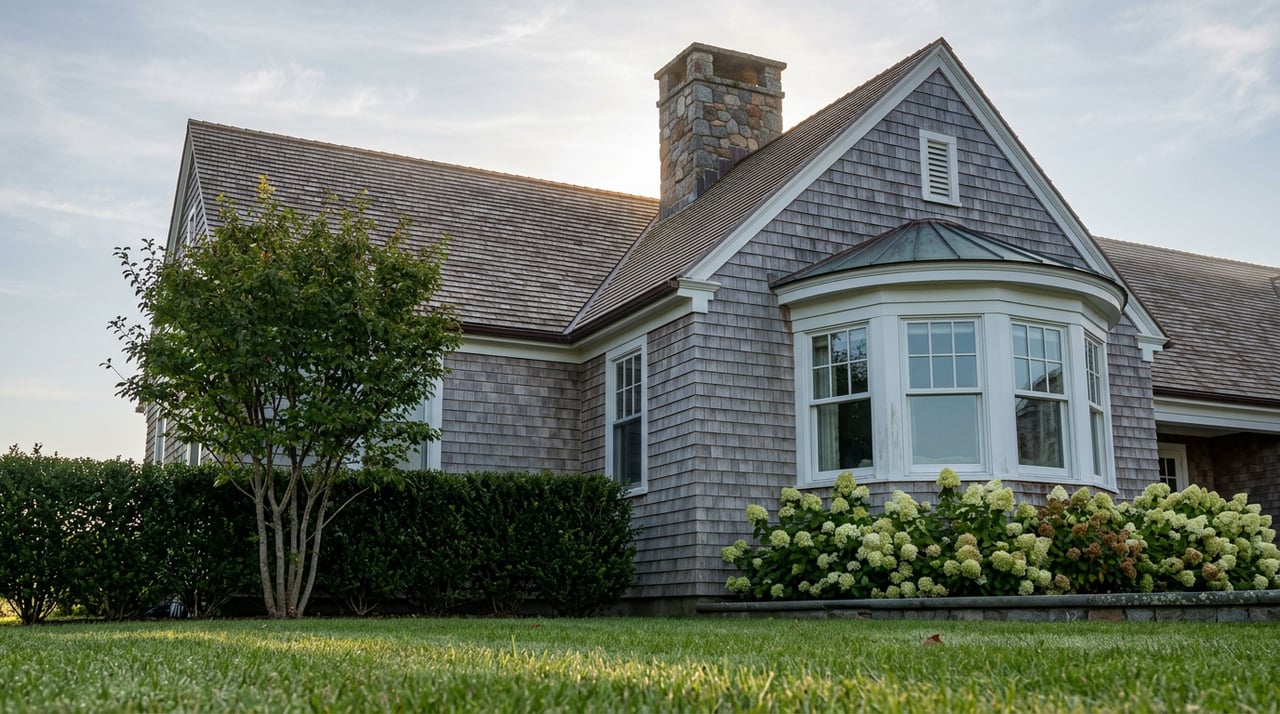
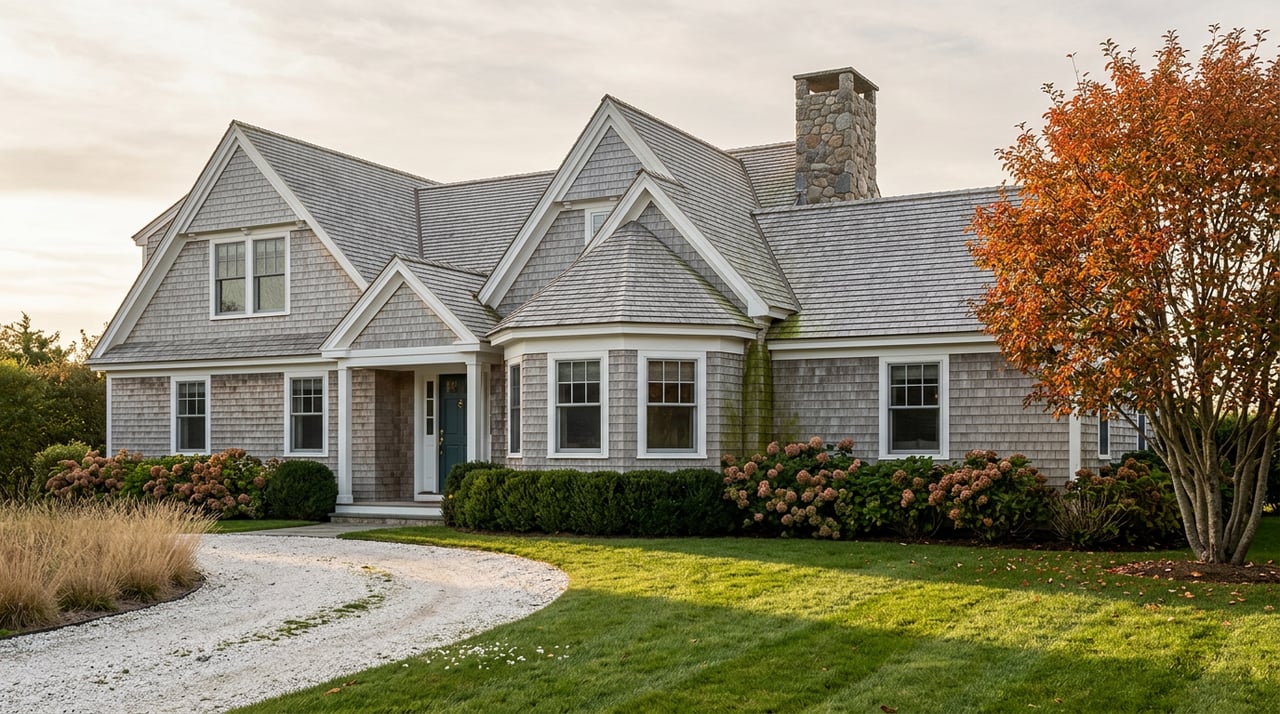
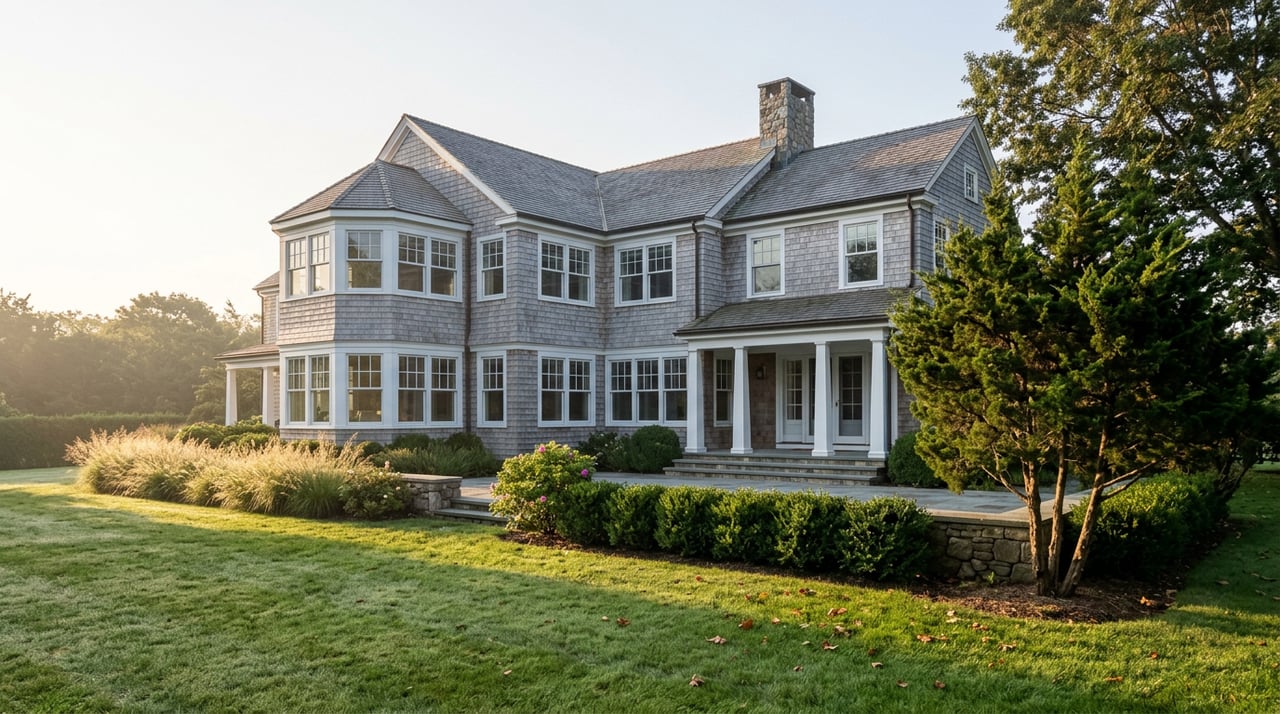
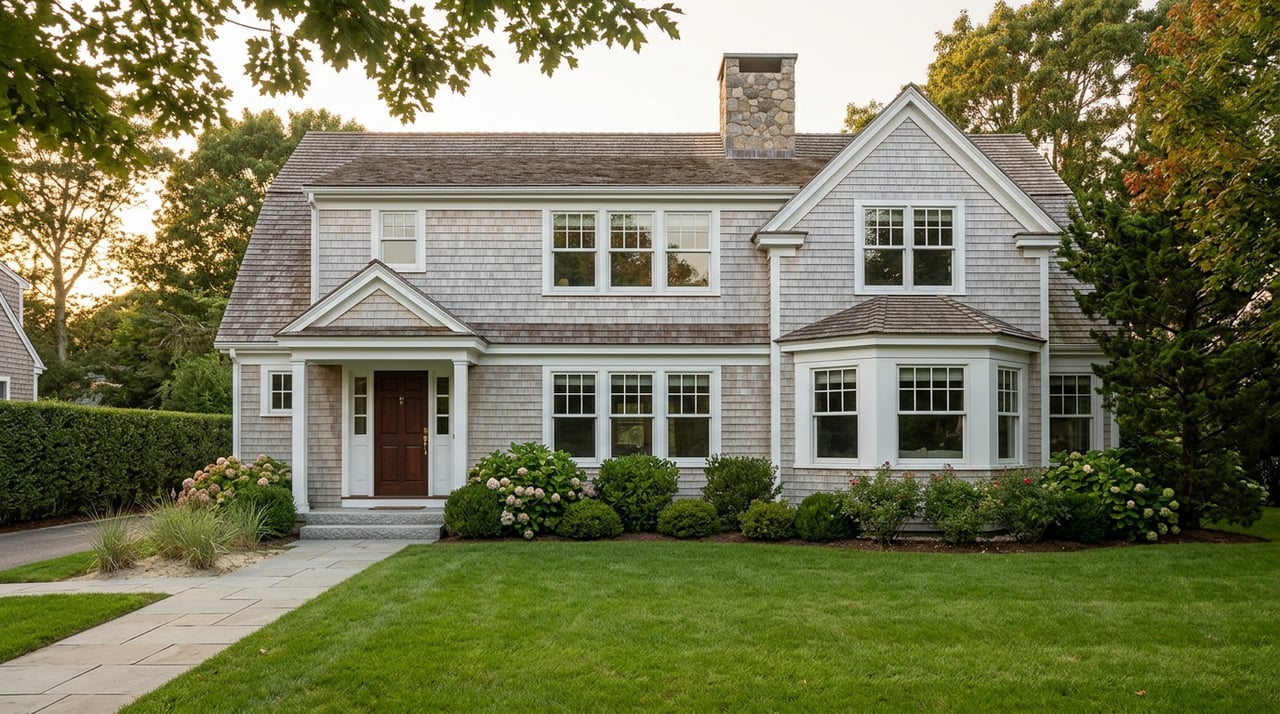
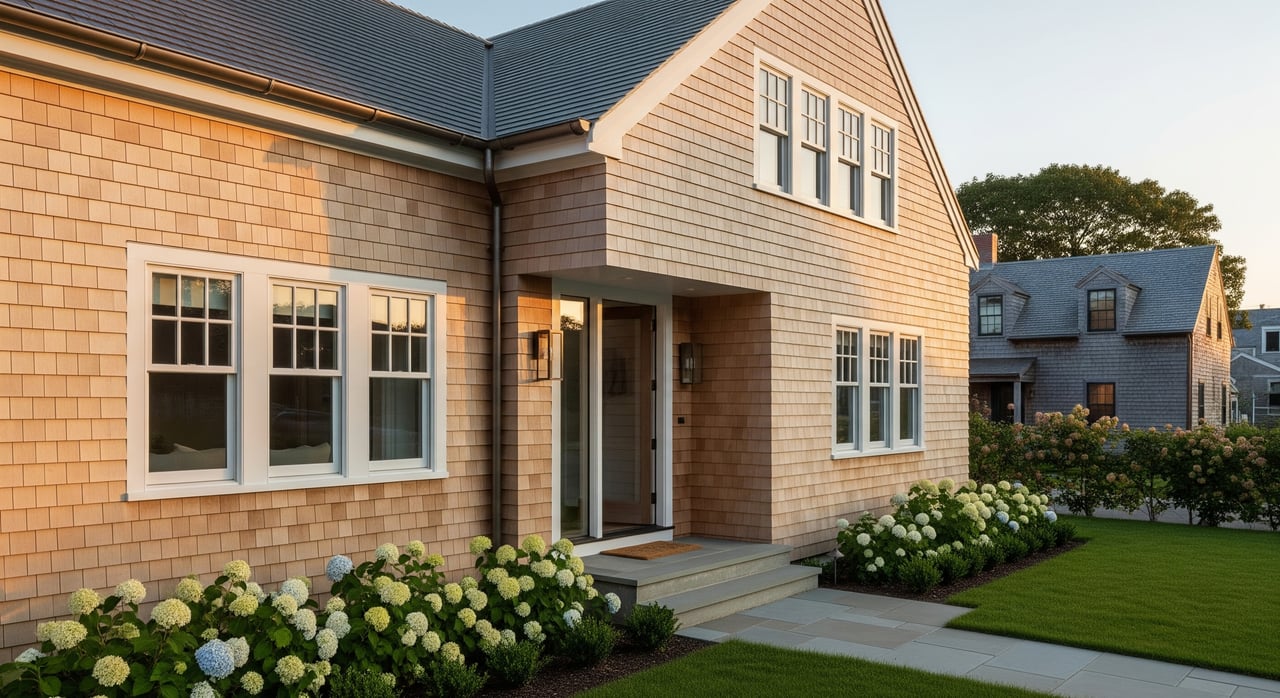
If you are thinking about selling a long-held family home in Chatham, you already know this is about more than timing the market. A legacy property often carries decades of memory, maintenance decisions, and family planning. In a high-value market where buyer conditions are mixed, a strong result usually comes from careful preparation, not haste. Let’s look at what matters most before you bring a legacy home to market.
Why Chatham legacy sales need strategy
Chatham remains one of Cape Cod’s premium markets, but the current data points to a nuanced environment. In March 2026, Redfin reported a median sale price of $1.875 million, up 17.2% year over year, with homes averaging 46 days on market and only seven sales. Realtor.com showed 67 active listings, a $2.15 million median listing price, 43 median days on market, and a 94% sale-to-list ratio.
That combination matters if you are selling a legacy home. Strong values can support an ambitious outcome, but buyers still respond to condition, pricing, and presentation. In other words, Chatham may reward quality, but it does not guarantee a premium without preparation.
What makes a legacy home different
A legacy home often comes with more moving parts than a typical resale. The property may be older, held by the same family for years, or part of a broader estate transition. It may also have deferred maintenance, dated systems, or records that need to be gathered before the home can be positioned well.
There is also an emotional layer. You may be balancing family opinions, timing concerns, and the desire to honor the property while still making practical decisions. A successful process tends to treat the sale as a coordinated transition, not a quick transaction.
Start with records and authority
Before marketing begins, confirm who has legal authority to sell. If the home is part of an estate, Massachusetts law allows a personal representative to sell estate real estate to an arm’s-length third party, but that authority may depend on the will or require a probate court license.
This step should happen early because it affects everything that follows. If title, estate authority, or family decision-making is unclear, listing first can create delays later. For a legacy property, clean documentation is part of good sale preparation.
Public records and privacy planning
Privacy often matters to families selling long-held Chatham properties. Barnstable County’s Registry of Deeds is the office of record for deeds, mortgages, easements, liens, and plans, and once a deed is accepted for recording, it cannot be removed from the public record.
That means a sale cannot be fully private in the legal sense. What you can do is plan for discretion in how the property is prepared, shown, and introduced to the market. For many legacy sellers, that conversation should happen at the very beginning.
Pre-listing issues to address early
In Chatham, several practical items can affect timing, negotiations, and buyer confidence. The earlier you review them, the more options you tend to have.
Lead paint disclosure for older homes
Many Cape Cod homes were built before 1978, which makes Massachusetts lead-paint rules especially relevant. The state requires owners and real estate agents to comply with Property Transfer Lead Paint Notification rules when a prospective buyer is about to purchase a home built before 1978.
If your home falls into that category, gather any existing documentation as early as possible. Even when the home has been well cared for, this is a required part of the process and should not be left to the last minute.
Septic inspection and Title 5
If the property has a septic system, Title 5 should move near the top of your checklist. MassDEP advises owners to have septic systems inspected when they buy or sell a home, and this can shape both your timeline and your negotiating position.
There is limited flexibility if weather prevents a pre-sale inspection. In that case, the inspection may be completed up to six months after closing if the buyer is notified in writing. Even so, most sellers benefit from addressing septic questions early so there are fewer surprises once interest builds.
Home inspection disclosure rules
Massachusetts also changed part of the residential sale process for transactions after October 15, 2025. In covered 1 to 4 unit residential sales, the seller or agent must provide a separate written disclosure affirming the buyer’s home-inspection right before or at the first purchase contract, and a sale cannot be conditioned on the buyer waiving that right.
For sellers, this is less about alarm and more about readiness. If you know the property has aging components, deferred repairs, or systems that may raise questions, plan ahead and decide what to address before the home goes live.
Flood and wind insurance review
Because Chatham is a coastal market, insurance review deserves attention before listing. Massachusetts states that standard homeowners insurance does not cover flood damage, and there is no state law requiring flood insurance.
If your home is in an exposed coastal setting, confirm the current insurance picture well in advance. Buyers often ask practical questions about flood and wind coverage, and clear information can support a smoother conversation.
Check for local historic review
Some legacy homes in Chatham may be affected by local preservation review if exterior work is planned before sale. The town’s Historic Business District Commission reviews exterior alterations within the district and does not regulate interior changes unless they affect exterior appearance.
This becomes important if you are considering facade repairs, exterior paint changes, windows, trim work, or other visible improvements. Before investing in pre-listing updates, confirm whether town review is required. That can help you avoid delays and focus on improvements that actually support the sale.
Pricing matters, even at the top of the market
It is easy to assume that a special property in Chatham will simply find its number. The market data suggests a more measured approach. Realtor.com’s March 2026 snapshot showed an average sale 5.63% below asking, alongside a 94% sale-to-list ratio.
For a legacy home, overpricing can be especially costly. Buyers in this segment often compare condition, renovation needs, location context, and carrying costs very closely. A well-prepared pricing strategy should reflect the home’s strengths without ignoring updates, approvals, or due-diligence items that may influence buyer perception.
Carrying costs while you prepare
If the property will remain in the family during the sale period, carrying costs are part of the equation. Chatham’s FY2026 property tax rate is $3.67 per $1,000 of assessed value.
That does not determine value, but it does affect holding cost planning. For homes that need staging, cleanup, document review, or estate coordination before launch, understanding the cost of extra time can help guide smart decisions.
Coordinate tax and estate planning
Legacy home sales often intersect with estate and tax questions, but those are not all the same issue. A home can be cleared for sale from a probate standpoint and still require separate review for estate tax or capital gains.
For decedents dying on or after January 1, 2023, Massachusetts estate tax has a filing threshold of $2,000,000, and the personal representative files the return if required. That issue is separate from how sale proceeds or gains may be treated for income-tax purposes.
Principal residence versus second home
If the property was your principal residence, there may be an exclusion of up to $250,000 of gain, or $500,000 on a joint return, if the ownership and use tests are met. Massachusetts conforms to that principal-residence exclusion.
If the home was used as a second home, rental, or mixed-use asset, the analysis can become much more specific. In those cases, early coordination with a CPA or tax attorney can help you avoid rushed decisions and set realistic expectations before the property is listed.
A practical path for selling well
For many Chatham families, the strongest sales begin with a simple sequence. First confirm authority and title matters. Then review property-specific issues like septic, lead paint, insurance, and any exterior approvals that could affect timing.
After that, turn to presentation, pricing, and launch strategy. In a market with premium values and mixed short-term conditions, a legacy home tends to perform best when every part of the transition is handled with care. That is how you protect both the property’s story and your outcome.
If you are preparing to sell a legacy home in Chatham, a discreet, well-managed plan can make all the difference. To start a confidential conversation, connect with Paul Grover.
FAQs
Do Chatham sellers need a septic inspection before selling a home?
- If the property has a septic system, MassDEP advises owners to have it inspected when buying or selling, and limited post-closing timing is allowed only in certain weather-related cases with written notice to the buyer.
Do Massachusetts sellers need lead paint disclosure for older Chatham homes?
- Yes. For homes built before 1978, Massachusetts requires compliance with Property Transfer Lead Paint Notification rules when a prospective buyer is about to purchase the home.
Can an estate sell a legacy home in Chatham before probate is fully resolved?
- Sometimes, but the personal representative must have clear authority to sell, which may come from the will or may require a probate court license.
Are Chatham home sales private if the family wants discretion?
- No sale is fully private once the deed is recorded, because Barnstable County land records are public and accepted deeds cannot be removed from the public record.
Do exterior repairs on a Chatham legacy home need local approval?
- Possibly. If the property is in an area subject to local review, exterior alterations may need approval from the town’s Historic Business District Commission before work begins.
Is Chatham’s 2026 market strong enough for premium pricing on a legacy home?
- Chatham remains a high-value market, but current data shows mixed short-term conditions, so pricing, property condition, and presentation still play a major role in the final result.