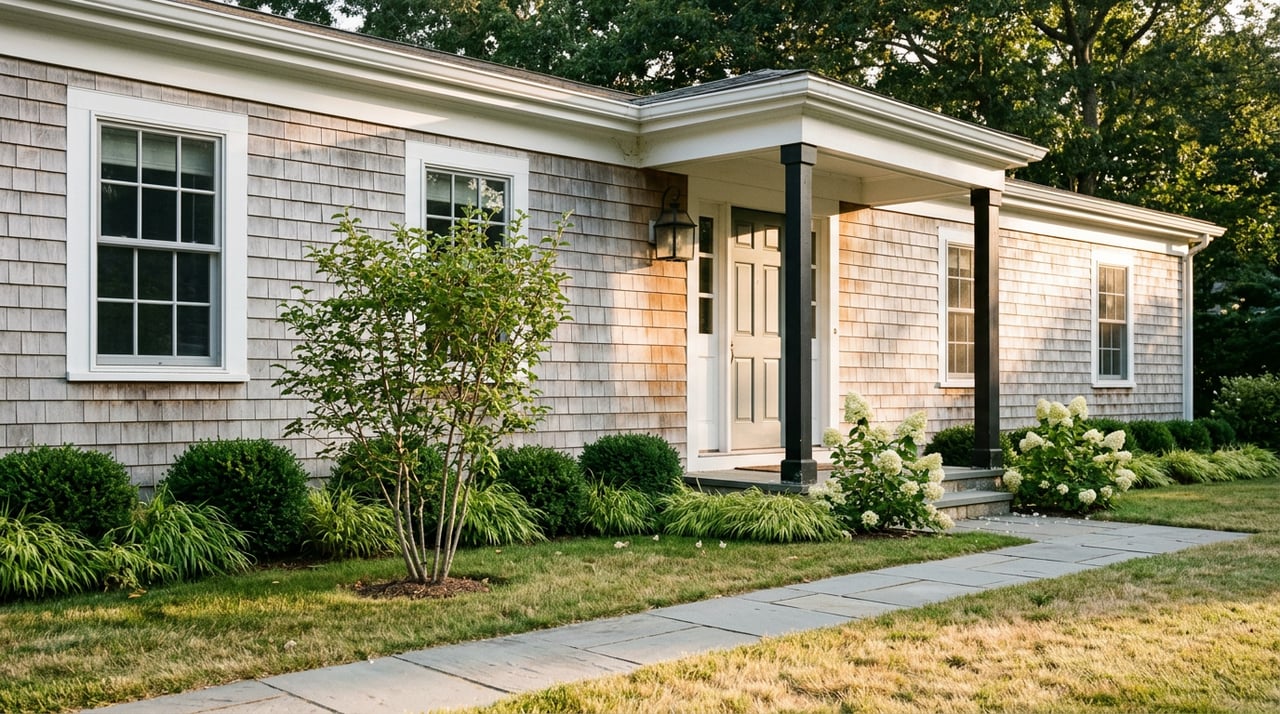
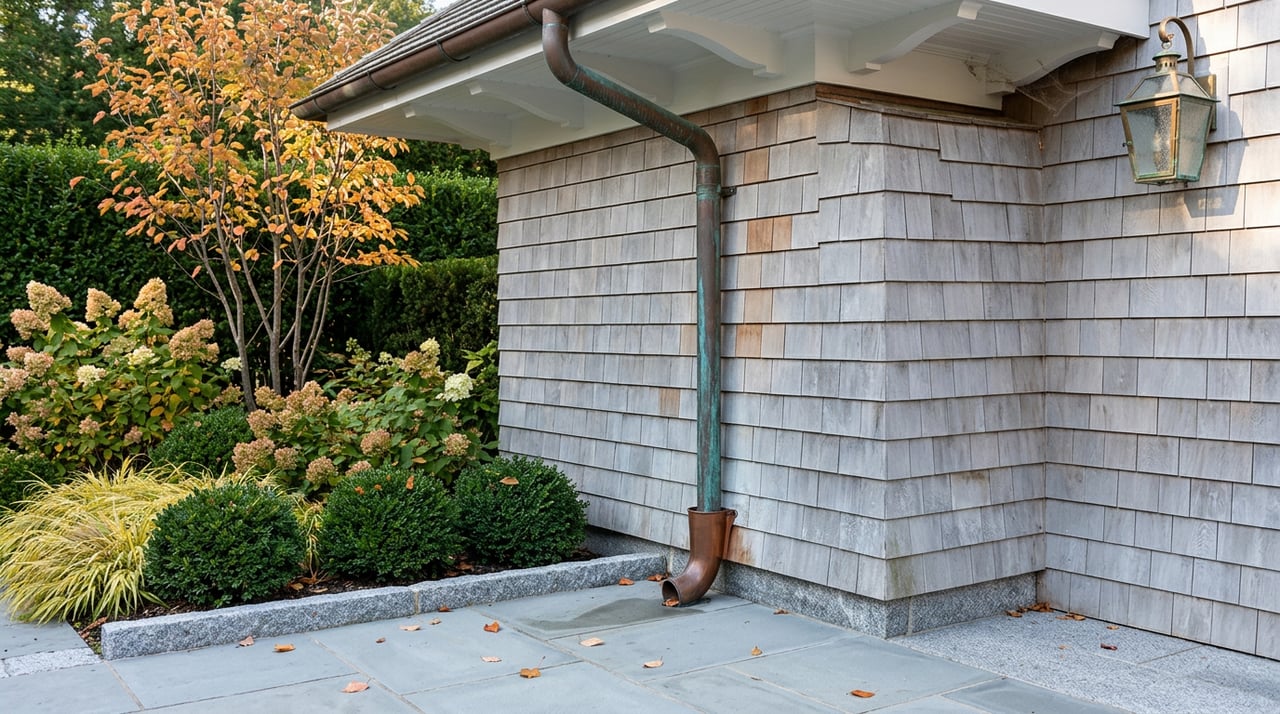
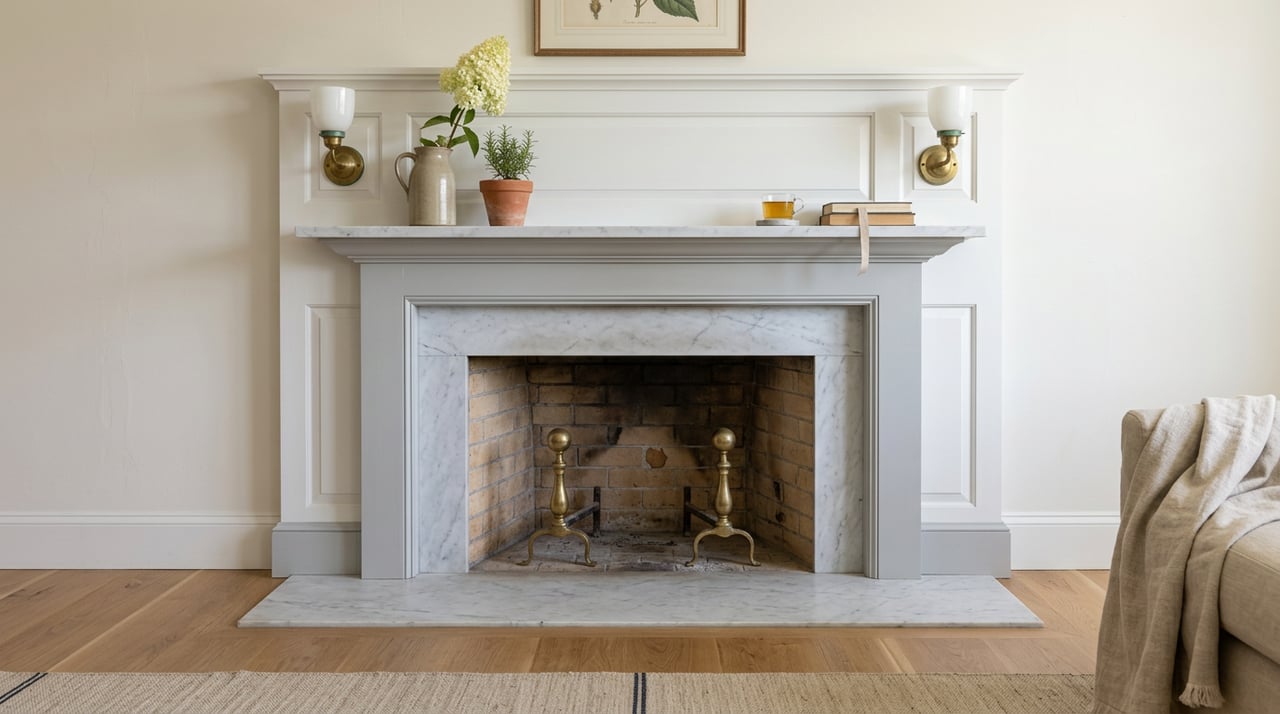
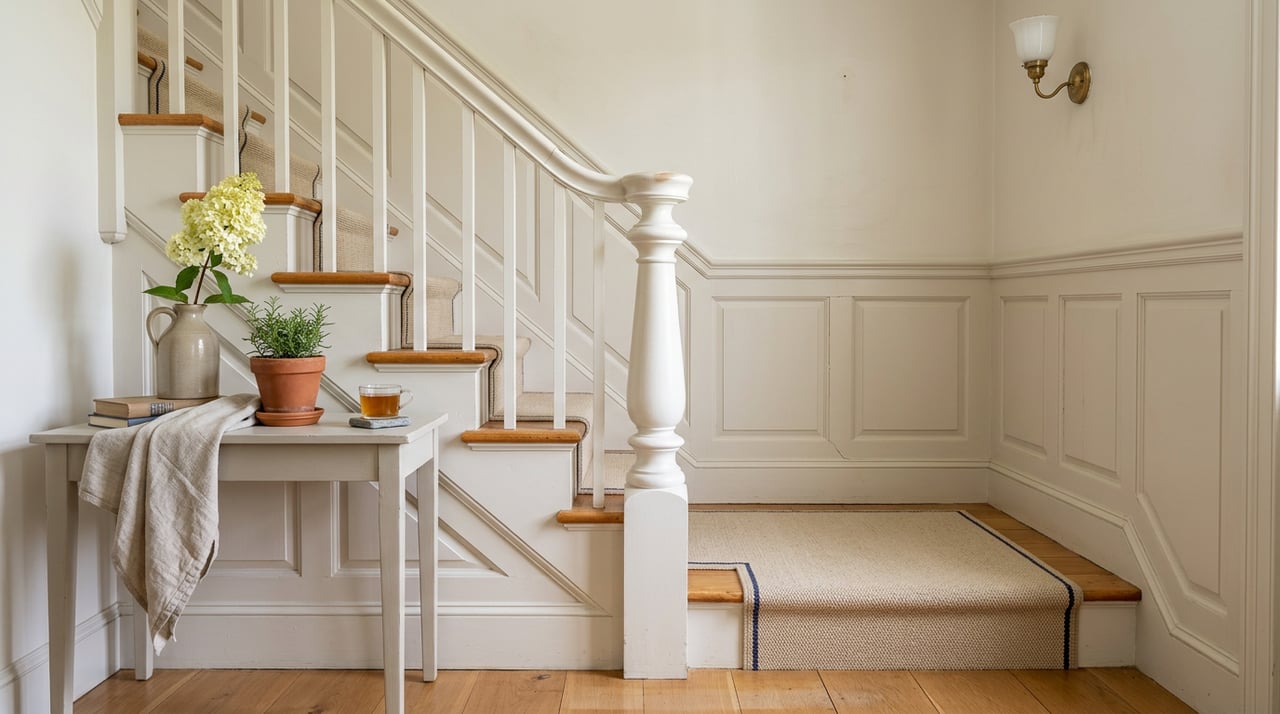
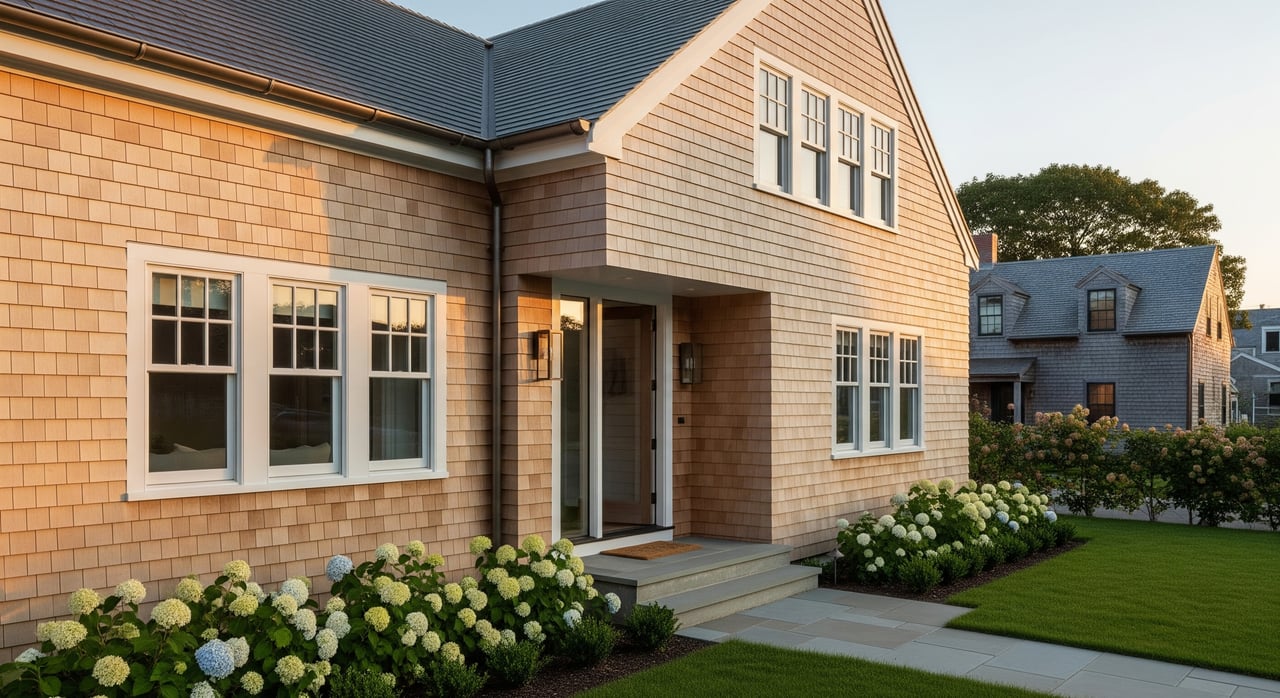
Most sellers of a pre-war Chatham home price the land, price the view, and treat the house itself as either an asset or a liability depending on its condition. That framing misses the mechanism that quietly sets the ceiling on a tear-down or gut-renovation offer in this town. The number a builder-buyer will write is not a function of square footage or shoreline. It is a function of a calendar.
Chatham operates a demolition-review process under its own local bylaw, Chapter 158, administered by the Chatham Historical Commission through a Combined Application for Chapter 158 and National Register District review adopted in June 2021. The Commission's Rules and Regulations were amended on September 21, 2021, and the body meets on a published 2026 schedule. That process is the friction. A seller who understands how it prices into an offer will list differently than one who does not.
The Clock Is The Asset Being Traded
A buyer who intends to demolish or substantially alter an older Chatham house is not buying a structure. They are buying the right to remove one and put something else in its place. Anything that delays that right compresses the return on the project, and the buyer prices the delay backward into the offer.
The variable is not whether the demolition happens. In most cases it does. The variable is when, and every month of uncertainty is a month of carrying cost, a month closer to a construction season the buyer may miss, and a month of exposure to a market that could move against them.
This is why two apparently comparable older homes on similar Chatham lots can trade at meaningfully different prices to the same builder. The house that has already cleared review, or that the Commission is unlikely to hold, is worth more than the one whose review outcome is unknown. The physical house is identical. The optionality is not.
What Actually Triggers Review
Chatham's demolition-review process runs through two separate bodies that get confused with each other, and confusing them is one of the more common seller mistakes.
The Historical Commission administers Chapter 158 townwide. Its jurisdiction attaches to structures the Commission determines to be historically or architecturally significant, and its process is documented through the Combined Application and the flow diagrams the town publishes for one- and two-family, and for other-than-one-and-two-family, structures. A seller can find those forms on the Commission's page linked above.
The Historic Business District Commission is a different body with jurisdiction limited to the downtown business district. Its meetings are public and archived on the town's video channel, including sessions from January 7 and February 18, 2026. A seller of a downtown-district property faces both bodies in sequence, not in parallel, and the sequencing matters for the closing timeline.
The bylaw's specific delay period, the age threshold that pulls a house into review, and the administrative-approval pathway for minor work are set out in the Commission's published rules and in Chapter 158 itself. A seller should read those documents directly rather than rely on a summary, and the Commission's staff liaison is the correct point of contact for a pre-listing question about a specific address. Getting an early read from the liaison, before a listing goes live, is the single highest-leverage move a seller of an older Chatham home can make.
Reading The List-Price Spread On Older Chatham Homes
Once a seller sees the review process as a priced input rather than an administrative afterthought, the market's pricing behavior on older stock becomes easier to read.
Three properties that look similar on the portal can carry very different underlying trades:
- A pre-war house the Commission is unlikely to flag. The buyer's project timeline is close to certain. The offer reflects almost pure land value plus a small credit for tear-down efficiency.
- A pre-war house whose review outcome is unknown. The buyer discounts for the range of possible outcomes, and the discount is usually larger than a seller expects because the buyer is pricing the worst case, not the average.
- A pre-war house that has already been through a Combined Application and received a determination. The uncertainty has been retired. Whichever direction the determination went, the buyer knows what they are buying, and the price reflects that clarity.
The third case is where sellers regularly leave money on the table. A determination in hand, even one that constrains what a buyer can do, is more valuable than an open question. Certainty is what the market pays for.
Why "As-Is" Is A Weaker Position Than It Looks
The instinct with an older Chatham home is often to list it as-is, let the buyer inherit the review, and let the market sort out the value. That instinct made sense before the Combined Application formalized the process in 2021. It makes less sense now.
The Combined Application creates a documented record of the Commission's view of a specific property. Producing that record before a listing removes the largest single unknown from a builder-buyer's underwriting. The alternative, letting the buyer discover the Commission's view during their diligence period, effectively assigns the seller the cost of the buyer's uncertainty without any of the pricing benefit.
There is a second-order effect. A buyer who runs the review during their contingency window will negotiate the outcome. A determination that arrived before the listing, by contrast, is a fact the market has already absorbed. The seller who front-loads the process controls the frame in which offers get written.
Sequencing Around The 2026 Meeting Calendar
The Historical Commission and the Historic Business District Commission both publish 2026 meeting schedules. A seller planning a spring or early-summer listing should read the calendar backward from a target market-entry date and confirm which meeting cycle a Combined Application would land in. Missing a cycle can push a determination into the next month, and in a Chatham market where builder-buyers are calibrating to a construction season, one meeting cycle can move an offer.
The same logic applies to sellers targeting the fall shoulder. Chatham inventory that lists after Labor Day competes for a smaller pool of buyers, and any process delay that pushes closing past year-end can trigger tax-timing frictions that further narrow the buyer set. Meeting-cycle planning is not a nicety in this town. It is scheduling.
Questions Worth Answering Before You List
- Has the property been surveyed as part of the town's inventory of historic resources, and if so, what did the survey record?
- If the house was ever subject to a previous demolition-review filing, is that record retrievable from the Commission's files?
- Would the Commission's administrative-approval path handle the project a likely buyer would propose, or does the scope require a full hearing?
- If the property sits within or adjacent to the downtown district, does the Historic Business District Commission also have jurisdiction over exterior changes?
- Is there a preservation-incentive pathway under the town's Historic Preservation Incentive Bylaw that could reframe the transaction for a buyer who might restore rather than replace?
None of these questions has a generic answer. Each has an answer specific to a specific address, and each of those answers moves the price.
FAQ
Does the demolition-delay process apply to every older Chatham home? No. The bylaw attaches to structures the Commission determines are significant, and the specific triggers and thresholds are set out in Chapter 158 and the Commission's rules. A seller should confirm the status of a specific address with the Commission rather than assume either inclusion or exclusion.
Is this the same as being in a National Register district? No, but the two overlap. The Combined Application adopted in 2021 lets the Commission process Chapter 158 review and National Register District review together. A property can be inside a National Register district, subject to Chapter 158, both, or neither.
Does a determination against demolition mean the house cannot be changed? No. A determination under a local demolition-delay bylaw does not permanently prohibit demolition or alteration. It imposes a review window and a documented process. What it changes is the timeline and the negotiating posture, which is precisely why it prices into the offer.
Should I file a Combined Application before I list? That is a judgment call that turns on the specific property, the likely buyer profile, and the timing of the intended listing. It is worth a conversation with an advisor who has watched how Chatham builder-buyers actually underwrite these properties, because the answer is rarely the same twice.
A pre-war Chatham house is not a commodity, and the offer it draws is not a function of the obvious variables. The seller who understands that the demolition-review process is the priced input, and who front-loads certainty rather than leaves it on the table, sees a different set of offers than the seller who lists first and asks questions later. If you own an older Chatham home and are weighing a sale in the next twelve months, Paul Grover welcomes a confidential conversation about how the review calendar and the current buyer set intersect for your specific address. Start a confidential conversation.