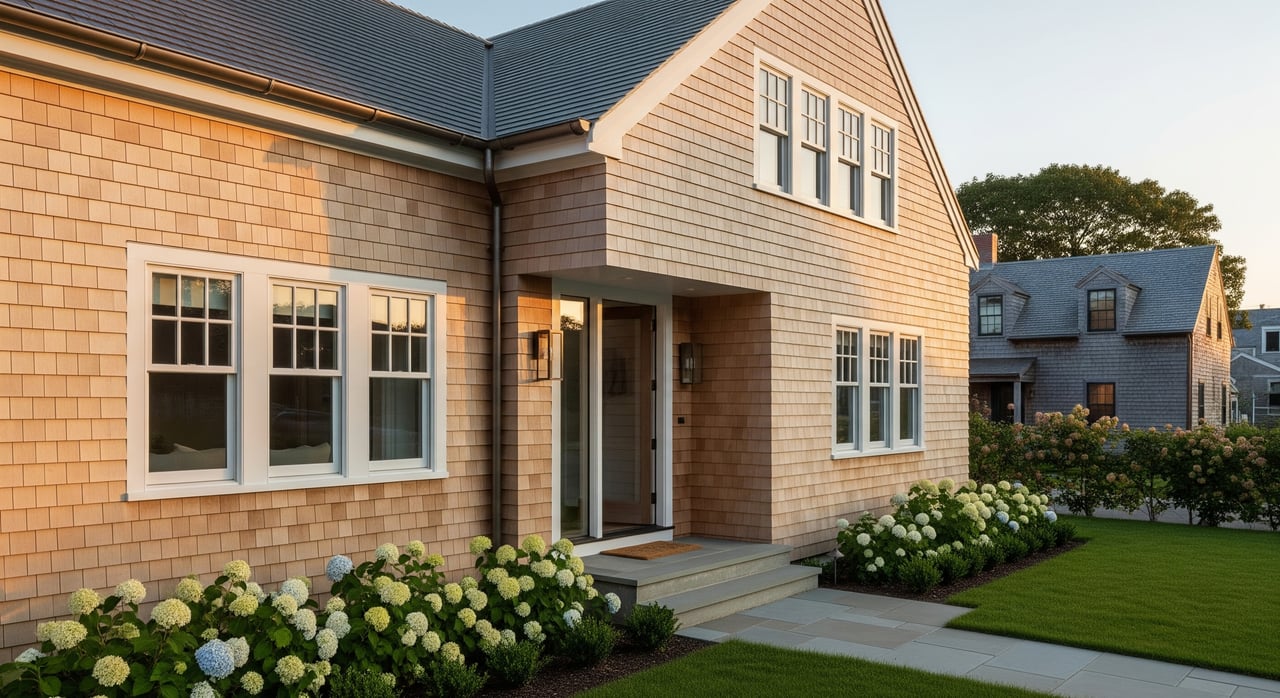
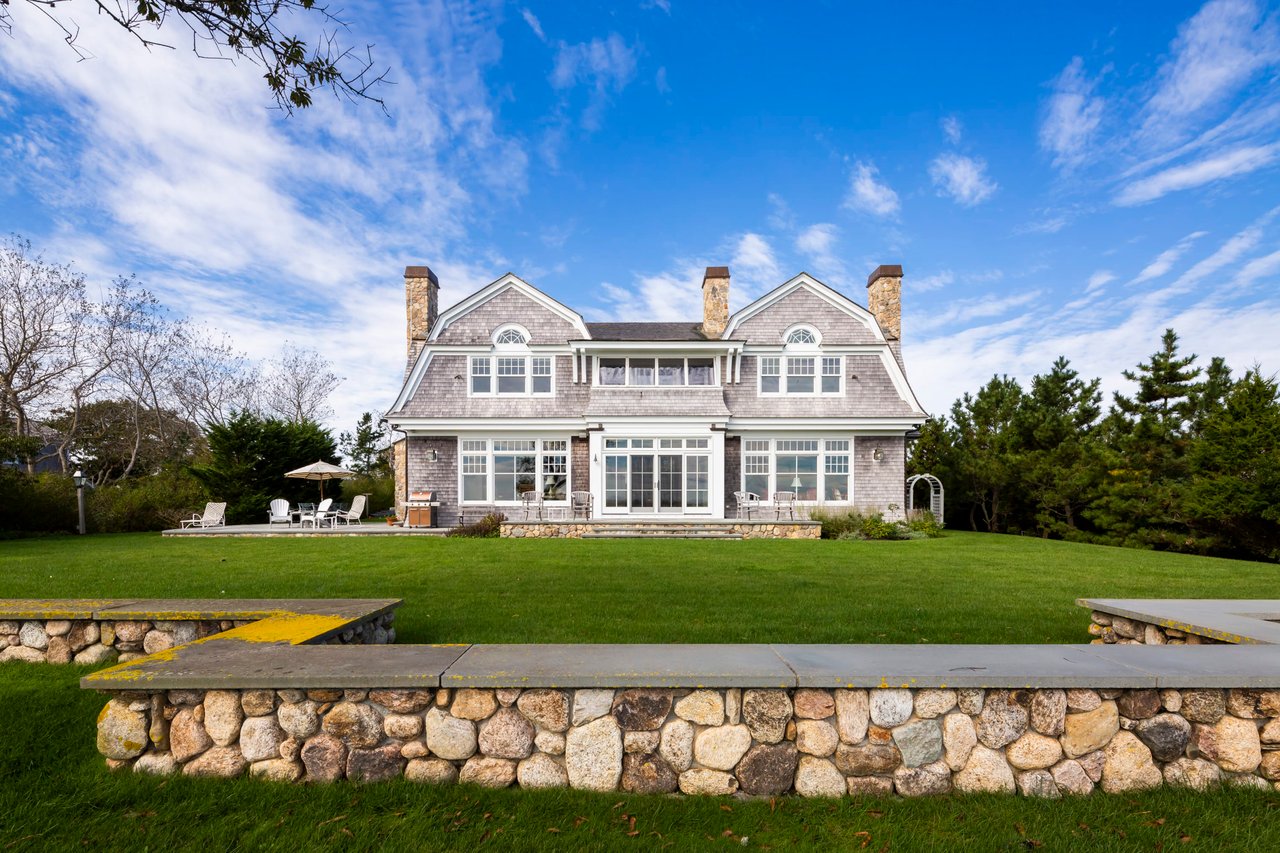
As the Cape Cod Chronicle reported, Jill Boudreau was in Chatham when she typed "mahjong stores nearby" into her phone. Nothing came up. Not one listing, in a search radius that covers roughly 400 square miles of Cape Cod. She had more than 25 years of business experience, most recently as a residential real estate agent in the Boston area, and she also happened to own a home locally. None of that experience was in retail or commercial leasing. So she did what she knew how to do: she searched available commercial leases, found a long-vacant building at 726 Main Street, and turned it into Main Street Mahjong, a tiny shop near the ball field that is now believed to be the only brick-and-mortar mahjong store on Cape Cod.
The timing of that opening is not a footnote. It is the pattern. In Chatham, the parts of downtown that actually change, the shops that open, the infrastructure that gets rebuilt, tend to happen in the months when nobody is watching, not during the eight weeks when every parking spot on Main Street is spoken for by 10 a.m. This year the town is about to run that same handoff again, in reverse, and the reader who already lives here is standing at the exact seam where it happens.
The Season People See Is Not The Season That Builds The Town
Every visitor guide to Chatham says the same thing: July and August are the season, the storefronts are all open, the calendar is full, and the Friday night concert at Kate Gould Park is the thing to build an evening around. That is true as far as it goes. The Chatham Band, which formed in 1931 as the American Legion Band and moved to the park after World War II, plays under a bandstand named for the director who shaped its modern run, Whitney Tileston. On a good night as many as 6,000 people fill that lawn.
None of that tells you what the same lawn and the same gazebo are doing by the third week of September. The 2026 concert season runs from Friday, July 3 through its closing show on Friday, September 4. After that, Kate Gould Park does not go dark. It changes jobs. And the same logic that put a mahjong shop into a vacant Main Street storefront this spring is the logic that governs what happens at the park, and at the Fish Pier, once the crowds thin.
A Walkway Built In The Months Nobody Was Watching
For years, the safe route for pedestrians along the Fish Pier's south jog was a line of jersey barriers separating visitors from the working side of the wharf, where boats offload the day's catch. That was never going to be the permanent answer at a facility that is simultaneously an active commercial fishing operation and one of the most photographed spots on the Cape.
The fix was the final phase of a long-term, multimillion-dollar reconstruction of the pier that had already rebuilt the observation deck, reinforced the packing house's interior columns, replaced the south jog bulkhead, and rebuilt the wharfinger building's deck and stairs. When the town's select board reviewed the walkway plans in the spring of 2025, the project was projected to cost about $700,000. A value engineering review changed the design from a cantilevered structure to one supported by pilings, and cut the projected cost to roughly $296,650, a figure that already includes a 25 percent contingency. The plan at the time was to finish the design and bidding work over the following months, with construction itself scheduled for the fall, once the heavy tourist season had cleared out.
That is exactly what happened. The town's own Fish Pier Projects page predicted a mid-May 2026 completion, and by early summer the walkway was done, separating ferry and visitor foot traffic from the working commercial areas for the first time. Which means every person who has leaned on that rail this summer, watching gray seals crowd the sandbar while a gillnetter idles in to unload, was standing on a structure that did not exist in this form a year ago. The work happened entirely in the gap between two tourist seasons: started after the crowds left in 2025, finished before they arrived in 2026.
The Cape Cod Commercial Fishermen's Alliance runs a free Pier Host Program on the observation deck through Labor Day weekend, with experienced fishermen on hand most Friday through Sunday mornings to explain what the fleet is bringing in. Once that hosted schedule wraps for the season, the boats keep working and the fish market at the pier stays open well into the fall. The walkway's actual quiet debut, the one where you can watch the fleet come in without elbow room, is really just getting started.
The Shop That Waited For The Quiet Months To Open
Boudreau's shop followed the same rhythm on a smaller scale. Mahjong, developed in China in the 19th century and popularized in the United States in the 1920s, is having a genuine moment again, driven by pop culture and a wave of new players finding it through libraries, yacht clubs, and senior centers across the Lower Cape. Boudreau had a passion for interior design but no retail background. She found a building that had sat unused, pitched the owners on turning it into what she called a glow-up of the space, and opened it under a name that was, in her words, the obvious choice: Main Street Mahjong.
She built it out and opened this spring, before Main Street filled with the July crowds that make any construction or buildout logistically painful. The shop is small. It is also, as far as anyone can tell, the only one of its kind on the entire peninsula. That kind of retail turnover, a long-vacant storefront becoming something specific and new, keeps happening in Chatham's shoulder months rather than its peak ones, for the same practical reason the Fish Pier's construction crews worked through the fall and winter: there is simply more room to work when the town is not full.
Same Two Months, Running In Reverse
Which brings the calendar back around to where the reader is standing right now, in the first week of September, with the season's final Friday concert one day away.
Once September 4 closes out the concert run, downtown does not empty. It reassigns itself to a different set of fixtures, all of them anchored to Main Street and Kate Gould Park rather than the beaches:
- September 12: the Chatham Fall Craft Festival, held at the Community Center
- October 12 through 31: Pumpkin People in the Park, life-sized displays built by local businesses, nonprofits, and residents around Kate Gould Park
- October 17: Oktoberfest, one of the larger fall festivals on the Lower Cape, filling both the park and the Town Hall parking lot
The park's summer art installation, Art in the Park, whose whale and shark sculptures ran from June 16 through August 14 and are auctioned off for charity at the close of each season, already came down before Labor Day even arrived. It is a small preview of the larger reset: by the time Oktoberfest sets up in October, the entire character of downtown has shifted from a beach town with an evening concert to a Main Street town with its own dedicated fall calendar, one that has nothing to do with tide charts or sunscreen.
What This Means If You're Already Here
The visitor-guide version of Chatham treats July and August as the whole story and October as an afterthought. The actual town runs on a different clock. The infrastructure that makes the Fish Pier worth visiting got built in the gap between two summers. The shop that gives Main Street something genuinely new got built in that same kind of gap. And the eight weeks between Labor Day and Halloween are not a wind-down, they are the second half of downtown's working year, with their own festival, their own fixtures, and a version of the Fish Pier's new walkway that you can actually stand on without waiting your turn.
If you have lived through enough of these turns to notice the pattern yourself, and you are thinking about what that means for your own place in town, long-term ownership, a change in how you use the property, or simply what the next chapter looks like, that is a conversation worth having with someone who tracks this town as closely as you do. Paul Grover works this market year-round, not just the eight weeks everyone else shows up for. Start a confidential conversation whenever you're ready.