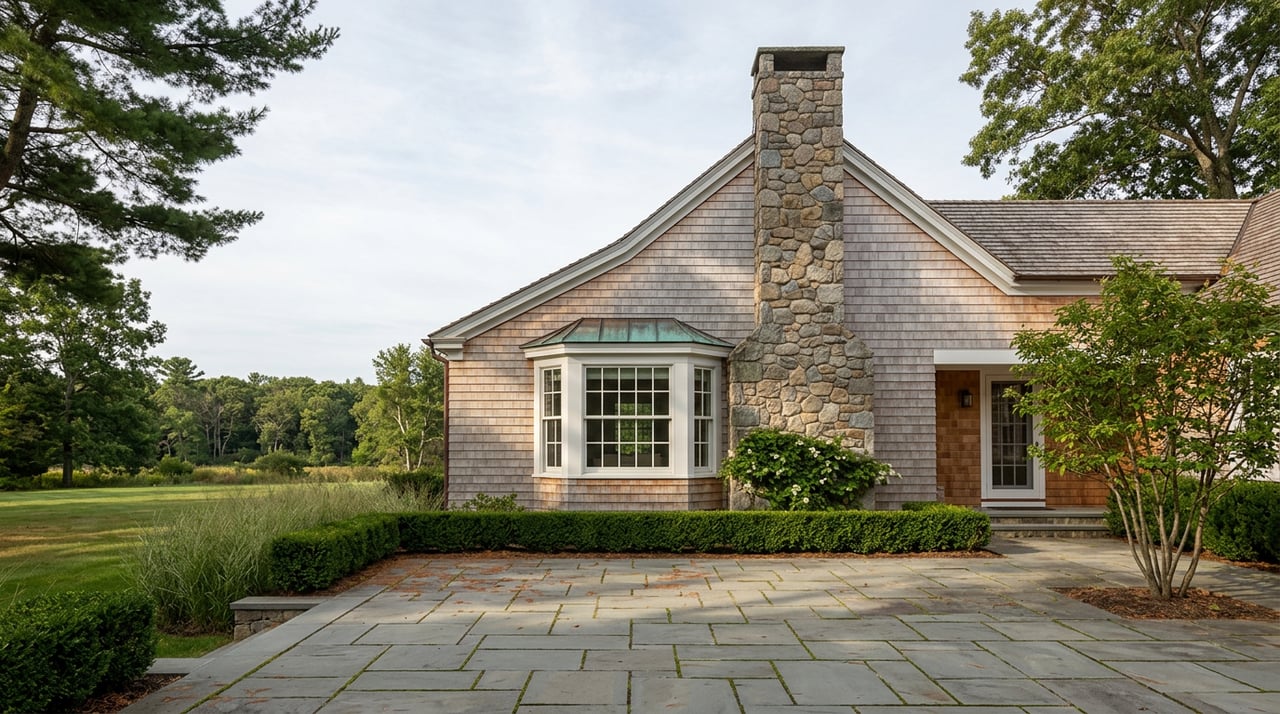
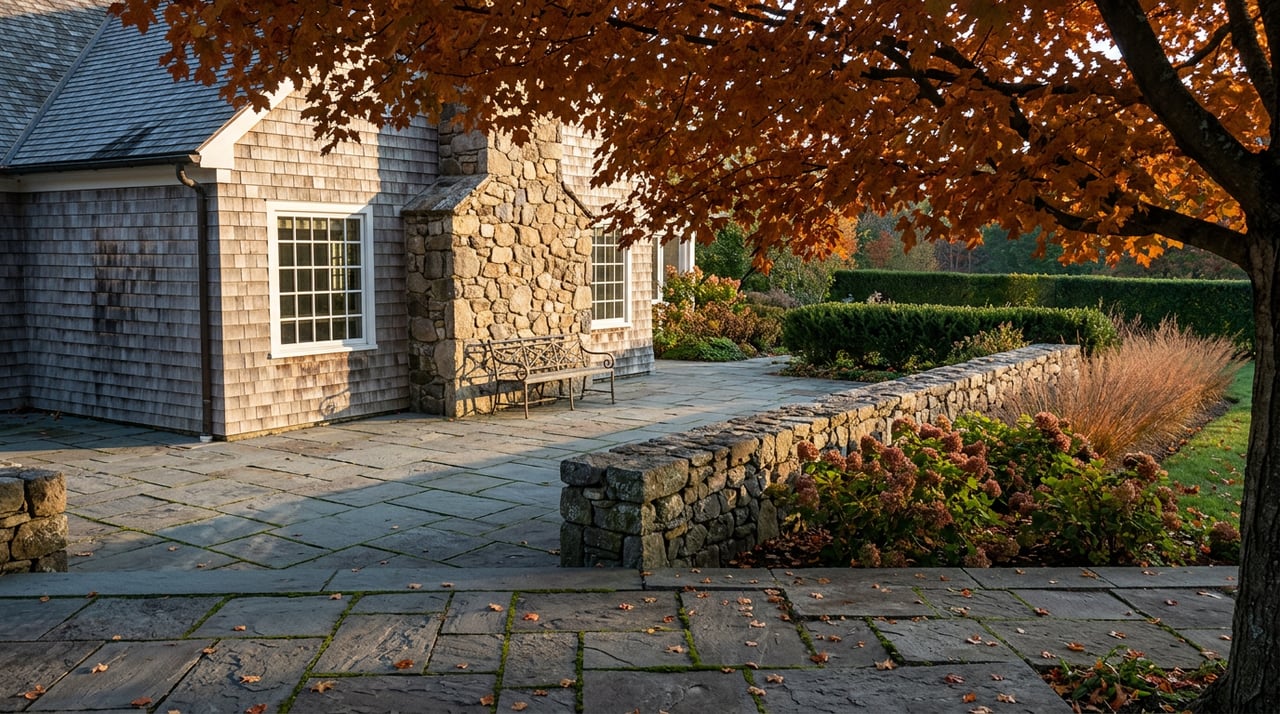
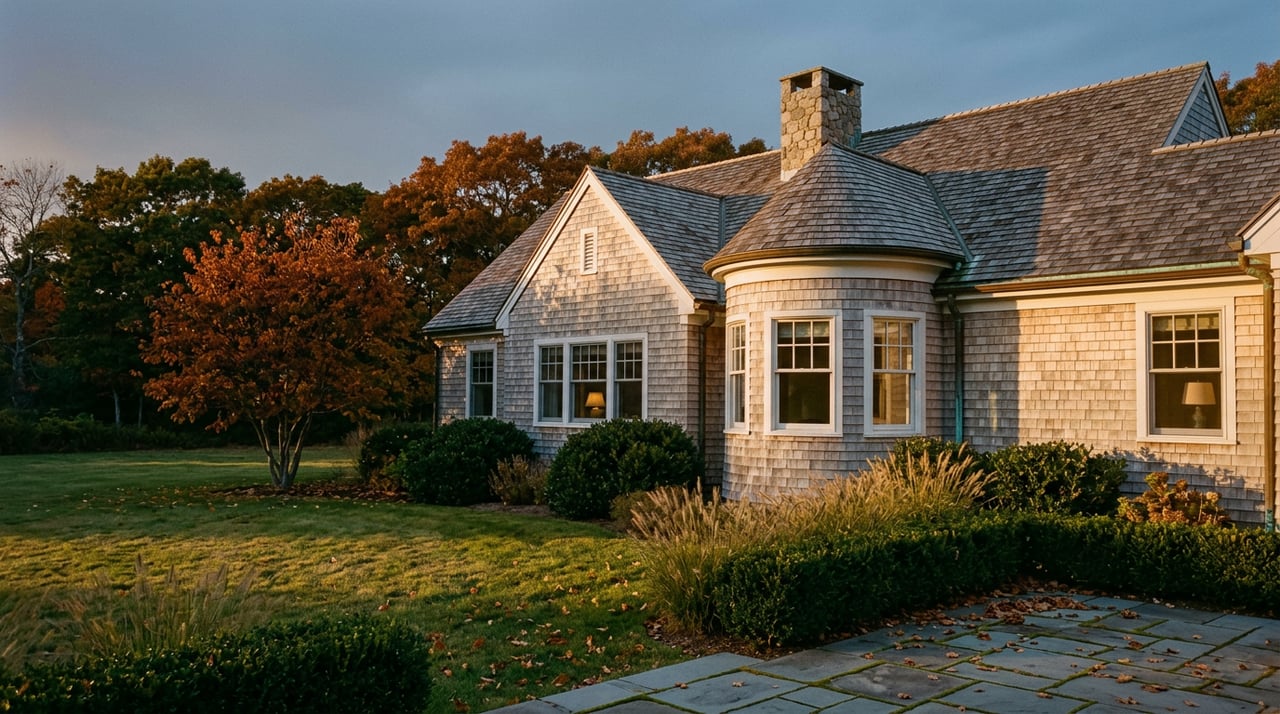
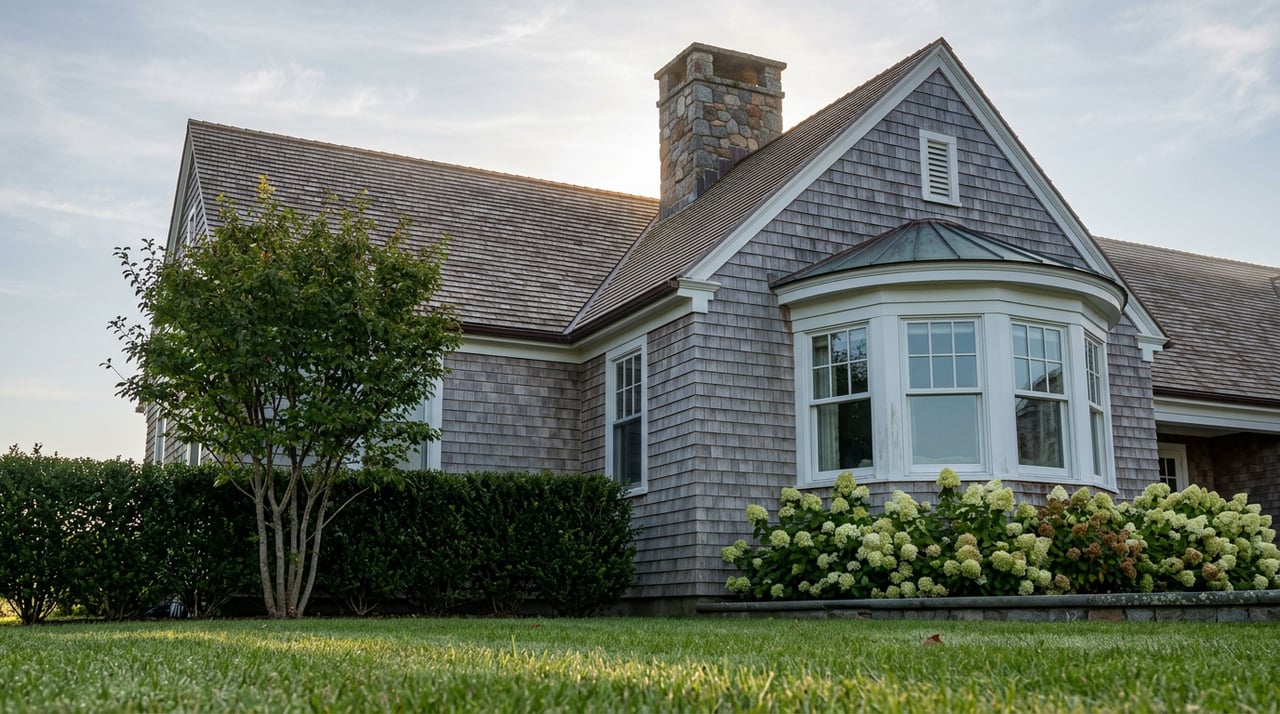
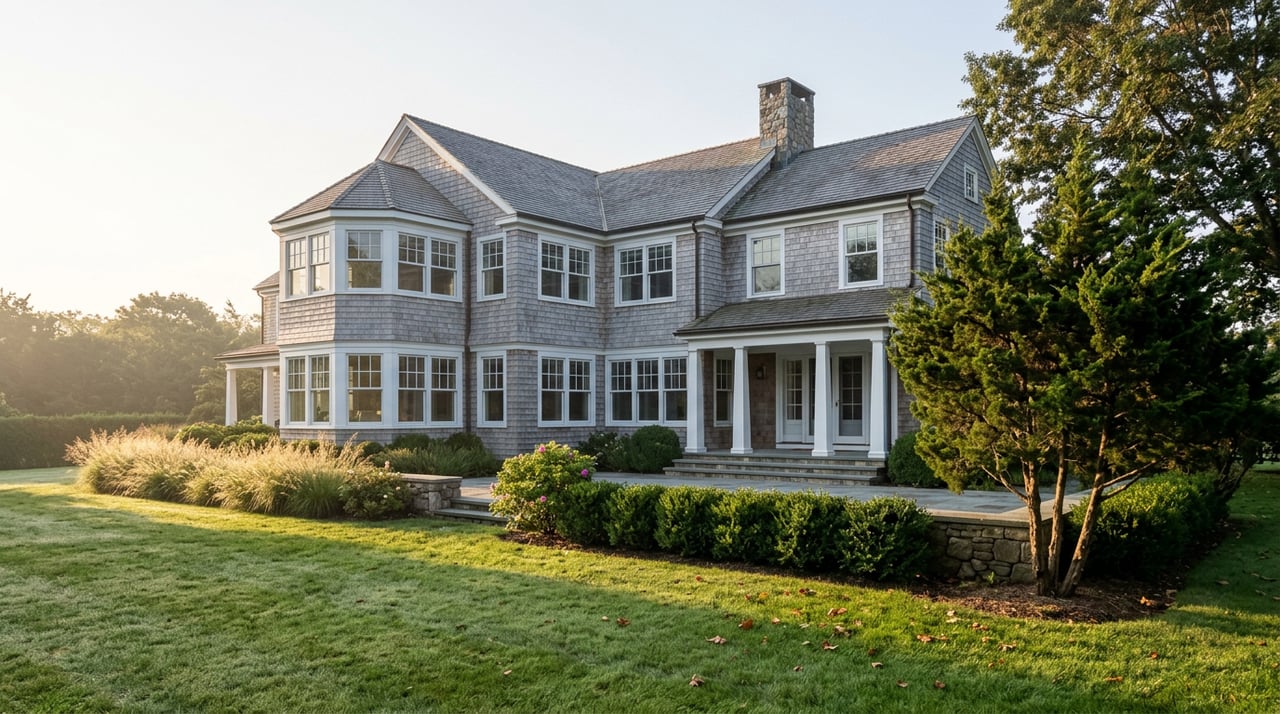
"The market is simple, it's supply and demand, but there are only 27 single-family homes on the market in Harwich, and there is so much demand out there."
That's Richard Waystack, chair of Harwich's board of assessors and a Keller Williams realtor, explaining to the Cape Cod Chronicle why the Boston Business Journal just named Harwich the hottest housing market in Massachusetts for the second quarter of 2026, and the 15th hottest in the country, based on sales activity in the 02645 zip code. It's a tidy explanation. It's also incomplete in a way that matters if you're actually shopping in Harwich this year.
Twenty seven listings is not a market getting hotter. It's a market with almost nothing in it. And with inventory that thin, a headline number can reflect which homes happen to sell more than any surge in buyer demand.
What The Average Is Actually Measuring
The stat driving the ranking was the average sale price in the Harwich zip code for Q2 2026: $1,112,314, up roughly $250,000 from the same quarter a year earlier. That is a genuinely large jump. But Waystack's own next sentence explains where it came from. Harwich's market, he told the Chronicle, is split between homes in the $500,000 to $800,000 range and homes over $1 million, with higher priced properties between $5 million and $6 million still selling even as there is no low end inventory left at all.
Averages don't hold up well against that kind of split. A single closing in the $5 million to $6 million range can move a quarterly average substantially. You don't need a wave of new buyers to produce a quarter-million-dollar swing. You need one or two sales at the top of the range and a shortage everywhere else.
For comparison, the two zip codes that placed just behind Harwich in the same ranking, Eastham (02642) and Brewster (02631), reported a $1,310,852 median in Eastham and a $567,977 average in Brewster for the same quarter. Three Lower Cape zip codes, three very different price pictures, one statewide ranking that treats them as comparable data points. They aren't measuring the same thing, and Harwich's number is the most averaging-sensitive of the three because its inventory is the thinnest.
The Same Quarter, Called "Neutral" By The People Who Track It
Here's the part that should give a buyer pause before treating the ranking as a demand signal. The Cape Cod and Islands Association of Realtors, which tracks the whole county, described the same quarter in far calmer terms. CCIAOR president Steve Seaver called Q2 2026 "a neutral market as sales prices, days on market, and low inventory levels are similar to last year at this time," according to the association's own release covered in the same Chronicle report. Countywide, the median sale price of residential property was $725,000, up just 1.4% from $715,000 in 2025. New listings across Barnstable County rose 12% and the number of sales rose 8% over 2025, modest by any definition of a hot market.
The one region where CCIAOR did report an outsized shift was the Lower Cape, where sales volume rose 17.4% over 2025 and the median sale price reached $855,000 for the quarter. That's a real, broad-based move. It's also a regional trend spanning Chatham, Orleans, Brewster, Eastham, and Harwich together, not a Harwich-specific phenomenon. The zip-code ranking and the association's own read on the same three months are describing two different things: one is a statistical artifact of a thin, top-heavy pool, the other is a modest, regionwide firming that includes Harwich but isn't unique to it.
A six-month trailing report using MLSPIN data through mid-May 2026 puts a steadier number on the town: a $760,000 median sale price, $471 per square foot, 90 units sold, and a 29-day median time on market. That figure, built on 90 sales rather than a handful, is a far more useful starting point for a buyer than the quarter's average.
Harwich Is Seven Villages, Not One Number
Whatever the headline says, Harwich isn't a single market to walk into. The town is made up of seven villages, Harwich Port, Harwich Center, Pleasant Lake, and North, South, East, and West Harwich, and the price gap between them is wide enough that "the Harwich market" is close to meaningless as a phrase.
| Area | Property Type | Approximate 2026 Range |
|---|---|---|
| Harwich Port | Waterfront | $1.5M and up |
| Harwich Port | Converted cottages near the harbor | $1M – $2M |
| Interior villages (East, West, North, South, Pleasant Lake) | New mini-subdivision construction | $1M – $1.8M |
| Interior villages | Converted farmhouses, wooded lots | $600K – $1.2M |
| Harwich Center and surrounding | Established, walkable residential | $700K – $1M |
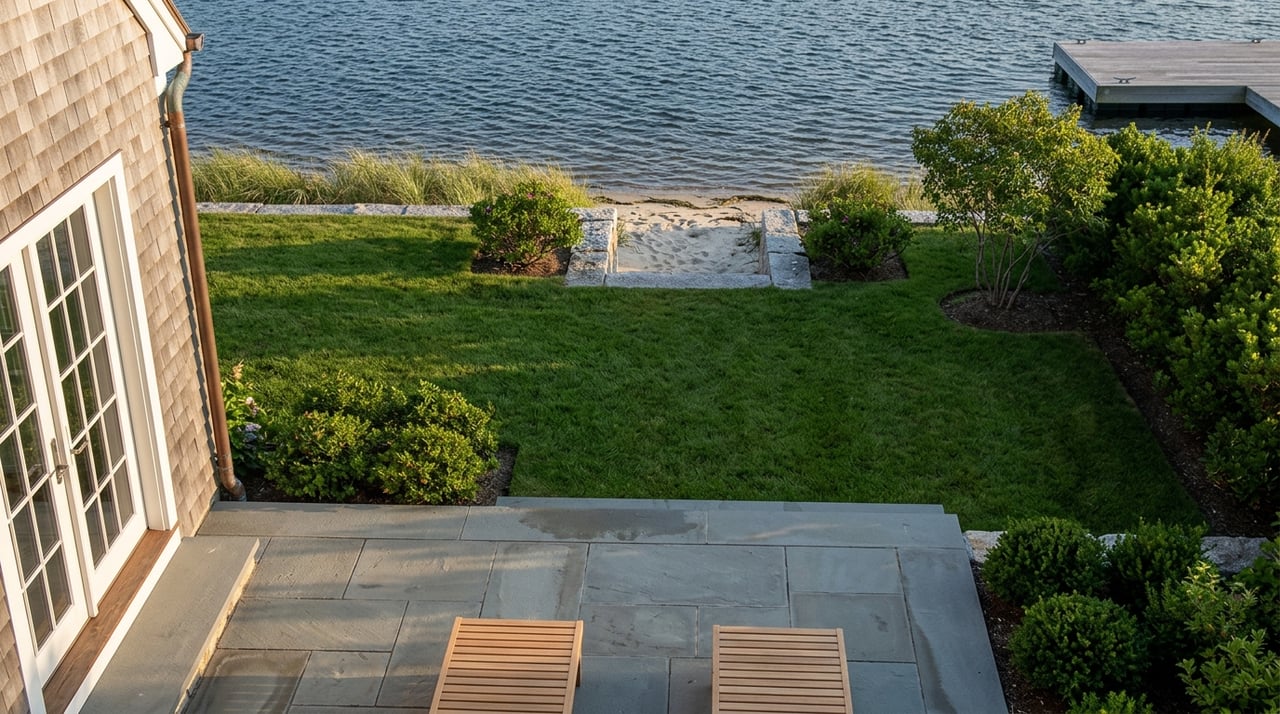
Harwich Port carries the premium, and adjacency to Wychmere Harbor pushes it higher still. The interior villages split between new construction on subdivided land and older, converted homes on wooded lots, with pricing tied closely to proximity to Route 28 or water access. Harwich Center sits apart from both, described by local market watchers as less speculative and more stable, with a higher rate of owner-occupancy than the seasonal corridors nearer the water.
That stability has a geography to it. Year-round neighborhoods, Harwich Center and the North, South, and East villages, tend to trade more slowly and hold price more consistently. The seasonal corridor along the water, Harwich Port and the area near Wequassett, moves faster and prices higher. If you're comparing "Harwich" to another Lower Cape town using a single median, you're comparing an average of these very different patterns to whatever mix drives that other town's number.
The Friction Buyers Don't See Until The Appraisal Comes Back
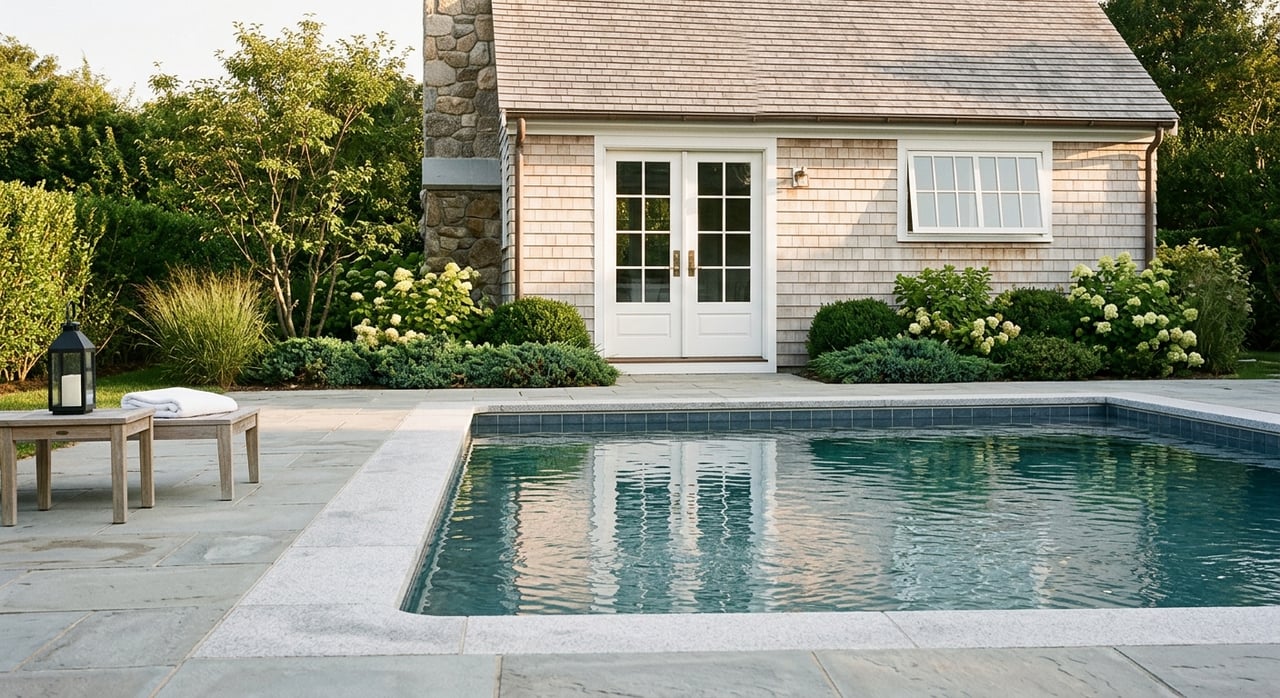
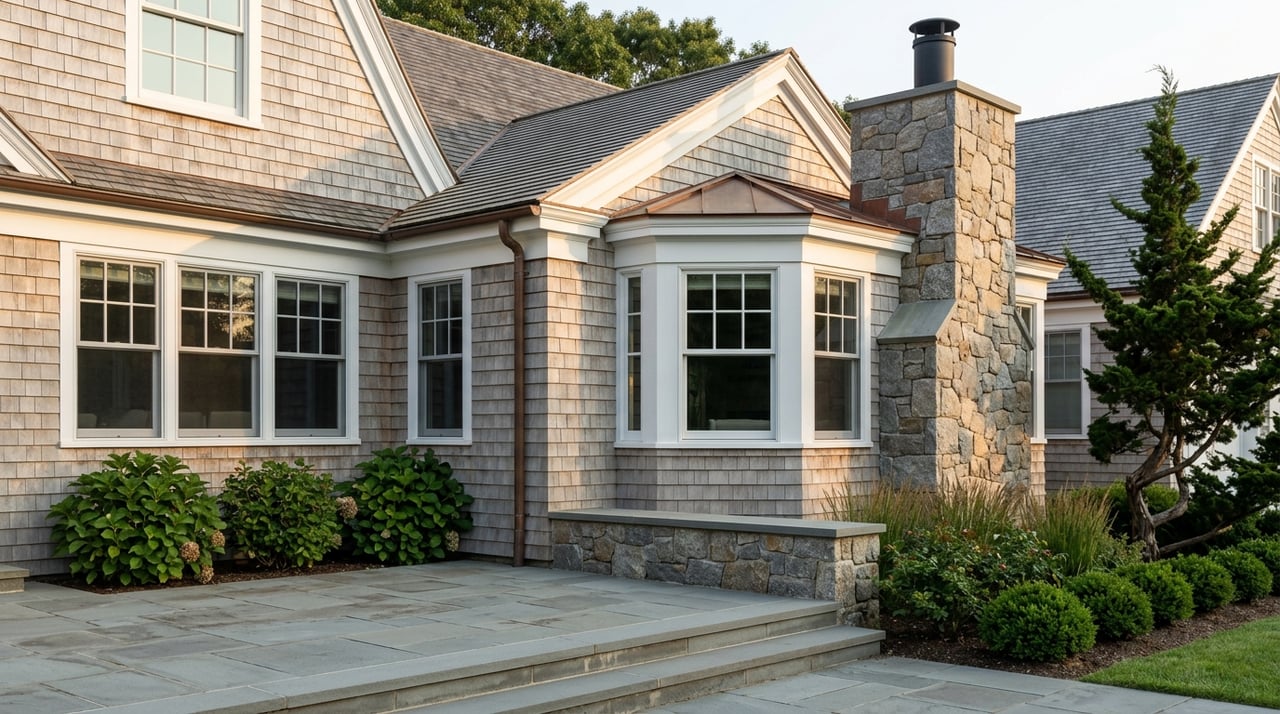
Harwich Port's price growth is being driven in large part by something visible on almost every side street: cottage-to-mansion conversions, where a half-acre seasonal cottage is torn down and rebuilt as a three-story, roughly $1.8 million home. The interior villages have their own version, where two-acre wooded parcels are becoming four to eight home subdivisions.
This is where the ranking's excitement runs into a practical problem for a buyer with a mortgage. When a cottage becomes a mansion, there often isn't a clean comparable sale nearby. The house next door might have sold for a third of the price two years ago as a modest seasonal property. Lenders and appraisers can struggle to categorize a new luxury build sitting inside what is, on paper, still a cottage neighborhood, and that mismatch shows up as appraisal risk rather than a rejected offer. A buyer financing a recently converted property in Harwich Port should expect the comp search to be harder, should ask the listing agent directly what comparable sales the seller's own appraisal relied on, and should build in time and, if possible, cash flexibility in case the number that comes back doesn't match the contract price.
The scarcity of raw land compounds this. Waystack put a number on it: a quarter acre lot in Harwich is now selling for $200,000 to $300,000, and construction costs have risen to the point that a house simply can't be built for $400,000 or $500,000 anymore. Builders are competing for what little land remains, which is part of why the low end of the market, the homes a working buyer might have found five years ago, has largely disappeared.
What This Means If You're Weighing Harwich Against A Neighboring Town
Harwich isn't positioned the way Chatham or Orleans are, as a destination people buy into for the view. Its five converging state routes, 6, 28, 39, 124, and 137, make it more of a functional town, one people buy into to live and work rather than purely to vacation. That steady, year-round demand is part of what keeps transaction volume high even as the top-line price swings with a handful of luxury sales.
In the twelve months leading into mid-2026, Harwich recorded roughly 185 sales at a median near $800,000, compared to about 117 sales at $850,000 in neighboring Brewster over the same stretch. Harwich moves more homes at a nearly identical price point, which points to a market built on turnover and functional appeal rather than exclusivity. If speed and a broader range of price points matter more to you than a slower, more curated pace, that distinction is worth more than either town's ranking on a national list.
Frequently Asked Questions
Does Harwich's "hottest market" ranking mean I'll face bidding wars on every listing? Not evenly. The ranking reflects an average influenced by high-end sales in a market with limited inventory. Harwich Center and the interior villages, where inventory and pricing are more stable, behave differently than the waterfront corridor in Harwich Port, where competition for the few available homes is sharper.
Why is there so little inventory in the $500,000 to $800,000 range? Waystack attributes it to owners staying in place longer rather than trading into today's rates, combined with builders absorbing the limited land that would otherwise become entry-level housing.
What should I ask before making an offer on a recently rebuilt home in Harwich Port? Ask what comparable sales the listing's own valuation relied on, and confirm with your lender in advance how they plan to handle an appraisal in a neighborhood where recent construction has little direct precedent nearby.
A ranking is a headline. What you're actually buying is a specific street in a specific village, at a specific moment in its own conversion cycle. If you're weighing Harwich against another Lower Cape town, or trying to read what a cottage-to-mansion listing in Harwich Port actually means for your financing, Paul Grover can walk through the village-level detail with you. Start a confidential conversation before you write an offer, not after the appraisal comes back short.
This article is general information, not legal, tax or financial advice. Consult a qualified professional about your situation.