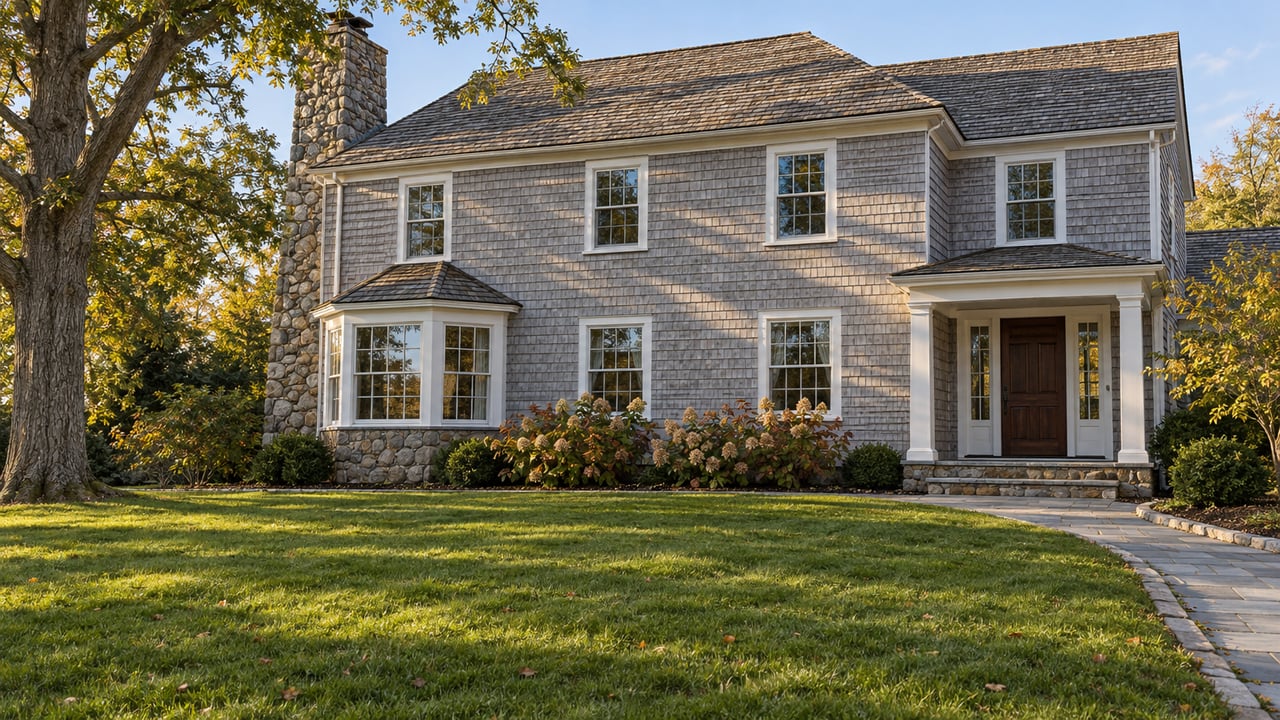
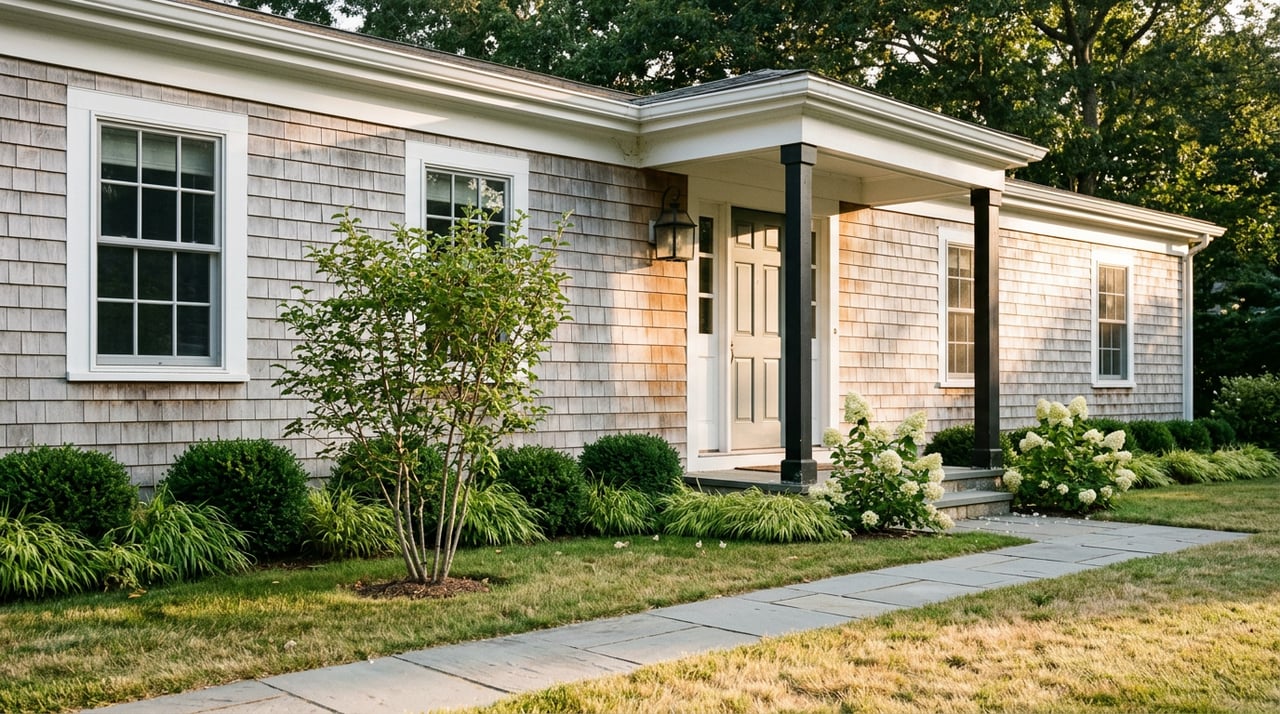
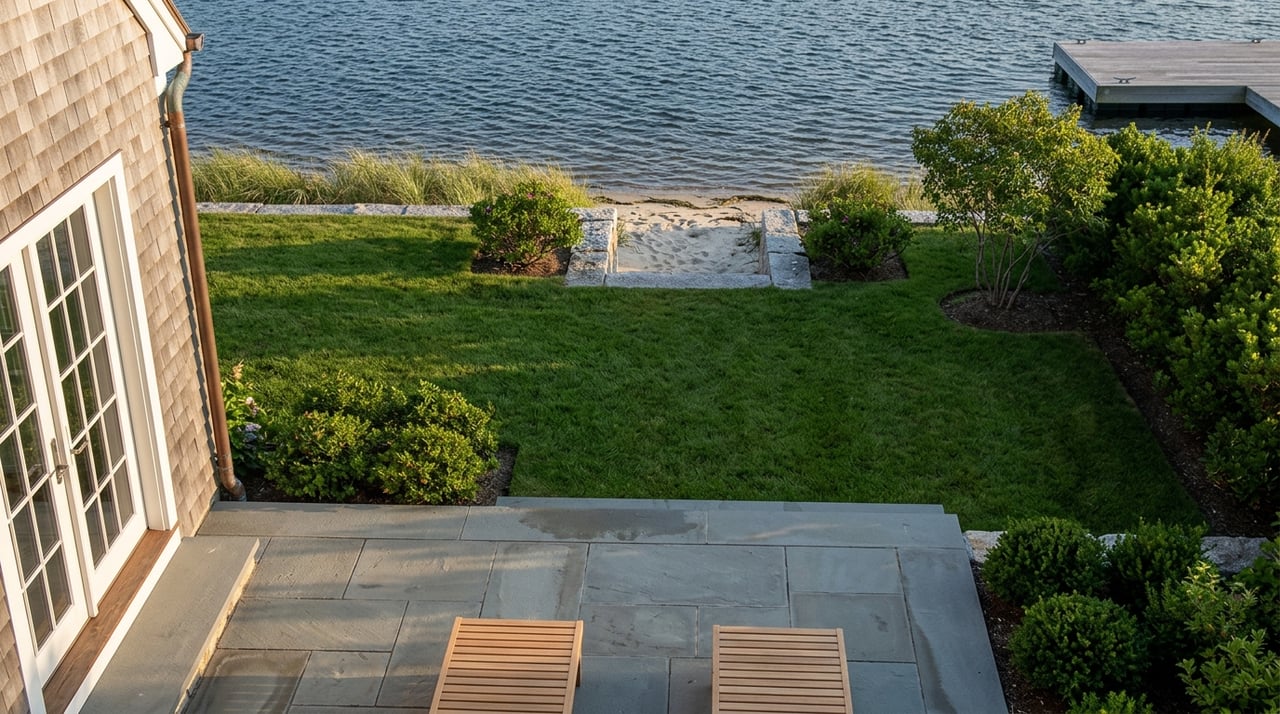
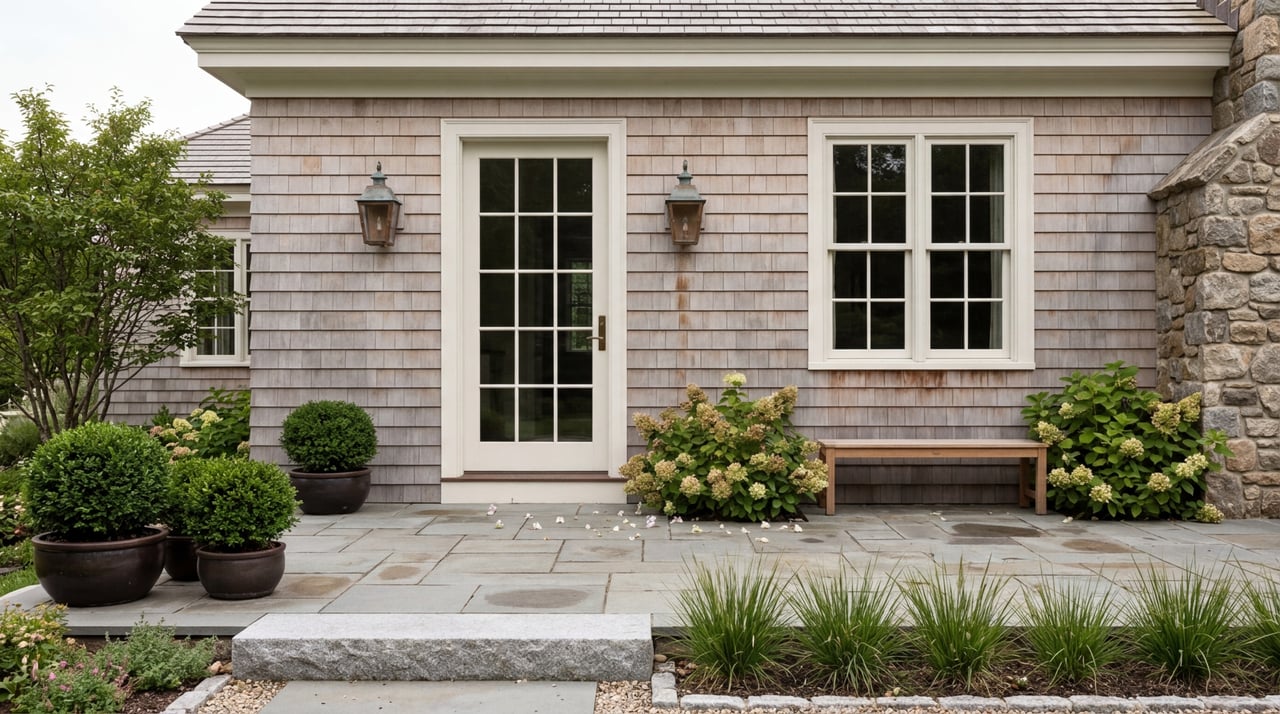
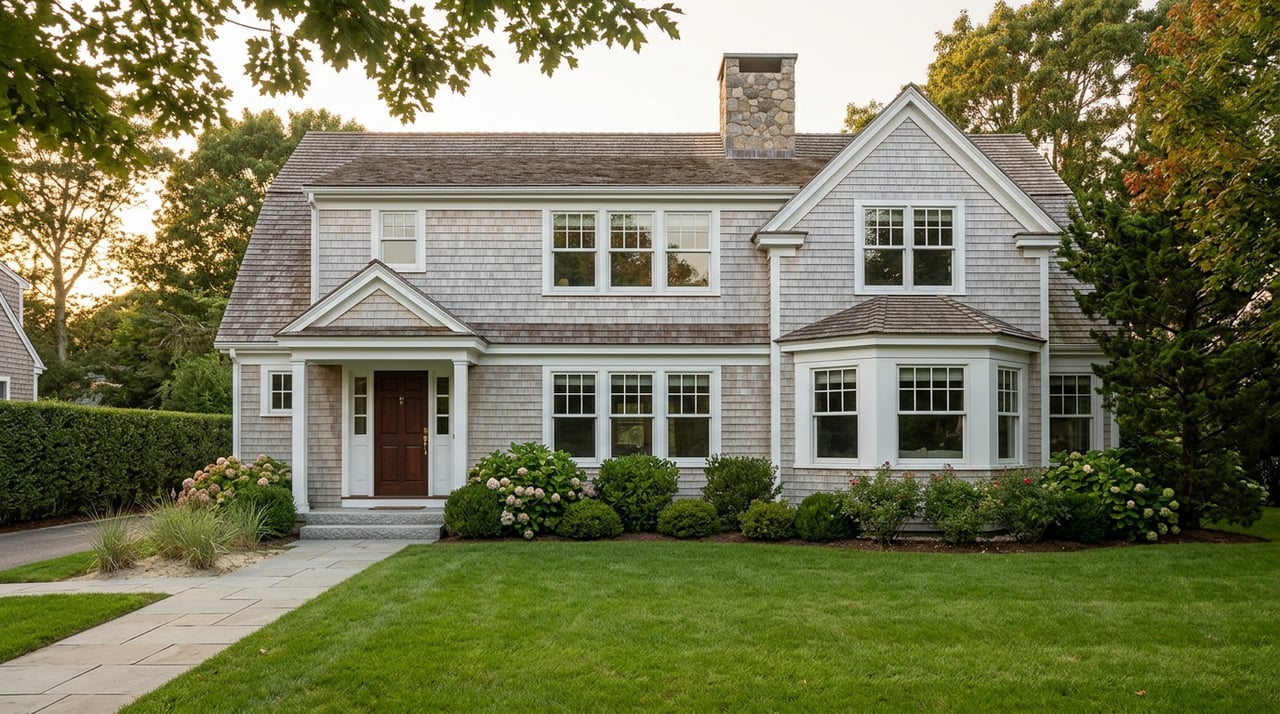
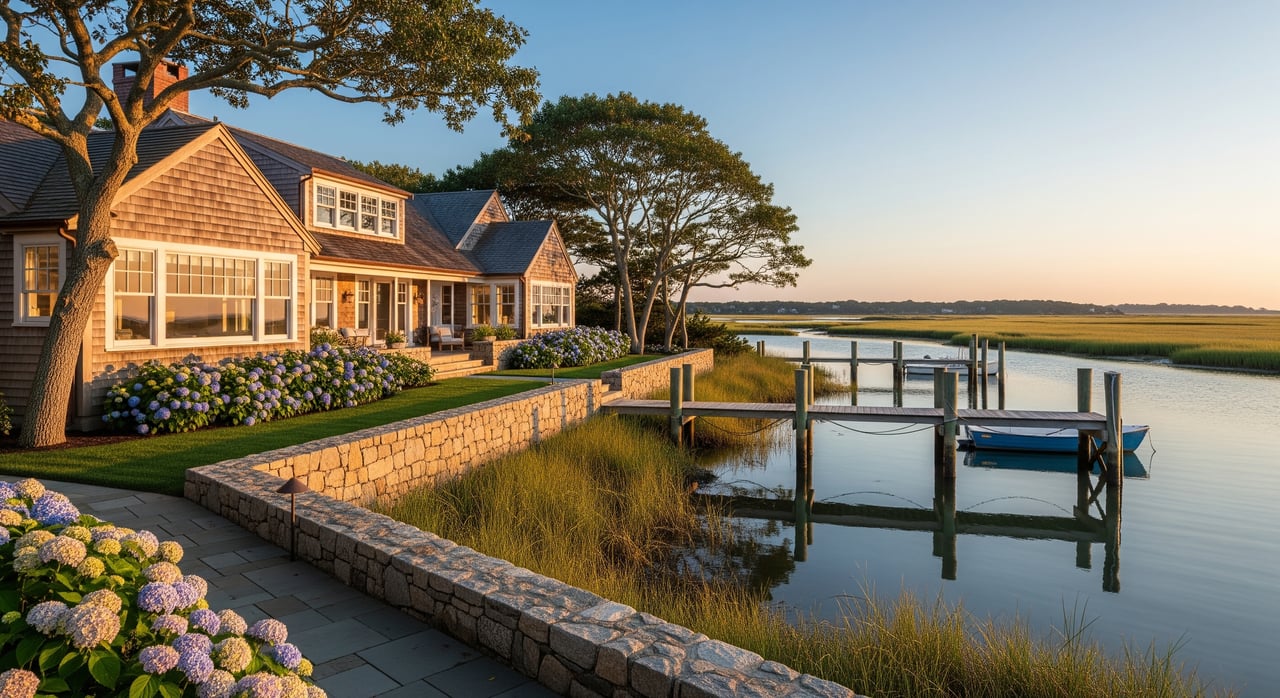
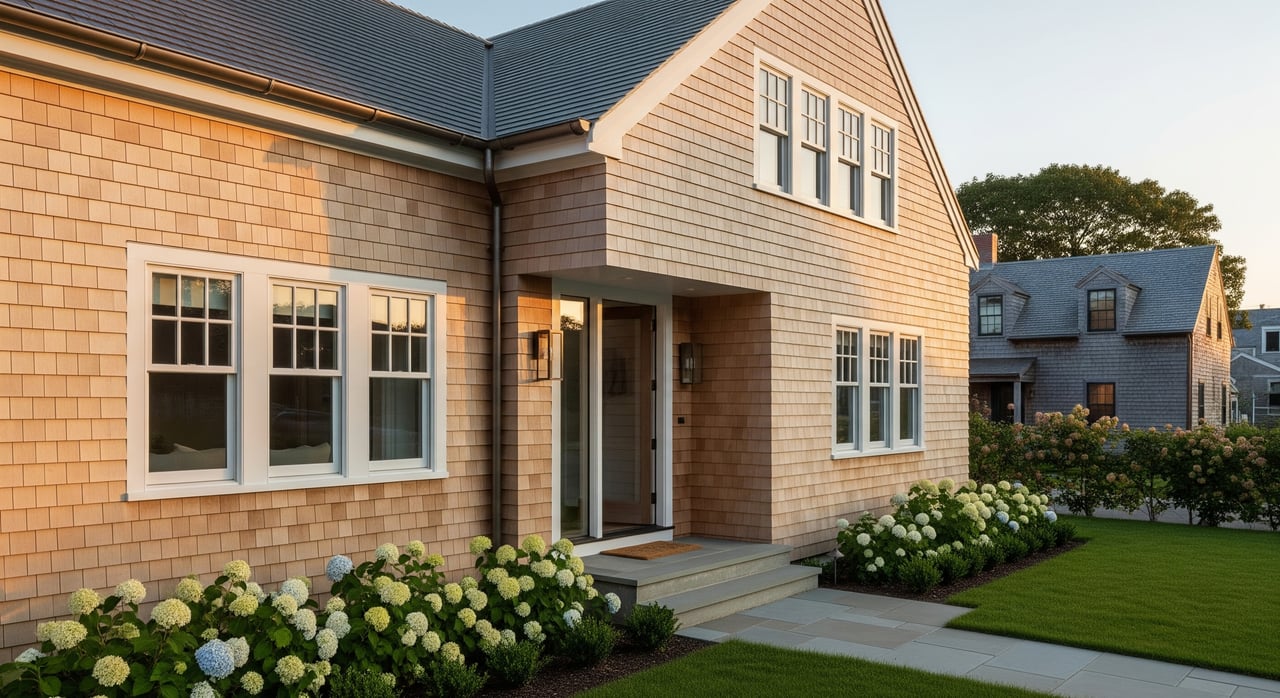
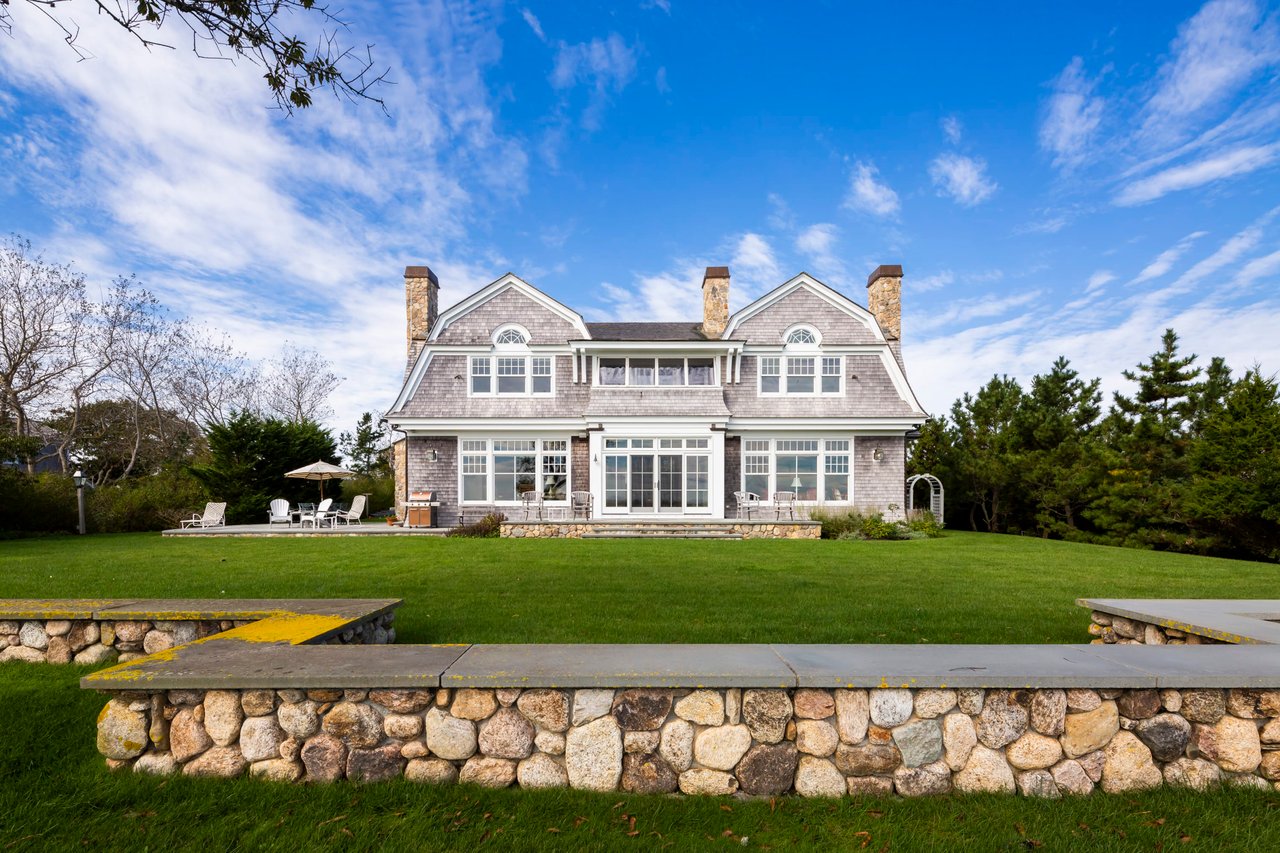
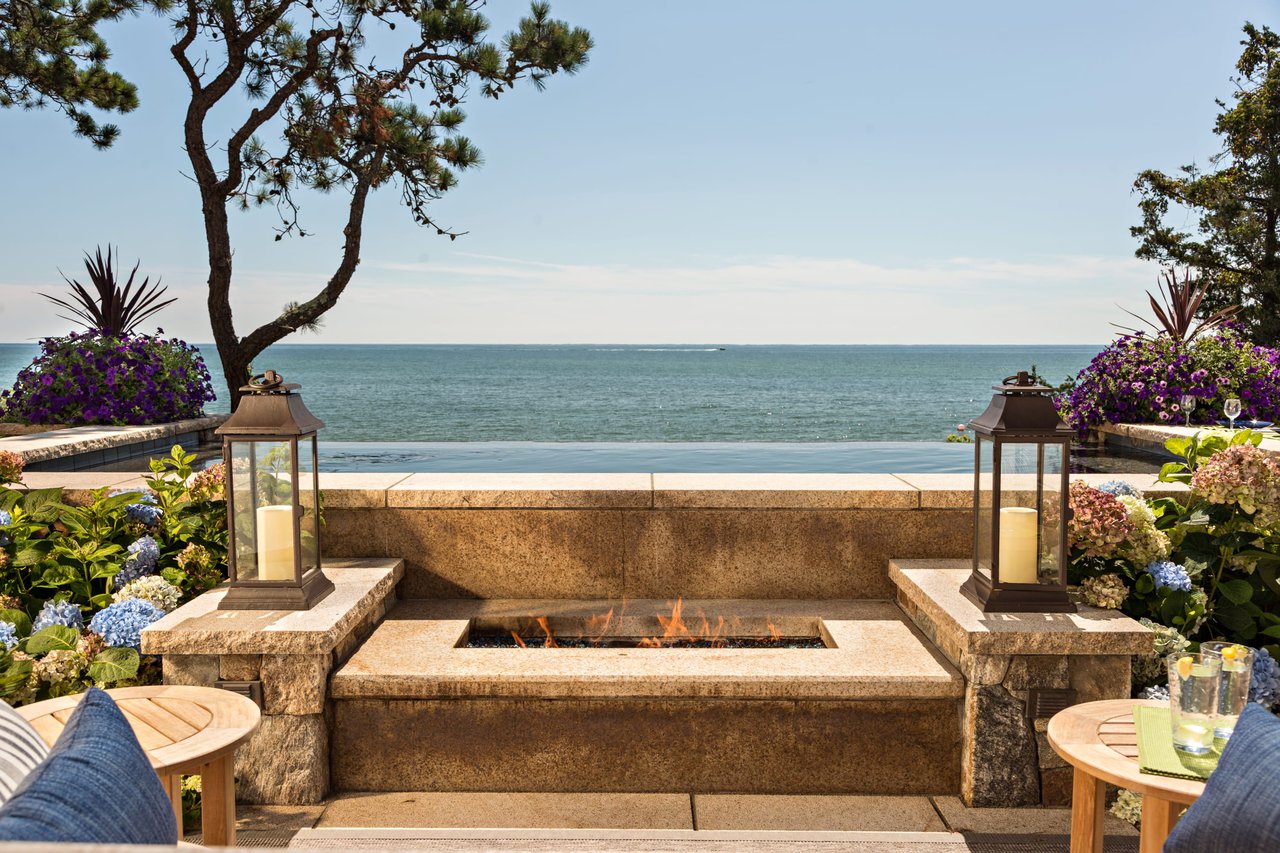
A buyer touring New Seabury for the first time hears "club community" and pictures something bundled: a golf cart in the garage, a locker at the beach club, a standing reservation at the clubhouse restaurant. The listing photos show the Ocean Course fairway, a dock on Popponesset Bay, and the clubhouse setting.
Club access is separate from homeownership. The 2026 Membership Plan governing The Club at New Seabury states plainly that owning a residence or lot inside the community does not create a vested right or easement to use its facilities. Golf, the two beach clubs, tennis, the fitness center, the pools, all of it sits behind a membership application and a separate bill that has nothing to do with the deed. A buyer can close on a $2 million cottage on Popponesset Island and still be a guest at the clubhouse until they pay to join it.
The distinction between what the deed conveys and what club membership provides is worth understanding before an offer is made in this part of Mashpee.
What the closing actually transfers
Every home inside New Seabury's 29 villages, from Bright Coves and Fells Pond to Popponesset Island and Maushop Village, sits under the governance of the Peninsula Council, the community's homeowners association. That part is automatic. Maintenance fees and a Special Maintenance fee run with the property's deed regardless of who owns it or whether they ever set foot in the clubhouse. Those fees cover road repair, catch basins, gaslight operation, and landscaping for the shared areas. On top of that, the Peninsula Council charges a modest annual membership due, billed per owner rather than per property, that funds the quarterly Peninsula Reporter and the staff who collect fees and manage the architectural review process.
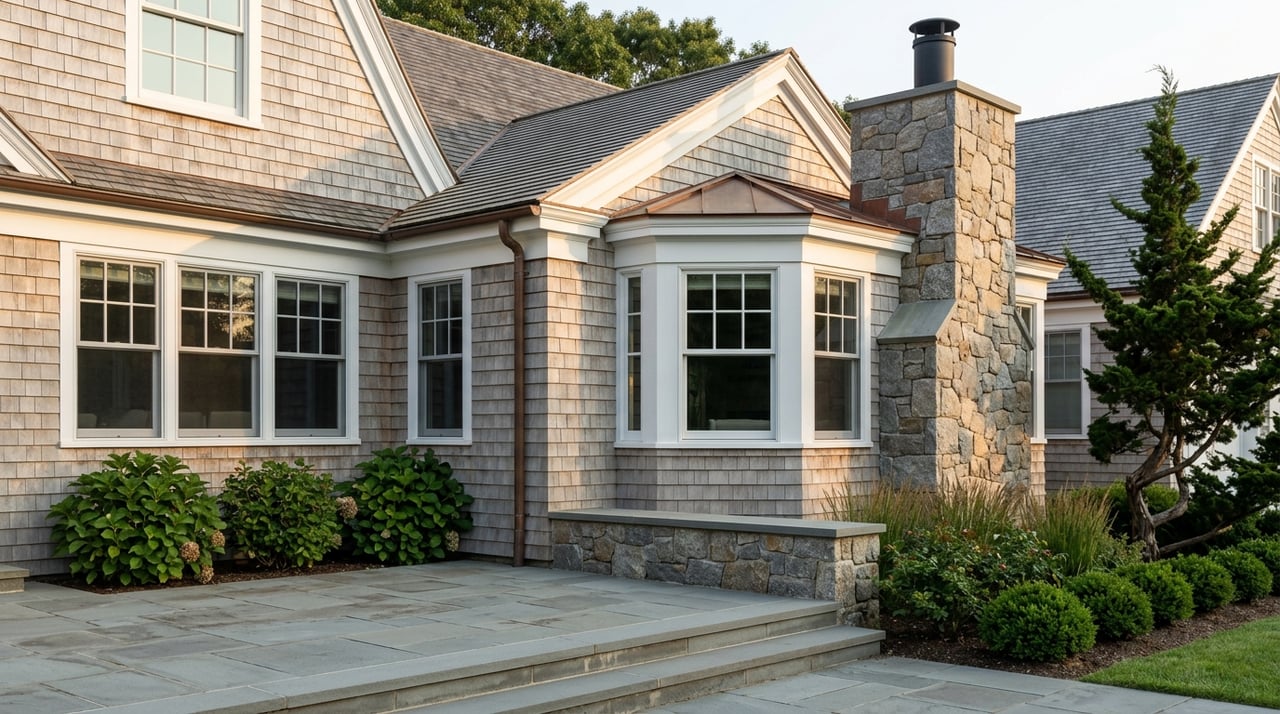
The architectural piece matters more than it sounds. New Seabury's Architectural Review Committee has authority over nearly any visible change to a home: repainting, reroofing, residing, replacing windows or doors, installing a fence, removing a tree, adding a pool, a deck, or a retaining wall. Simple front-yard landscaping requires a sign-off. That authority has been assigned to the Peninsula Council since 2003 and it applies across the community except for construction by the current developer, New Seabury Properties. For a buyer used to Cape towns where exterior renovation means a building permit and a conversation with a contractor, this is a second layer of approval that can shape a timeline and a budget long before the first golf cart shows up.
None of that is optional. All of it comes with the deed. The Peninsula Council's deed-based obligations and the club's membership plan operate separately.
The membership that isn't included
The Club at New Seabury's 2026 plan lists four tiers, and the spread between them tells you exactly how the community prices access to the water and the fairways.
Membership tier | Initiation fee | Annual dues |
|---|---|---|
Diamond (full golf access) | $100,000 | $23,400 |
Lifestyle Plus (golf waitlist) | $85,000 | $16,800 |
Lifestyle (non-golf) | $65,000 | $12,720 |
Silver (existing members, age-restricted) | N/A | $13,860 |
All four tiers include tennis, the fitness center, the oceanfront pool and beach, and the Athletic Club. The real divide is golf. Diamond gets full access to both championship courses. Lifestyle Plus buys a spot on the golf waitlist rather than the golf itself. Lifestyle skips golf entirely and is built for owners who came for the beach and the dining rather than the fairways. Initiation fees, where applicable, are nonrefundable and nontransferable, and membership renews annually, which means a buyer inheriting a membership from a prior owner is inheriting nothing. The next owner starts from zero.
Run the arithmetic on a Diamond membership and the first year alone adds $123,400 on top of the purchase price, before a single round of golf. Even the entry-level Lifestyle tier adds $77,720 in year one. For a buyer comparing a New Seabury waterfront home to a similarly priced property in Cotuit or Osterville, the membership fees are separate expenses, not part of the home's purchase price or closing statement.
Five restaurants, one membership card
The clubhouse dining scene is real and it is one of the community's strongest draws. 95 Shore offers water views and a full dinner menu overlooking Nantucket Sound. The Sand Wedge Bistro serves café-style food at the clubhouse. The Popponesset Inn, open since 1962 in a building that once served as the Officers' Club for the old Otis Air Force Base, sits beachfront with sweeping views toward Martha's Vineyard. The Lure sits directly on the beach. The Athletic Club Café rounds it out with a health-focused menu.
All five are seasonal and all five sit inside the club's footprint. A homeowner without a membership can still book a table at some of these venues depending on the season and the event, but a regular routine of breakfast at the Athletic Club Café, a beach afternoon, and dinner at 95 Shore involves club facilities, and homeownership alone does not include club membership.
Not every Mashpee club works this way
Willowbend, Mashpee's other private club community, takes a different approach. Its own materials describe it as a private club community reserved exclusively for homeowners and members, and it does not accept rental inquiries from anyone outside that group. That is a tighter structure than New Seabury's, where membership is available to non-owners and owners alike but tied to none of them automatically. A buyer comparing the two communities is really comparing two different philosophies about who gets to use the amenities and under what terms, not just two different price points.
That distinction should shape which questions get asked before an offer goes in anywhere in Mashpee's private-community market. What are the current Maintenance and Special Maintenance fee amounts. Does the Architectural Review Committee have any pending guideline changes that would affect a planned renovation. Is club membership available on request or is there a waitlist, particularly for golf. What happens to a membership if the home is later rented out. These are governing-document questions, not listing-sheet questions, and the answers vary by village and by community.
What the broader Mashpee numbers say about this premium
Mashpee's overall housing market gives some context for how much of this premium is actually being absorbed by buyers. In July 2026, homes listed to buy in Mashpee carried a median price of $799,000, and the median time on market had fallen to 41 days, a 29 percent drop from the same month a year earlier. That is a market moving quickly at the town-wide level.
New Seabury Homes, the community's builder, is still adding inventory well above that town-wide median. Osprey Court, a seven-homesite enclave with three home styles, is pricing from the low $2 millions. Ockway Village, described as the community's final cottage neighborhood, has two homes left, offered with private gated access and their own neighborhood pool. Both projects sit several hundred thousand dollars above the July 2026 town median before a buyer has even opened a membership application. Add a Diamond membership on top of an Osprey Court purchase and the total first-year cost of entry climbs well past what the sale price alone would suggest to a buyer scanning listings.
Frequently asked questions
Does buying a home in New Seabury automatically include club membership?
No. The 2026 Membership Plan states that ownership of a residence or lot does not create a vested right to use the club's golf, beach, tennis, fitness, or pool facilities. Membership is a separate application and a separate annual cost.
Can a new owner inherit the previous owner's membership?
No. Initiation fees are nonrefundable and nontransferable, and membership is billed annually. A new owner starts the process from the beginning regardless of what the seller held.
Are the Maintenance and Special Maintenance fees optional?
No. Both are mandatory obligations that run with the property's deed under the Peninsula Council's governing documents, separate from any club membership decision.
Does every village in New Seabury have the same rules?
The Peninsula Council governs all 29 villages, but individual villages can carry their own Village Declarations on top of the master documents, so the specifics of maintenance fees and architectural review can vary by village and should be confirmed before an offer.
A property in New Seabury or Willowbend is really two decisions layered into one purchase: the home itself, governed by mandatory HOA obligations that transfer automatically, and the lifestyle around it, which has to be applied for and paid for on its own terms. Understanding the distinction before making an offer can help buyers account for the separate membership costs.
If you're weighing a purchase in New Seabury, Willowbend, or elsewhere in Mashpee's private-community market, Paul Grover can walk you through the governing documents, the membership tiers, and what each actually costs before you commit to either one. Start a confidential conversation.
This article is general information, not legal, tax or financial advice. Consult a qualified professional about your situation.