Choosing between Cotuit and Osterville is not just about price or square footage. It is about how you want Cape Cod to feel when you arrive. If you are weighing these two neighboring Barnstable villages, you are likely looking for more than a house. You are looking for a setting that fits your routines, your priorities, and the kind of coastal ownership you want over time. This guide will help you compare Cotuit and Osterville through that lens so you can narrow your search with more clarity. Let’s dive in.
Cotuit and Osterville at a Glance
Cotuit and Osterville sit close to one another on the south side of Barnstable, yet they offer notably different experiences. According to the Town of Barnstable village planning materials, Cotuit is generally described as smaller, more harbor and bay oriented, and heavily residential. Osterville, by contrast, is framed as a seaside resort village with a quaint Main Street, boutiques, and a more polished atmosphere.
That distinction matters when you begin touring homes. In practical terms, Cotuit often appeals to buyers who want a quieter village feel with strong boating and arts ties. Osterville tends to speak to buyers who want a broader coastal setting, a more active village center, and a resort-oriented lifestyle.
Village Character and Setting
Cotuit feels intimate and residential
Cotuit covers about 5 square miles and is surrounded on three sides by Popponesset Bay, Cotuit Bay, and the Santuit River, with School Street Bridge serving as a main outside connection into Mashpee, according to the Cotuit Village Plan. That geography gives the village a tucked-away quality that many buyers notice right away.
The same plan highlights Cotuit’s strong preservation ethic and concentration of moorings. Together, those details help explain why the village often feels understated, established, and closely tied to the water. If your Cape Cod vision leans peaceful and low-key, Cotuit may feel immediately comfortable.
Osterville feels broader and more resort-oriented
Osterville covers about 5.8 square miles and features a 5-mile Nantucket Sound coastline plus 17 miles of shoreline along bays and estuaries, according to the Osterville Village Plan. Its planning documents emphasize the resort character that developed around Wianno and Oyster Harbors.
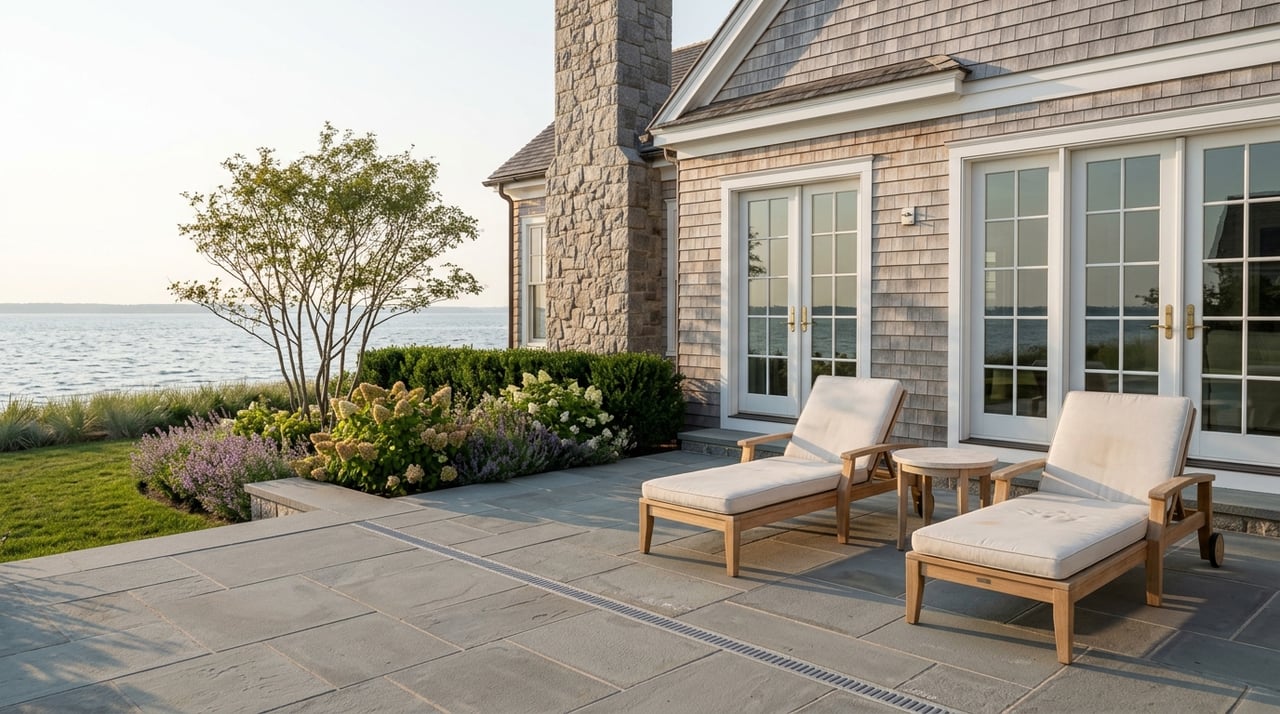
The result is a village with a more expansive waterfront identity and a more polished center-of-village experience. Protected barrier beaches, scenic roads, and longstanding coastal estates all contribute to that impression. If you want a Cape Cod setting that feels classic, refined, and more visibly resort-driven, Osterville may be the stronger fit.
Waterfront Access and Outdoor Lifestyle
Cotuit centers on harbor and bay life
If boating and harbor access sit high on your list, Cotuit offers a very specific kind of appeal. The town plan notes that roughly one-third of Cotuit Harbor and North Bay is occupied by boat moorings, with long waiting lists in Cotuit Harbor, North Bay, and Shoestring Bay, as outlined in the Cotuit Village Plan.
Key public water access points include Loop Beach, Cross Street access, Cotuit Town Dock, and Ropes Beach. The same plan notes that Loop Beach offers broad views, while Cross Street has more limited parking. For buyers who imagine kayaking, harbor boating, and a quieter bay-centered routine, Cotuit stands out.
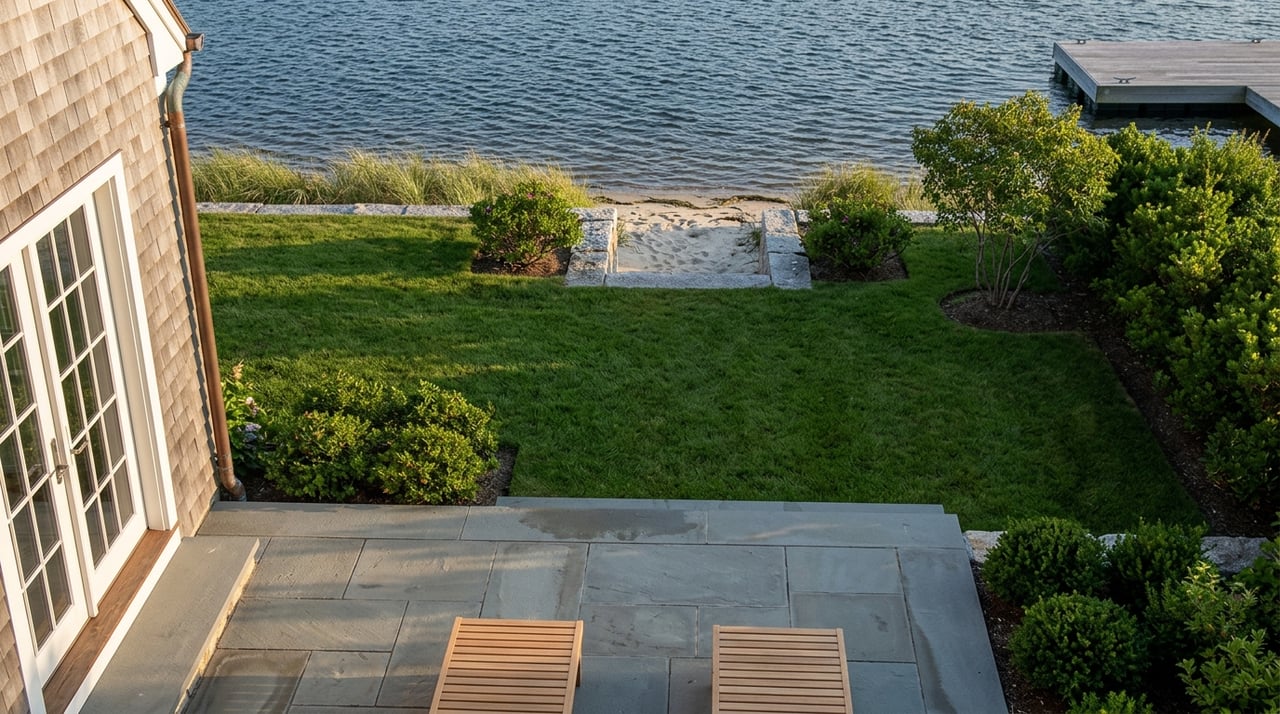
Cotuit also offers access to Sampson’s Island, a wildlife sanctuary reached by boat or kayak, which reinforces the village’s close connection to nature and protected coastal spaces. The overall experience is less about a broad public beachfront scene and more about daily life organized around harbor waters and local shoreline access.
Osterville offers more varied coastal settings
Osterville’s waterfront profile is wider in scope. The village plan states that its shoreline encircles 1,300 acres of protected waters and includes 102 acres of protected barrier beaches, as detailed in the Osterville Village Plan.
That broader geography gives you a more varied menu of coastal environments, including sound beach, harbor, marsh, and estuary settings. The town’s beach inventory includes Dowses Beach and Joshua’s Pond in Osterville. Town recreation materials describe Dowses Beach as a resident beach with a bathhouse and lifeguards, and the 2005 open-space plan identifies it as resident-only.
Public access can still be limited in places because many bays and estuaries are occupied by moorings, piers, and docks. Even so, for buyers seeking a wider range of shoreline experiences, Osterville presents more variety.
Arts, Culture, and Village Life
Cotuit has a strong arts identity
Cotuit’s civic profile is shaped by arts, history, and summer traditions. ARTS Barnstable highlights the village as home to Cotuit Library, the Historical Society of Santuit and Cotuit, the Cotuit Kettleers at Lowell Park, the Cahoon Museum of American Art, and the Cotuit Center for the Arts.
Cotuit Library describes itself as the heart of the village since 1874, while Cotuit Center for the Arts reports serving more than 40,000 visitors yearly through exhibitions, theater, classrooms, and outreach. The Kettleers also bring a strong seasonal presence, with the organization reporting 17 Cape Cod Baseball League championships. If you want a village where arts programming and local traditions shape the rhythm of the year, Cotuit has a distinctive pull.
Osterville leans toward Main Street and museums
Osterville’s cultural life presents differently. ARTS Barnstable describes it as a village with sophisticated shops and charming restaurants, while the town’s preservation materials point to the Osterville Historical Society museum complex, the Osterville Village Association, and seasonal events such as Village Day and the Christmas Open House.
The museum complex includes the Captain Jonathan Parker House, the Cammett House, and wooden boat buildings, tying the village closely to its maritime story. For buyers who value a walkable village center with shops, events, and museum programming, Osterville often feels more active on the retail and event side.
Club and Social Access
Cotuit connects easily toward Mashpee
For some buyers, club access and regional convenience shape the decision as much as architecture or lot size. Cotuit’s village plan notes that School Street Bridge is a principal outside connection into Mashpee, which can matter if your routines extend beyond the village itself.
That makes Cotuit a more direct fit for buyers also considering nearby official club options in Mashpee, including Willowbend and The Club at New Seabury, as referenced in the research. If your lifestyle blends a quieter home base with regular movement toward Mashpee amenities, Cotuit may align well.
Osterville has a denser in-village club presence
Osterville, on the other hand, has a stronger in-village club cluster. Official club sites place the Wianno Club, Wianno Yacht Club, and Oyster Harbors Club in or adjacent to Osterville, while the town preservation plan ties Wianno and Oyster Harbors to the village’s summer-resort history.
For buyers prioritizing a polished social environment with established club traditions nearby, that concentration can be meaningful. It contributes to Osterville’s reputation as a more resort-centered village with a longer-standing seasonal social framework.
Home Styles and Architecture
Cotuit offers a broad historic mix
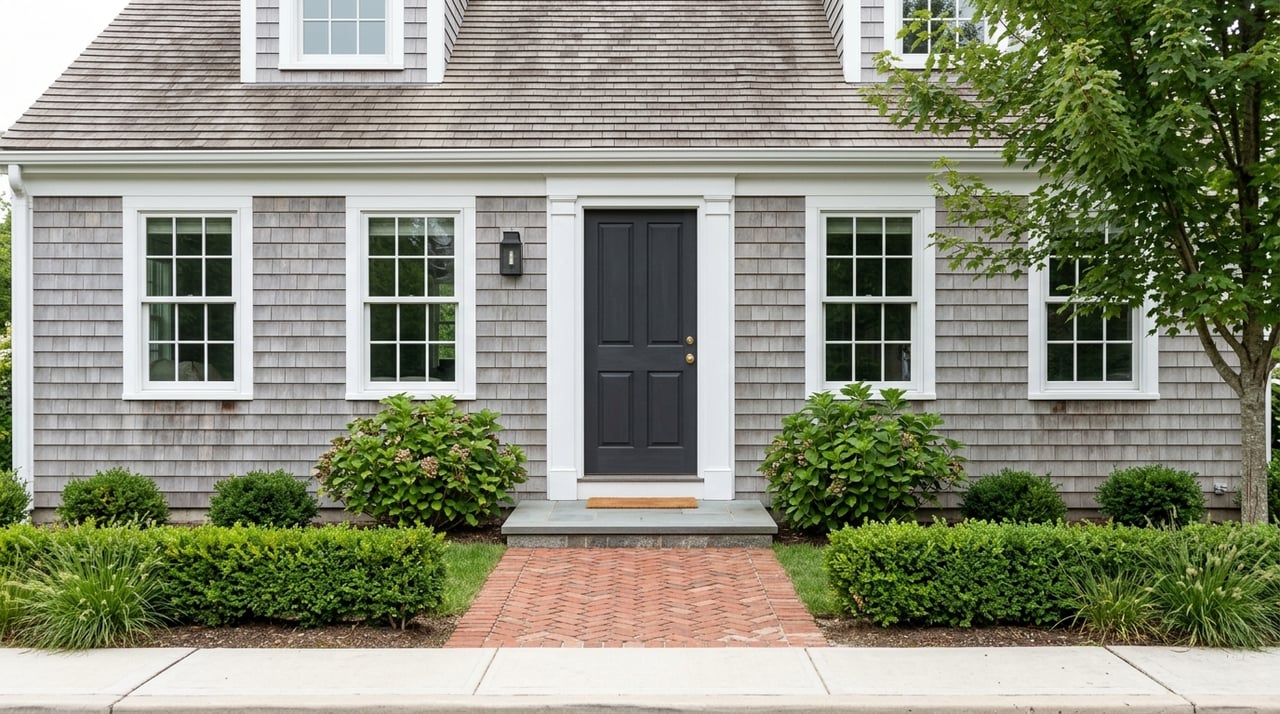
Cotuit’s housing stock reflects its long village history. The Cotuit walking tour documents Cape, Greek Revival, Federal, Queen Anne, Colonial Revival, Italianate, French Provincial, and Mansard examples, especially around Main Street and School Street.
That range gives buyers several possible entry points, depending on whether you are drawn to a classic village house, a coastal property, or a home with period character. Cotuit often feels less uniform and more quietly layered, which can be appealing if you value individuality and a lived-in village setting.
Osterville reflects summer-resort architecture
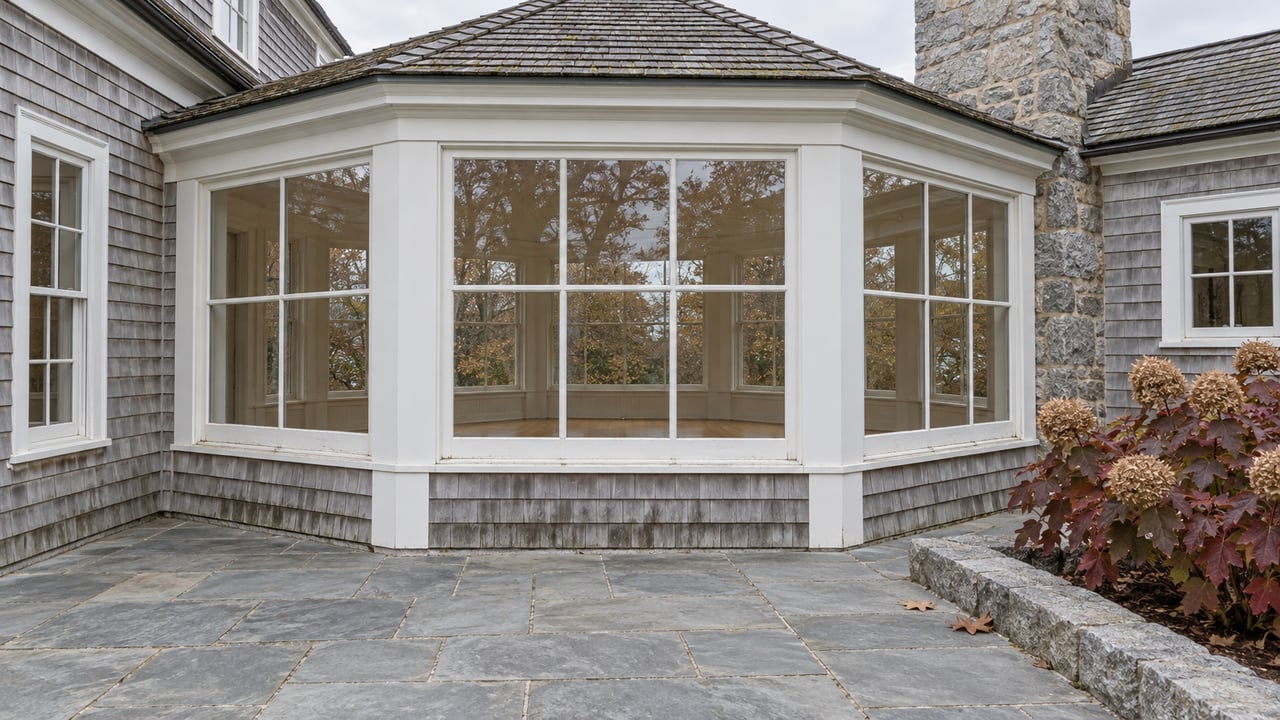
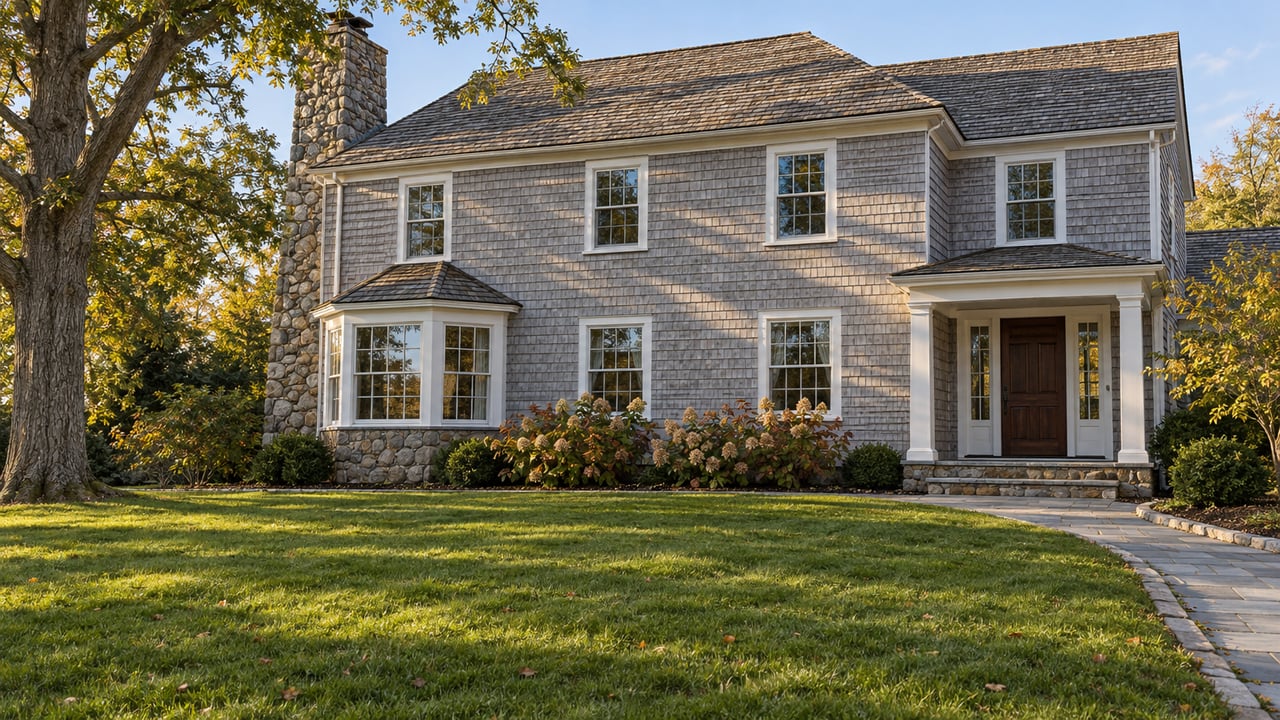
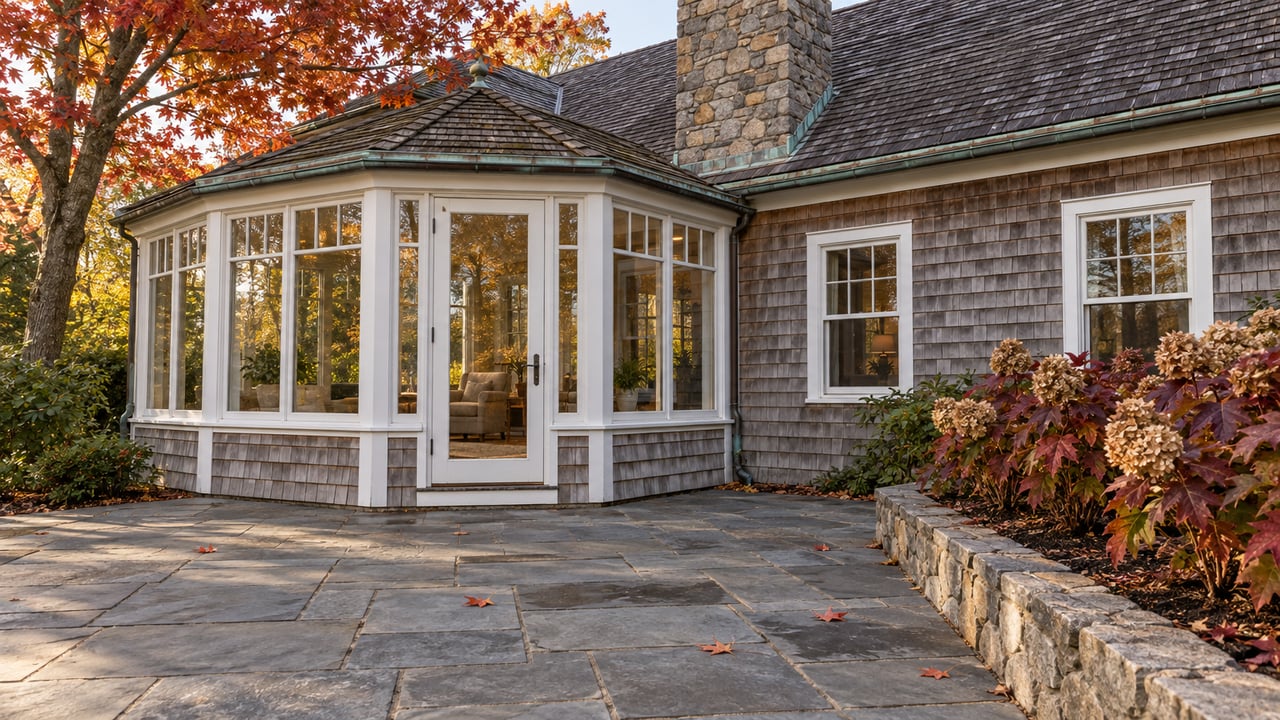
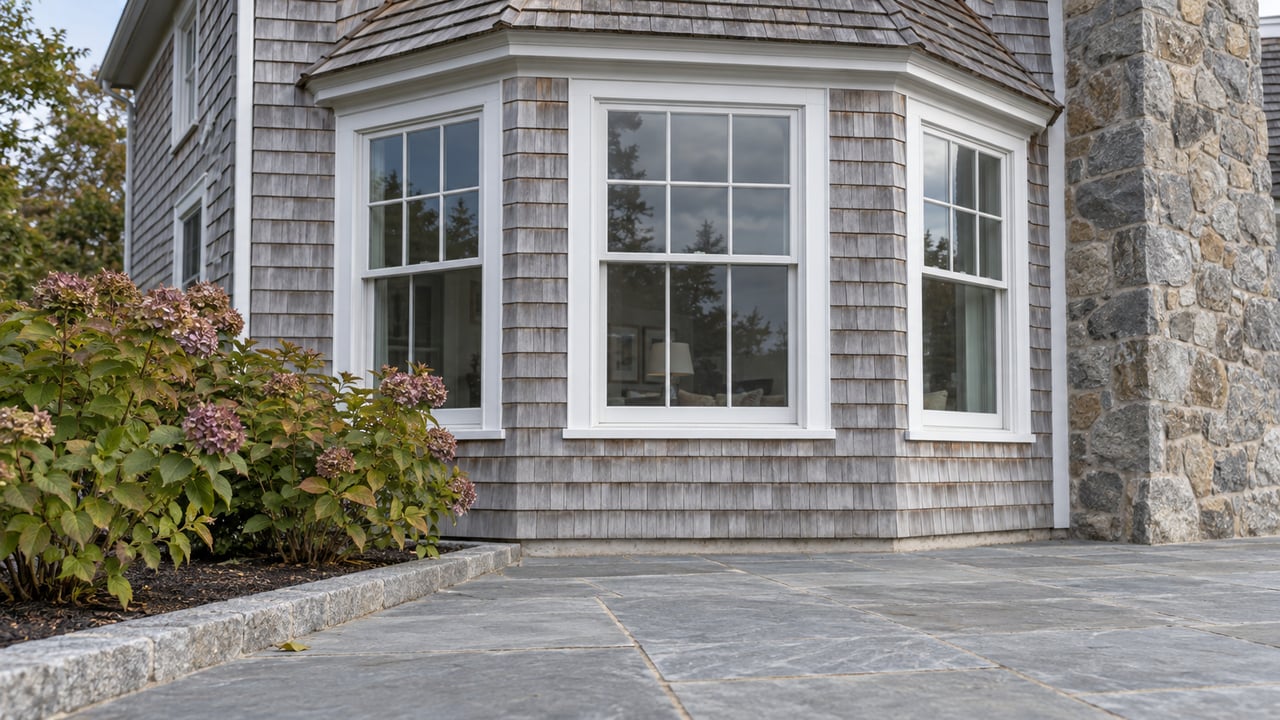
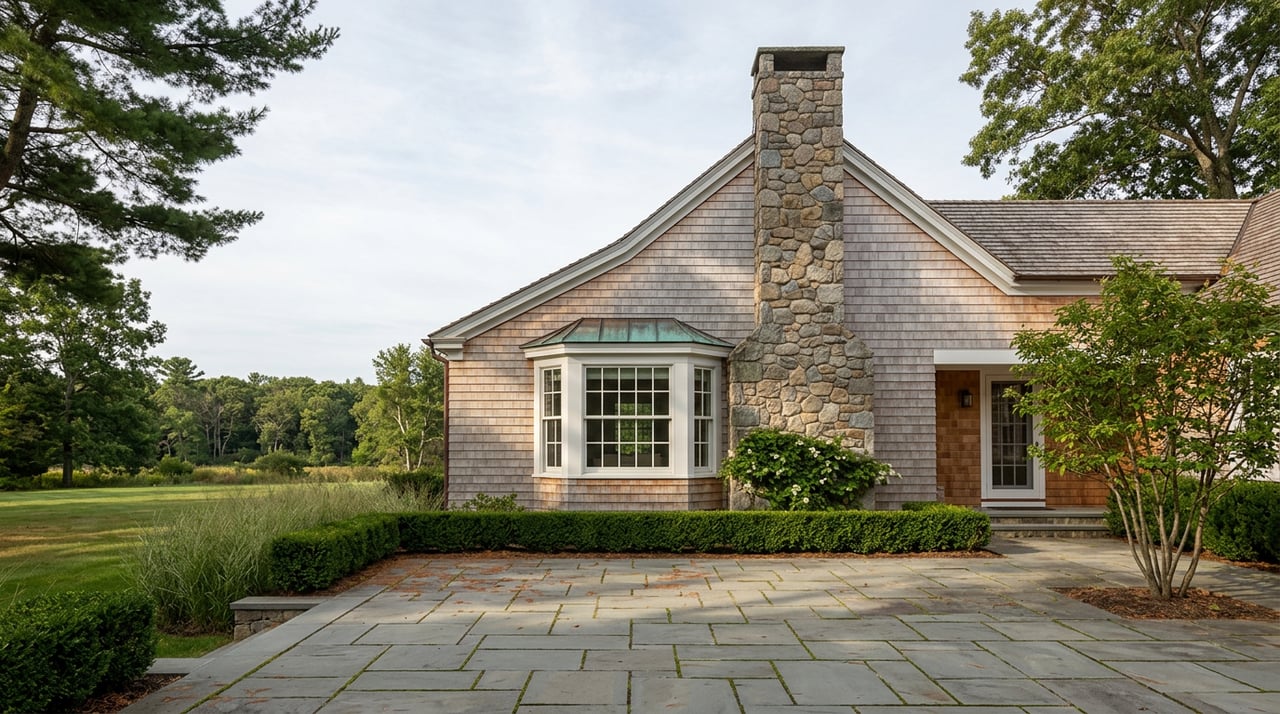
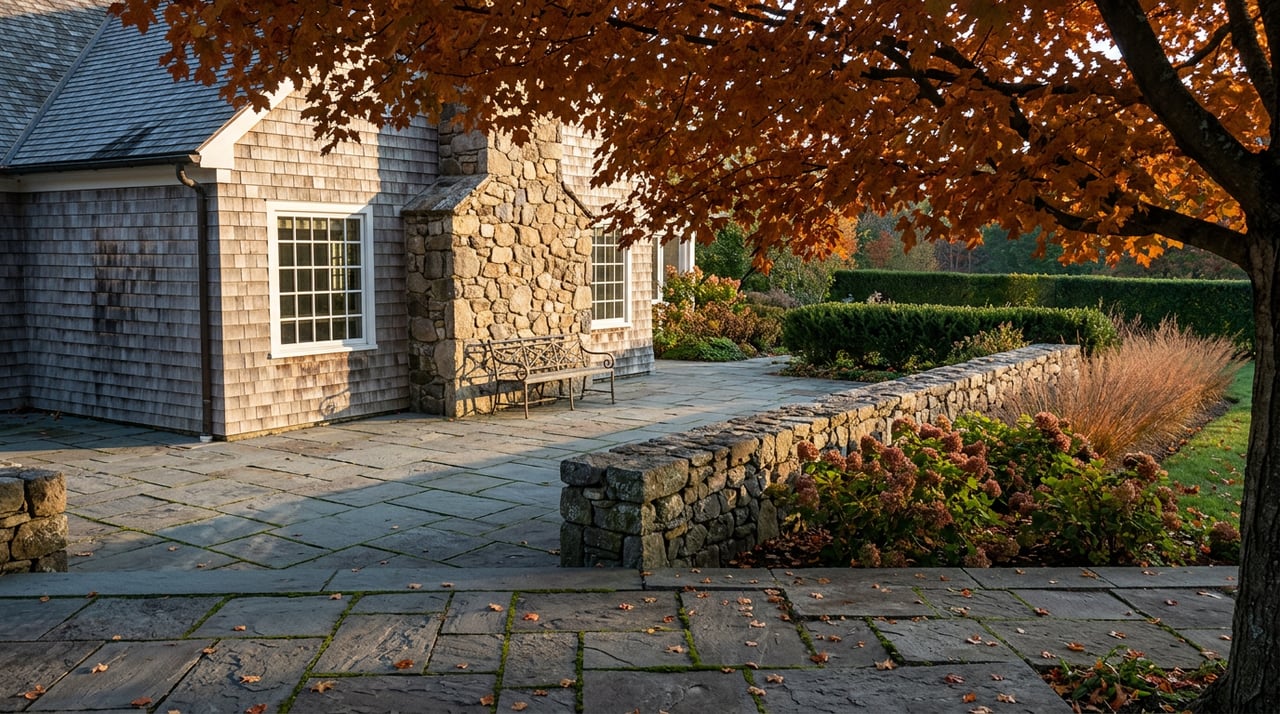
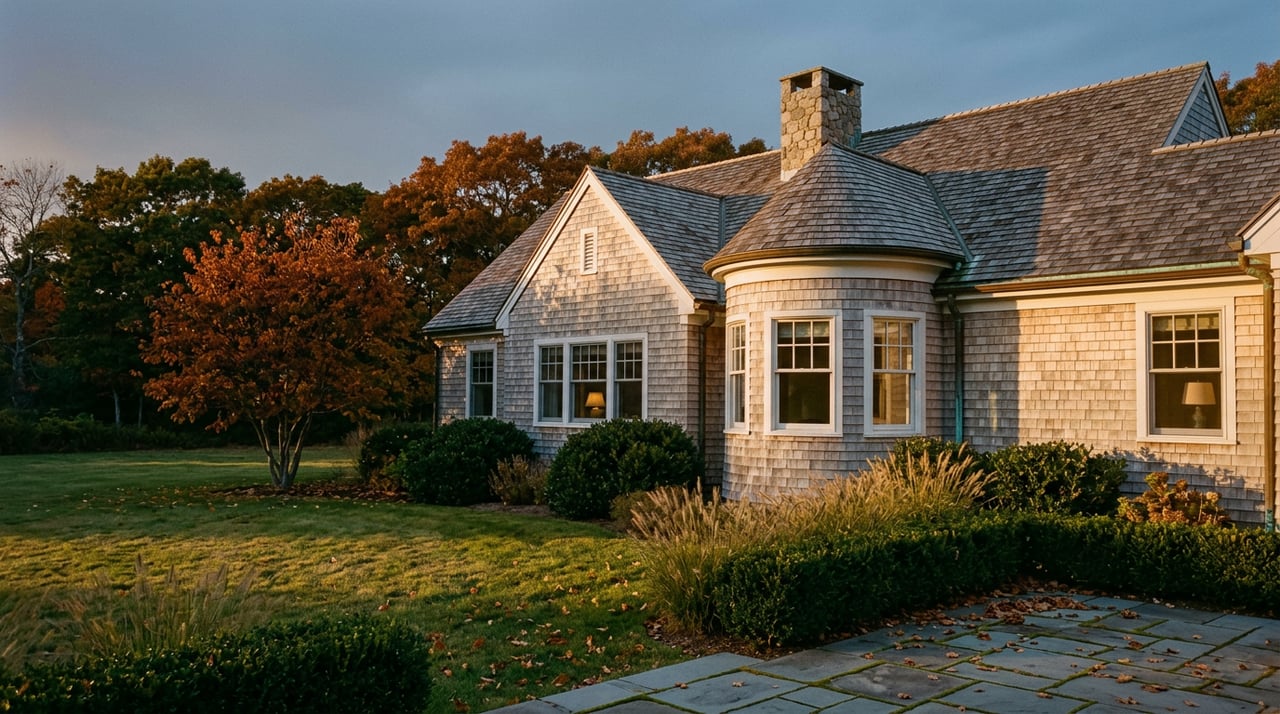
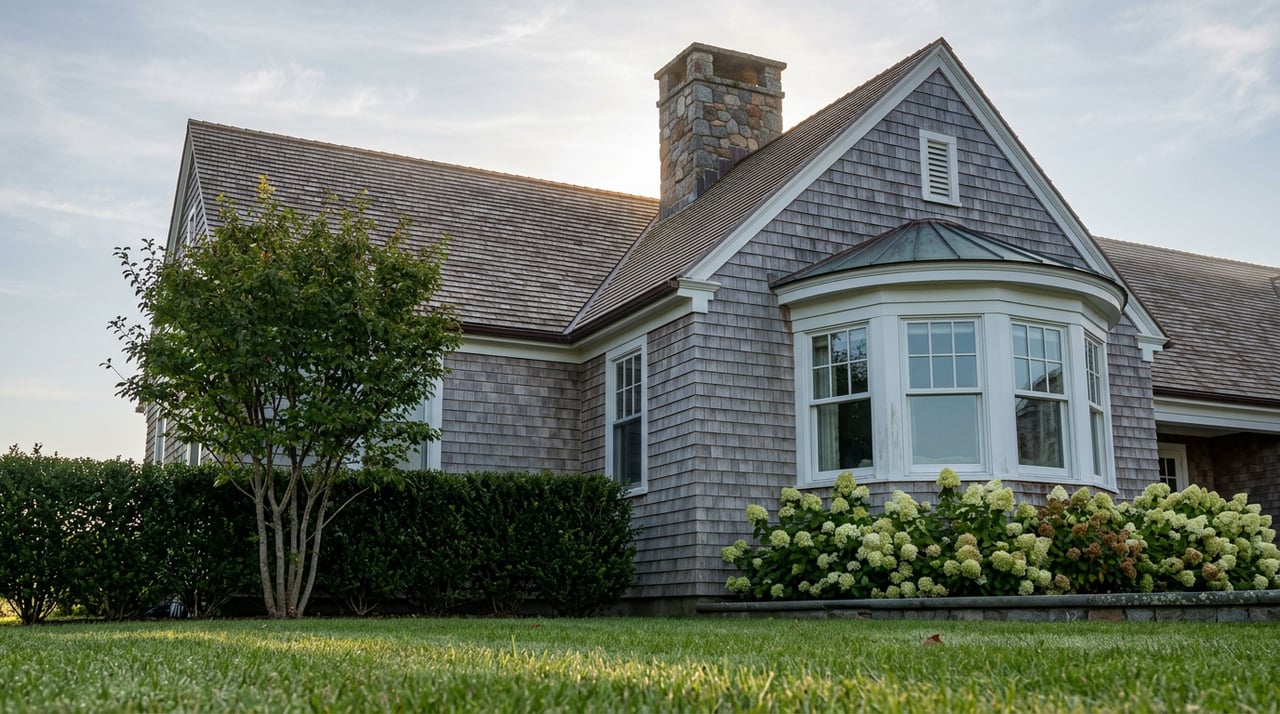
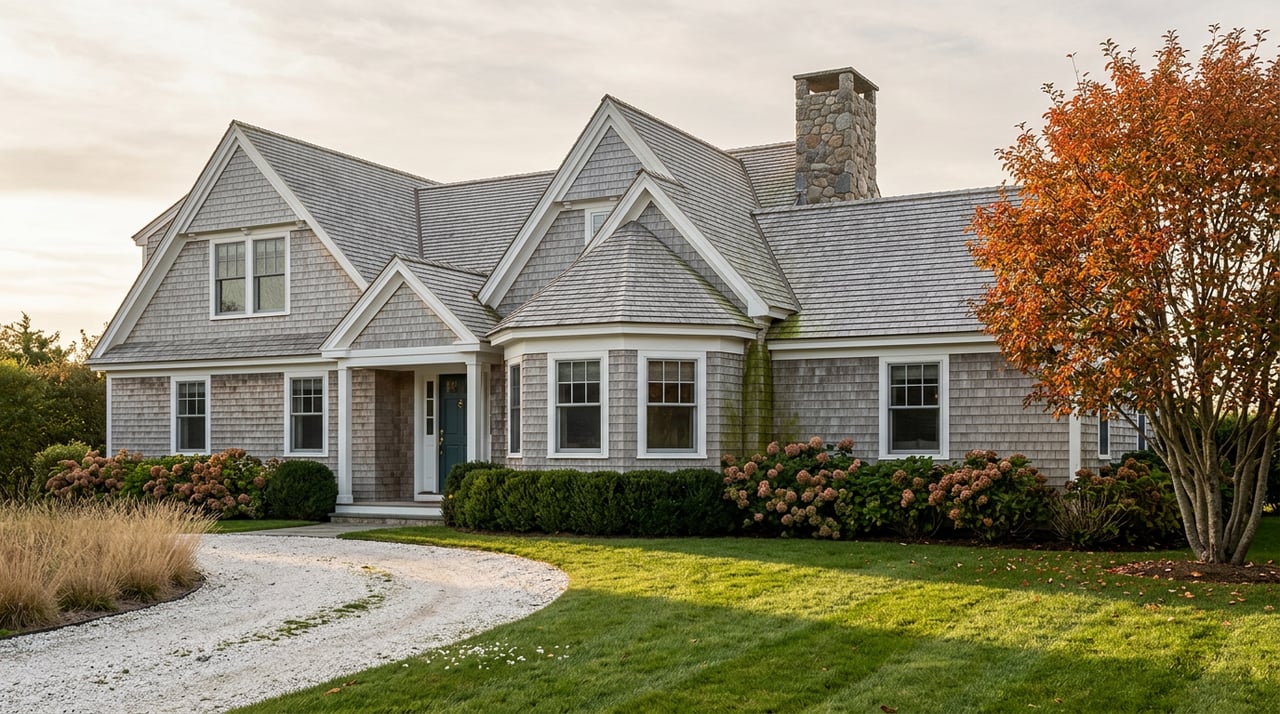
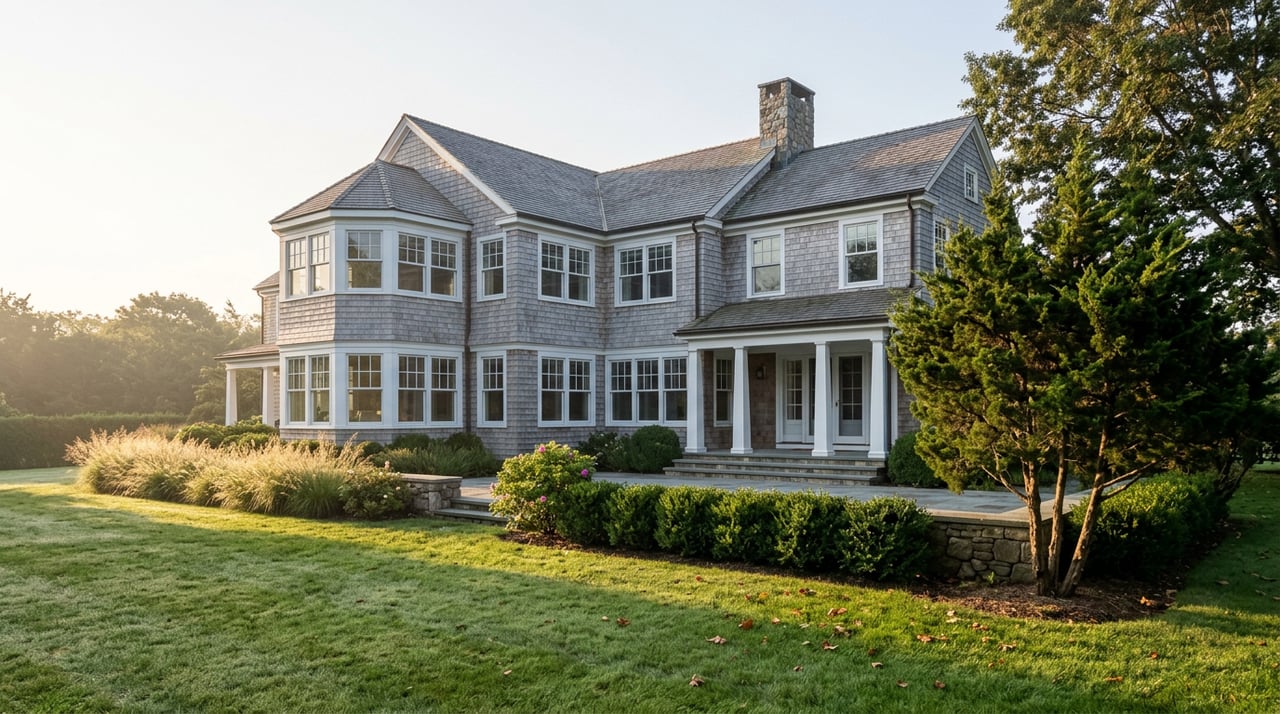
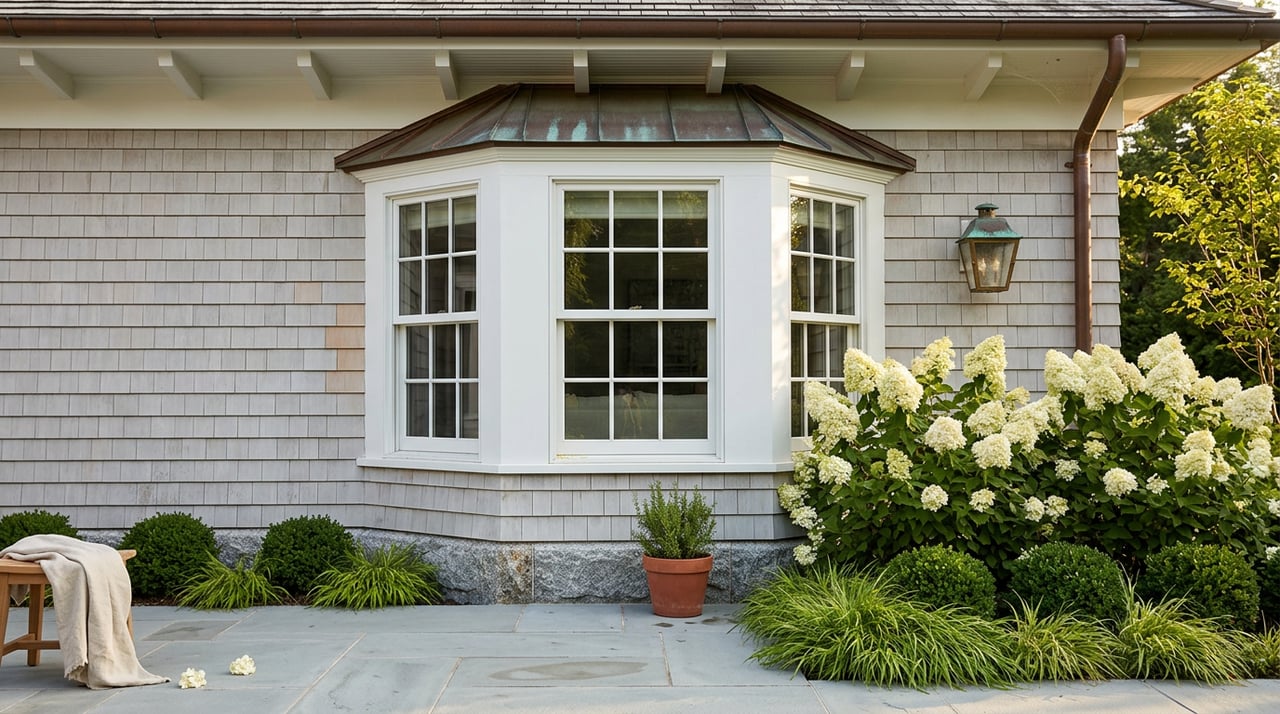
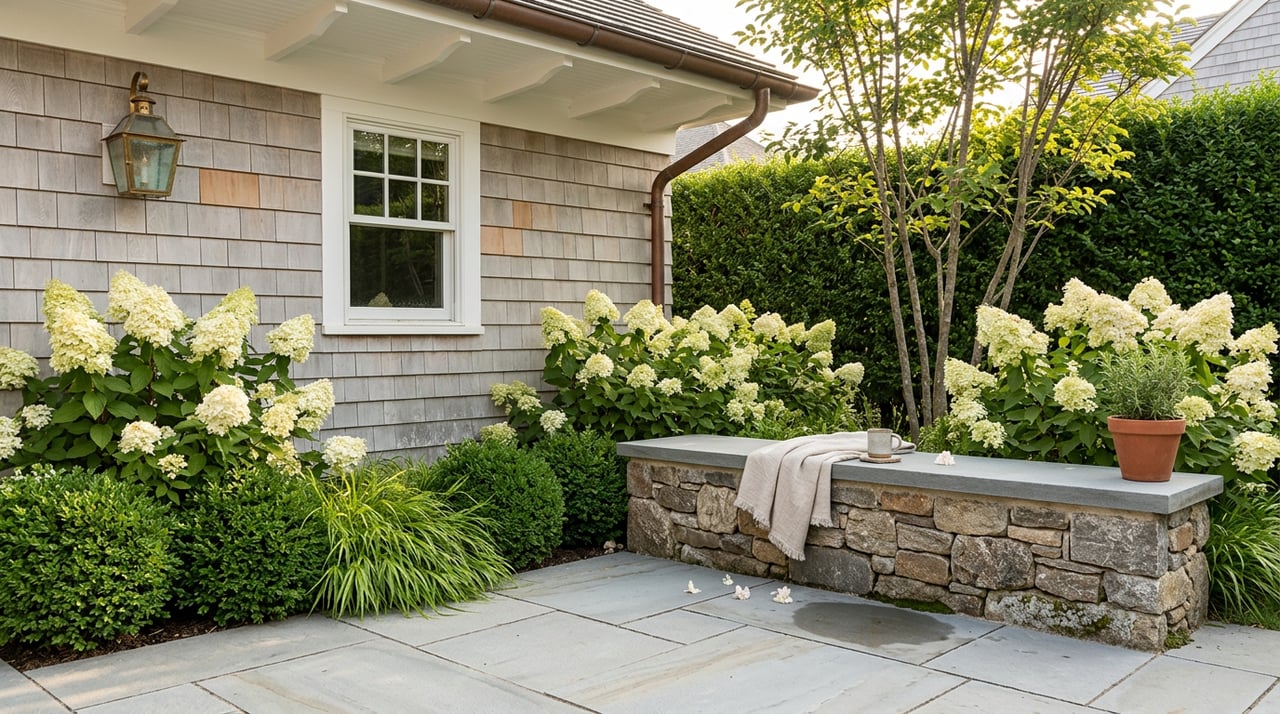
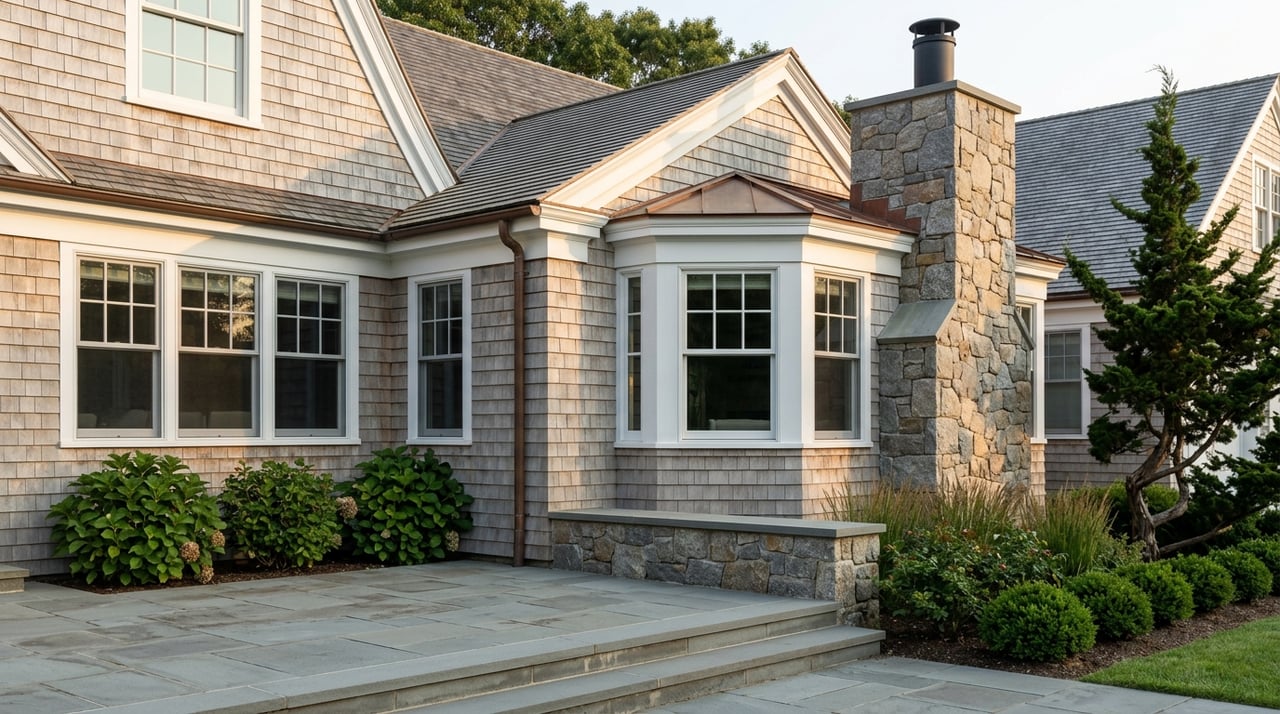
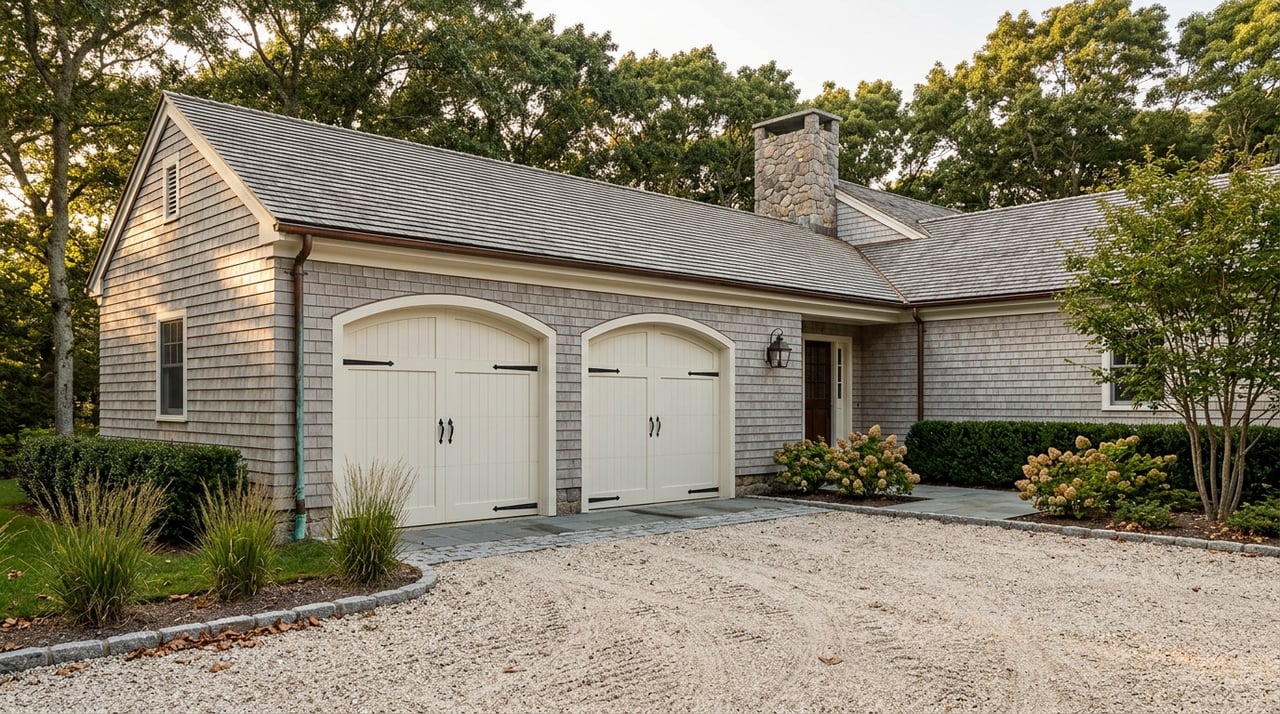
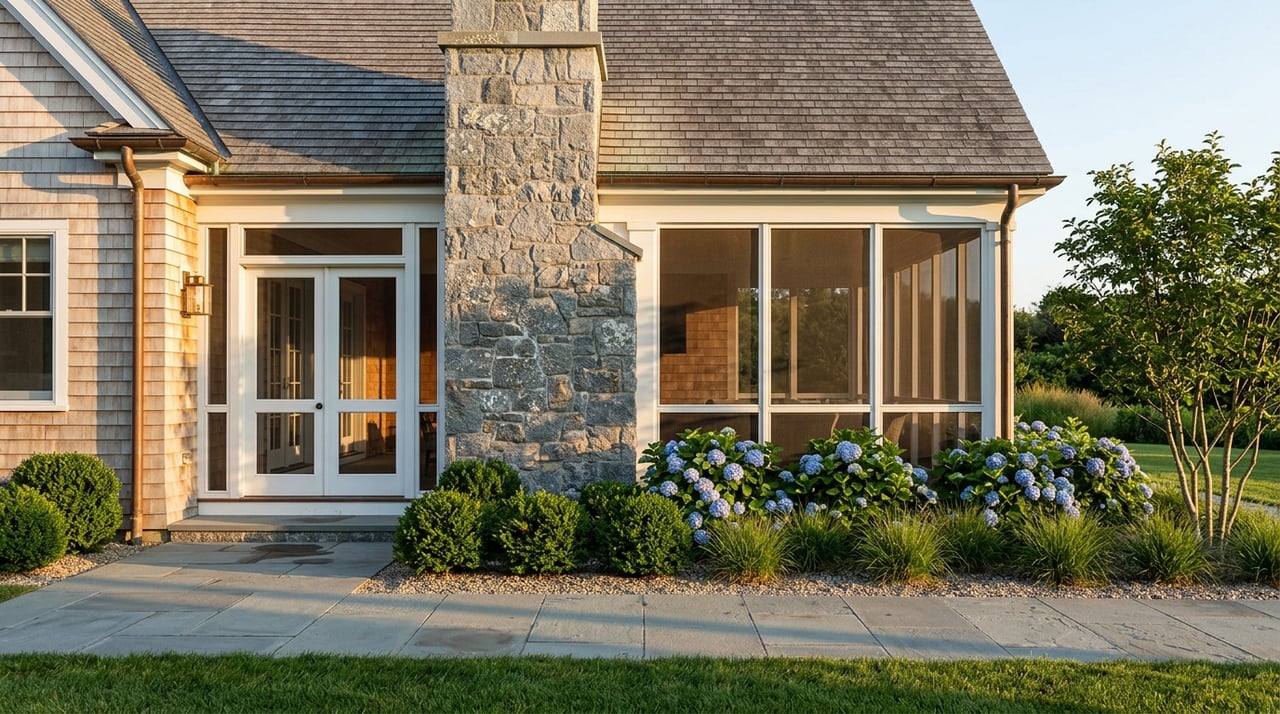
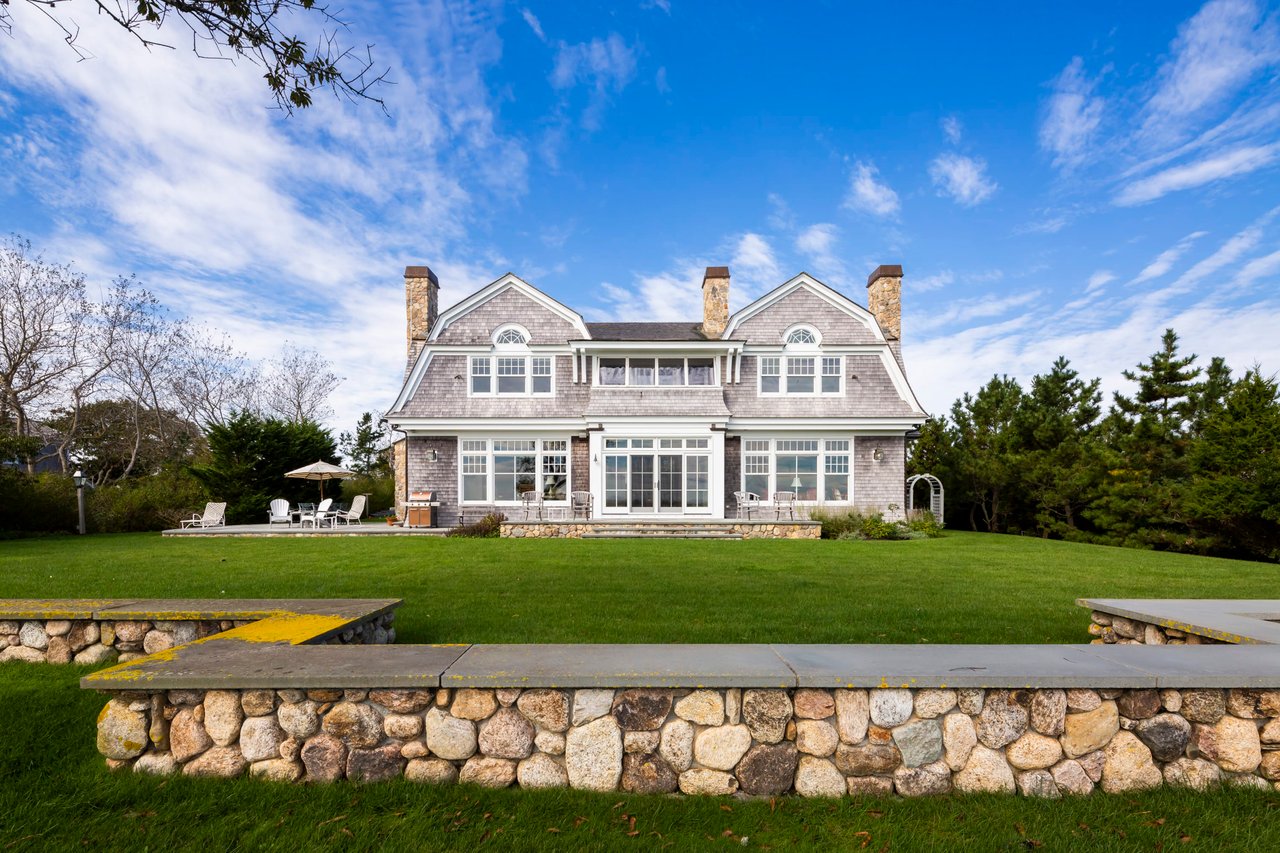
Osterville’s preservation plan emphasizes late-19th and early-20th-century summer-resort architecture, especially Queen Anne, Shingle, and Colonial Revival homes in Wianno and Oyster Harbors. It also notes the continued presence of large houses and clubhouses along the coast.
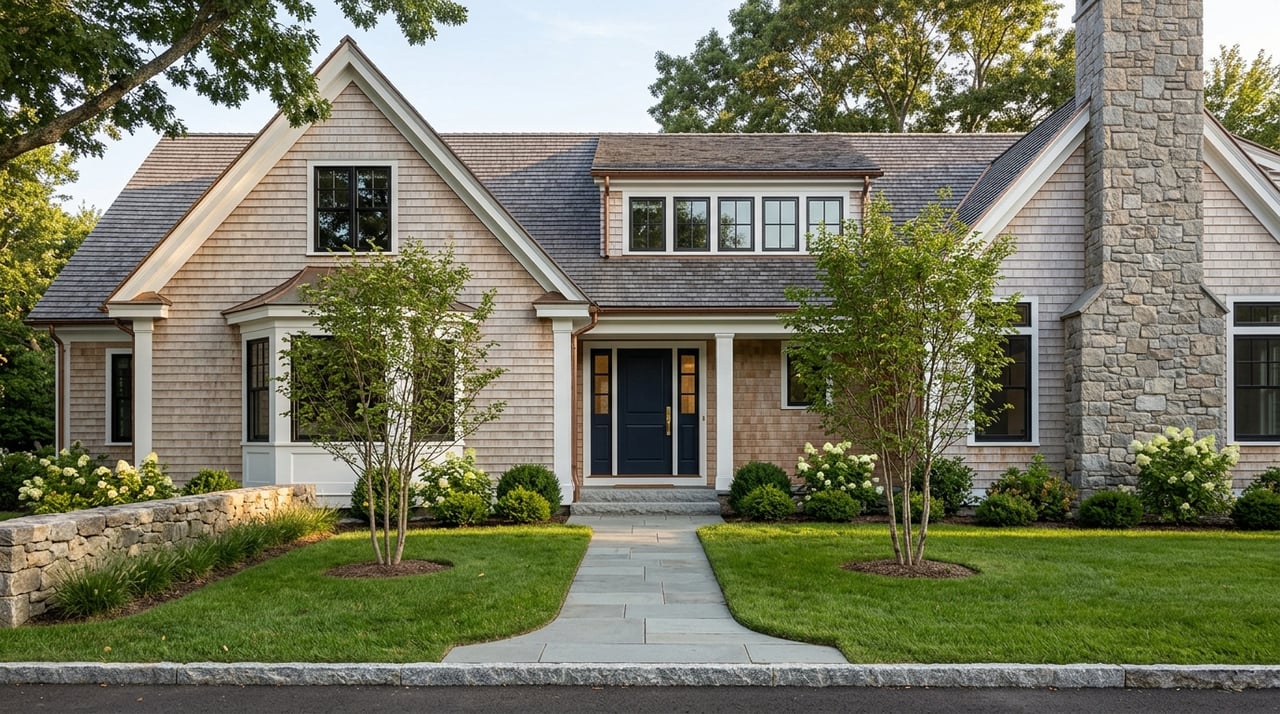
For buyers who picture refined shingle-style homes, established coastal enclaves, and a more formal resort backdrop, Osterville tends to deliver that visual identity more consistently. The architectural tone often matches the village’s broader sense of polish.
Price Positioning and Market Context
Both villages sit at the upper end of the Cape Cod market, but Osterville generally commands a premium. Zillow’s February 28, 2026 home value data shows a typical home value of $846,651 in Cotuit and $1,140,293 in Osterville, according to Zillow’s home value pages. Early 2026 market snapshots cited in the research place Cotuit around a $1.295 million median home price and Osterville around a $1.345 million median home price, with median days on market around 100 in Cotuit and 110 in Osterville.
Those figures are best treated as directional because they reflect different methodologies. Still, the pattern is consistent. Osterville generally sits at a higher value tier, while Cotuit can represent a somewhat lower entry point for buyers who want south-side Barnstable ownership.
Longer-term context points in the same direction. A Boston Globe summary of Warren Group data reported that median single-family home prices in both villages more than doubled over five years, reaching about $907,500 in Cotuit and $1.2 million in Osterville. For buyers thinking in terms of long-term stewardship, both villages have shown strong appreciation, though Osterville remains the higher-priced benchmark.
Which Village Fits Your Cape Cod Vision?
If your ideal Cape Cod life looks quieter, more intimate, and closely tied to harbor and bay living, Cotuit may be the better match. It offers a residential feel, a strong arts and baseball culture, meaningful boating identity, and a somewhat lower typical-value entry point than Osterville.
If your vision is more polished and resort-oriented, Osterville may fit better. It offers a broader waterfront profile, a more active village center, a denser club presence, and a higher-end pricing tier that reflects its established luxury reputation.
In the end, this is less about which village is better and more about which village feels right for the way you want to live. If you are comparing Cotuit and Osterville with an eye toward long-term ownership, legacy planning, or discreet access to scarce inventory, Paul Grover can help you evaluate the market with clarity and confidence.
FAQs
What is the main lifestyle difference between Cotuit and Osterville?
- Cotuit generally feels smaller, quieter, and more harbor-centered, while Osterville is typically seen as more polished, resort-oriented, and active around its village center.
Which village has better boating access, Cotuit or Osterville?
- Cotuit is especially boating and bay focused, with a high concentration of moorings and strong harbor use, while Osterville offers a broader mix of sound, harbor, marsh, and estuary settings.
Are home prices higher in Osterville than in Cotuit?
- Yes. The research shows Osterville generally commands a higher typical home value and median price than Cotuit, although both villages are positioned at the upper end of the Cape Cod market.
Does Cotuit or Osterville have more arts and cultural activity?
- Cotuit has the stronger arts-performance signal, with institutions like Cotuit Center for the Arts and the Cahoon Museum, while Osterville leans more toward museums, village events, shops, and seasonal programming.
Which village is better for buyers seeking club access on Cape Cod?
- Osterville has a denser in-village club presence, while Cotuit offers a practical connection toward Mashpee for buyers also considering club options there.
What types of homes are common in Cotuit and Osterville?
- Cotuit includes a broad mix of historic village and coastal styles, while Osterville is especially known for summer-resort architecture such as Shingle, Queen Anne, and Colonial Revival homes.