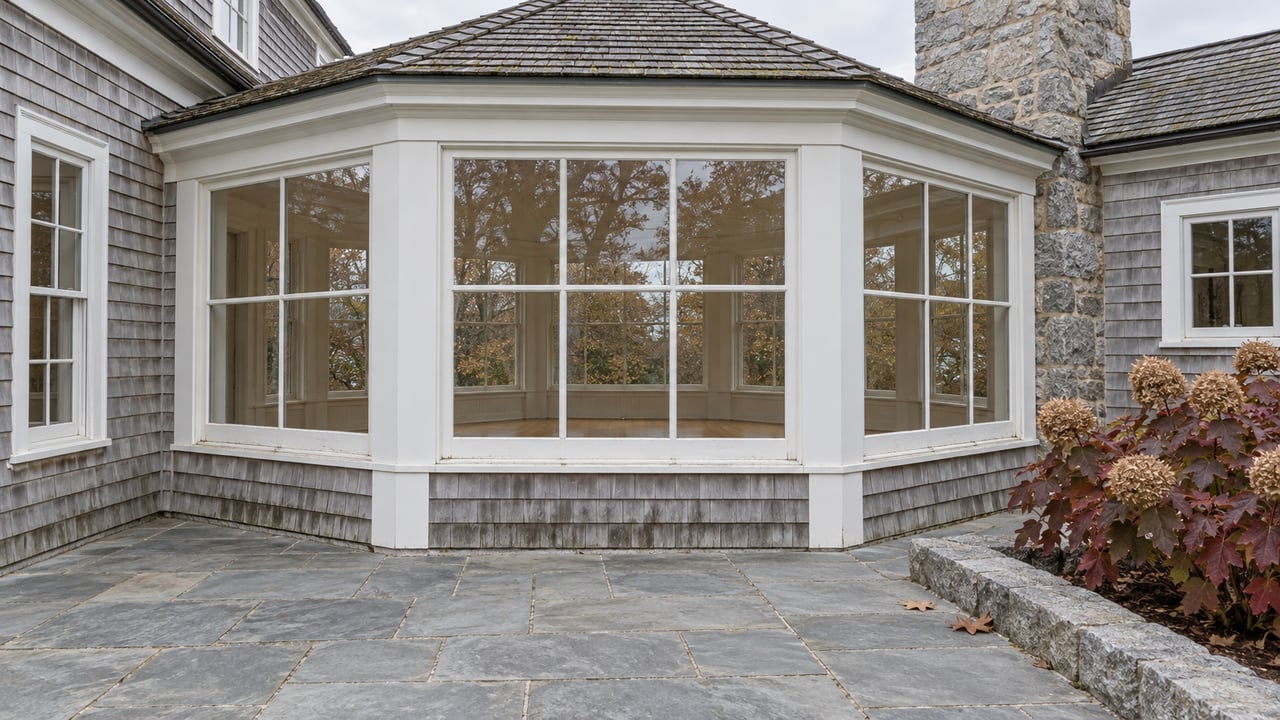
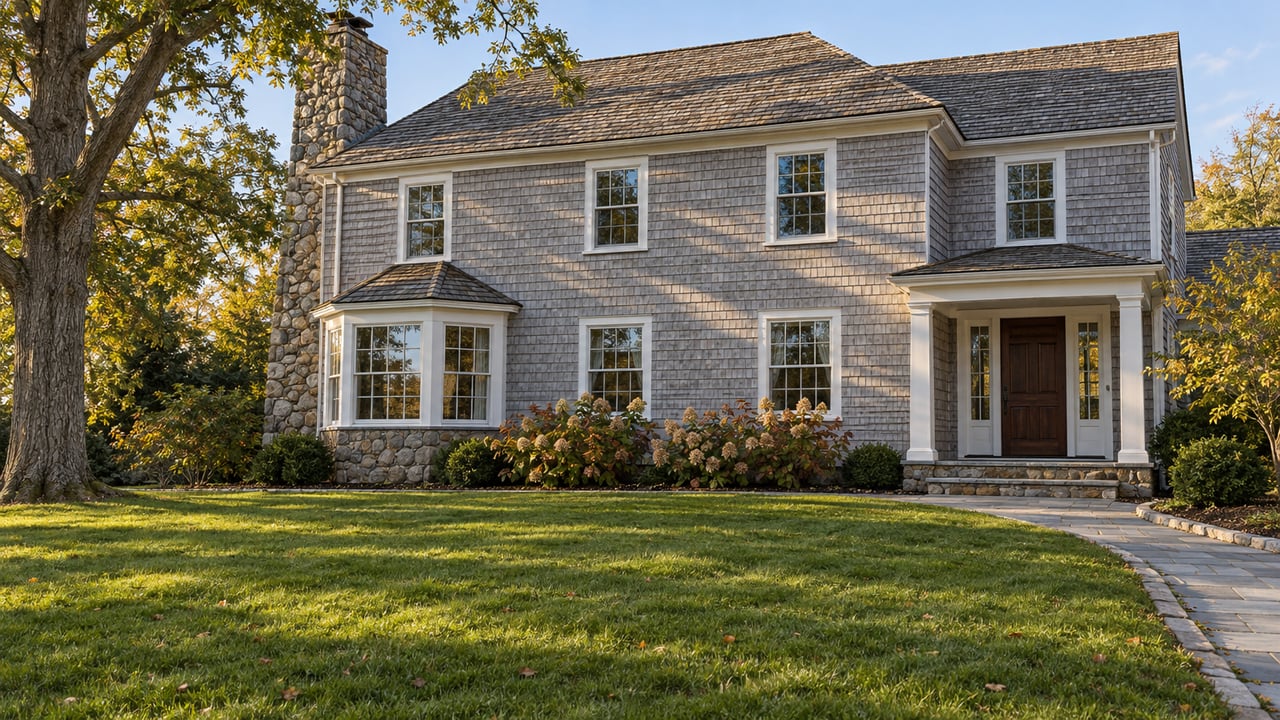
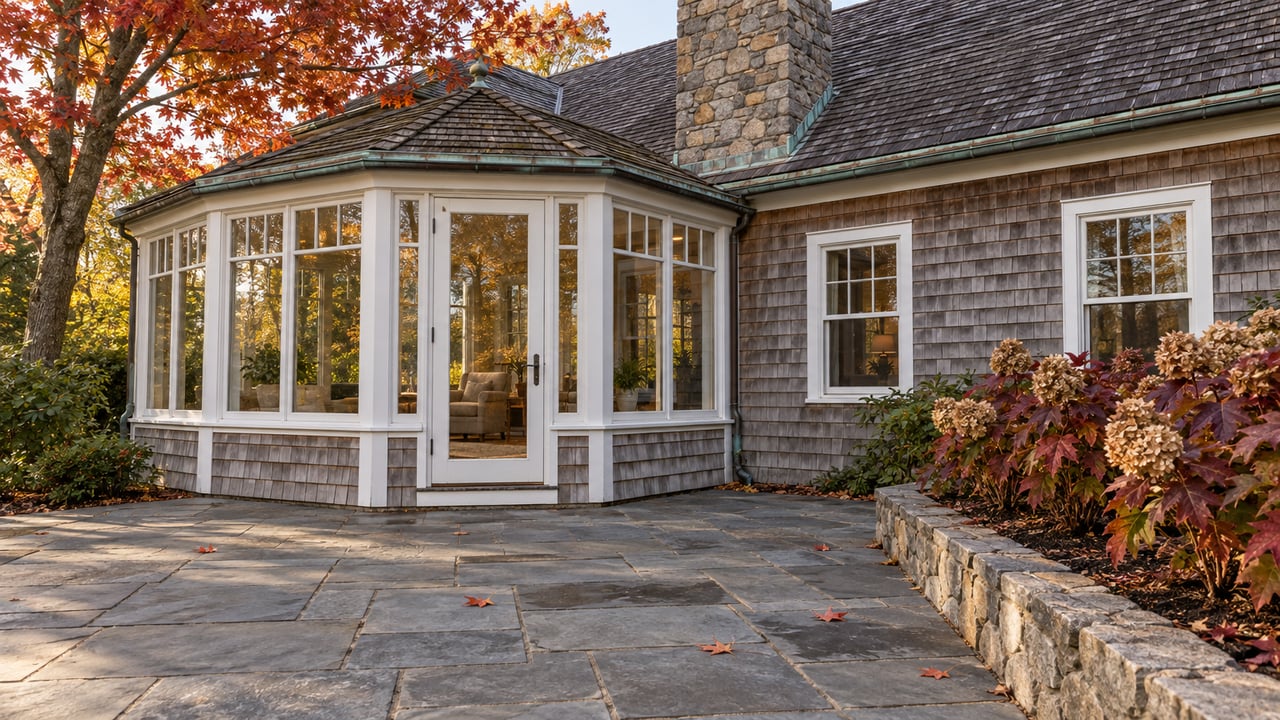
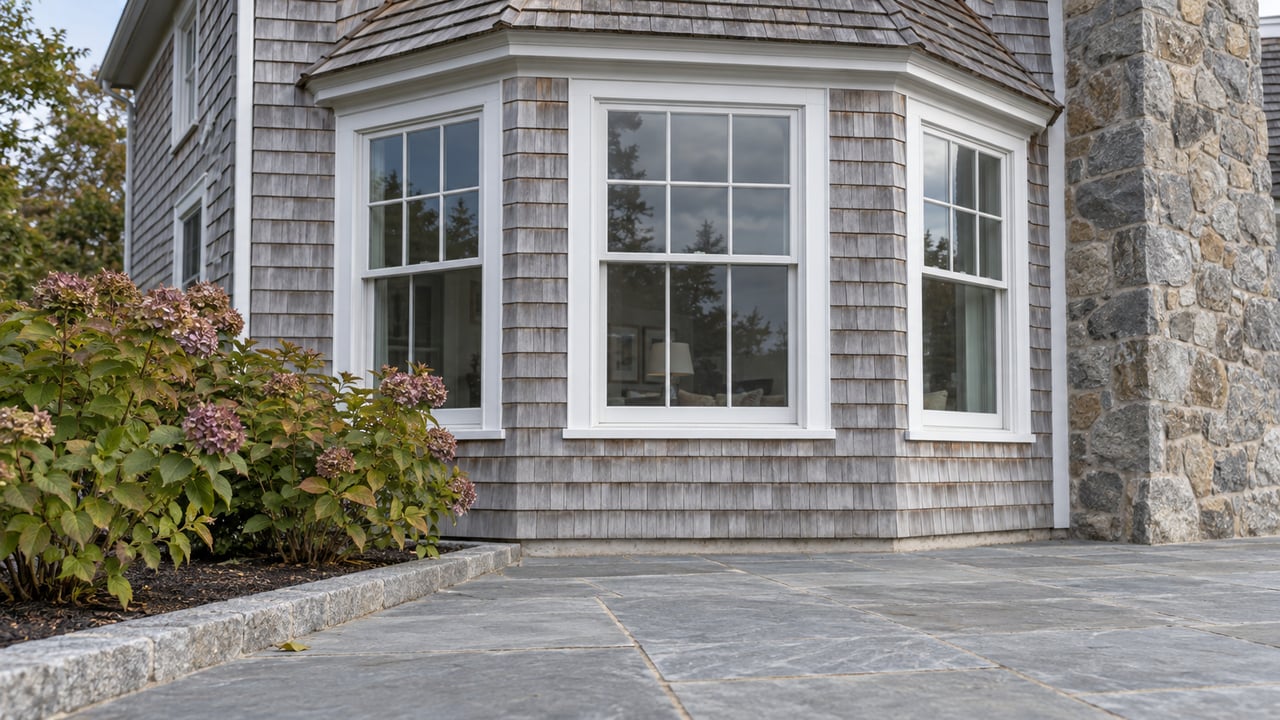
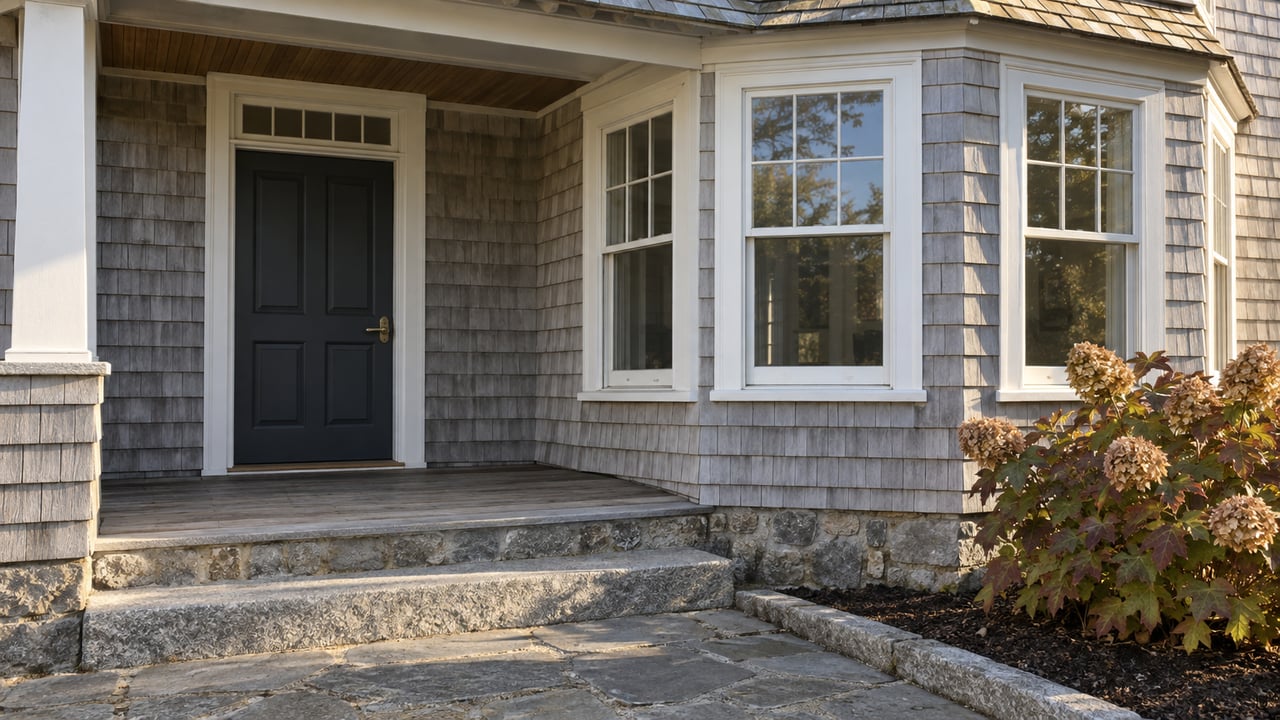
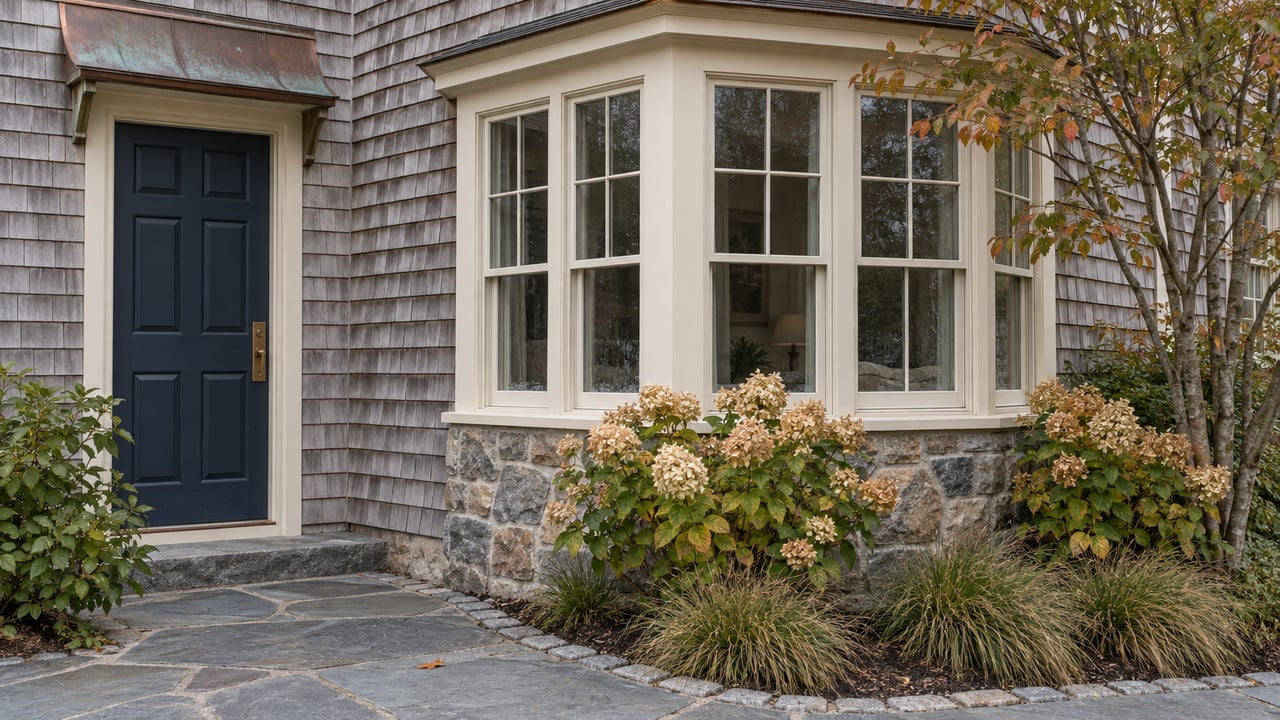
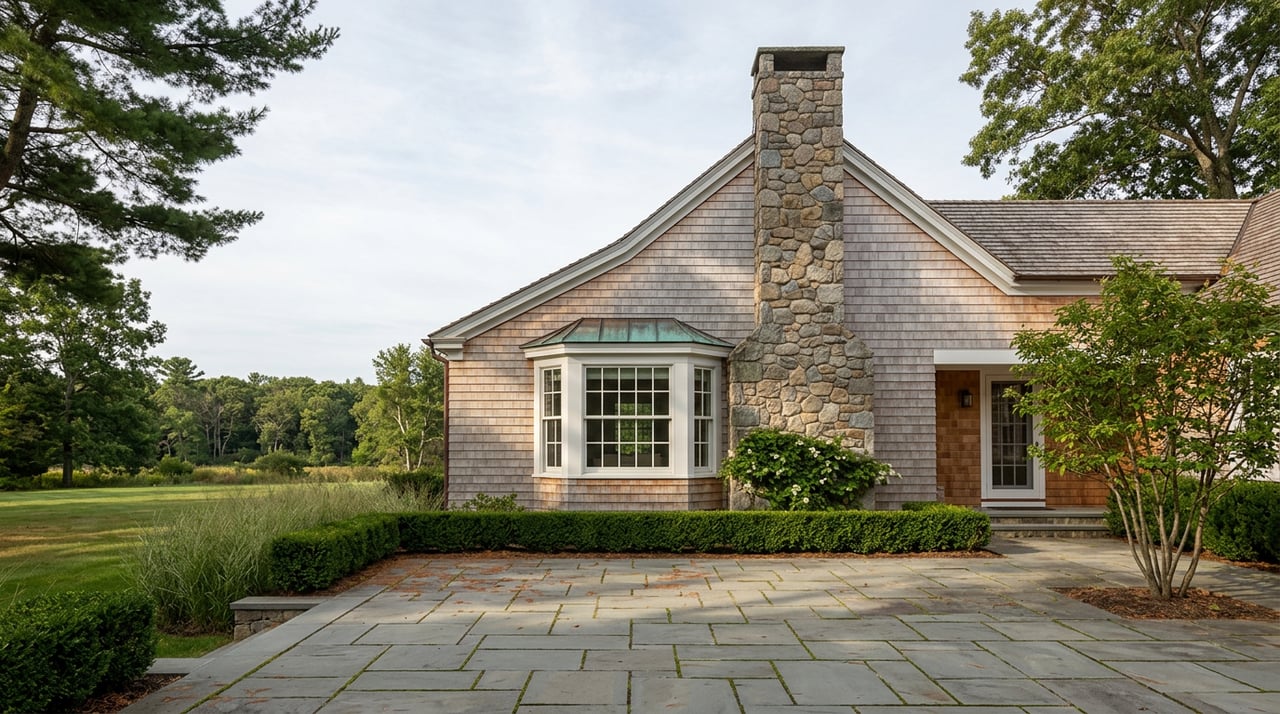
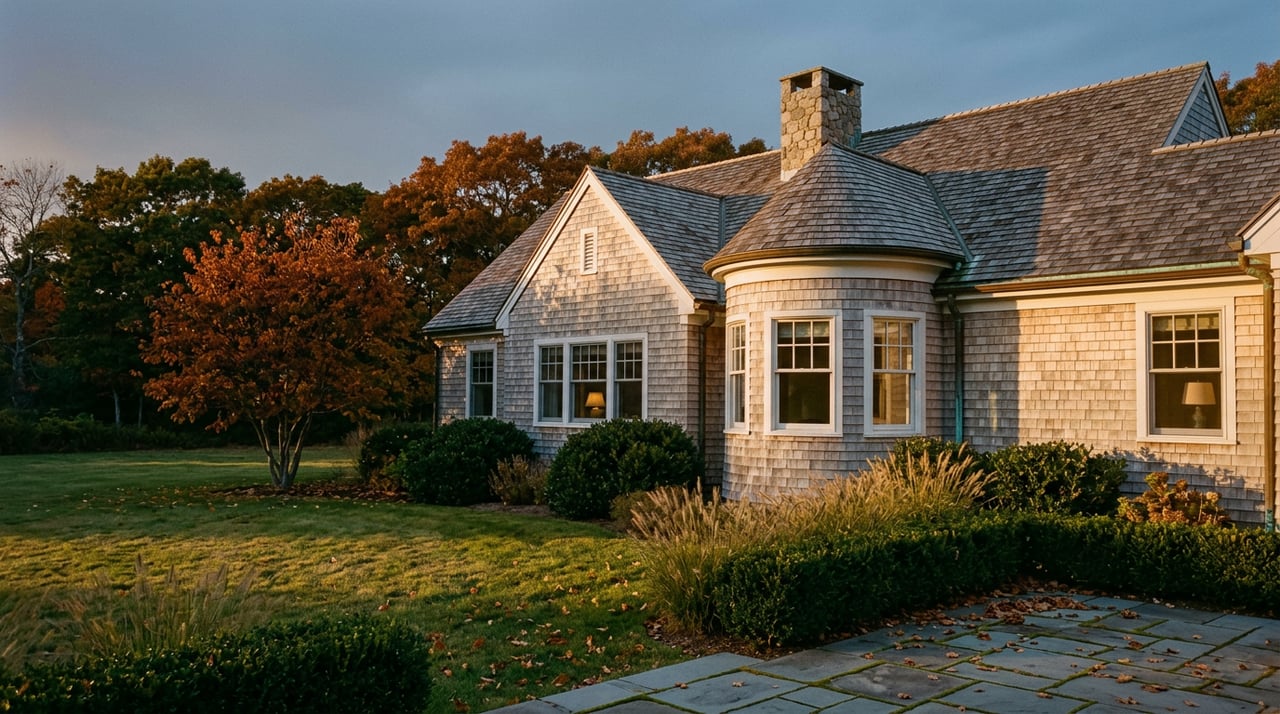
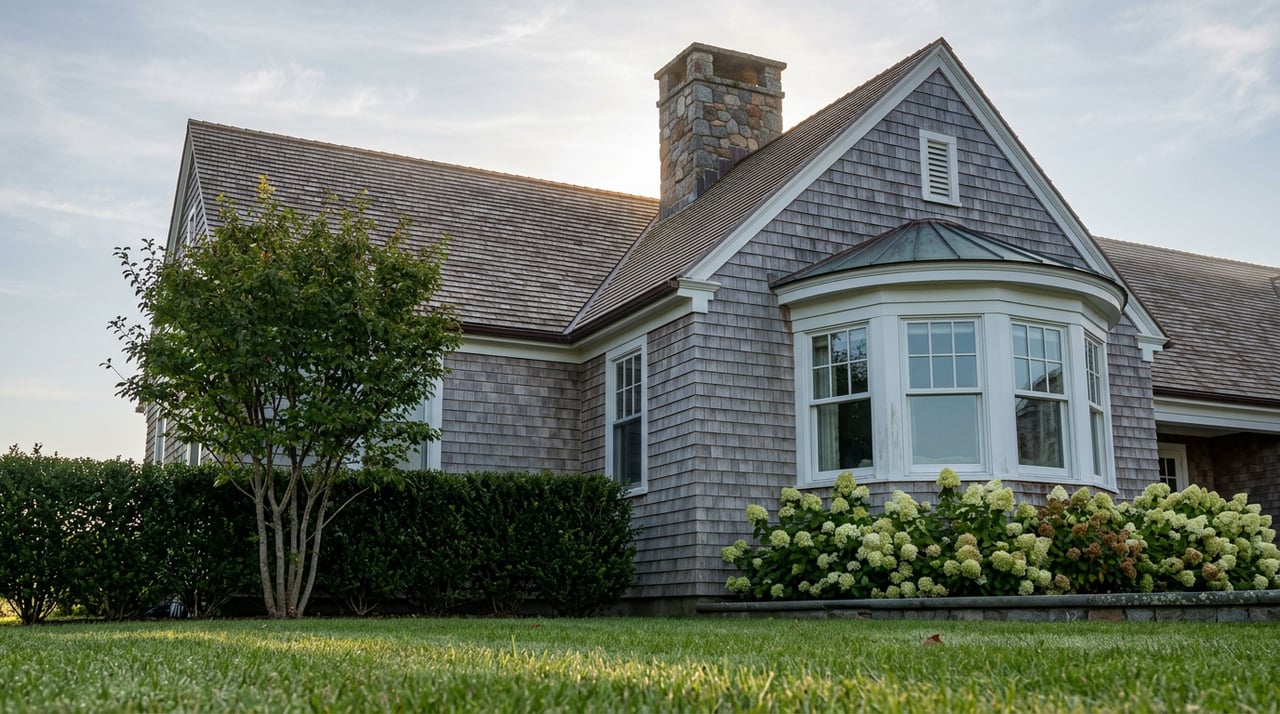
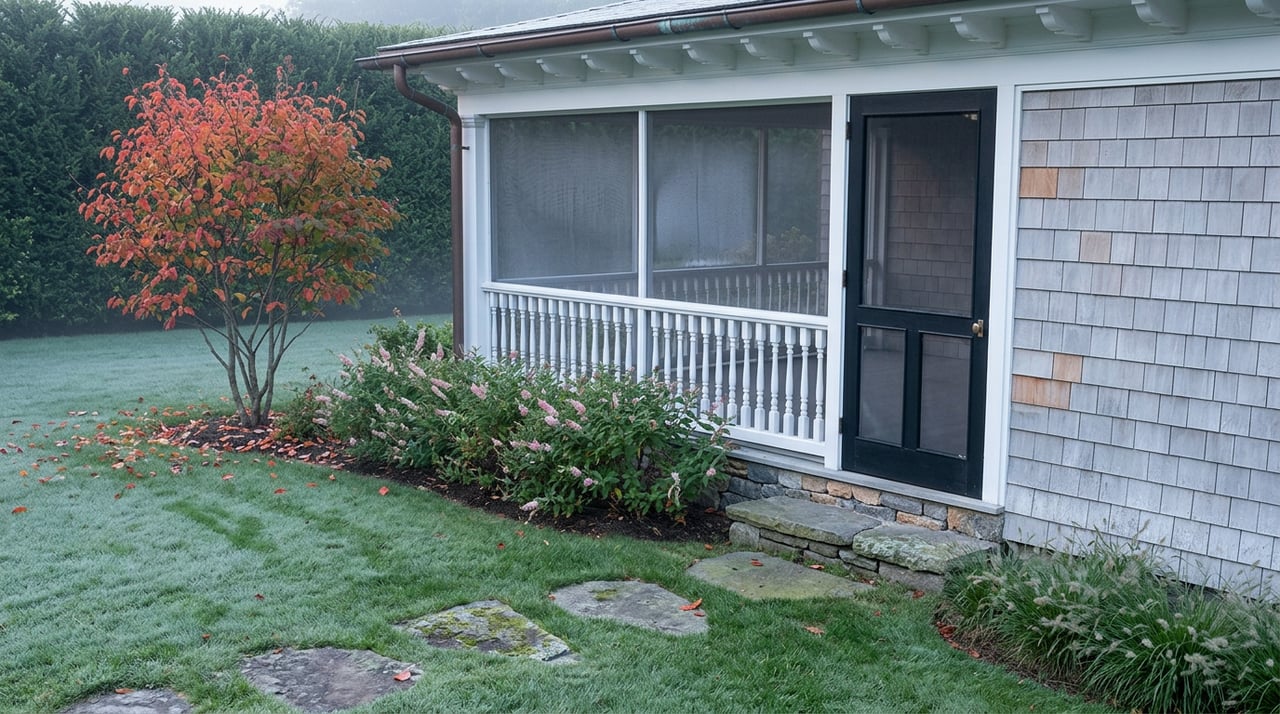
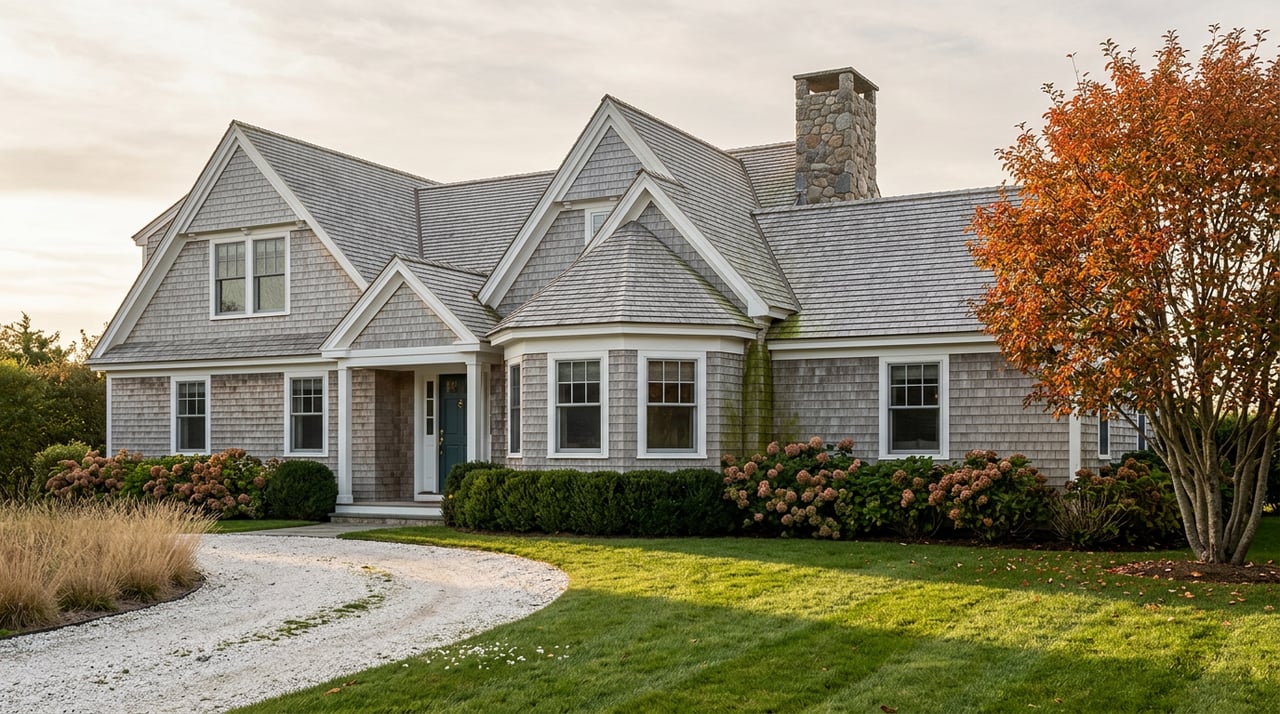
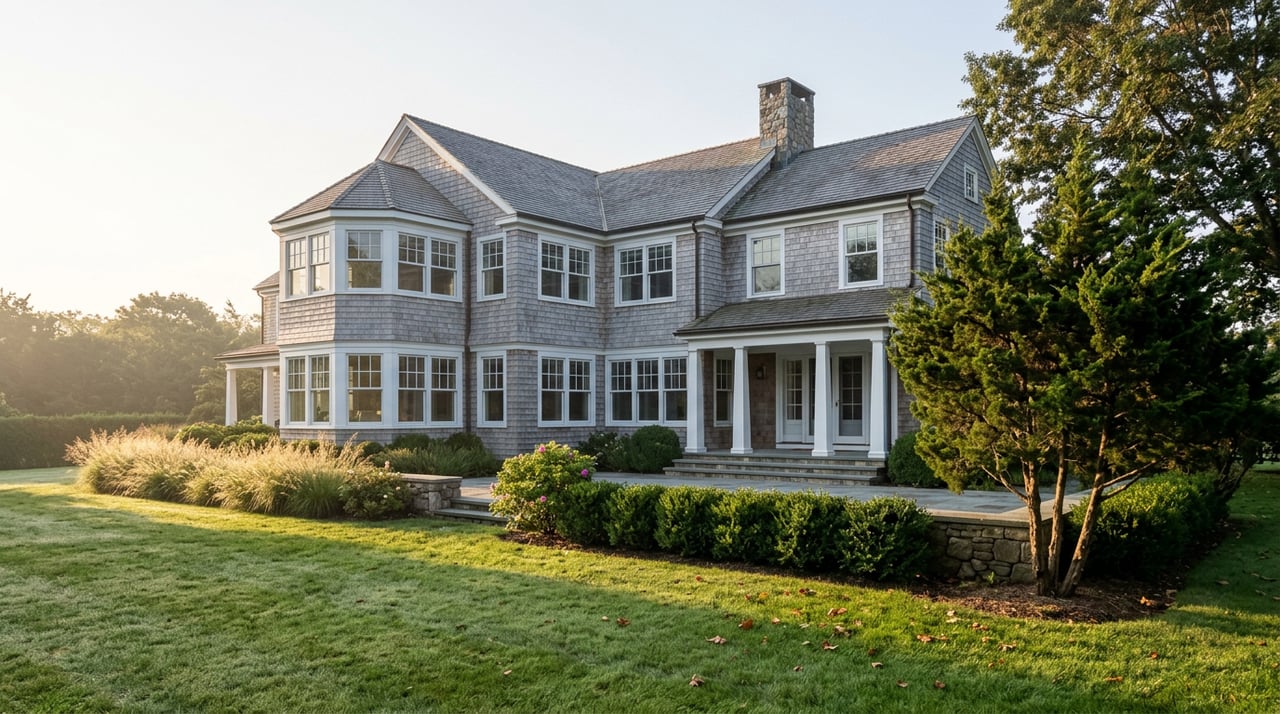
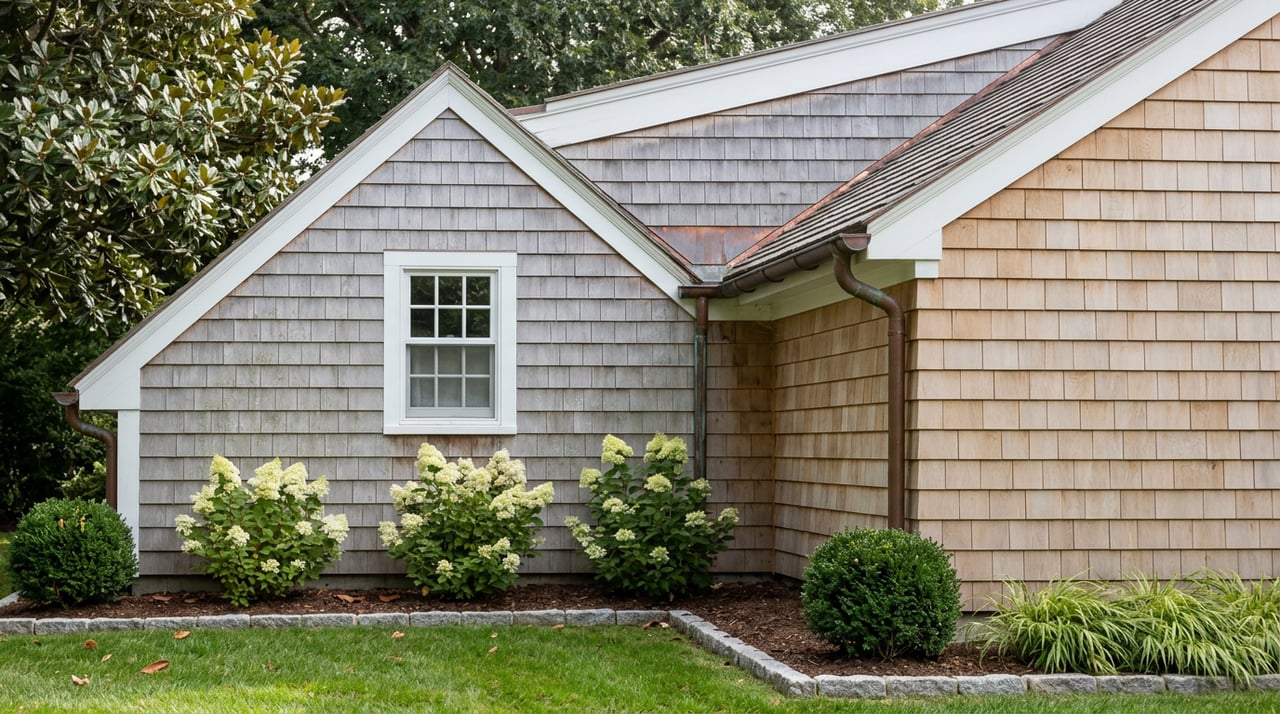
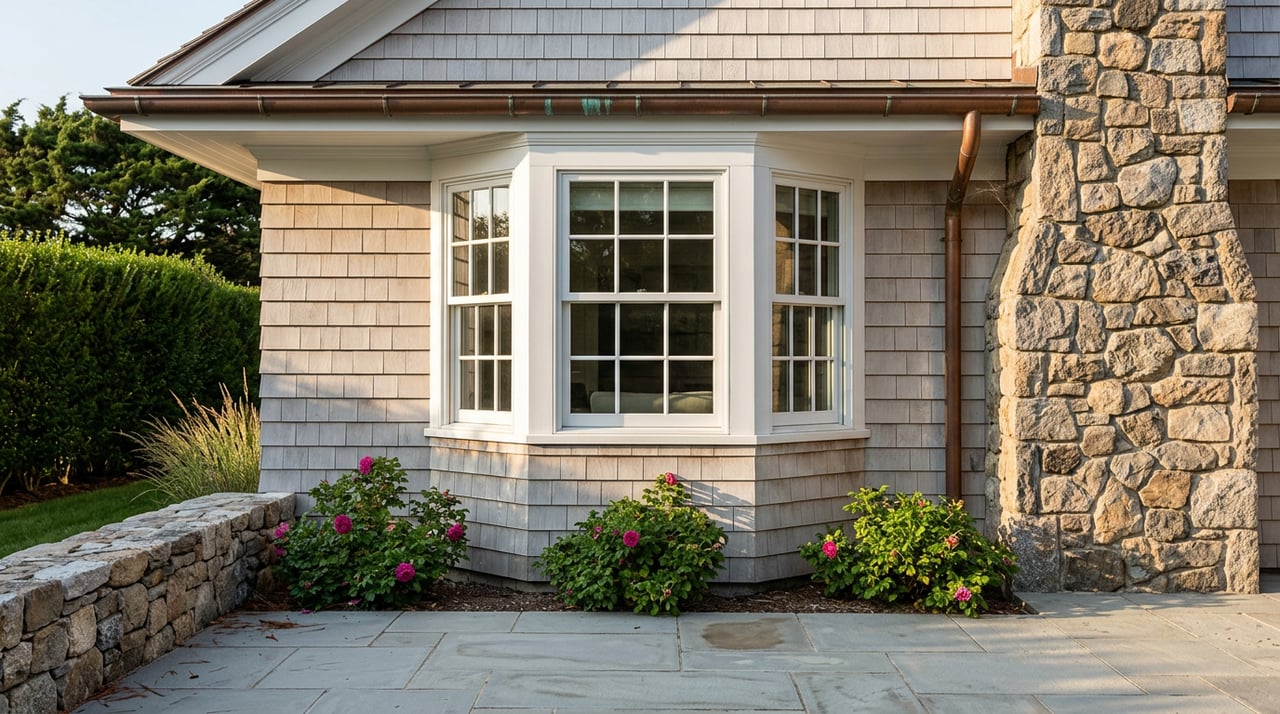
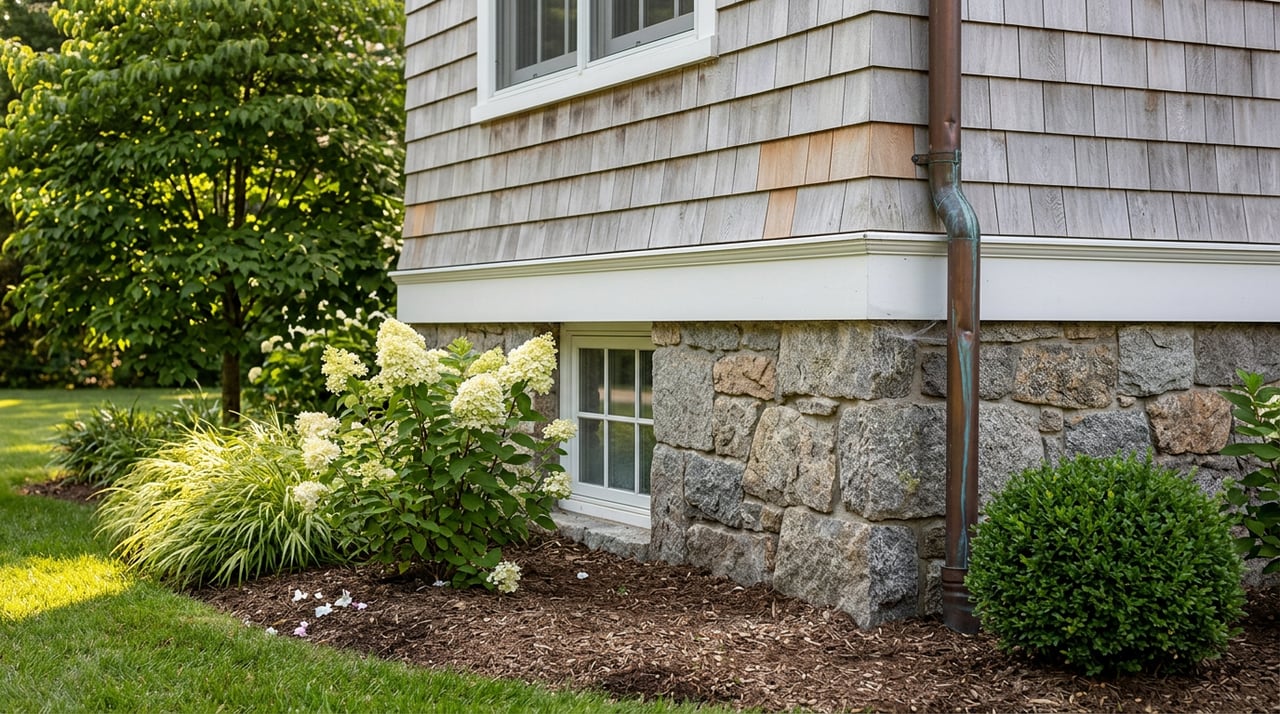
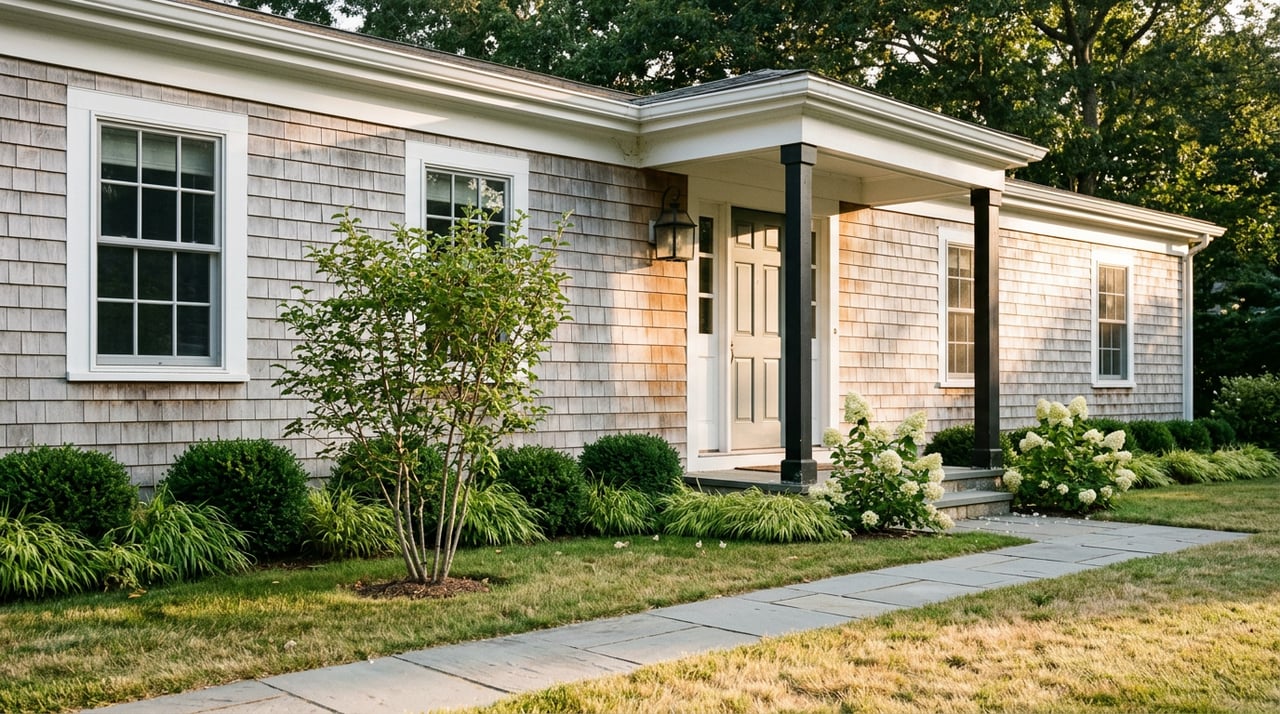
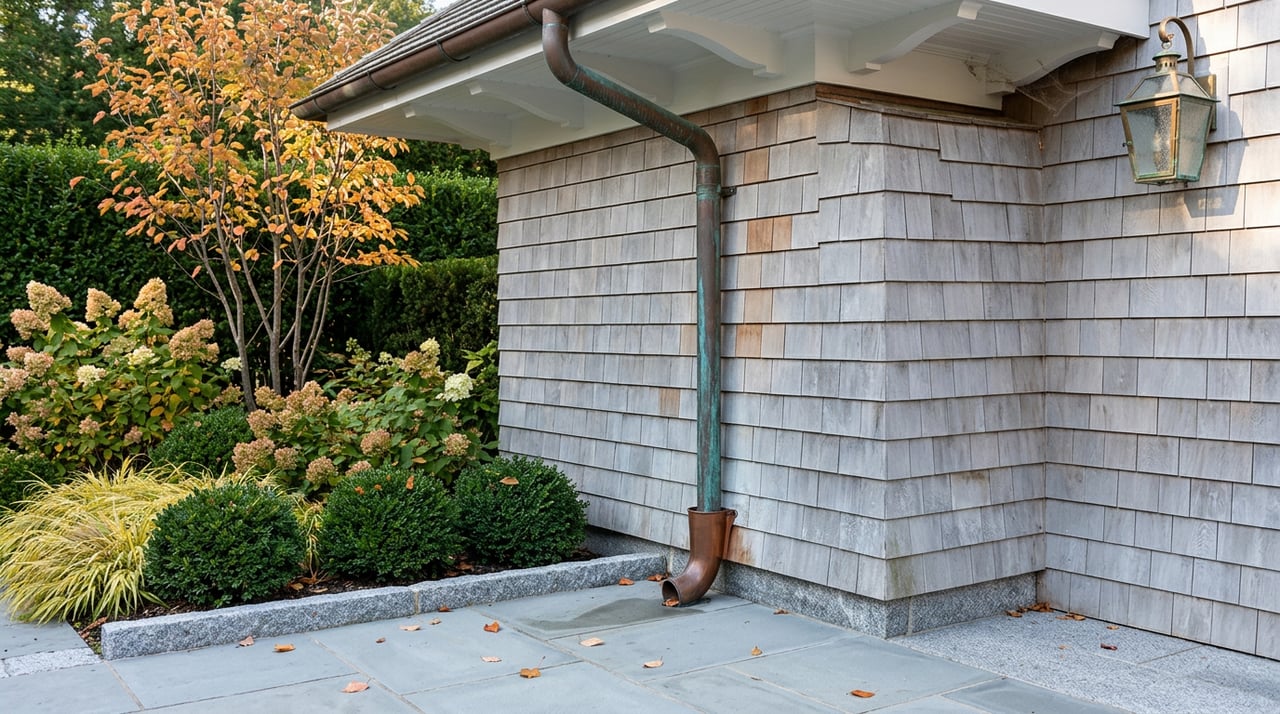
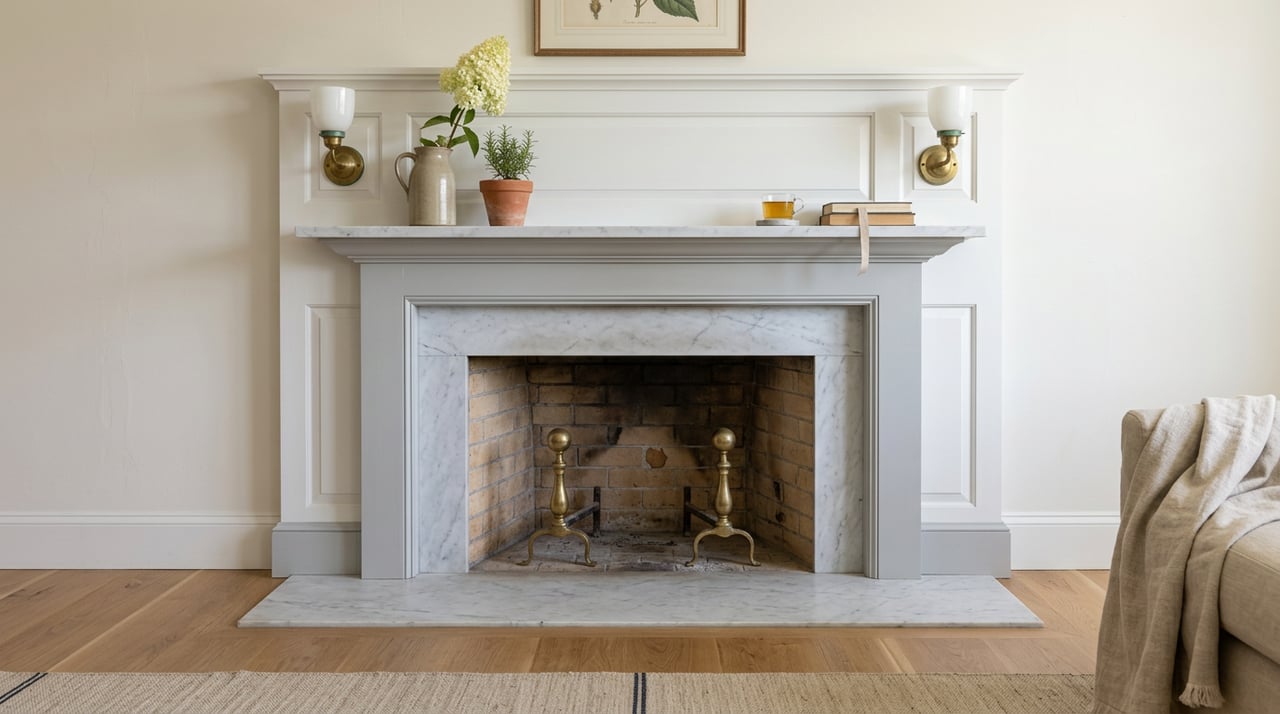
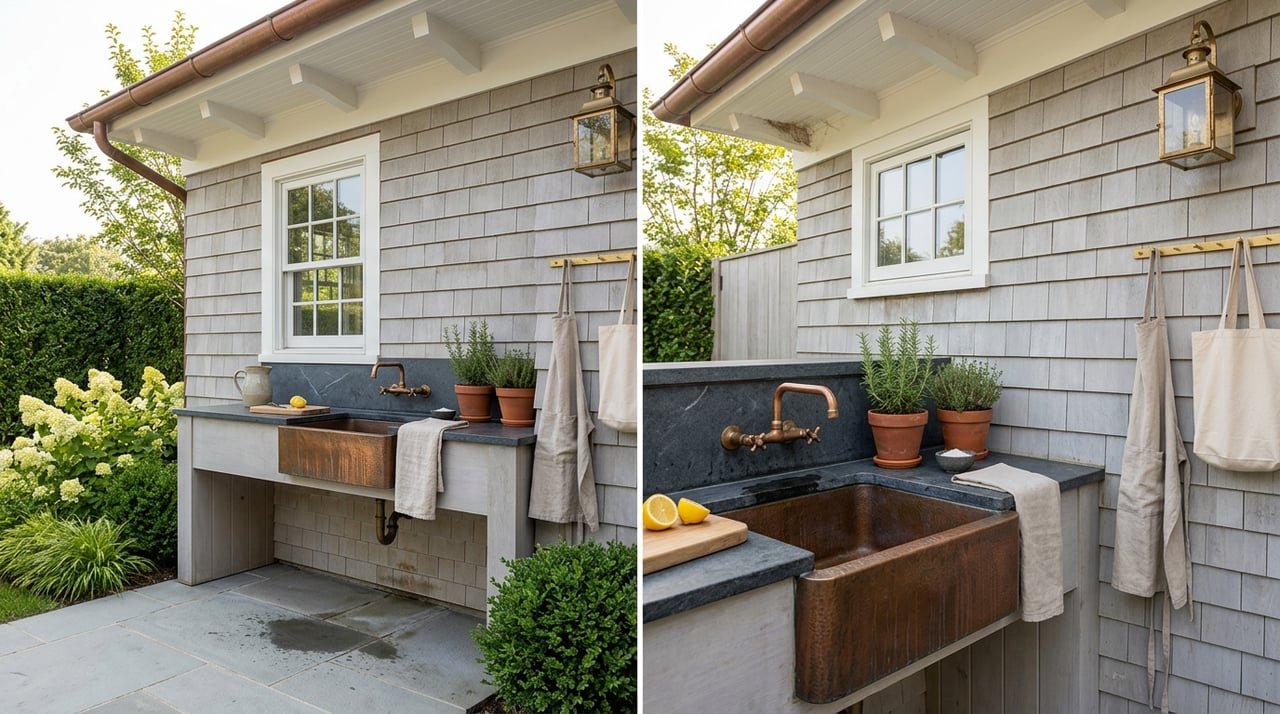
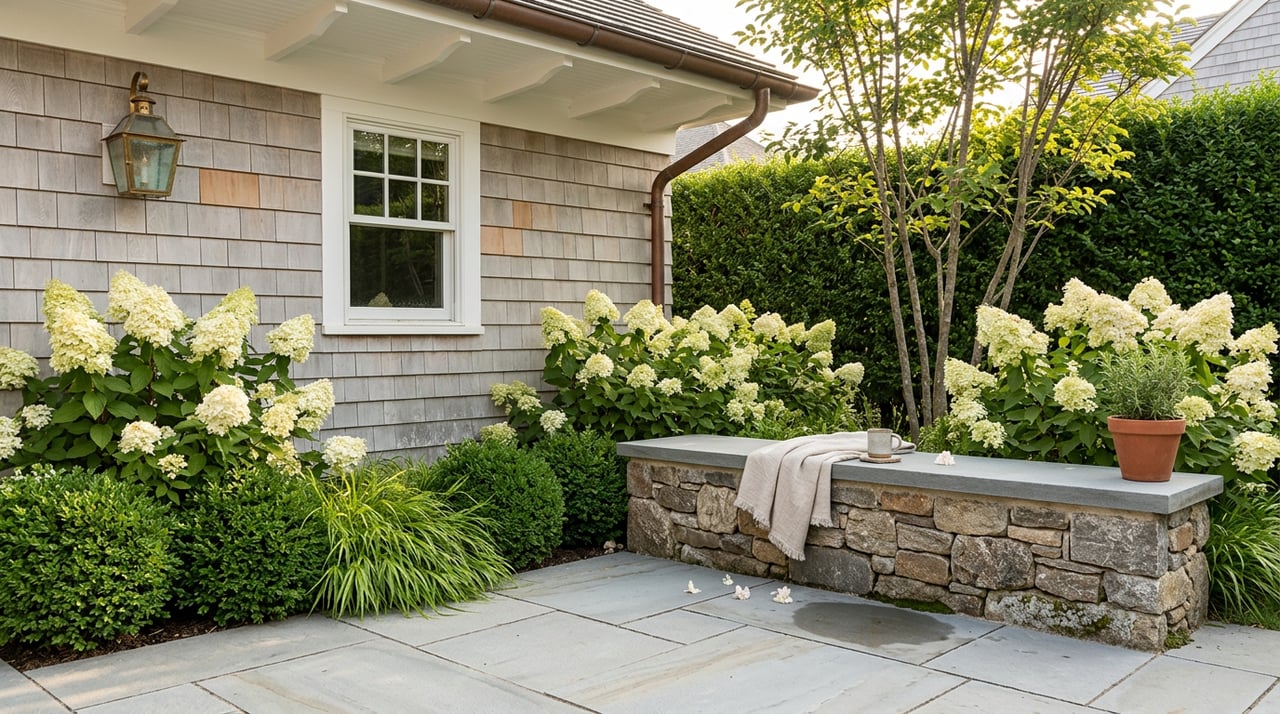
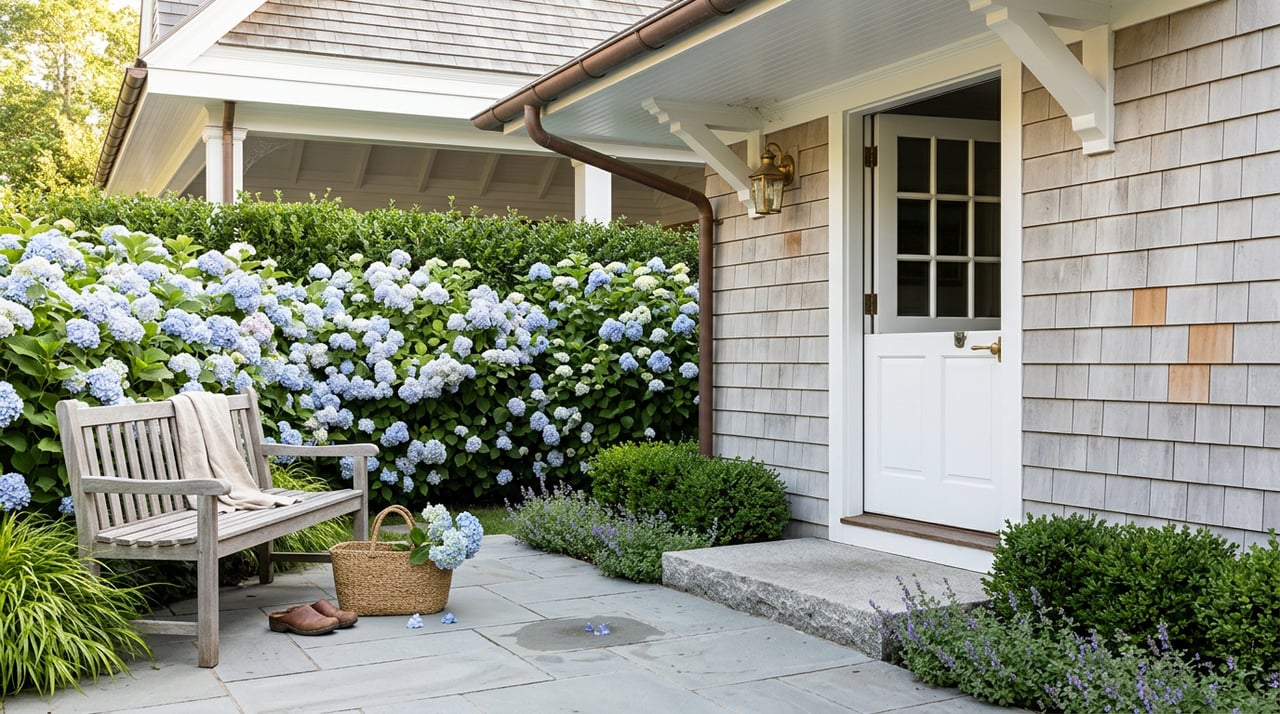
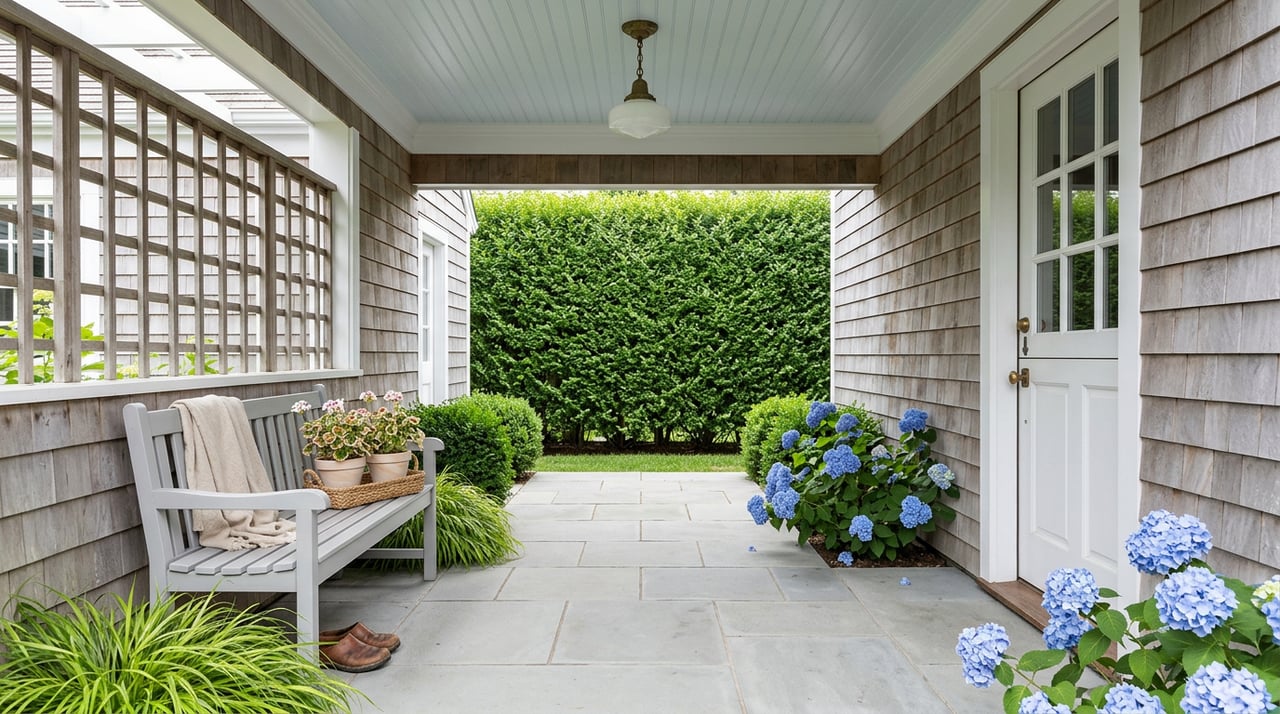
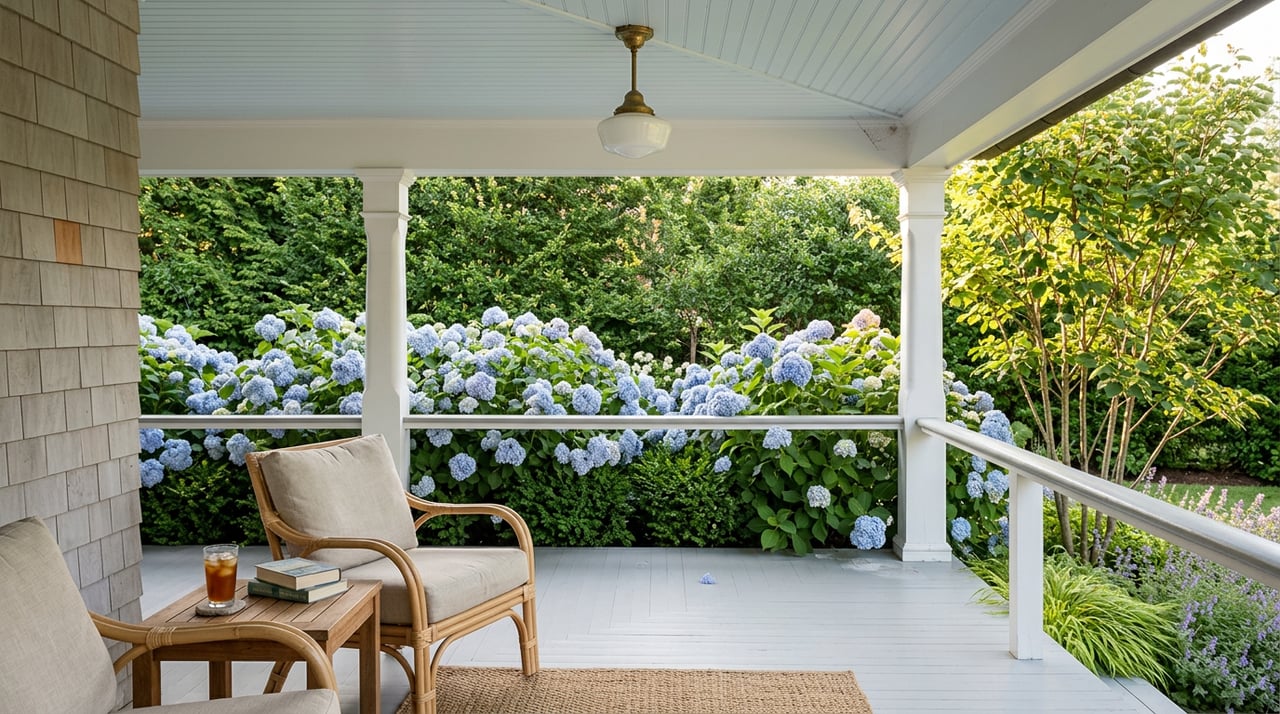
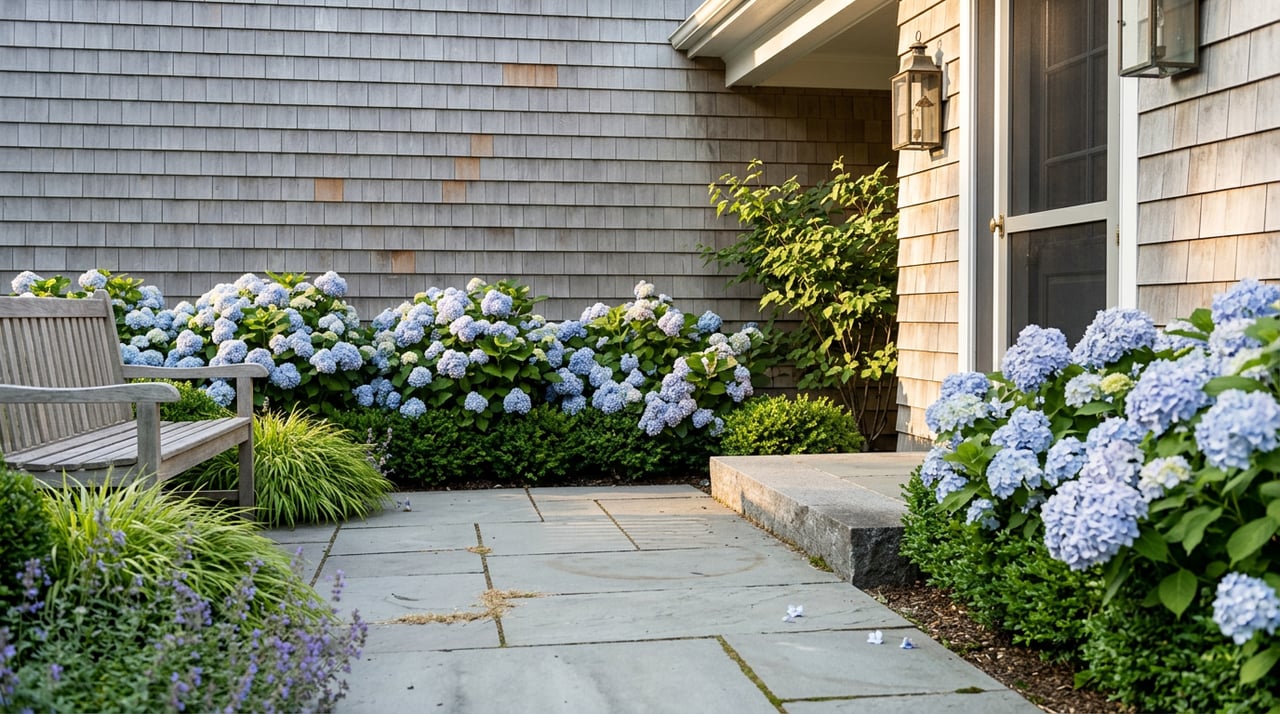
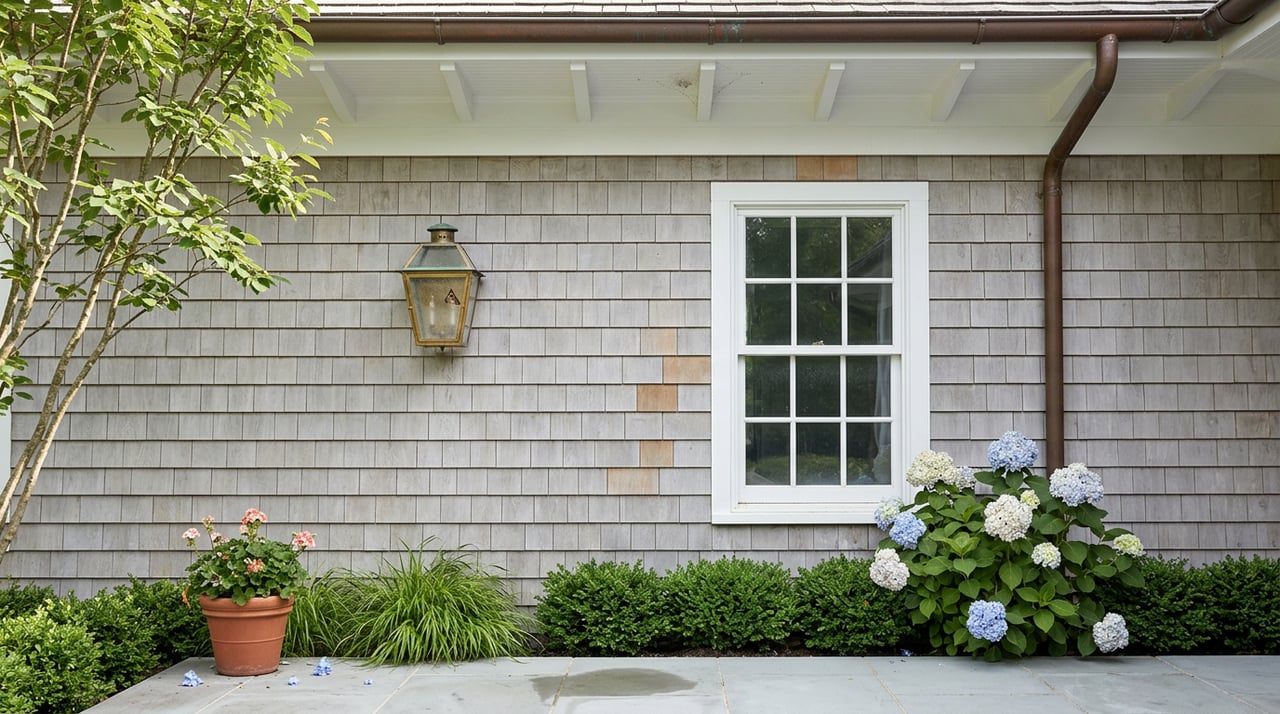
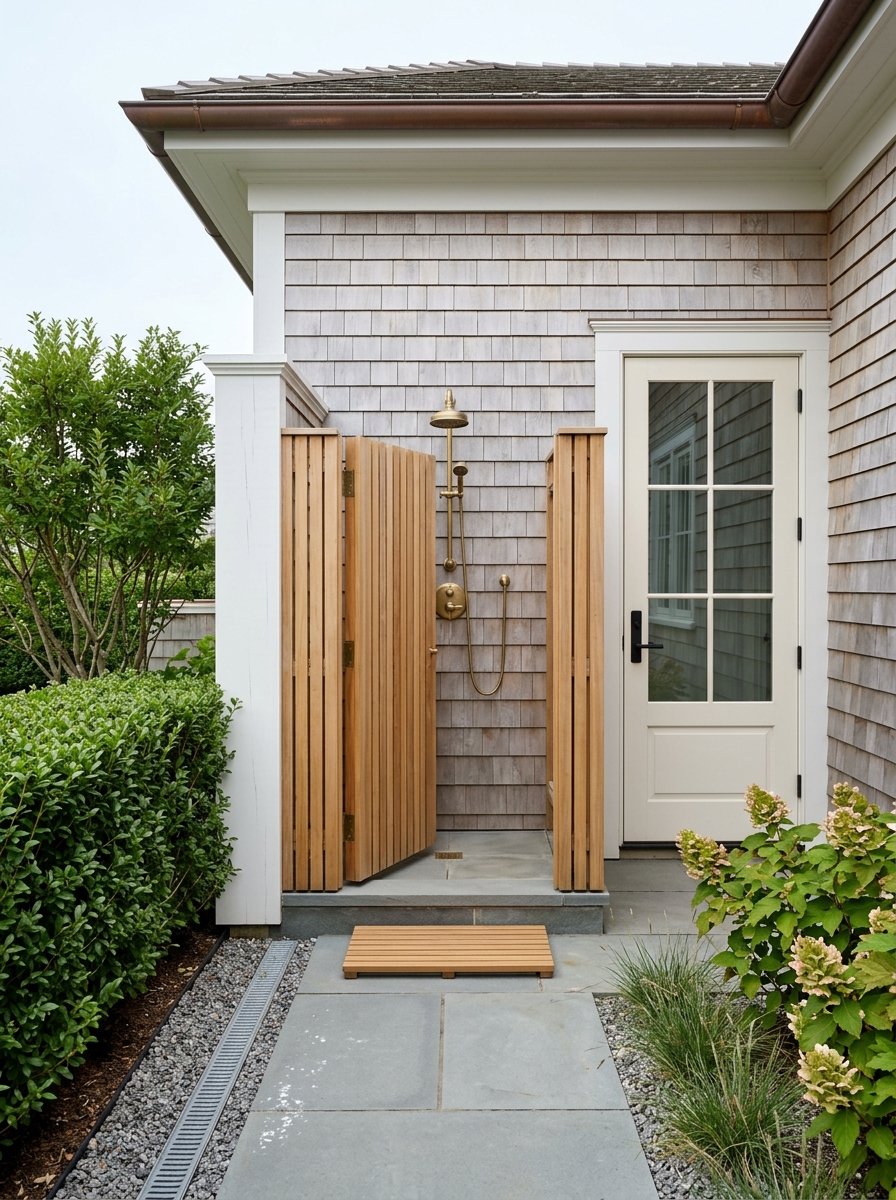
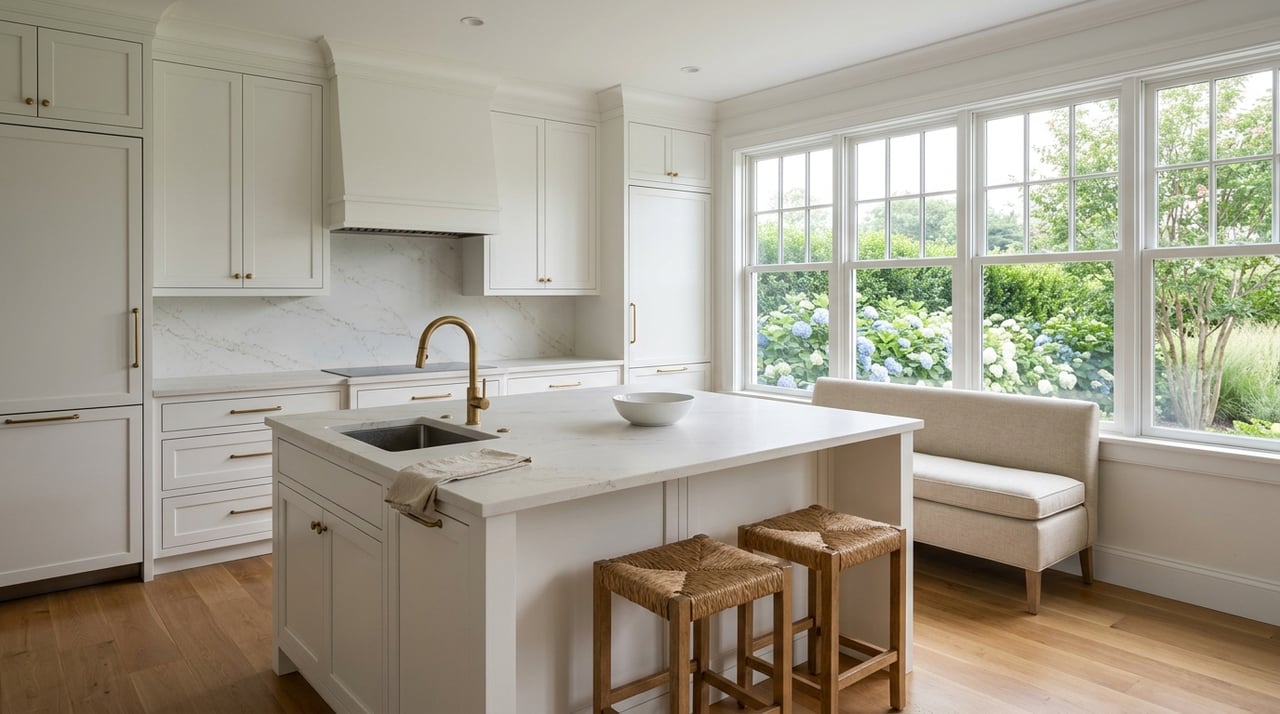
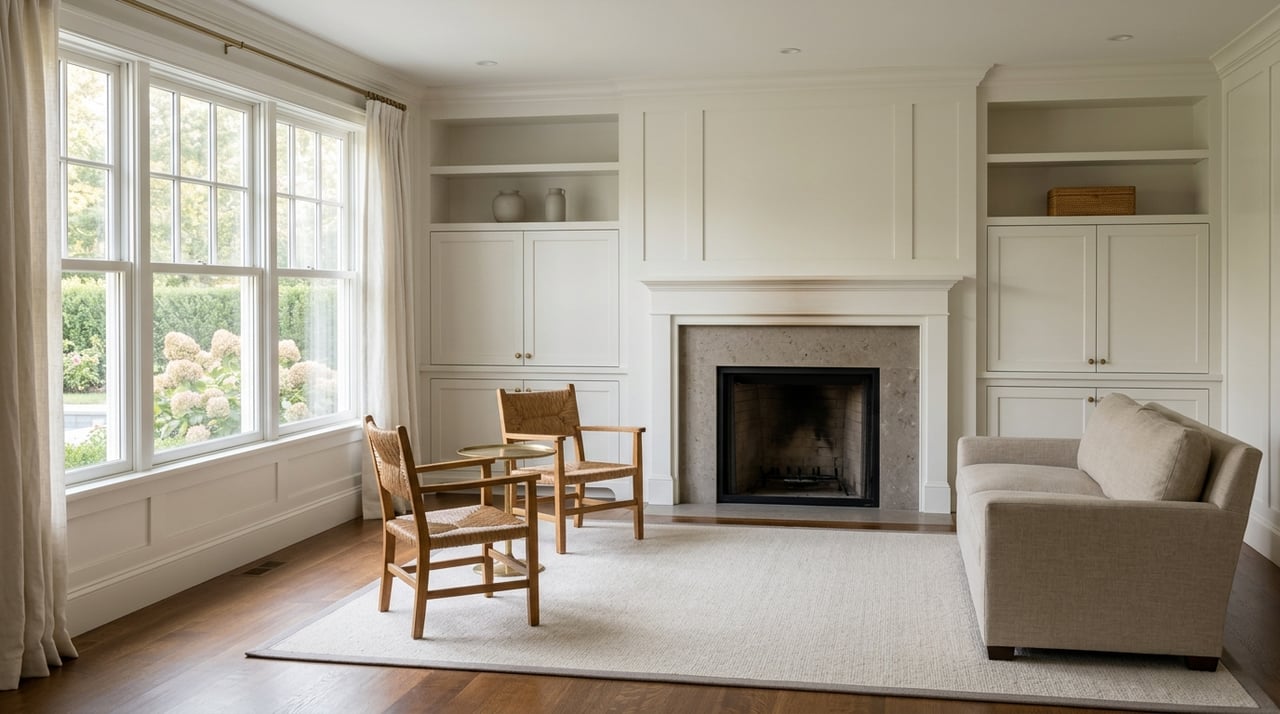
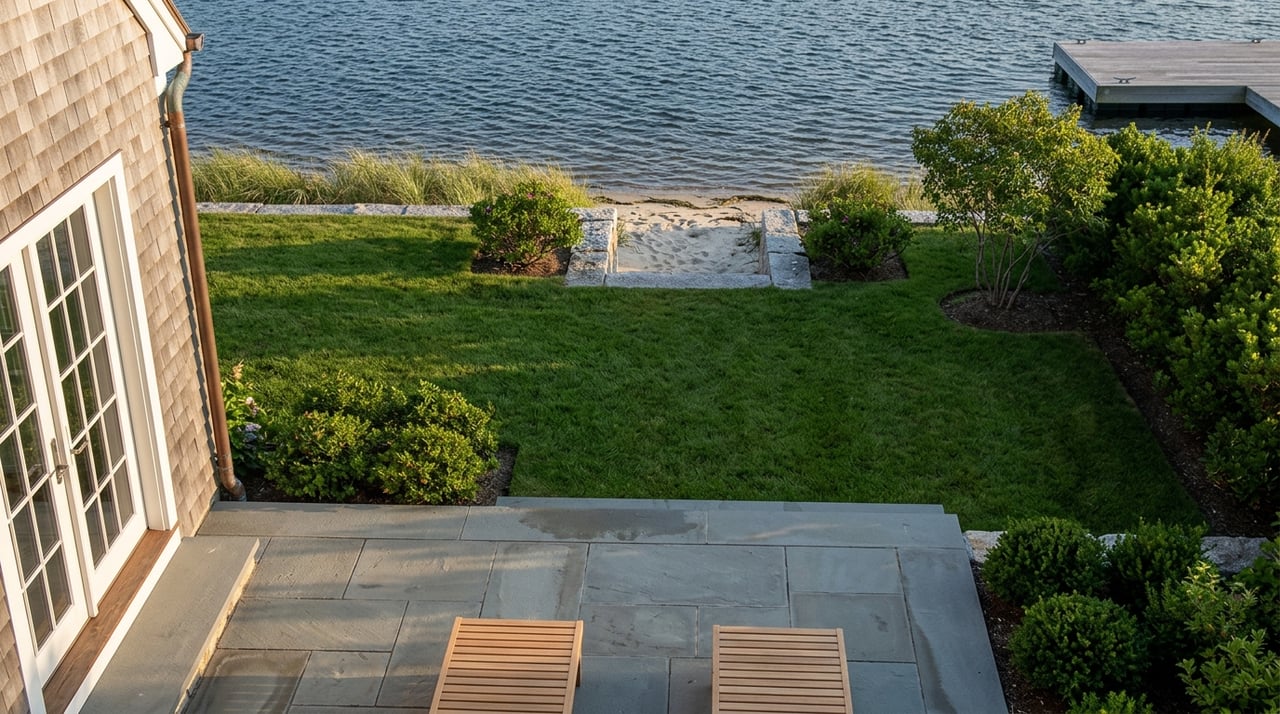
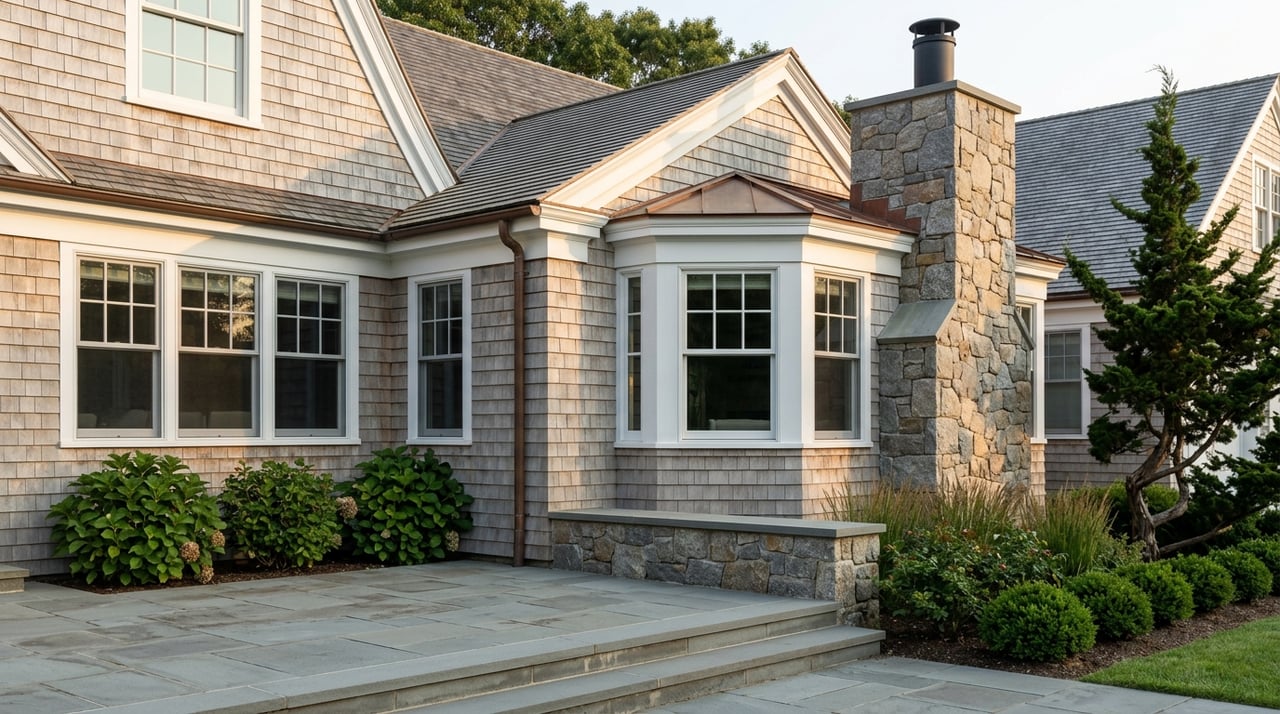
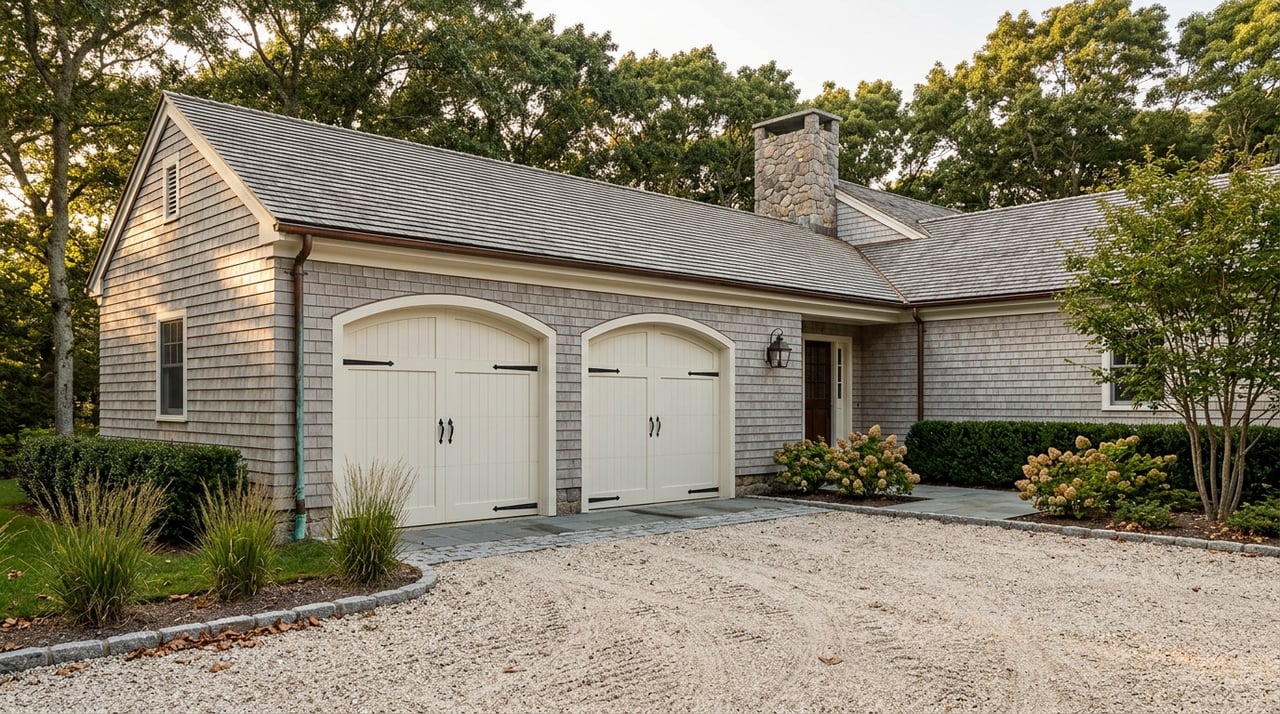
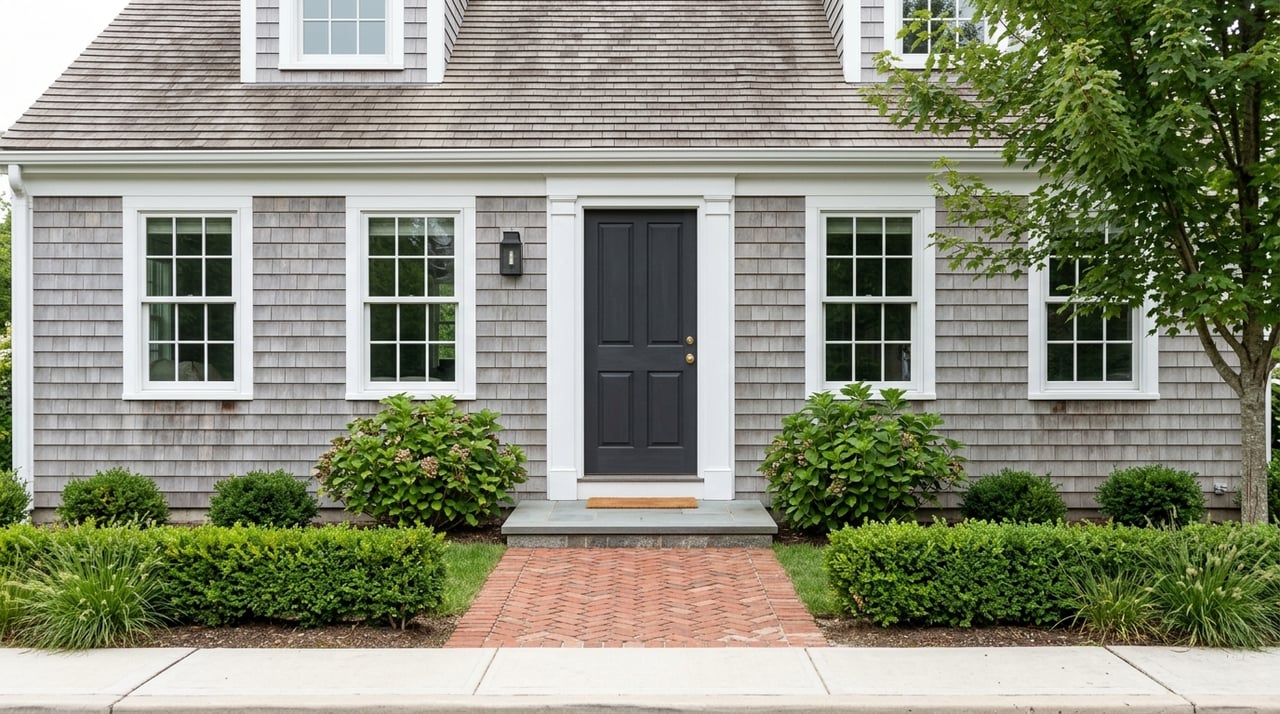
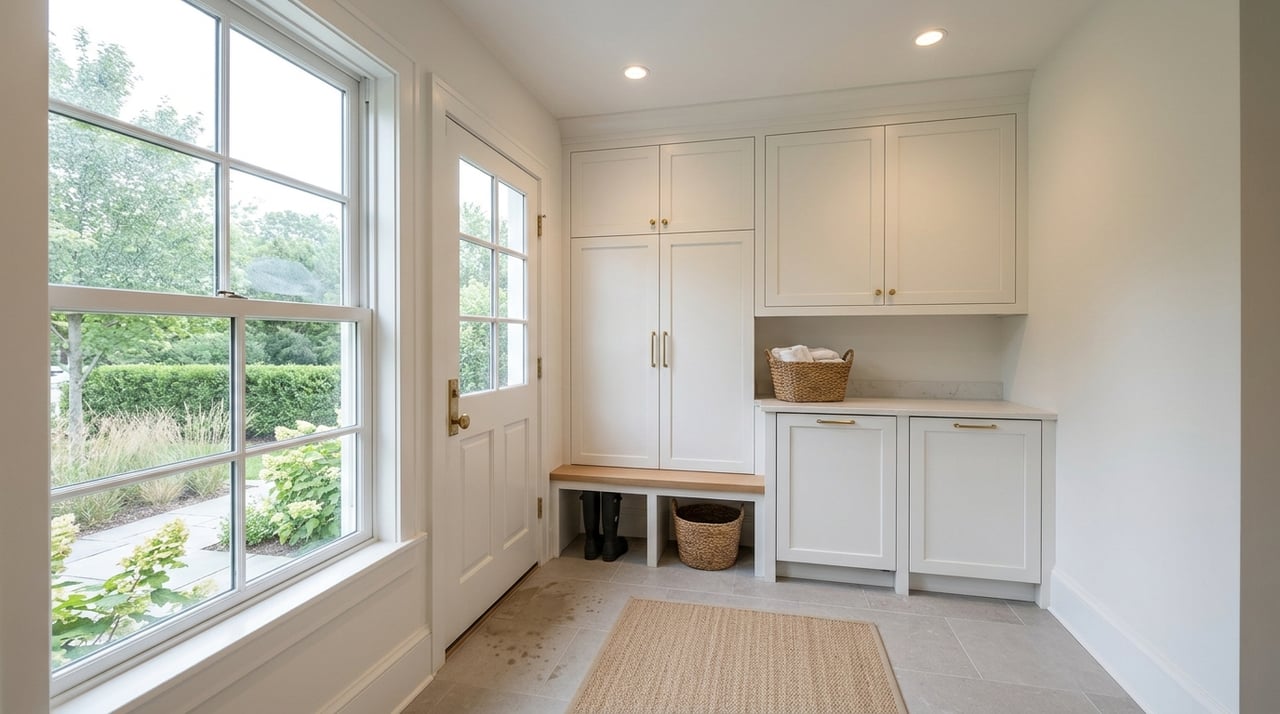
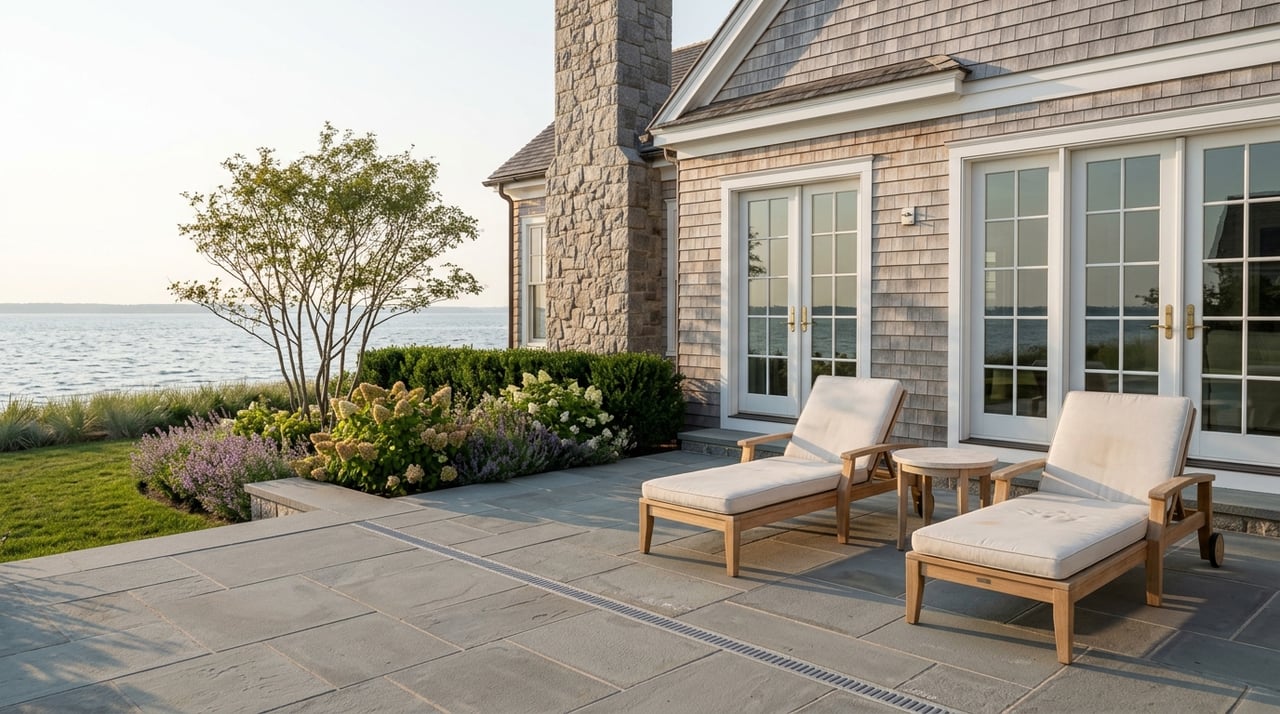
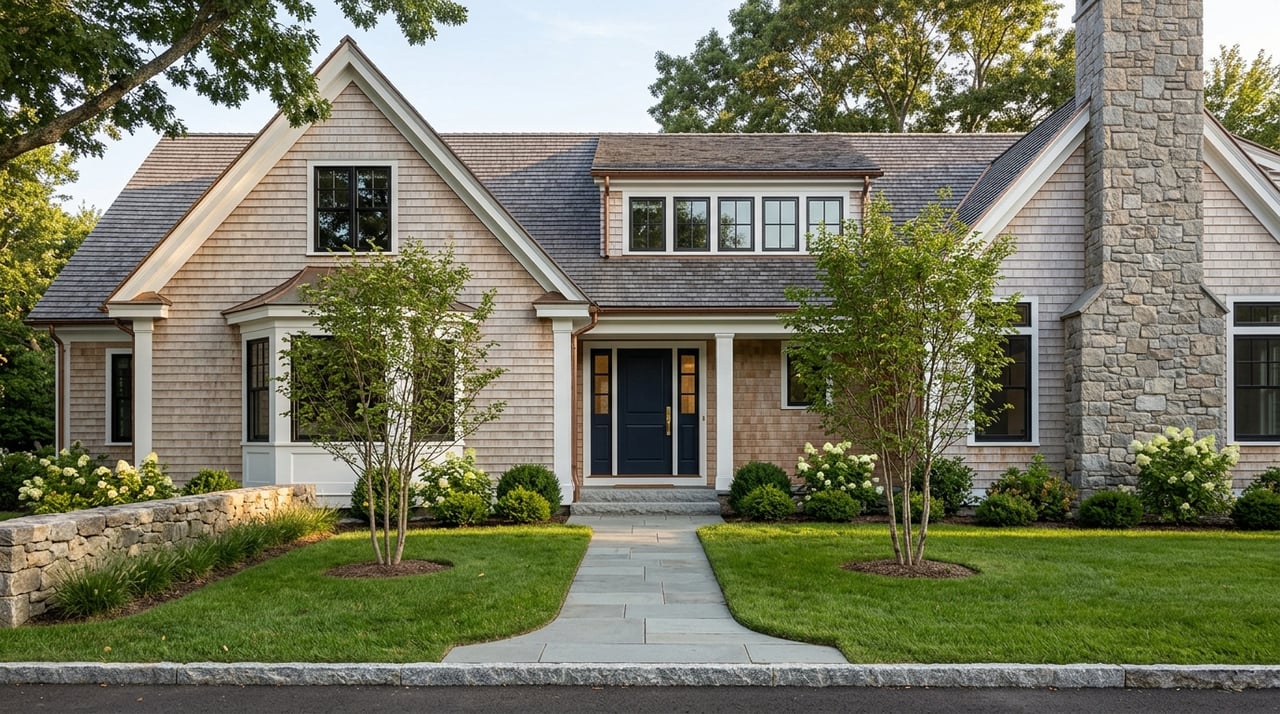
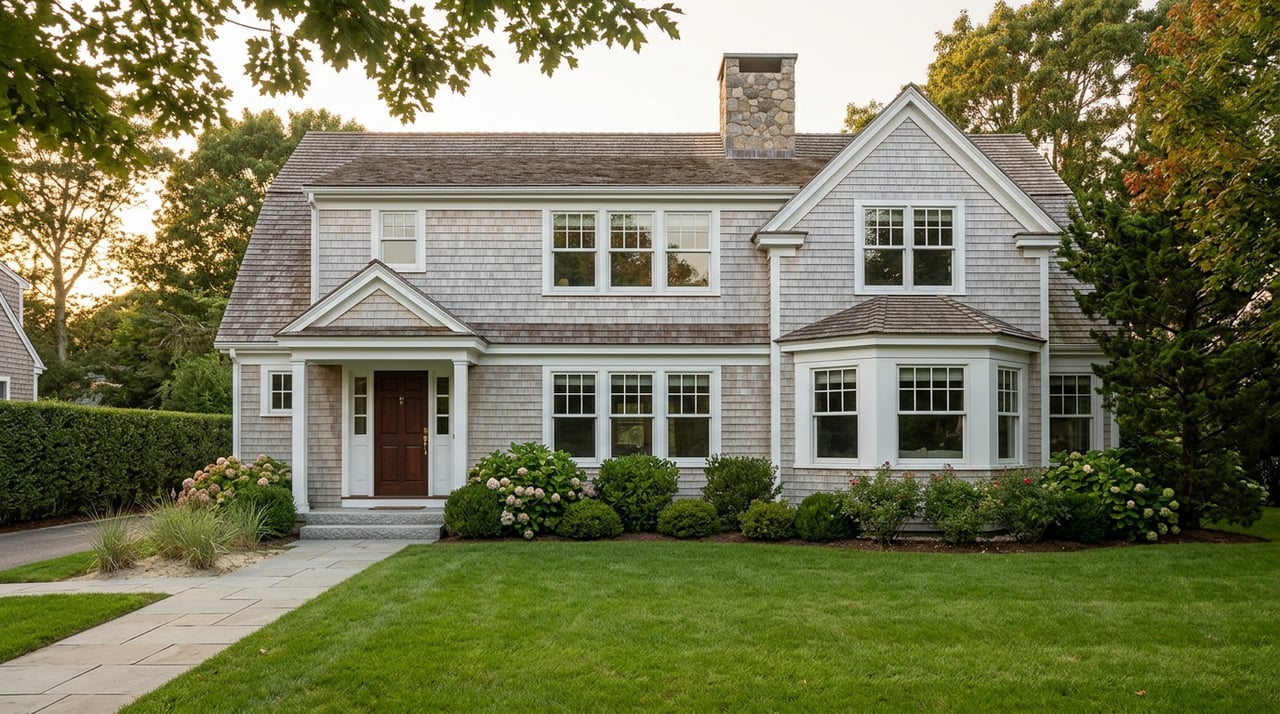
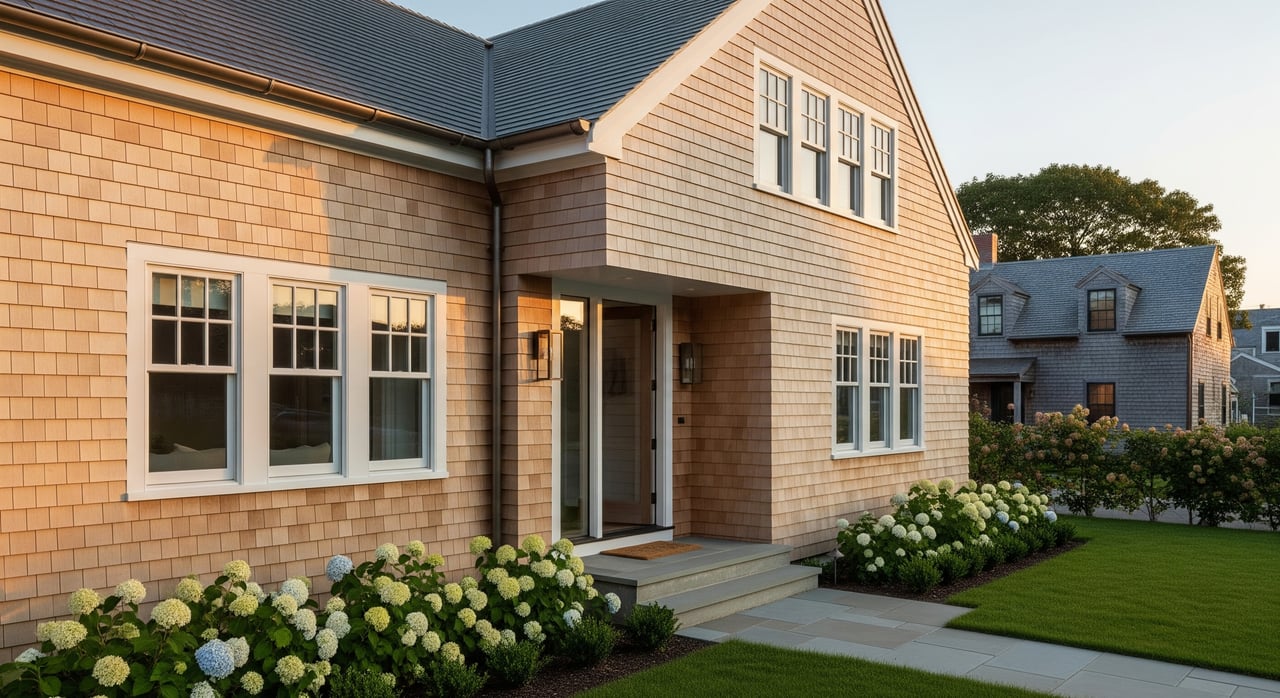
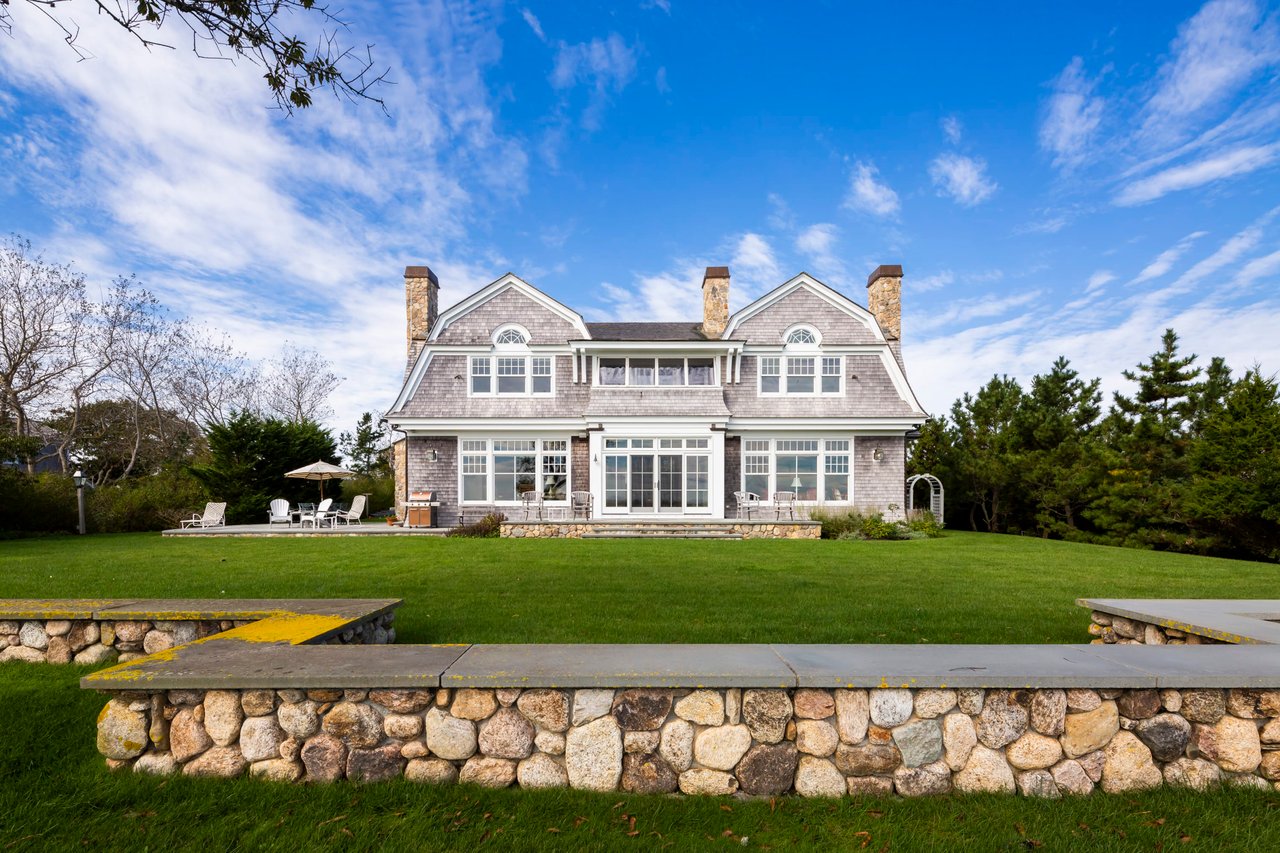
A buyer touring New Seabury in July 2026 sees a shingle-clad home on a manicured cul-de-sac, a beach club at the end of the lane, and two championship courses on the horizon. The listing photographs everything as one experience. The purchase and sale agreement does not.
In Mashpee's private-community market, the deed and the club are two separate transactions. The number that decides whether a home works for a buyer is rarely the list price. It is the initiation-plus-dues stack that lives outside the closing statement, and it is the one figure a first-time Cape buyer almost never has on the page before writing an offer.
The Deed And The Club Are Two Purchases
The 2026 New Seabury Membership Plan is explicit on this point: owning a residence or a lot inside New Seabury does not create a vested right or an easement to use club facilities. Buying the house does not buy the golf, the beach clubs, the tennis, the fitness center, or the pools. It buys the house.
That distinction matters because the visual language of a resort community suggests the opposite. The Cottages at New Seabury are marketed as energy-efficient, low-maintenance homes within walking or biking distance of the Tennis Center, the Golf Practice Facility, and the New Seabury Athletic Club. Enclaves such as Sea Quarters, Vineyard Reach, Promontory Point, Poppy Place, The Preserve at Flat Pond, and Oceanfront Homes at Seaside share paths, streetscapes, and a common HOA under the Peninsula Council, which represents 29 villages. All of that is real. None of it is a club right.
What The 2026 Plan Actually Costs
The 2026 Membership Plan lists four active classifications. Read them alongside a purchase price rather than after it.
| Membership | Initiation | Annual Dues |
|---|---|---|
| Diamond | $100,000 | $23,400 |
| Lifestyle Plus | $85,000 | $16,800 |
| Lifestyle | $65,000 | $12,720 |
| Silver | — | $13,860 |
The math is worth doing before an inspection is scheduled. A Diamond membership adds roughly $123,400 to the first year of ownership on top of the mortgage, taxes, HOA dues, and any capital contribution the association collects at closing. A ten-year hold at the Lifestyle tier layers another $127,200 of dues onto the property. Neither figure appears on the MLS sheet or the settlement statement. Both are the reason two identical-looking homes on the same street can function as entirely different financial commitments.
Movoto put Mashpee's July 2026 median list price at $799,000, or about $503 per square foot, with a median 41 days on market. That is the town number. It is not the New Seabury number, and it is nowhere near the number that matters once a club tier is layered on. A buyer using the town median as their anchor is comparing a house to a house. A buyer inside the gates is comparing a house-plus-club to a house-plus-club.
Why Willowbend And Southport Read Differently
The membership-is-optional structure is a New Seabury convention. It is not a Mashpee convention. Two of the town's other private communities work on entirely different logic, and the distinction is worth pricing in before a buyer narrows a search.
Willowbend is an exclusive club with 27 holes across three nine-hole layouts marketed as Bay, Bend, and Bog, plus resort amenities. Its real-estate portfolio spans single-family homes, townhomes, and villas, with Riverbend operating as a private gated enclave of 22 townhomes on its own pool. Membership access, transfer rules, and any waitlist mechanics are governed by the club's own documents rather than the town's.
Southport is a different animal again. The 55+ community sits on 264 acres off Old Barnstable Road, with guarded entrances, a 32,000 square foot Village Center, and a Phil Wogan-designed par-three private to residents. Roughly a thousand residents live there. Public golf at Quashnet Valley Country Club abuts the community, which shifts the calculus for a buyer who wants a course nearby without paying a private-club premium. Age-restricted covenants also constrain resale to a defined buyer pool, which is a real variable in exit planning and one the seller of a Southport unit will price into their own math whether the buyer sees it or not.
Three private communities inside the same town, three very different answers to the same question about what the deed carries. Any comparison that treats them as interchangeable golf-and-beach lifestyles misses the transactional shape underneath.
The Rental Rule That Sits On Top Of The Rental Rule
The second friction point tends to surface later, usually after a buyer has begun modeling shoulder-season rental income against the carry. Mashpee requires short-term rentals to be registered with the town and to pass an annual inspection. That is the municipal layer. Every private community then applies its own rental rules on top, and those rules routinely tighten what the town allows: minimum stays, blackout periods, tenant screening, and in some cases outright prohibitions on non-member rentals of club amenities.
The practical implication for an offer: any pro forma that treats short-term rental income as a given should be stress-tested against both sets of rules before contingencies come off. It is entirely possible for a property to be legal to rent under the Town of Mashpee's registration regime and non-compliant with the association's governing documents at the same time. The association wins that fight. Confirming both regimes takes an afternoon before the offer and can take months of dispute after.
A Pre-Offer Document Set Worth Assembling
The single best predictor of a clean closing in a Mashpee private community is whether the buyer has seen the paperwork before writing the offer, not after. A short list, in the order they matter:
- The current governing documents for the association that controls the property, including any amendments filed in the last three years.
- The 2026 Membership Plan for the relevant club, with tier initiations, annual dues, and any sponsorship or waitlist language.
- A resale certificate or 6(d) certificate confirming the seller's account status, any pending special assessments, and the association's transfer or capital contribution fee.
- The rental rules as they read today, alongside a copy of the seller's Town of Mashpee short-term rental registration if one is in place.
- Any deed restrictions, conservation easements, or path and beach easements that run with the parcel, particularly for waterfront and near-water homes where public access rights and dune rules can constrain future changes.
None of this is heroic due diligence. It is the document set that separates a buyer who closes on schedule from one whose inspection contingency expires while their attorney is still reading.
Questions Worth Answering Before You Sign
Does the seller currently hold a club membership, and is it transferable? Assume the answer is no unless the documents say otherwise. Memberships in these clubs generally do not run with the deed. A buyer who wants club access is applying as a new candidate, subject to whatever sponsorship, waitlist, and initiation the plan specifies in 2026.
Which HOA fees are annual, and which are collected only at transfer? The Peninsula Council fee is one line item. A capital contribution or working-capital fee collected at closing is often another, and it is buyer-paid in most Cape communities. Ask for a written breakdown before removing the financing contingency.
If the plan is to rent, what will the association allow in writing? Not what the listing agent describes. Not what a neighbor did last summer. What the current rules, as amended, allow. Then reconcile that with Mashpee's registration and inspection requirements.
How does the community handle resale of an age-restricted unit? Only relevant for Southport, but critical there. Understanding the buyer pool at exit is part of understanding the entry.
What does the club's most recent audited financial statement say about capital projects? A pending clubhouse renovation or course restoration is a future assessment in a different costume. The plan discloses it. Ask for it.
A home in one of Mashpee's private communities can be one of the most rewarding purchases a family makes on the Cape. It can also carry obligations that would have changed the offer had they been visible on day one. The work is not complicated. It is a matter of reading the right documents in the right order, and of treating the deed and the club as two purchases rather than one.
For a confidential review of a specific property in New Seabury, Willowbend, or Southport, along with the document set behind it, Paul Grover and the team at Berkshire Hathaway HomeServices Robert Paul Properties welcome a private conversation. Start a confidential conversation.