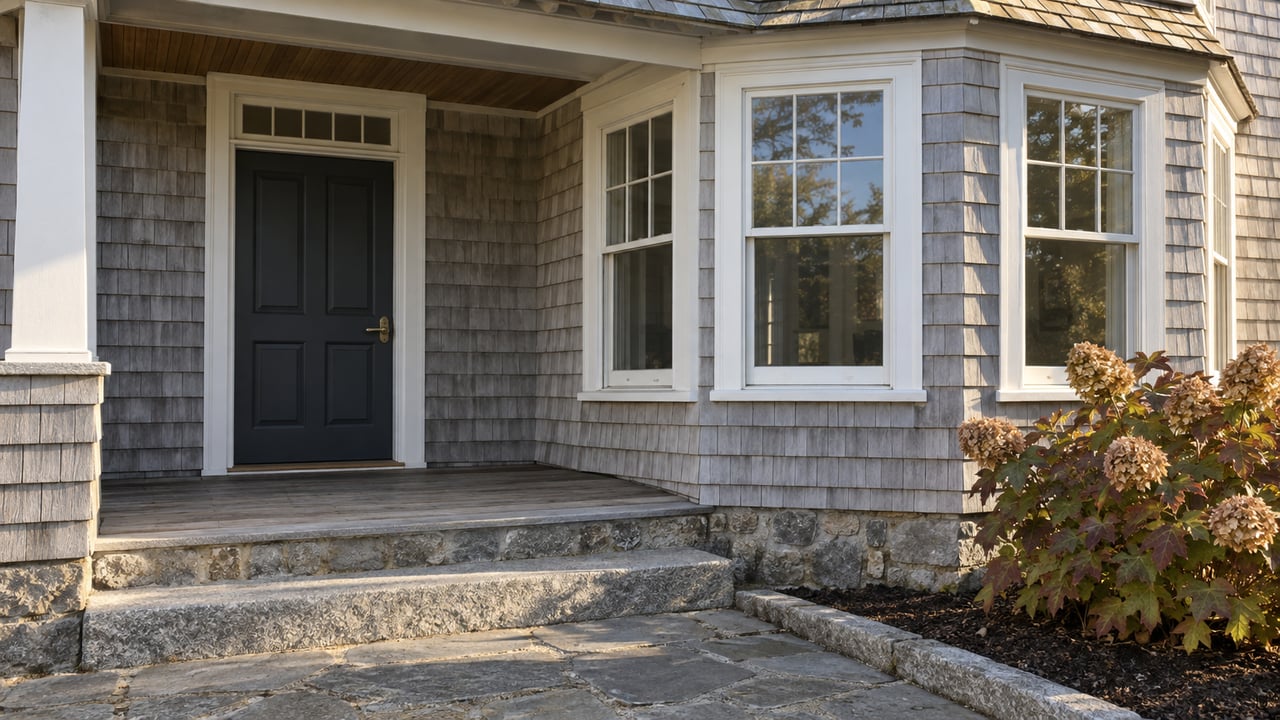
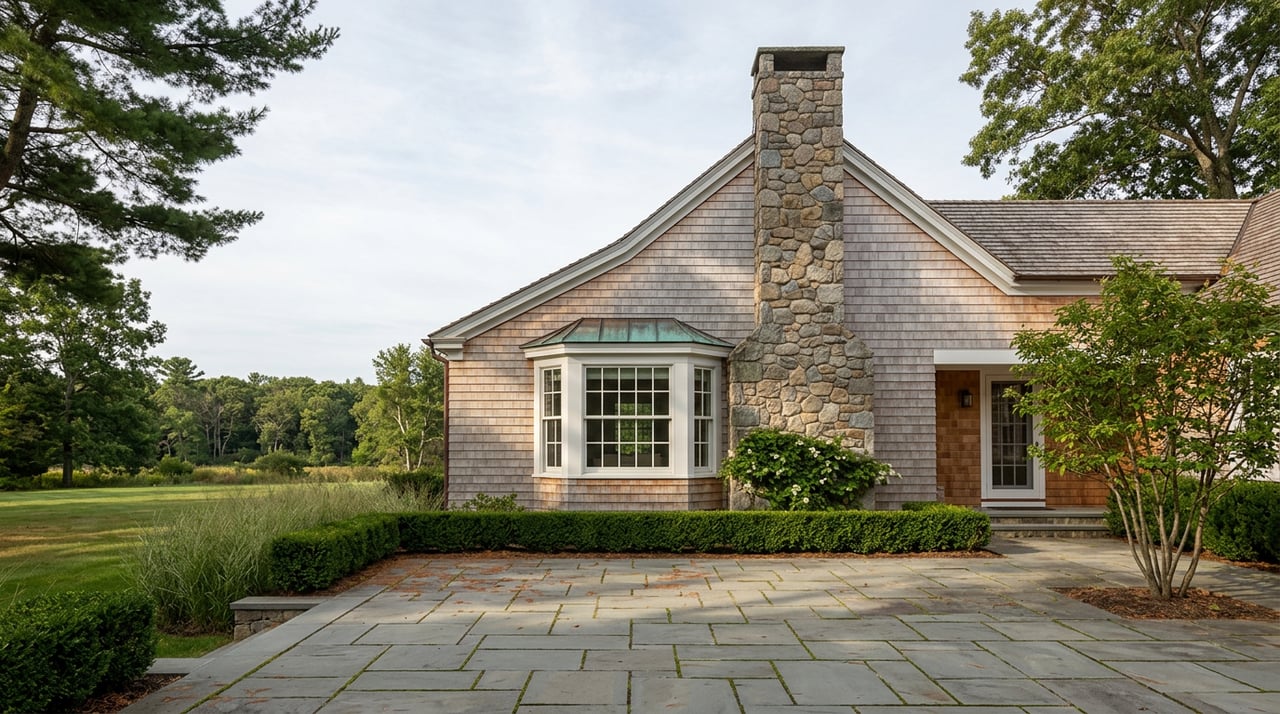
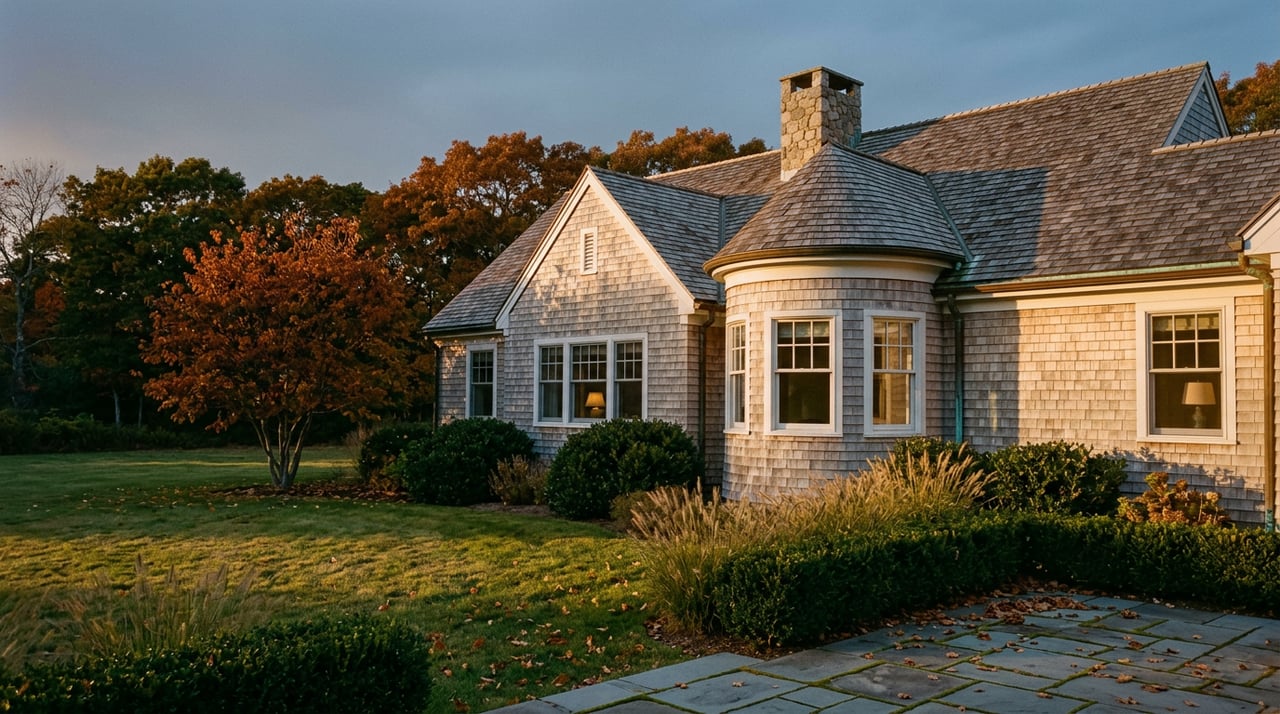
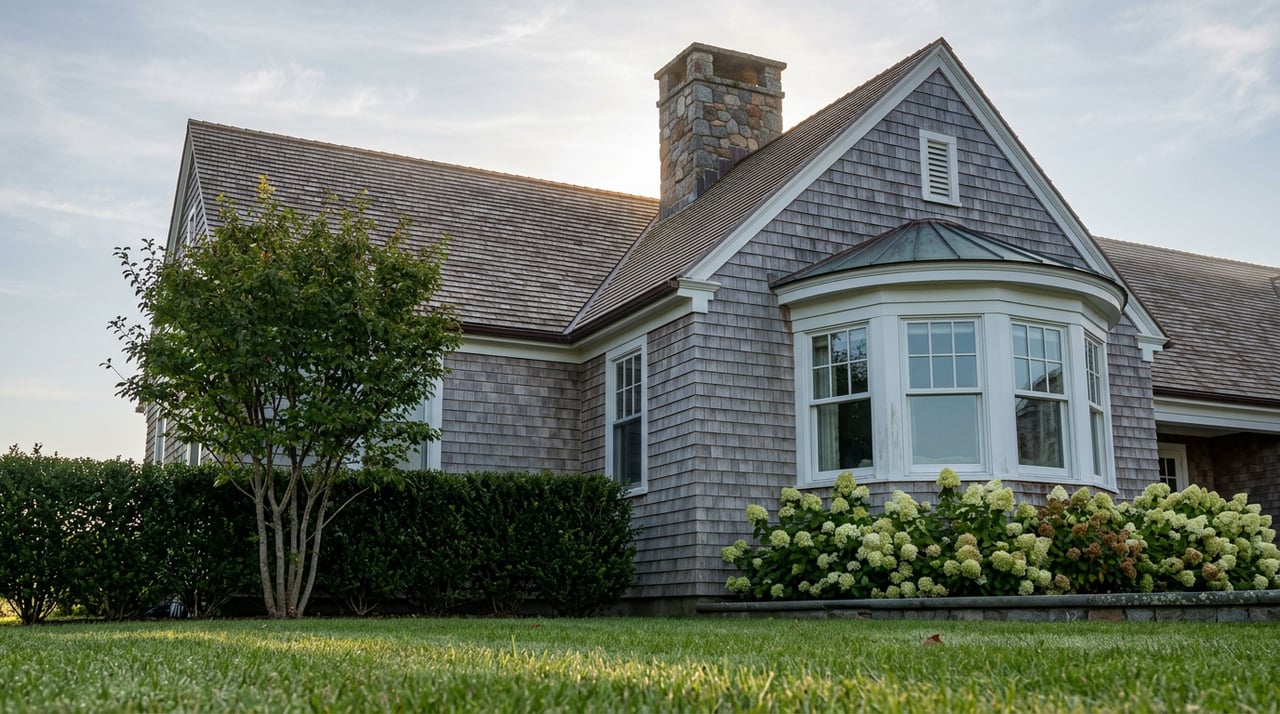
A buyer touring a Cotuit Bay home this summer will hear the same shorthand at almost every showing. The house comes with a mooring. The seller has held it for years. The boat is on it now. What that sentence describes is real. What it does not describe is a right that survives the closing.
The mooring in question belongs to the seller as an individual, not to the parcel. When the deed changes hands, the permit does not travel with it. That single fact reorders how a considered buyer should price shoreline in Cotuit, and it is the reason two homes on the same cove, sold within a season of each other, can settle at very different numbers once the boat-access question is honestly answered.
"The ownership of water front property in no way guarantees nor implies any right of the property owner to obtain a mooring permit."
That language sits in Chapter 406 of the Barnstable Town Code, the mooring regulations the Harbormaster's Office administers from Phinney's Lane in Centerville. It is the sentence sellers rarely surface and buyers rarely ask about, and it is the operative rule under every conversation about waterfront value in this village.
What Actually Transfers, And What Doesn't
Under Chapter 406, an individual mooring permit is issued in a single name. The vessel on that mooring must be registered or documented in the same name, with a spouse permitted on the paperwork. The Harbormaster's Office treats a change in vessel ownership as a trigger for a new permit application, not an automatic reassignment.
Permits are transferable, but only inside an immediate family defined as brother, sister, son, daughter, father, mother, or spouse. The transfer form requires a fifty-dollar fee, notarized intent, and documentation of the relationship, and no more than one such transfer may occur per 365 days. A buyer at closing, absent that family relationship, does not qualify. The permit lapses, and the space returns to the queue.
The queue is where the second half of the problem lives.
The Closed-Waitlist Map Around Cotuit
Every mooring field a Cotuit buyer would reasonably care about is currently closed to new applications. Chapter 406 lists Cotuit Town Docks and Ropes, Cotuit Bay Shores, North Bay, North Bay Channel, Prince Cove, West Bay, Tim's Cove, and Cotuit Ropes/Cordwood among the closed lists, meaning the Harbormaster is working through existing names rather than accepting new ones.
The last broad opportunity to enter came in April 2023, when the Harbormaster's Office ran a lottery for five fields, including Cotuit Bay Shores, distributing 115 waitlist positions town-wide across all of them. A buyer who missed that window is dependent on the next lottery cycle, whenever it is announced, and even a winning ticket only buys a place in line rather than a mooring. New-application fees are twenty-five dollars per list under the fee schedule in Chapter 404A, with the annual individual mooring permit itself running $135 once one is issued.
For a buyer who assumes the seller's mooring is part of the trade, the practical replacement path is a private slip at Prince Cove Marina, a family transfer that will not exist, or a trailer-and-ramp arrangement that changes how the boat is used. None of those are priced into a listing that advertises a mooring in the description.
Why Association Homes Read Differently On The Same Bay
The exception that proves the rule sits off Old Post Road. Cotuit Bay Shores is a private association whose amenities are attached to the subdivision, not to any individual permit. A deeded beach on North Bay, a deep-water association dock, four tennis courts, bocce, kayak storage, and walking trails to Eagle Pond Sanctuary all convey with the deed, subject to association dues and rules. The association also maintains its own presence in the town mooring field, which is why Cotuit Bay Shores was one of the five fields included in the 2023 lottery.
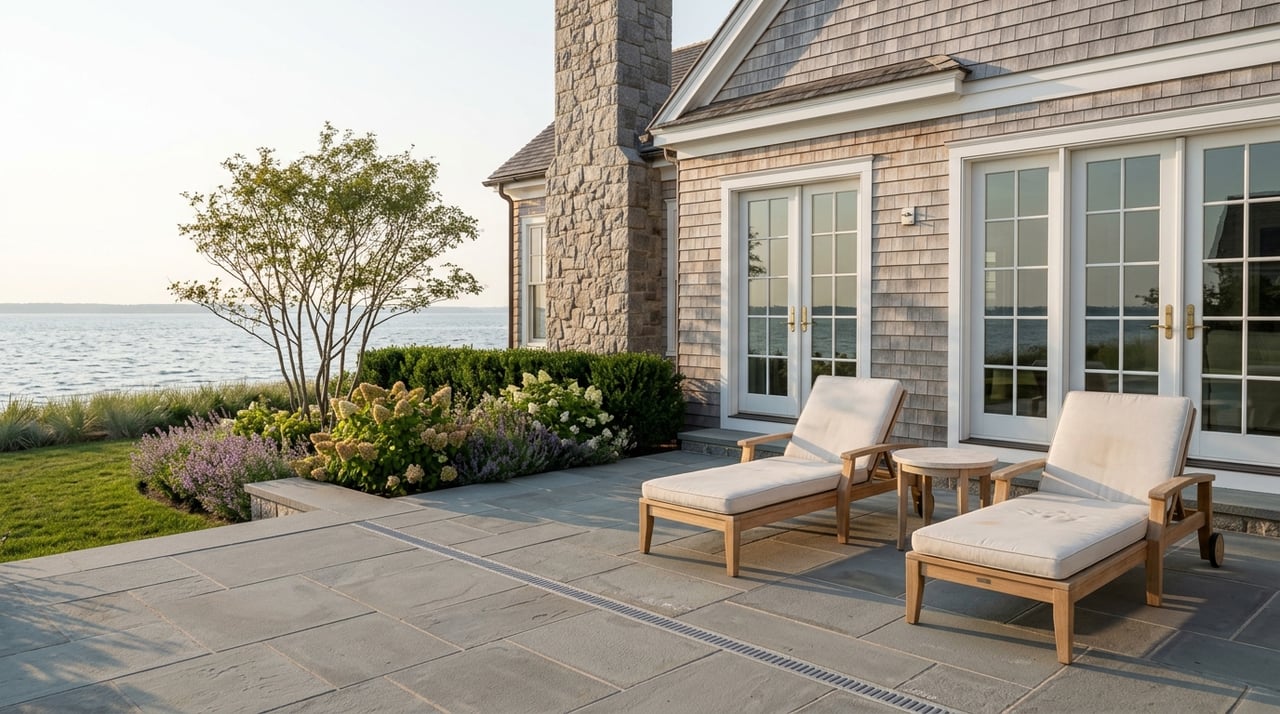
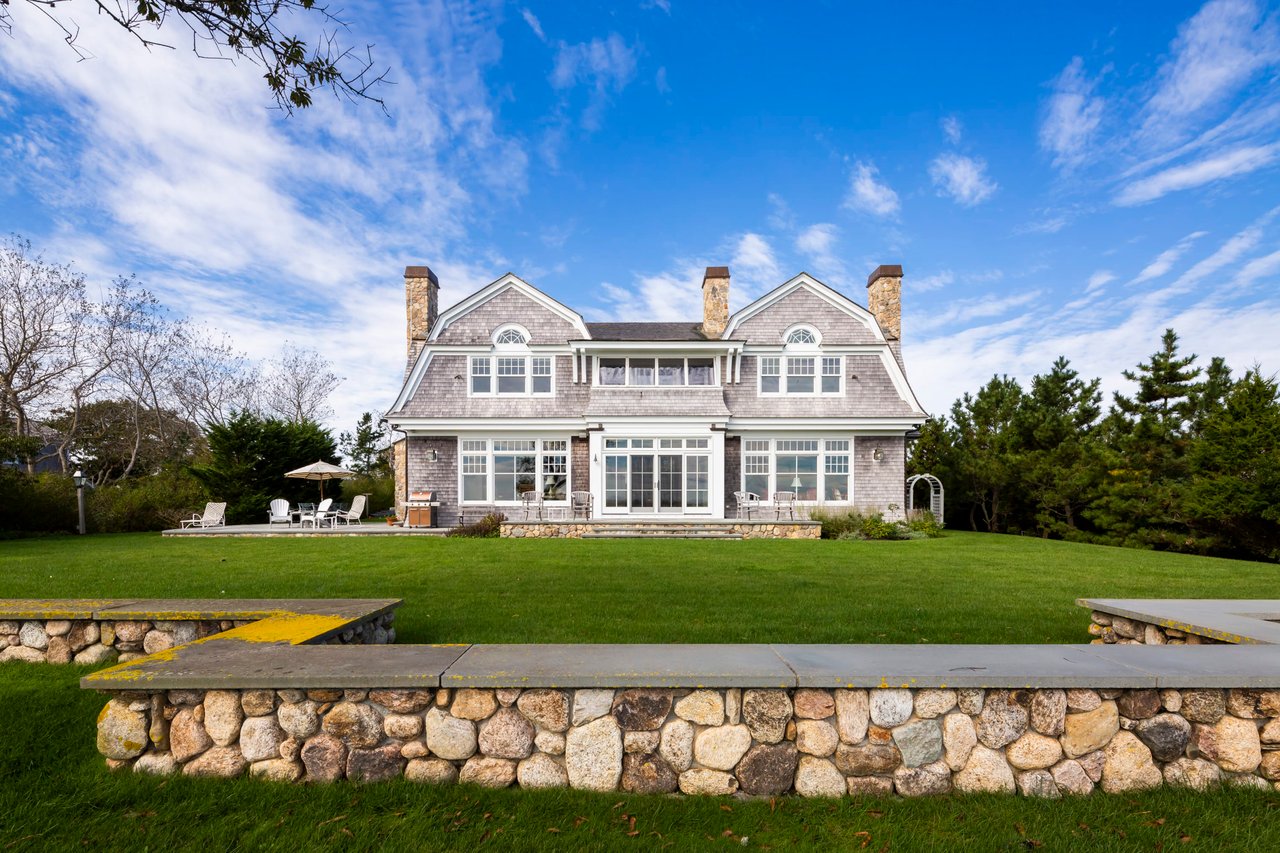
The distinction matters because the two ownership structures look almost identical on a listing sheet and behave very differently in a transaction. A non-association Cotuit Bay home with private frontage carries scenic value and, at low tide, a walk to the water. Whatever boat access the seller enjoys is personal. An association home two streets inland with no water frontage at all carries dock rights, beach rights, and a claim on shared infrastructure that a buyer can rely on the day after closing.
A Cotuit buyer comparing those two homes at similar list prices is comparing two different assets. The first is real estate. The second is real estate plus a set of contract rights that do not require the Harbormaster's cooperation.
What The 2026 Numbers Do And Don't Tell You
The aggregate figures on Cotuit swing hard because the sample is small and heavily weighted by a handful of estate-level sales. Redfin's trailing three months through May 2026 put the median sale price at roughly $1.9 million. A Movoto snapshot of June 2026 listings showed a median list price of $1.47 million with 29 days on market. A MLS-derived reading for the month ending July 4, 2026 put average sale price near $1.63 million. Those numbers are directionally consistent with a market that is transacting, and none of them explain the spread between two waterfront homes closing in the same quarter.
The spread the data does not show is the boat-access spread. Two Cotuit Bay homes with comparable square footage, condition, and view can settle a quarter million dollars apart because one carries a family-transferable permit chain or association dock rights and the other carries only frontage. That gap is legible only in the paperwork, not in the MLS field.
A Pre-Offer Document Set Worth Assembling
For a buyer who wants the boat-access question answered before an offer goes in rather than during attorney review, the following documents settle most of it.
- The seller's current mooring permit, showing the individual name of record, the field, and the current vessel on the permit.
- The most recent renewal receipt and inspection report on file with the Harbormaster's Office, confirming the permit is in good standing and not subject to the late-renewal window that runs March 1 through March 31.
- Any family relationship the seller intends to invoke to transfer the permit, along with the notarized intent letter, if a qualifying transfer is contemplated before closing.
- For an association home, the recorded declaration, current rules, dues schedule, and any waitlists the association itself maintains for dock space, kayak racks, or mooring positions inside its field.
- For any private dock language, the deed reference to a Chapter 91 license, the license number, and the license's conditions, since a licensed dock is a separate asset from a mooring and carries its own transfer mechanics.
- For a home marketed with a Cotuit Oyster Company shellfish grant reference or private grant, the grant paperwork, since those are also individually held and do not travel with the deed.
That set costs nothing to request. Its absence is itself information.
Questions Worth Answering Before You Write The Offer
The first question is whether the mooring the seller uses is being represented as an amenity of the home. If a listing describes the mooring, the buyer should confirm in writing whether the seller believes it transfers, and on what authority. In most Cotuit fields, the honest answer is that it does not, and any premium being paid for it is a premium for a season of use during the transition rather than for a permanent right.
The second question is what the buyer's plan is if the permit lapses at closing. A slip contract at Prince Cove, a mooring rental through a licensed servicer, a temporary arrangement with a family member of the seller, or a trailer-based plan all work in different ways. Each has a cost. Each should be resolved before a purchase-and-sale is signed, not after.
The third question is whether the property being considered is inside an association whose amenities, mooring field access included, are governed by recorded documents rather than by individual permits. That question moves the analysis from the Harbormaster's Office to the association's ledger, and it changes what is being bought.
FAQ
Can a buyer inherit the seller's place on a closed waitlist? No. Waitlist positions are held by the applicant who paid the fee and are not property rights attached to a parcel. When the applicant is removed or fails to renew, the next name is called.
Does a private dock license transfer with the deed? A Chapter 91 tidelands license is issued to a specific parcel and can convey when properly referenced, but the conditions attached to it are enforceable by the Commonwealth. A buyer should confirm the license is current, that the structure as built matches what was licensed, and that no outstanding conditions have been left unsatisfied.
How does an association mooring field differ from a town field? Association fields are administered inside the town's regulatory framework but are managed by the association for the benefit of its members. Access is governed by association documents, not by an individual town permit alone, which is why those rights are more durable across a sale.
A Closing Note
The Cotuit waterfront premium is real, and it is not misplaced. The village's quiet coves, the Cotuit Skiff tradition off Ropes Beach, the Cotuit Oyster Company on the dock, the walking trails through Crocker Neck and Eagle Pond, and the year-round rhythm at Cotuit Center for the Arts all justify the way this market prices itself. What the premium does not automatically include is a boat on a mooring the morning after closing. That has to be built into the offer, or it has to be built into the plan.
For buyers and sellers who want the paperwork to say what the conversation says, Paul Grover and the team at Berkshire Hathaway HomeServices Robert Paul Properties advise across Cotuit and the surrounding villages of Barnstable. Start a confidential conversation.