Harwich's Harbor Management Plan states, "Mooring space is non-transferable, other than surviving spouse, and non-subleasable."
That line sits inside a routine harbormaster waitlist form, the kind of paperwork most buyers never see until after closing. It answers a question almost nobody thinks to ask before writing an offer on a Harwich waterfront property: when the deed changes hands, does the boat access change hands with it?
It does not. And that single administrative fact reshapes how a buyer should think about the difference between a Harwich home on Nantucket Sound and one on a kettle pond a mile inland.
The Clause In The Harbormaster's Paperwork
Harwich manages mooring fields under one harbormaster's office: Allen Harbor, Wychmere Harbor's inner and outer basins, Pleasant Bay, Round Cove, and the Herring River. The town's Harbor Management Plan spells out the limit directly: a permit cannot be passed through partnerships or willed to the next generation, and the only exception carved out is a surviving spouse.
That means a buyer who purchases a home with an existing mooring does not inherit the seller's spot. Renewal itself is a small annual ritual: a ten-dollar fee due before April 1, non-refundable, required every year just to keep your position from lapsing. Three Harbors' FAQ says permit holders who already have a mooring have to use it at least 30 days each boating season or forfeit it under the plan's use-it-or-lose-it standard.
None of this is buried in fine print designed to trip people up. It is public policy, written down, applied consistently. It simply runs counter to what most buyers assume "waterfront" means.
A Waitlist Built To Resist Favoritism
The rigidity is not an accident of bureaucracy. It is the direct result of a 2003 scandal. A Massachusetts Inspector General report titled Favoritism and Private Gain in the Assignment of Boat Moorings in the Town of Harwich found that mooring space, one of the scarcest and most valuable assets in a harbor town, was being handed out through informal channels rather than a fair queue. The Board of Selectmen responded in 2004 by stripping boatyards of their rental moorings, centralizing every waitlist under the harbormaster, and building in the strict transfer limits that still govern the system two decades later.
The plan also added a mechanism to keep the queue moving honestly: anyone who reaches the top of a list and declines an assignment twice can be offered a third time, but a third refusal removes them from the list with no recourse. It is an efficient system for preventing insiders from cutting the line. It is also, by design, a system that treats a property sale exactly like a stranger's application. Ownership history buys you nothing.
Frozen Since 2006
Wychmere Harbor's inner basin is the clearest illustration of what a truly saturated mooring field looks like. The harbor management plan states that once the moorings for the 2006 boating season were assigned, the inner harbor field was frozen. Two decades later, that freeze is still the operative rule. A buyer who closes on a Wychmere-adjacent home this year should not expect an inner-harbor assignment; none has been made in twenty years.
The outer harbor at Wychmere runs a separate, still-active waitlist, as do Allen Harbor, Pleasant Bay and Round Cove, and the Herring River. Each field has its own mooring servicing agent under contract with the town, so even the maintenance and inspection of your mooring tackle is locally assigned rather than something you can shop around for.
Mooring Field | Status For New Applicants In 2026 |
|---|---|
Wychmere Inner Harbor | Closed. List frozen after the 2006 season. |
Wychmere Outer Harbor | Separate active waitlist. |
Allen Harbor | Active waitlist, own servicing agent. |
Pleasant Bay / Round Cove | New private docks barred in resource-sensitive sections. |
Herring River | Active waitlist, separate field. |
The Workaround That Isn't
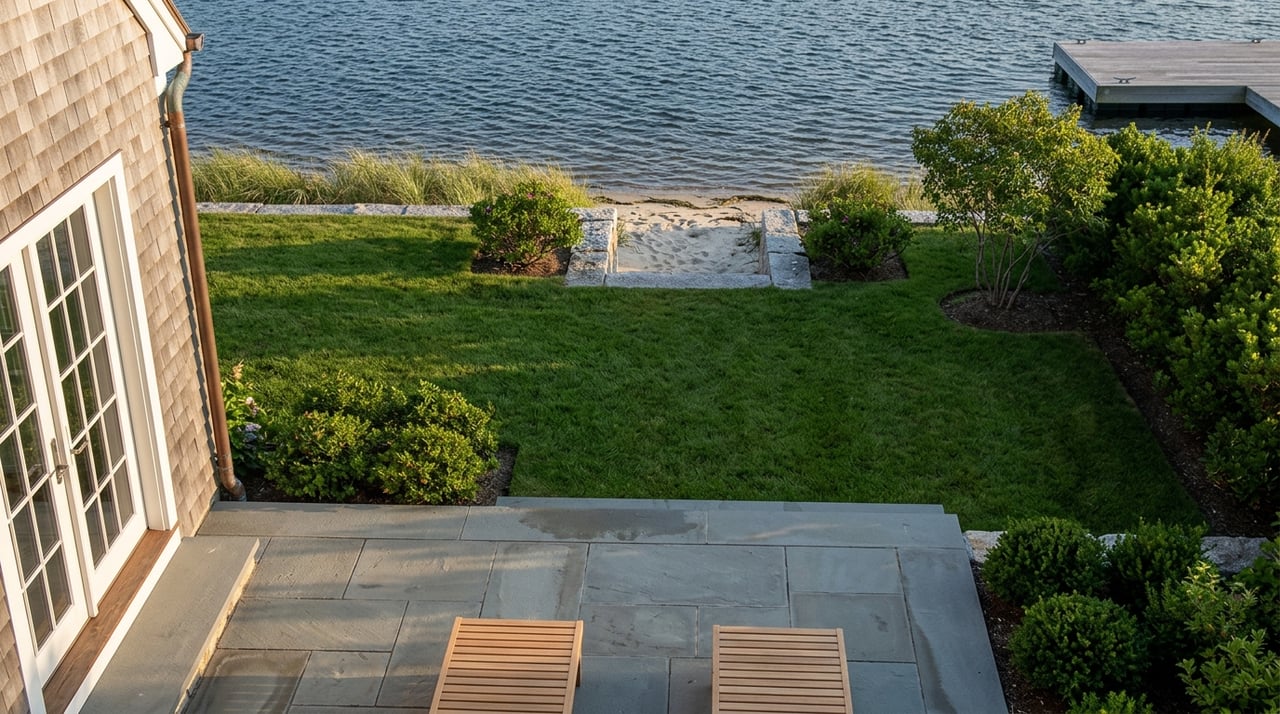
A reasonable buyer's next thought is to skip the town system entirely and put in a private dock. That path exists, but it is far narrower than it looks from a listing photo.
Any structure extending into tidal water, a pier, float, or dock, falls under Chapter 91 of Massachusetts General Law, the state's Public Waterfront Act. Before a private dock can go in the water, the project needs a license from the Department of Environmental Protection's Waterways Regulation Program. That process runs on its own timeline, independent of your closing date.
Harwich layers its own restriction on top of the state process. The town's water-dependent structures bylaw bars new private docks outright in specific zones, including Round Cove on Pleasant Bay. The Pleasant Bay Resource Management Plan, developed jointly by Chatham, Harwich and Orleans and approved by both town meetings and the Commonwealth, found that a meaningful portion of the bay's shoreline is too resource-sensitive to support new dock construction at all. If your prospective home sits in one of those zones, no amount of patience or paperwork gets you a private dock. The mooring waitlist is not a fallback option in that scenario. It is the only option.
What This Actually Costs
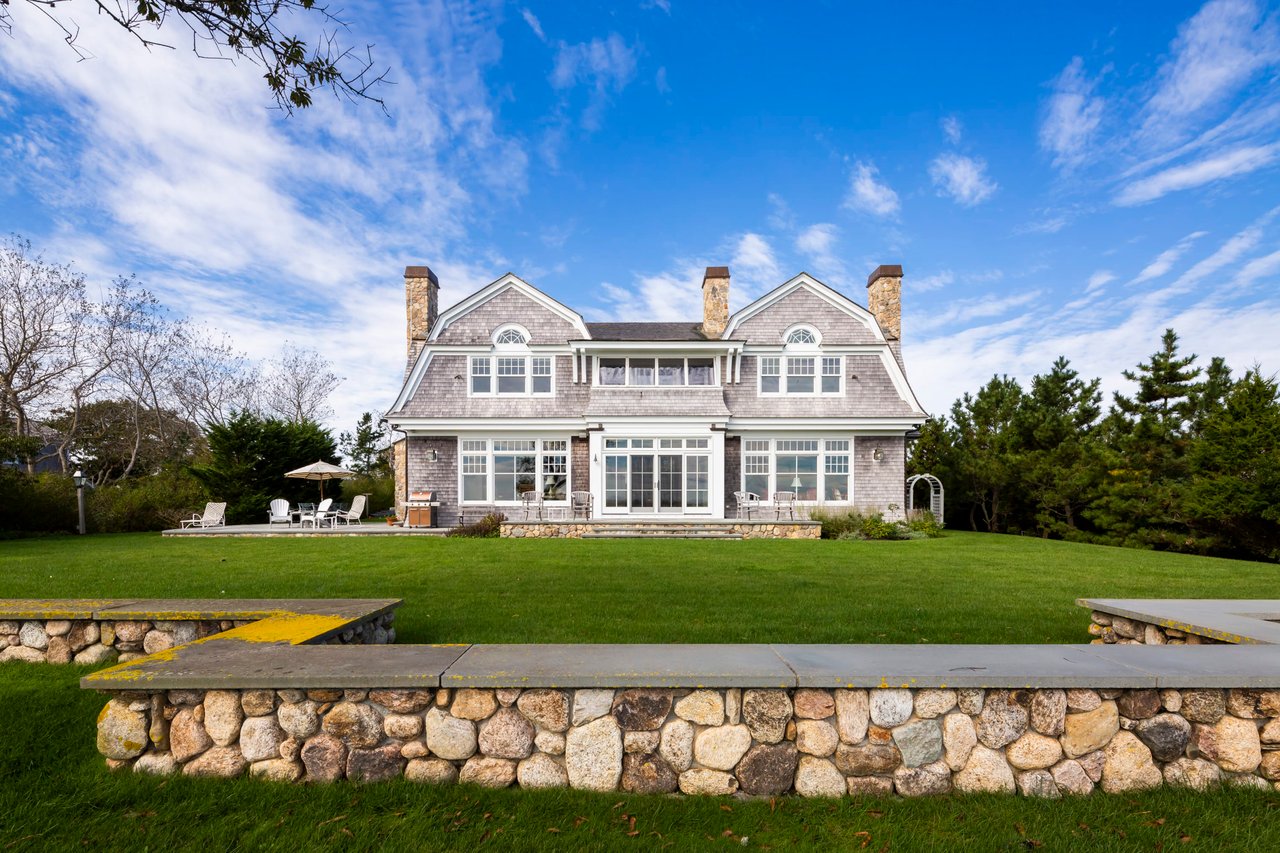
This is where the mooring rules stop being a curiosity and start showing up in a purchase decision. A recent read on Harwich's submarkets put waterfront and near-waterfront property in Harwich Port at $1.5 million and up, while pond-front homes were running $900,000 to $1.3 million, a meaningful discount tied directly to the fact that pond-front properties typically come bundled with mooring waitlists, seasonal traffic, and shared access arrangements rather than a guarantee of open water.
Set that against the town's broader numbers. Over the six months ending in May 2026, roughly 90 single-family homes changed hands across Harwich, with a townwide median price near $760,000 and homes typically finding a buyer within about a month. Those figures describe a healthy, liquid market. They say nothing about whether the home you're buying comes with a legal way to keep a boat on the water in front of it.
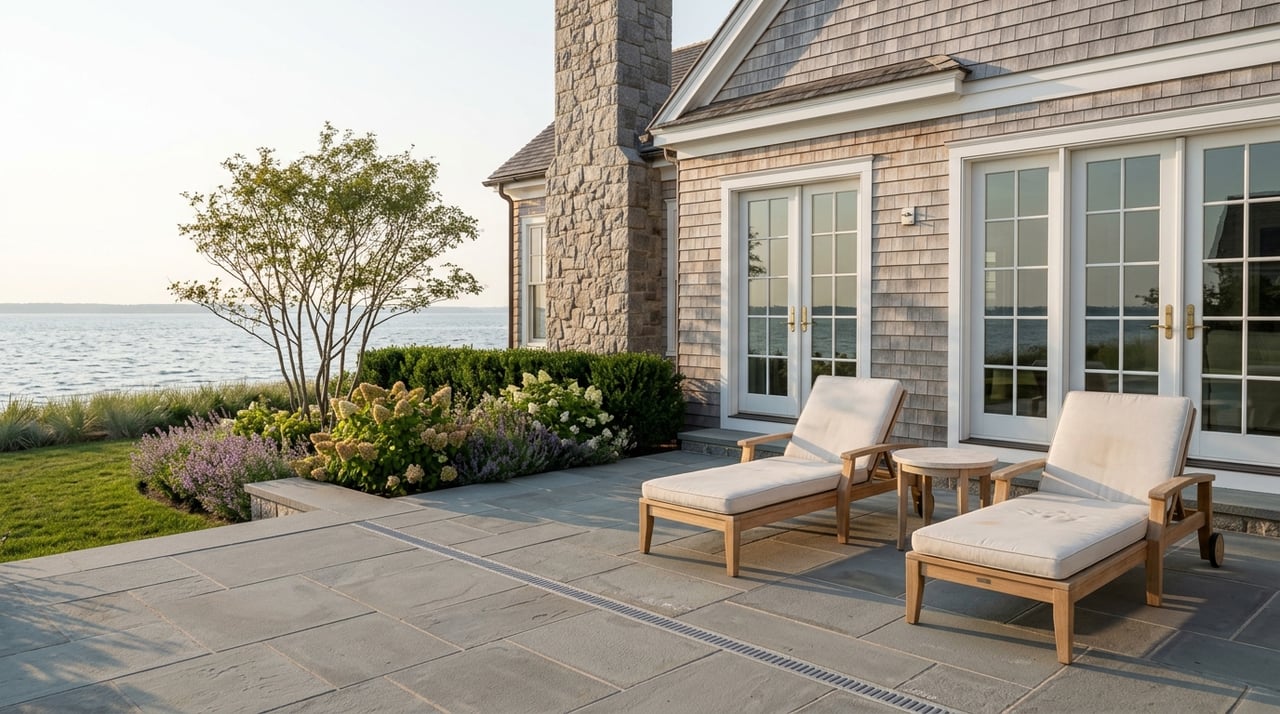
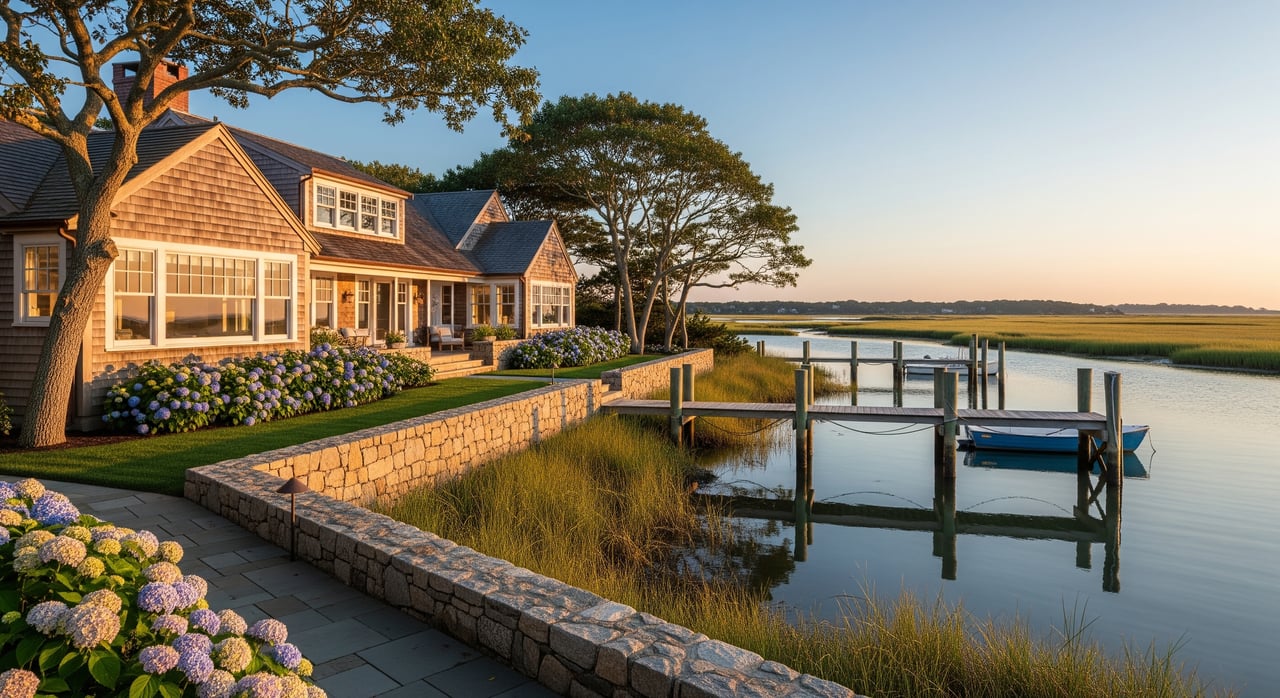
That is the part worth sitting with before an offer goes in. The premium a buyer pays for Sound-front property over pond-front property is not just paying for the view or the lot. It is paying, at least in part, for a shorter or nonexistent wait between owning the home and using the water the way the listing photos suggest you will.
What To Ask Before You Write The Offer
- Does the listing agreement or seller disclosure specify whether an existing mooring permit is being represented as transferable, or is it silent on the point.
- Which mooring field—Allen Harbor, Wychmere inner, Wychmere outer, Pleasant Bay, Round Cove, or Herring River—serves this specific property, and what is the current posture of that particular list.
- Is the parcel located in a zone where new private docks are barred outright, such as Round Cove or other resource-sensitive sections of Pleasant Bay.
- If a mooring or dock arrangement is part of an estate or succession plan, confirm directly with the harbormaster's office whether the surviving-spouse exception applies to your situation, rather than assuming continuity.
FAQs
If I buy a waterfront home in Harwich, do I inherit the seller's mooring?
No. Mooring permits are non-transferable except to a surviving spouse. Wychmere Inner Harbor's list is frozen.
What about just building a dock?
Possible in some locations, but not in resource-sensitive zones like Round Cove, and even where permitted it requires state licensing under Chapter 91, a process that runs on its own timeline separate from your closing.
The mooring rules are a small piece of paperwork with an outsized effect on what a Harwich waterfront purchase actually delivers. Reading them before you write an offer, not after you've closed, is the difference between owning a view and owning access to the water in front of it.
Paul Grover has spent years helping families think through exactly this kind of detail before it becomes a surprise, particularly when a purchase is meant to serve more than one generation. If you're evaluating a Harwich waterfront property and want a clear-eyed read on what actually transfers with the deed, start a confidential conversation before you write the offer.
This article is general information, not legal, tax or financial advice. Consult a qualified professional about your situation.