Are Mashpee’s resort communities simply lifestyle purchases, or can they hold up as long-term assets? If you are weighing a home in New Seabury, Popponesset, or another amenity-driven enclave, that question matters more than ever. The good news is that Mashpee offers a mix of coastal appeal, seasonal demand, and year-round relevance, but the details behind ownership matter. Let’s take a closer look at what supports long-term value and where careful due diligence becomes essential.
Why Mashpee draws long-term interest
Mashpee’s own planning documents show a market shaped by both seasonal living and increasing year-round occupancy. Summer population growth and second-home spending still play an important role in the local economy, while the town also continues to evolve beyond a purely seasonal pattern. That combination can support long-term ownership for buyers who want both personal use and future flexibility.
The town also reported 390 registered short-term rentals in 2023. That does not mean every resort property should be viewed as a rental asset, but it does suggest a real market for occasional income when a home is properly positioned and compliant. For long-term buyers, that added optionality can be part of the appeal.
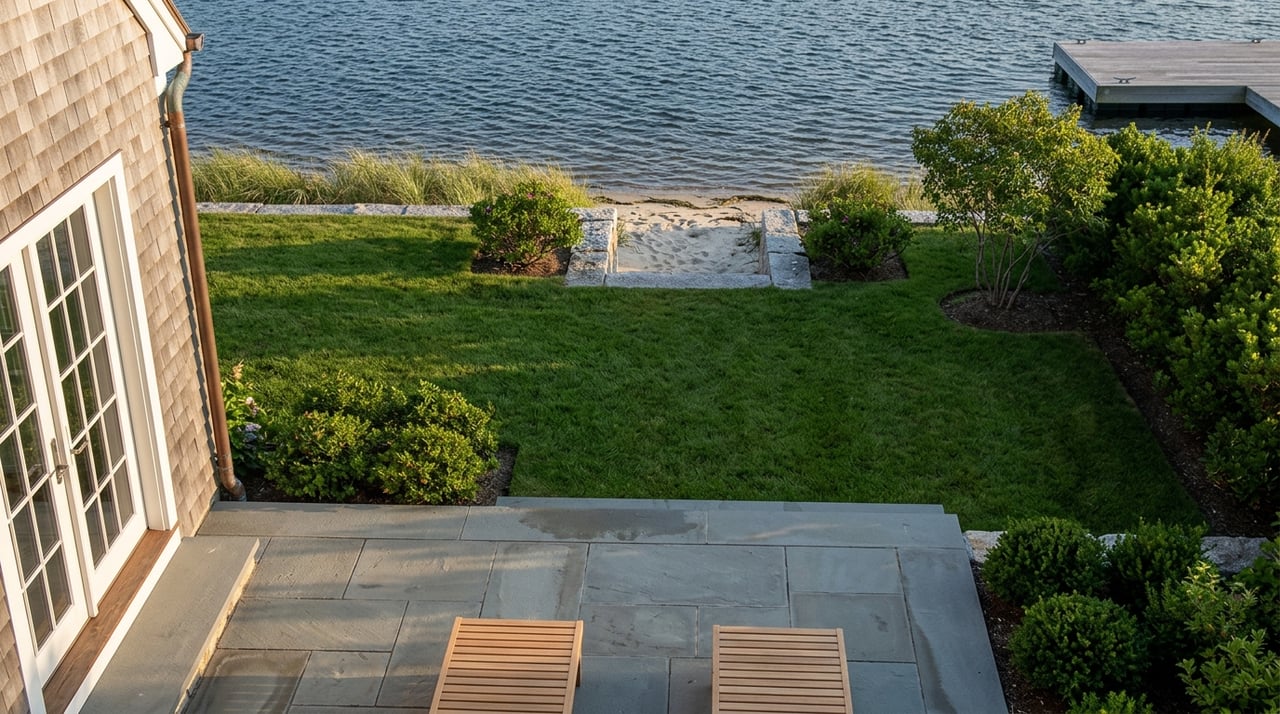
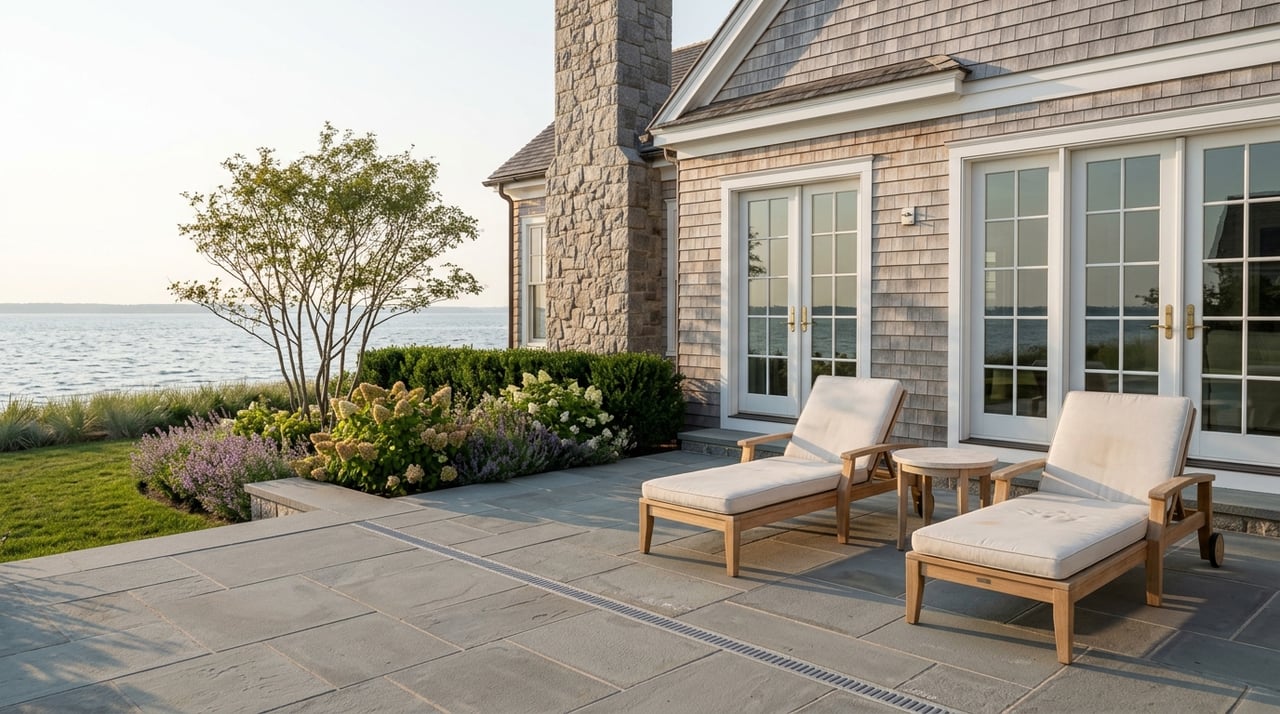
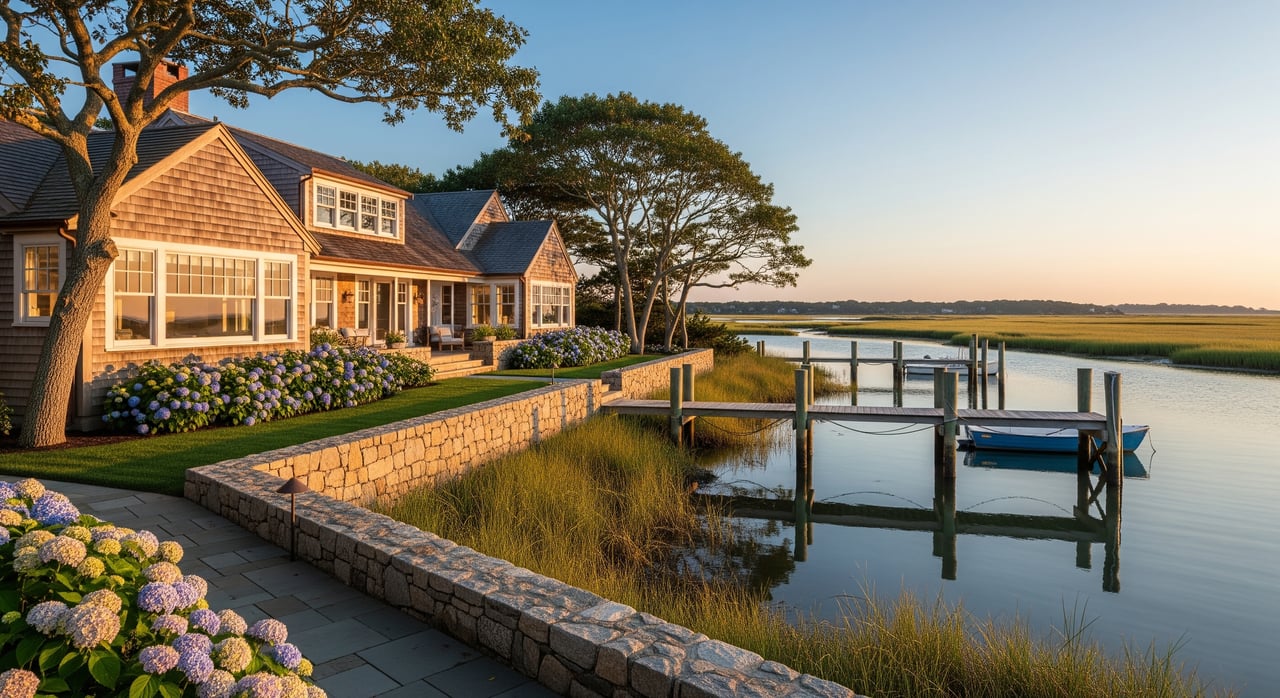
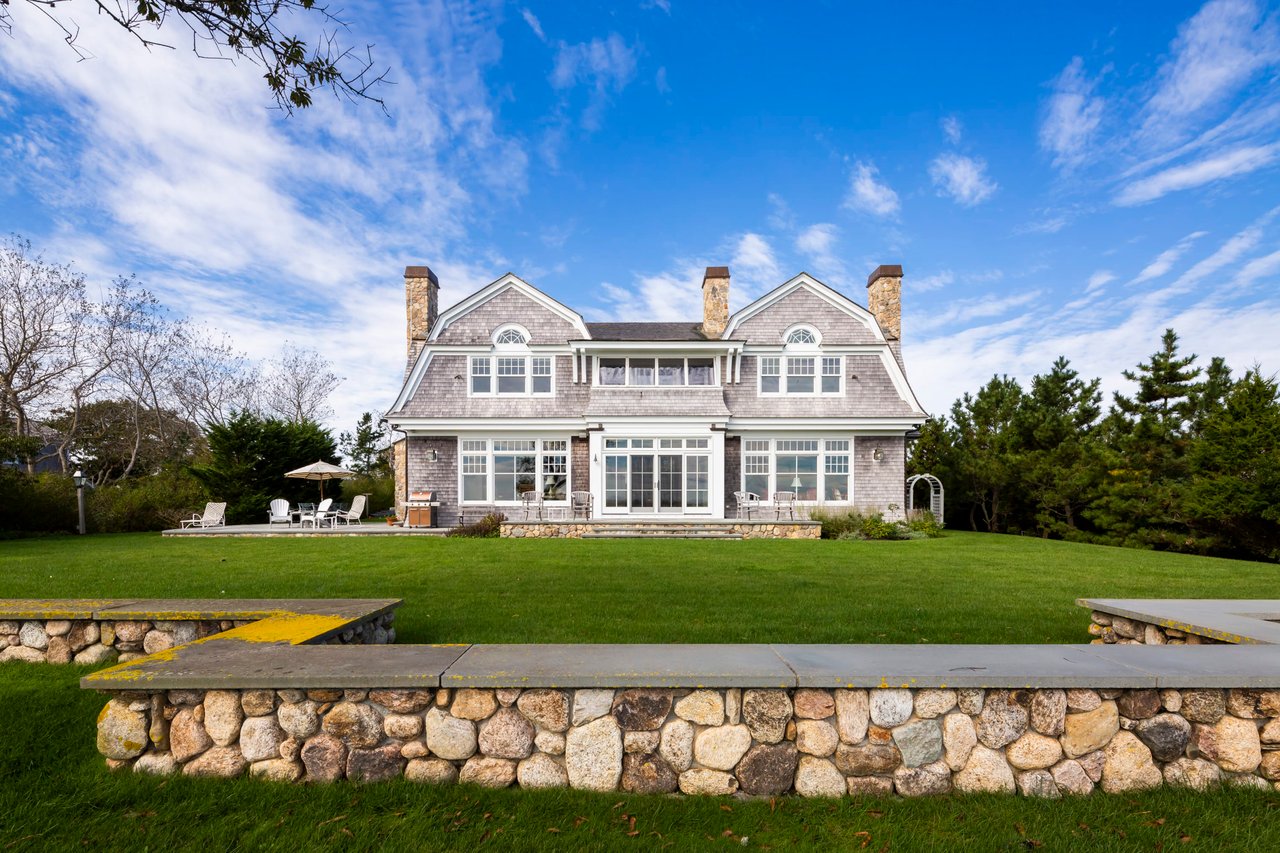
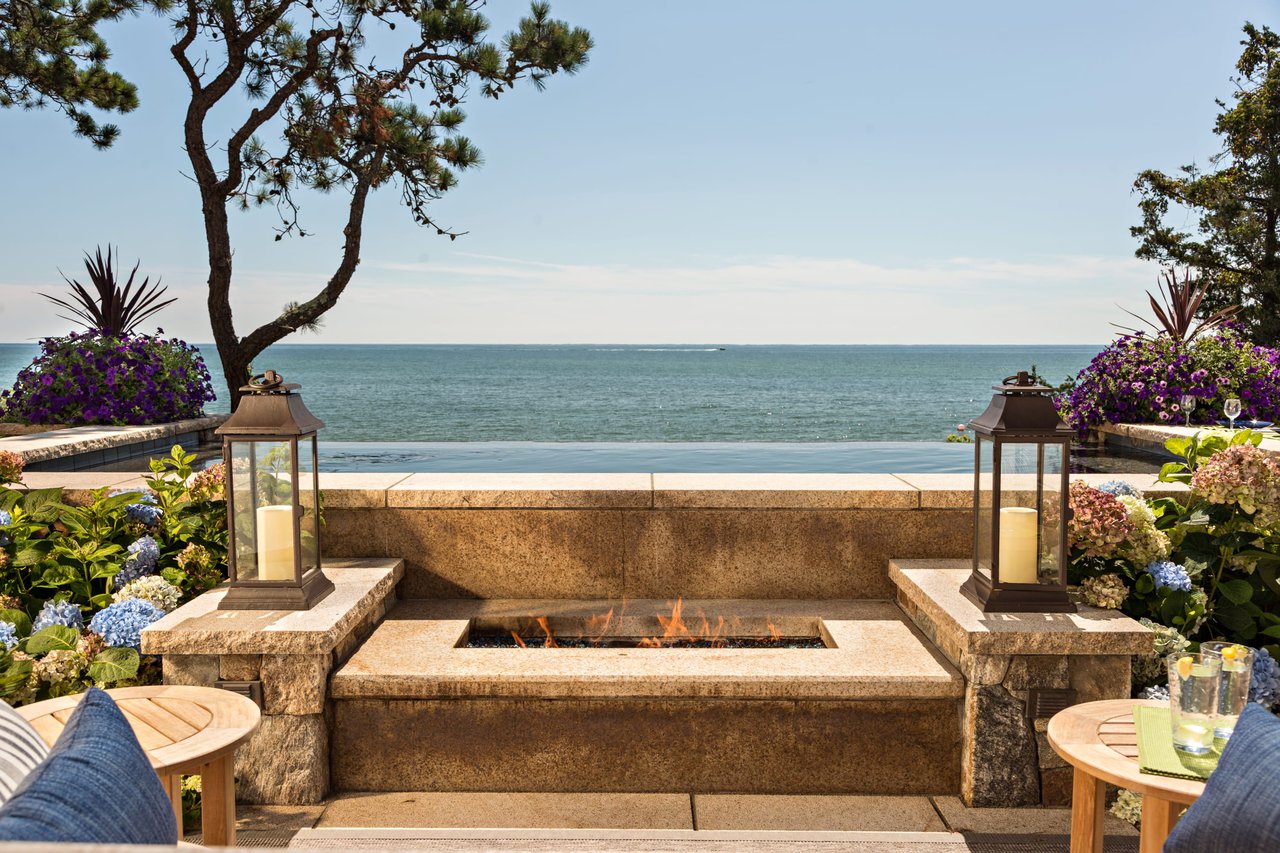
Mashpee’s coastal setting also strengthens the broader asset story. South Cape Beach State Park, private beach areas, golf, boating access, and significant open-space and waterfront resources continue to support buyer demand. Over time, those enduring location factors often matter as much as the home itself.
Resort value is more than the house
In Mashpee, resort-oriented ownership is rarely just about square footage or finishes. Much of the value comes from the surrounding amenity ecosystem, access rights, governance, and the overall ownership experience. When you evaluate one of these properties as a long-term hold, you are also evaluating the durability of the community around it.
That is especially true in neighborhoods built around private amenities or association structure. A well-kept amenity package can support resale appeal and owner satisfaction. At the same time, fees, rules, and restrictions can shape the property’s true cost and flexibility.
New Seabury as an amenity-driven asset
What supports long-term appeal
New Seabury stands out for its club-centered environment. The community is anchored by private golf amenities, clubhouse dining, beach clubs and beach bars, a fitness facility, tennis courts, pools, and walking trails. The area also includes a private marina with fuel, docking, boating supplies, and seasonal or transient slips.
For many buyers, that concentration of amenities can help support long-term demand. A property in a community with golf, beach access, and marina infrastructure may remain attractive to future second-home buyers who want a turnkey coastal lifestyle. In that sense, the community offering can strengthen the home’s market position over time.
What to underwrite carefully
The flip side is that amenity-rich communities require more than a casual review. Ongoing dues, club rules, membership structure, and the quality of the amenity experience all affect ownership. In New Seabury, the strength of the asset may depend not only on the house, but also on how well the broader community continues to perform.
If you are buying with a long horizon, this is where thoughtful underwriting matters. You want to understand which benefits transfer with the property, what costs are recurring, and whether the lifestyle package truly matches your intended use. A home can be visually compelling, but the ownership structure is what often defines long-term value.
Popponesset as a governance-driven asset
Why exclusivity can support value
Popponesset offers a different ownership profile. The Popponesset Beach Association describes the neighborhood as a private community on Nantucket Sound with both year-round residents and vacation homeowners. Its rules note that beaches are private for homeowners and guests, access is walking-only, and parking and beach use are tightly controlled.
That kind of structure can be attractive to long-term owners who value order, predictability, and controlled access. In practical terms, private beach rules and association oversight may help preserve the experience that draws buyers to the neighborhood in the first place. For some owners, that consistency is part of the asset case.
Why rules matter as much as location
In Popponesset, governance is central to the ownership decision. You are not only buying a house near the water. You are also buying into an association framework that affects access, use, and day-to-day enjoyment.
That means a careful buyer should review rules and rights with the same attention given to the structure itself. Beach access, parking permissions, guest privileges, and association voting rights can all shape long-term satisfaction and resale positioning. In communities like this, the fine print matters.
Rental income can help, but it is regulated
Some Mashpee resort properties may offer occasional rental upside, but this is not a market for informal assumptions. The town requires short-term rentals to have an annual inspection by the local building official, with an initial inspection for new operators. A rental certificate is required, along with Massachusetts Department of Revenue registration for each property.
Mashpee also applies a local occupancy standard of two people per bedroom. At the state level, Massachusetts requires operator registration and a certificate of registration for each short-term rental property. The state room occupancy excise applies to rentals of 31 days or less.
For long-term investors or second-home owners who plan to rent selectively, compliance should be part of the underwriting from the start. Rental potential is only meaningful if the intended use, local certificate, state registration, occupancy rules, and insurance all align. In this setting, operational discipline matters.
Insurance and carrying costs shape returns
Massachusetts requires specific insurance coverage for homes offered as short-term rentals. That makes insurance review an important step for any buyer who expects rental use to be part of the plan. Beyond the premium itself, you may need to account for liability coverage and any platform-related requirements.
Carrying costs also deserve close attention. Mashpee’s FY2026 residential total tax rate is $6.66 per $1,000 of assessed value, and the town bills real estate taxes quarterly. The town also states that the owner of record on January 1 is responsible for the full fiscal-year bill, even if the property is later sold.
That timing point is easy to overlook, but it matters. If you are buying or selling in Mashpee, the transaction calendar can affect the real cost of ownership in the first year. For long-term planning, these operating realities are just as important as headline purchase price.
Coastal risk belongs in the analysis
A resort home in Mashpee should be evaluated with coastal exposure in mind. The town directs owners to FEMA flood layers and advises contacting the Building Department for construction in a special flood hazard area. Flood-zone guidance includes certified plans, elevation certificates, placement of first floors and utilities above base flood elevation, and FEMA-compliant design standards.
Those requirements are not just technical issues for builders. They can affect renovation costs, insurance, future resiliency, and the practical ease of owning the property over time. If a home sits in or near a flood-sensitive area, that should be part of your asset analysis from day one.
Water management is also part of the local ownership picture. Mashpee’s clean-water plan notes that the town sits almost entirely within watersheds tied to the nitrogen-sensitive Popponesset Bay and Waquoit Bay embayments. Septic systems, wastewater, runoff, and fertilizer are identified as major nutrient sources, which means buyers should take septic condition and wastewater considerations seriously.
For boating-oriented owners, channel conditions also matter. The town continues to manage the Popponesset Approach Channel through dredging, and the latest update notes a controlled depth of 5 feet at mean low water, with shoaling that can create shallower spots. If marina or boating access is part of your ownership plan, that detail should be reviewed in practical terms.
Questions to ask before you buy
A long-term asset decision in Mashpee usually comes down to practical facts, not broad assumptions. Before moving forward, focus on what actually transfers, what it costs to hold, and what restrictions may apply.
Here are some of the most useful questions to ask:
- What rights transfer with the property, including beach access, club membership, marina use, parking privileges, or association voting rights?
- What dues, fees, or special assessments are in place today?
- Is the home in a special flood hazard area, and is there an elevation certificate?
- Are there any known rental restrictions, inspection issues, or insurance gaps?
- If you plan to rent, do the town certificate, state registration, occupancy rules, and insurance coverage all support that use?
- What is the condition of the septic or wastewater system, and are there any known water-management concerns?
These questions may sound basic, but they often carry more weight than general market optimism. In resort communities, long-term value is shaped by specifics.
A measured way to think about value
Mashpee’s resort communities can work well as long-term assets when the ownership profile matches your goals. The town’s mix of seasonal demand, lifestyle amenities, and coastal appeal gives certain properties lasting relevance. Still, the strongest decisions tend to come from careful review of governance, compliance, carrying costs, flood exposure, and transfer rights.
If you are approaching Mashpee as a steward rather than a short-term speculator, that perspective can serve you well. In communities like New Seabury and Popponesset, value often lives at the intersection of place, access, and disciplined ownership. A clear-eyed review today can help protect enjoyment and flexibility for years to come.
If you are considering a Mashpee resort property and want a discreet, informed perspective on long-term ownership, Paul Grover can help you evaluate the opportunity with care.
FAQs
What makes Mashpee resort communities attractive as long-term assets?
- Mashpee benefits from strong seasonal demand, growing year-round occupancy, and lasting coastal amenities such as beaches, golf, boating access, and open space, all of which can support long-term buyer interest.
What should you review before buying in New Seabury?
- You should review which amenities and rights transfer with the property, along with club structure, recurring dues, rules, marina access, and the long-term quality of the amenity package.
What should you review before buying in Popponesset?
- You should closely review association rules, beach access rights, parking policies, guest use rules, and any governance terms that affect ownership and resale appeal.
What are Mashpee short-term rental requirements for resort properties?
- Short-term rentals require a town rental certificate, inspection, Department of Revenue registration for each property, compliance with local occupancy standards, and applicable state registration and taxes.
Why do flood and water issues matter for Mashpee resort homes?
- Flood-zone status, elevation requirements, septic condition, wastewater considerations, and boating access limits can all affect insurance, maintenance costs, renovation plans, and long-term ownership risk.
How do Mashpee property taxes affect long-term carrying costs?
- Mashpee’s FY2026 residential tax rate is $6.66 per $1,000 of assessed value, taxes are billed quarterly, and the owner of record on January 1 is responsible for the full fiscal-year bill.