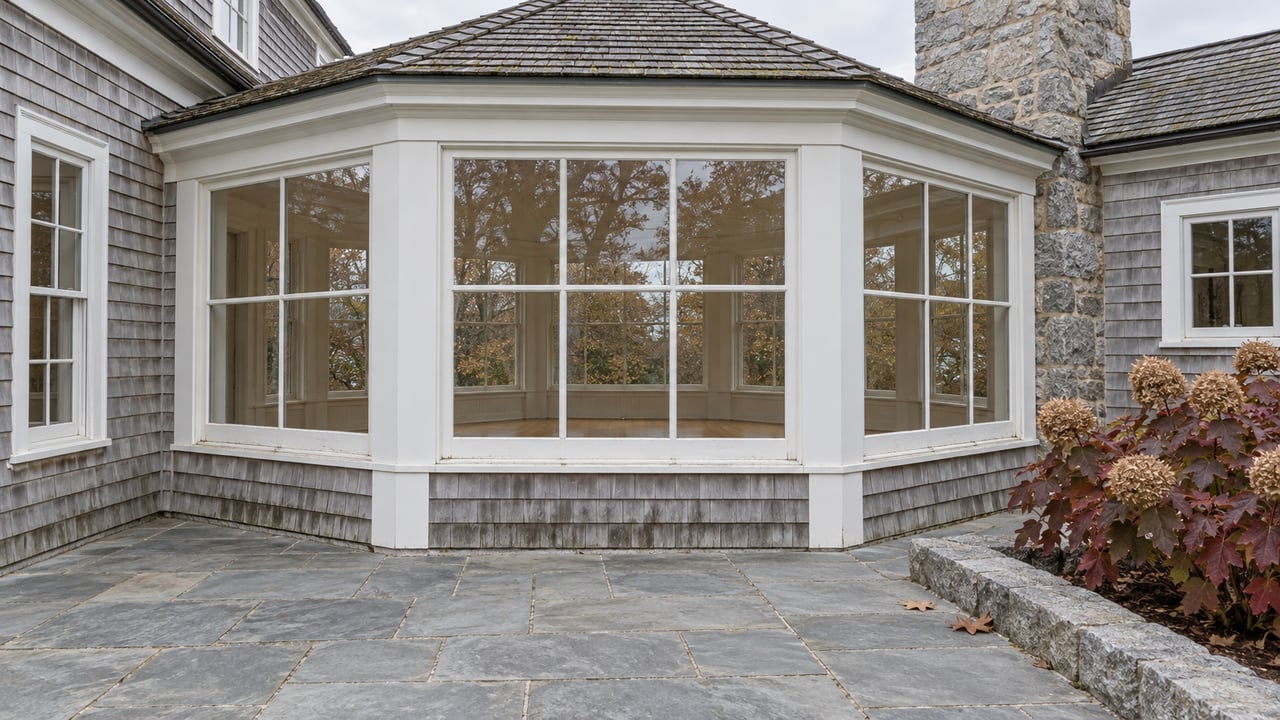
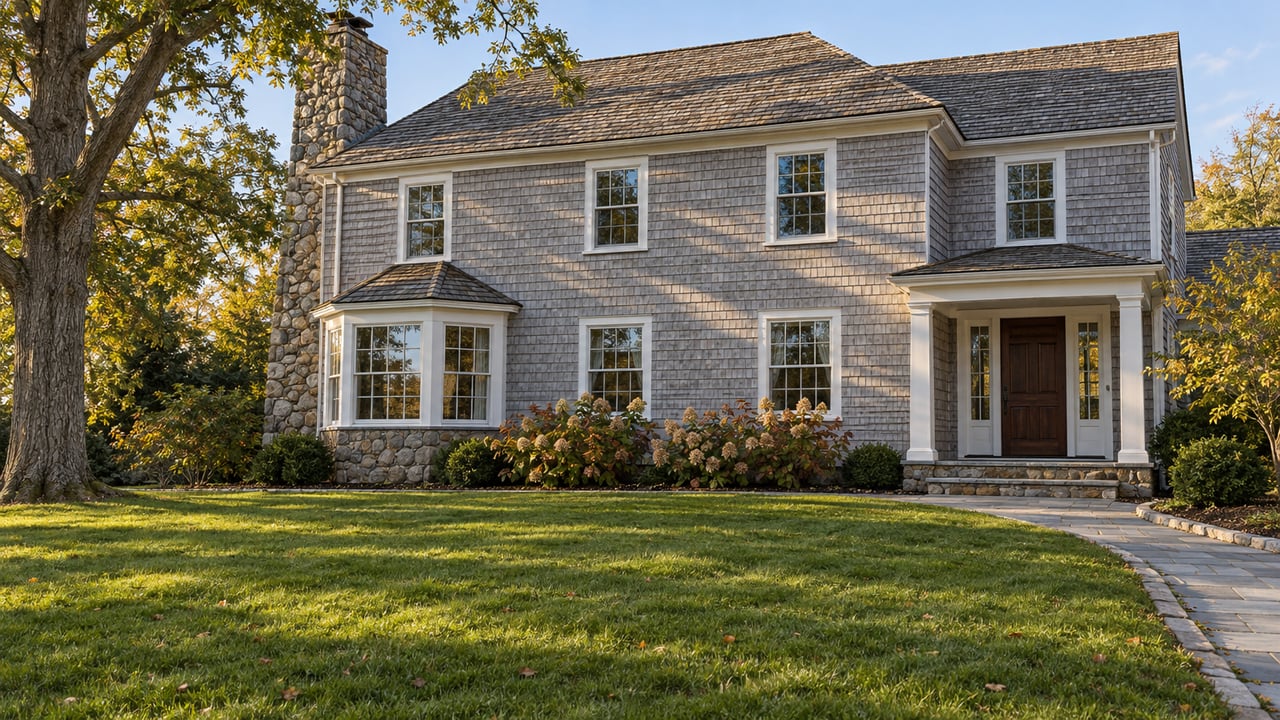
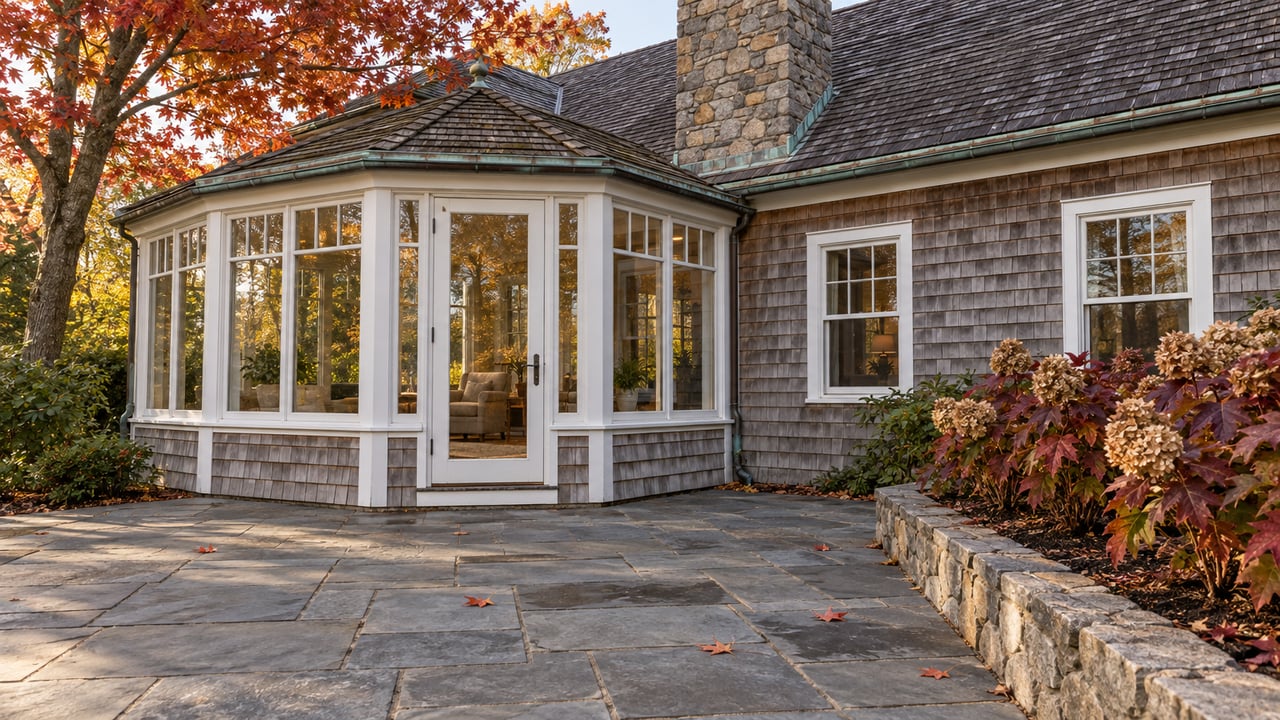
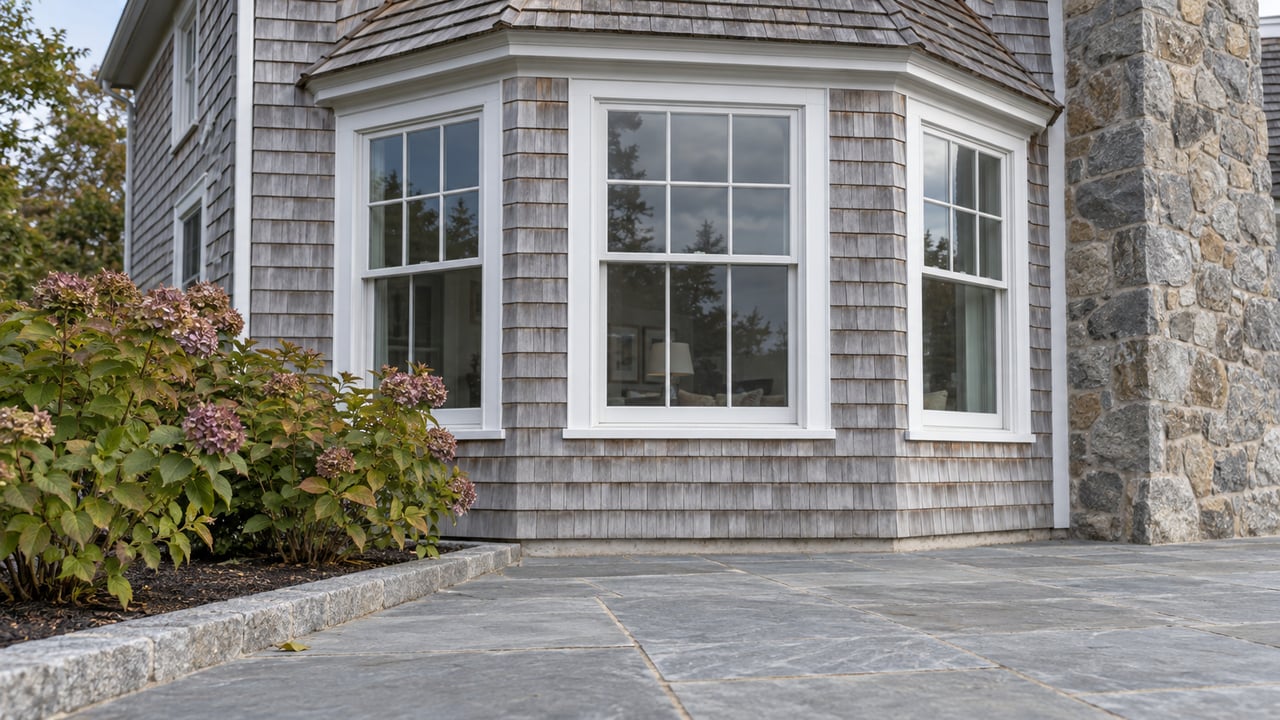
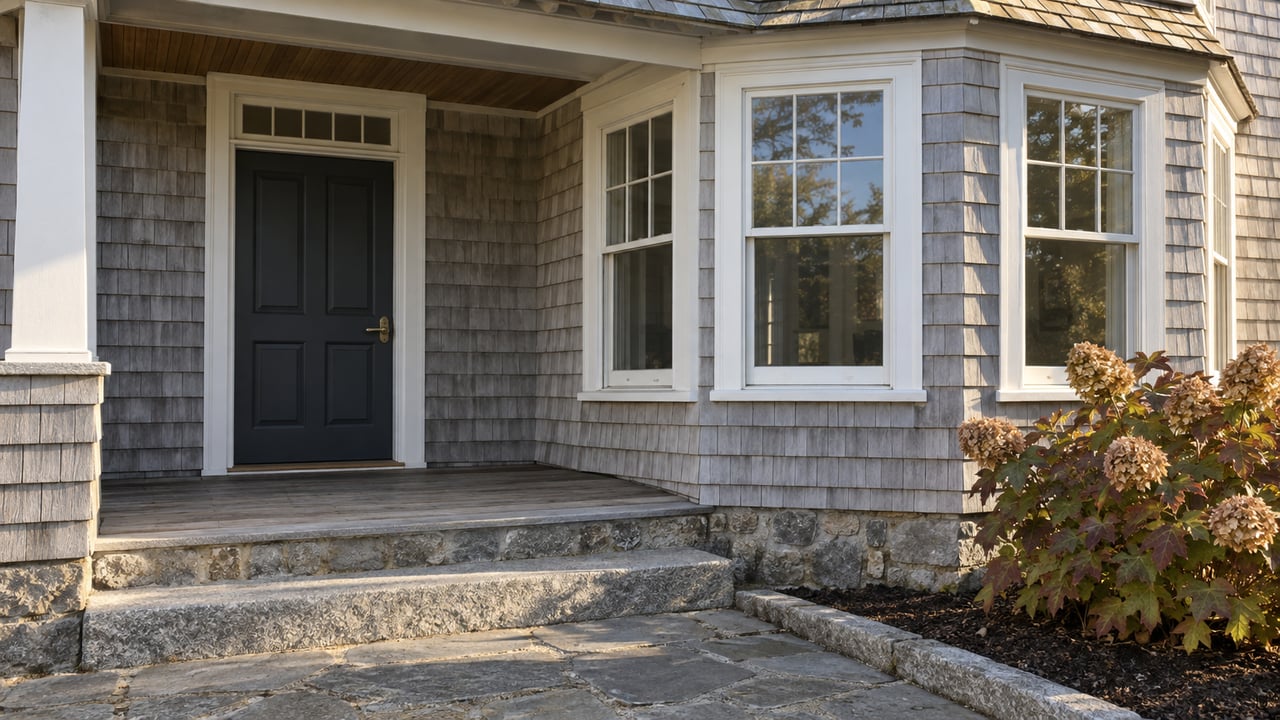
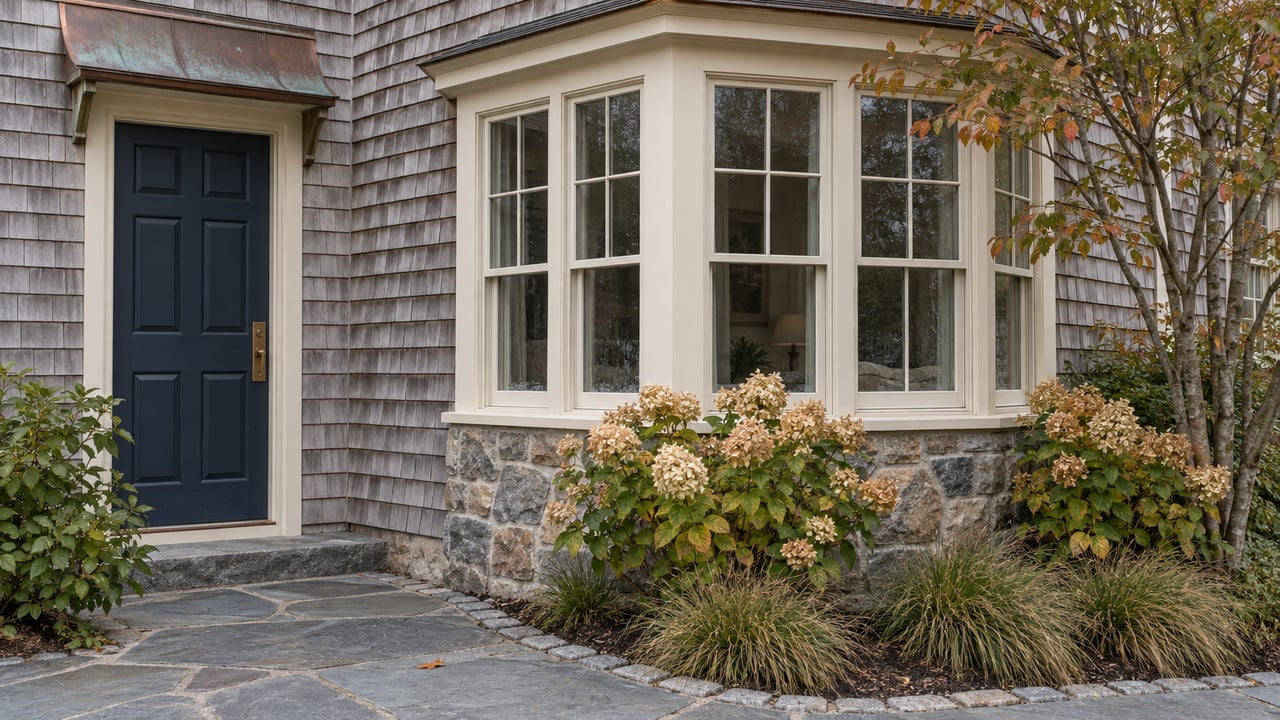
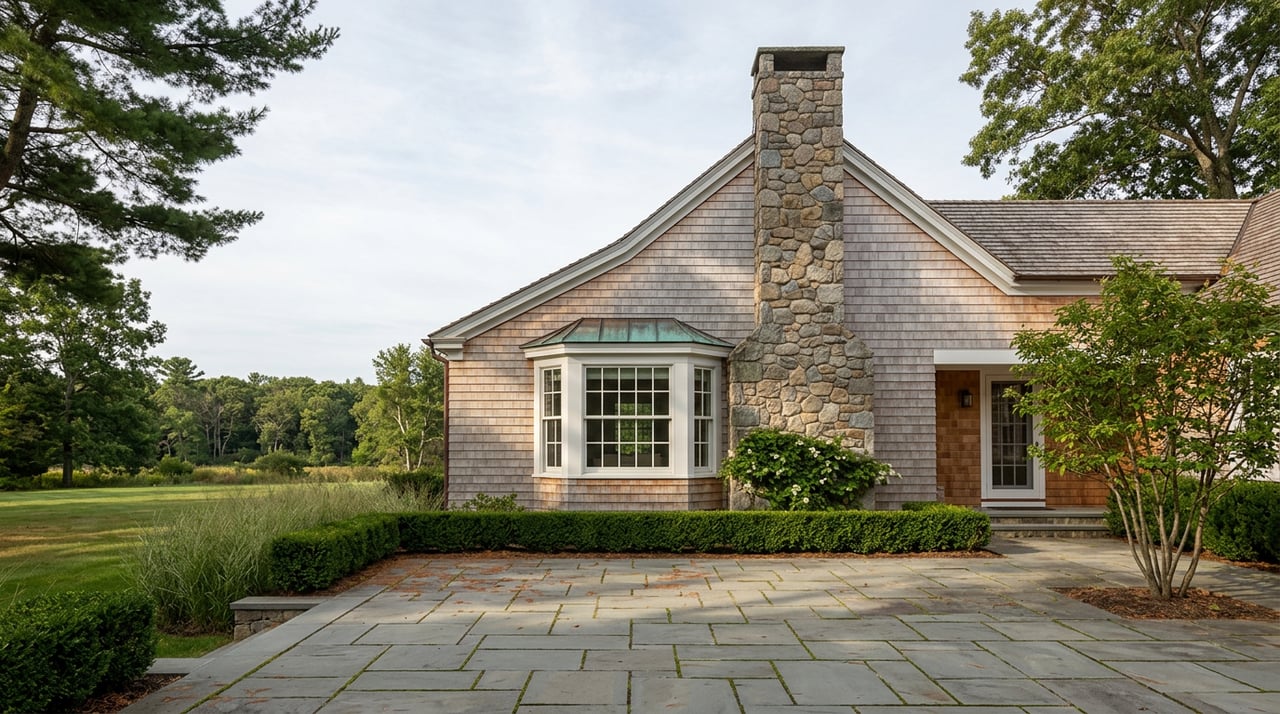
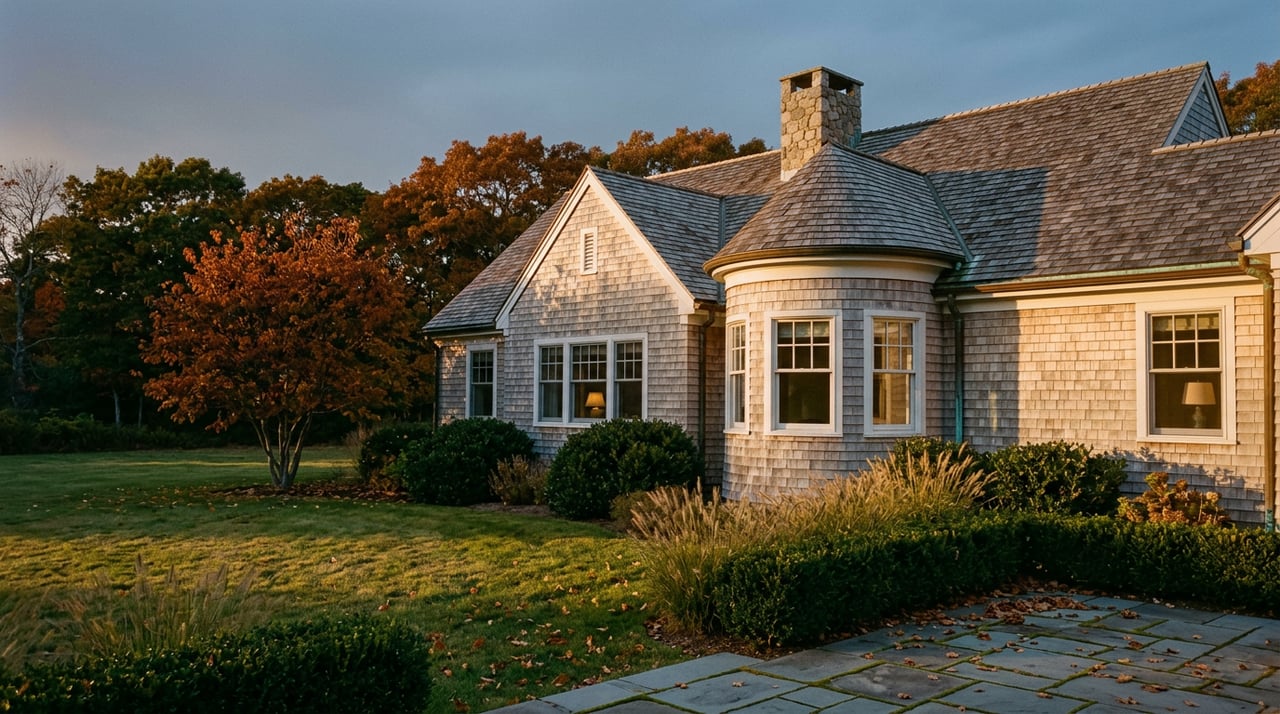
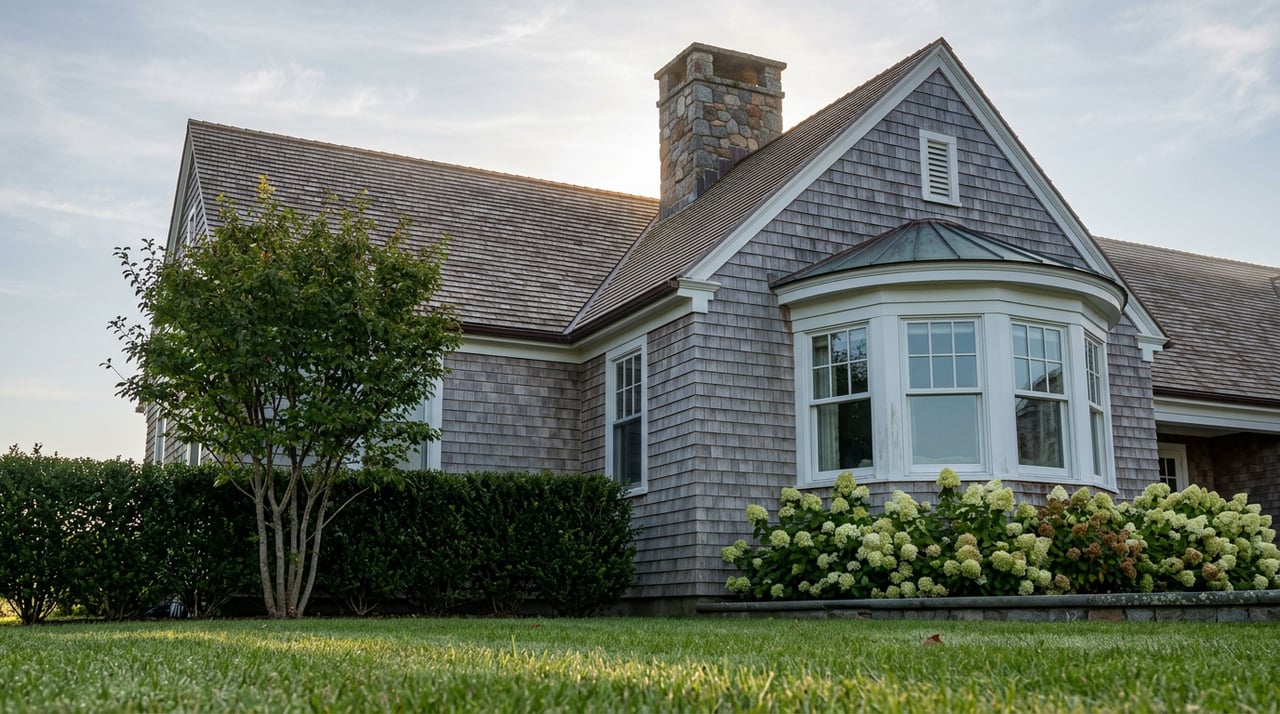
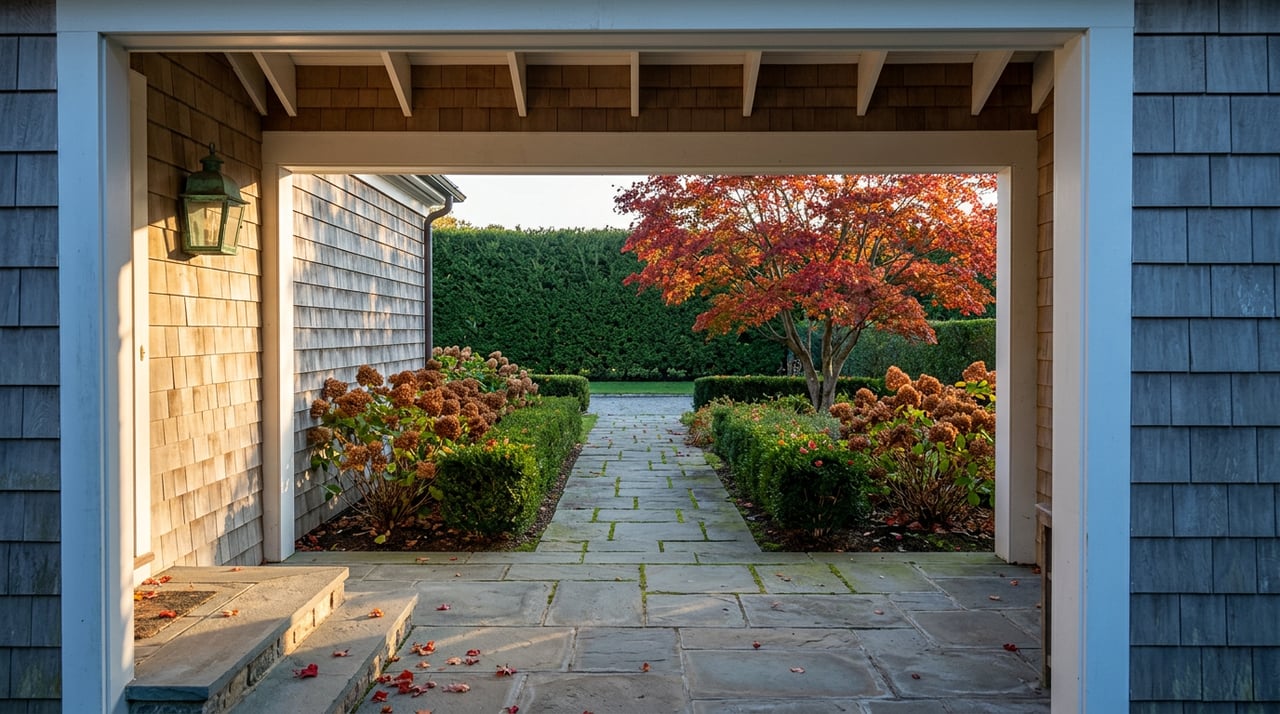
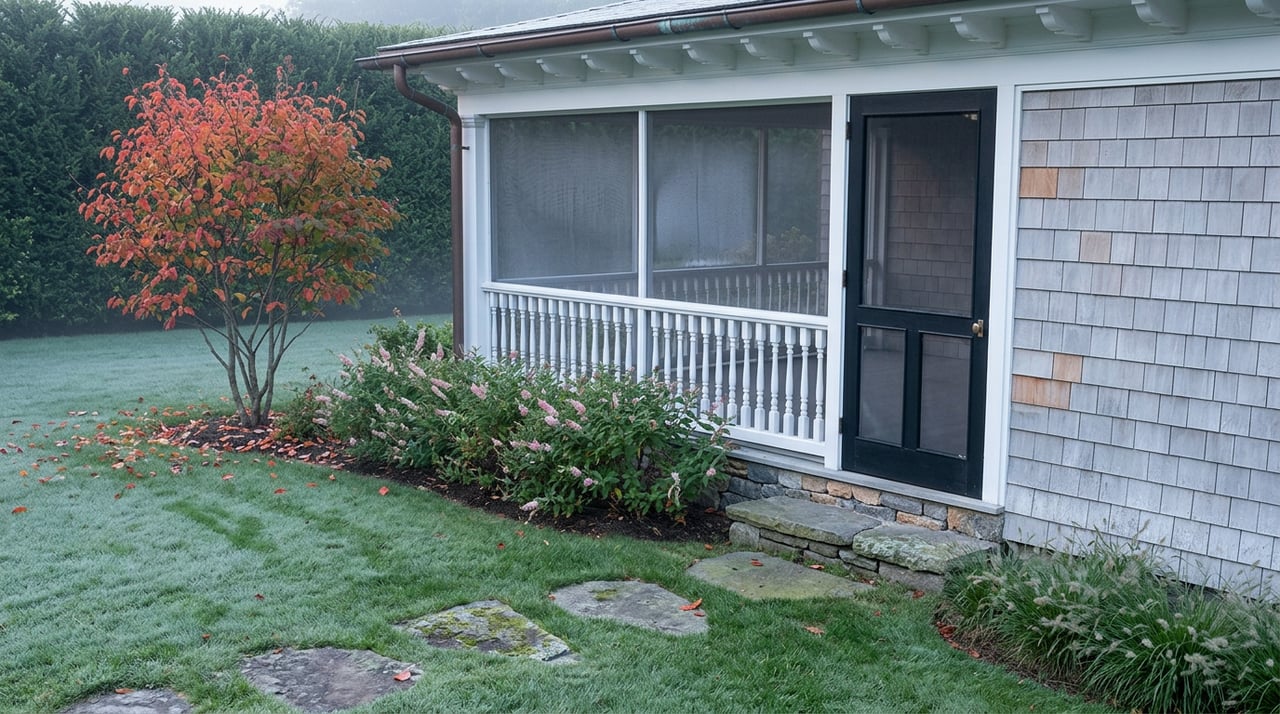
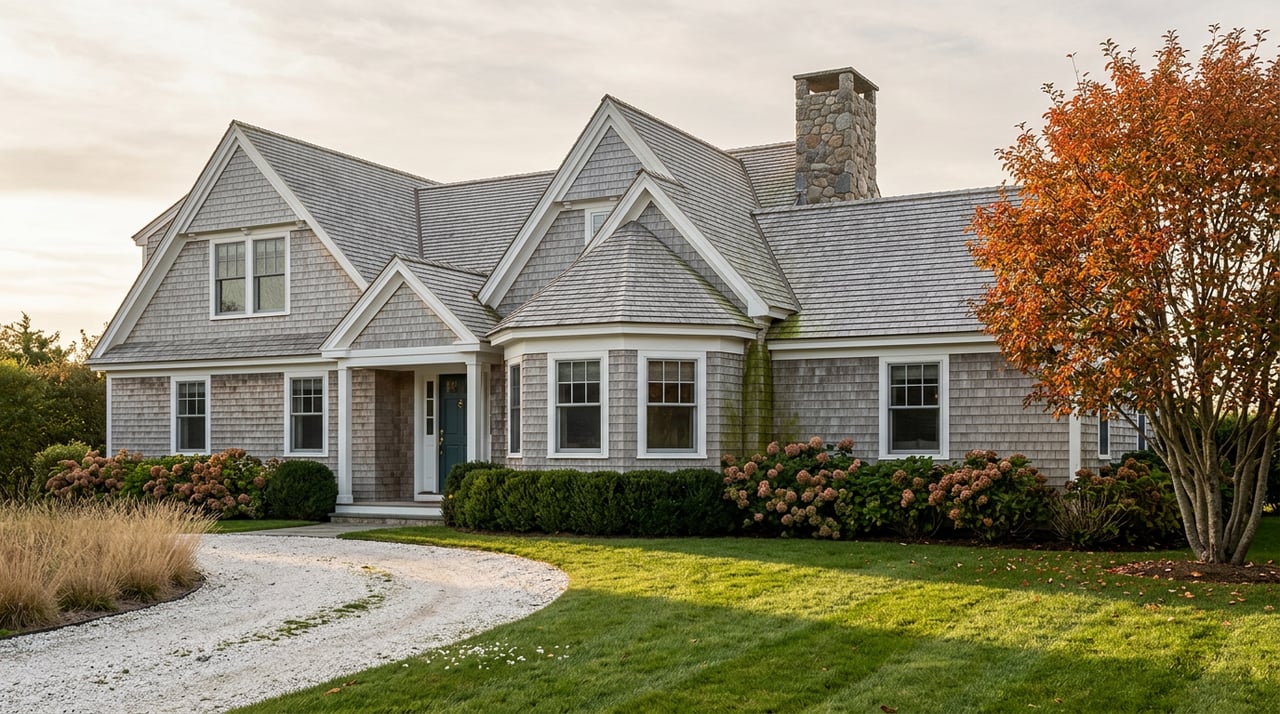
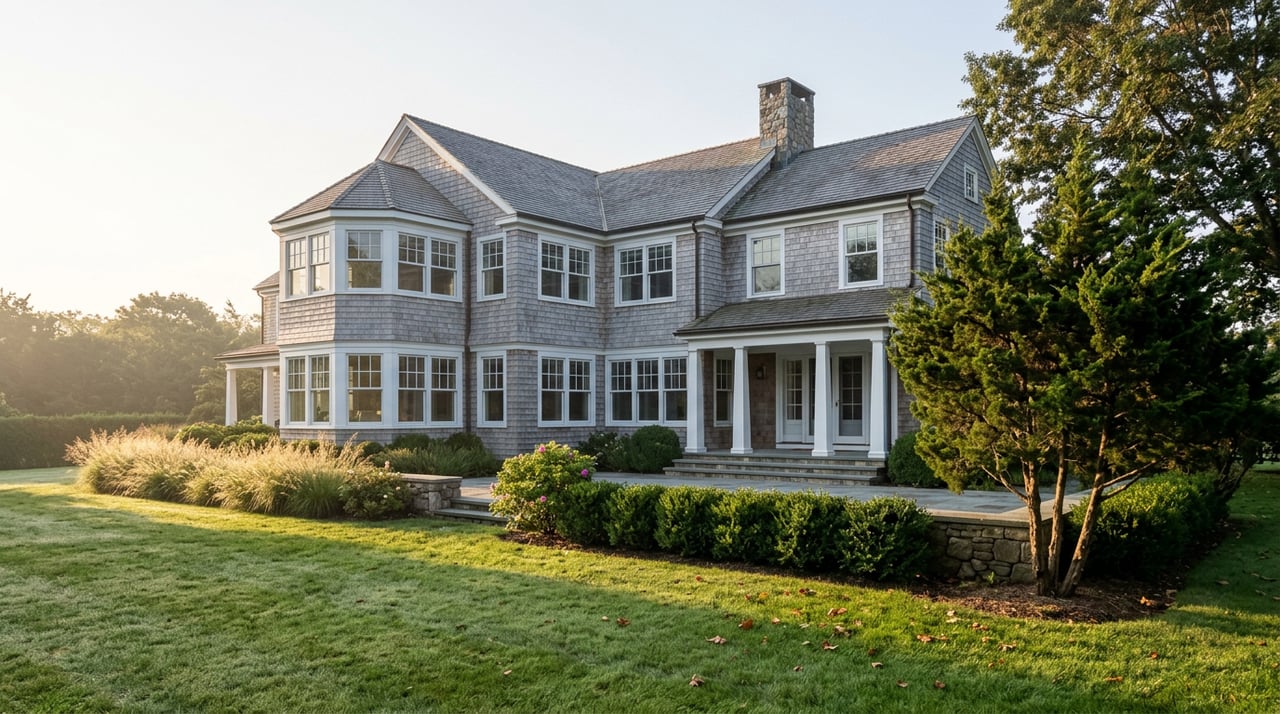
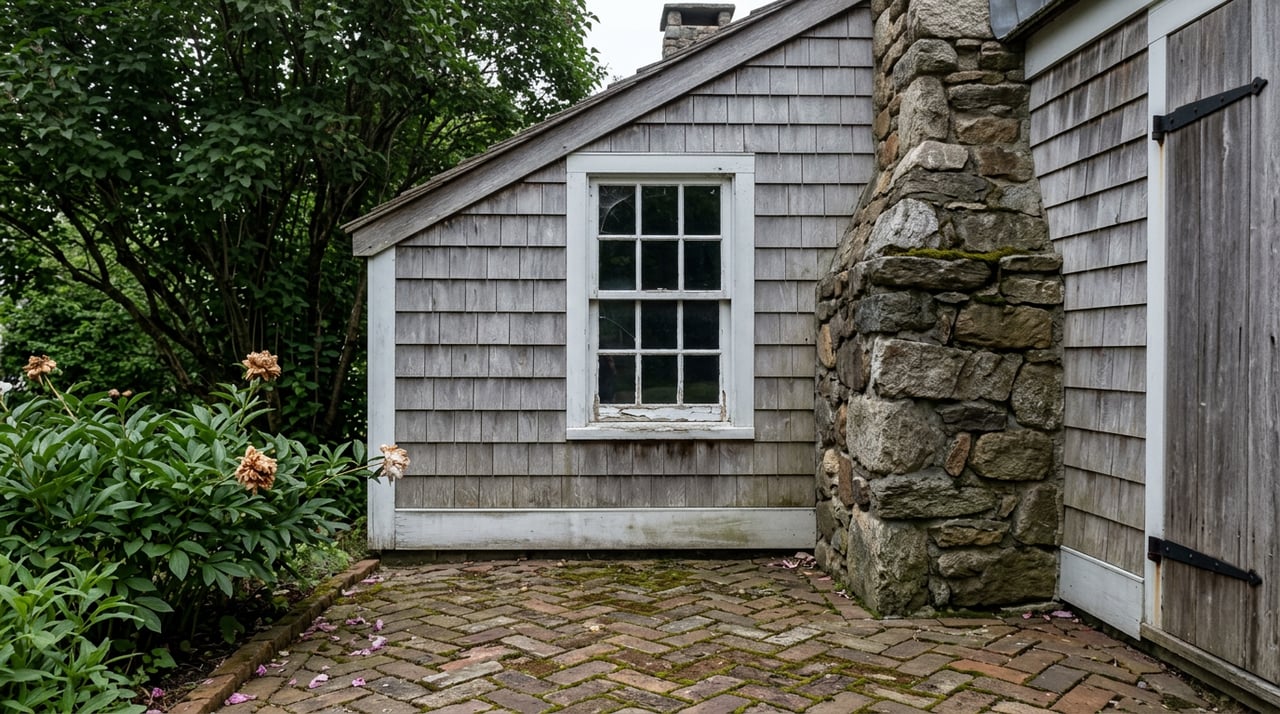
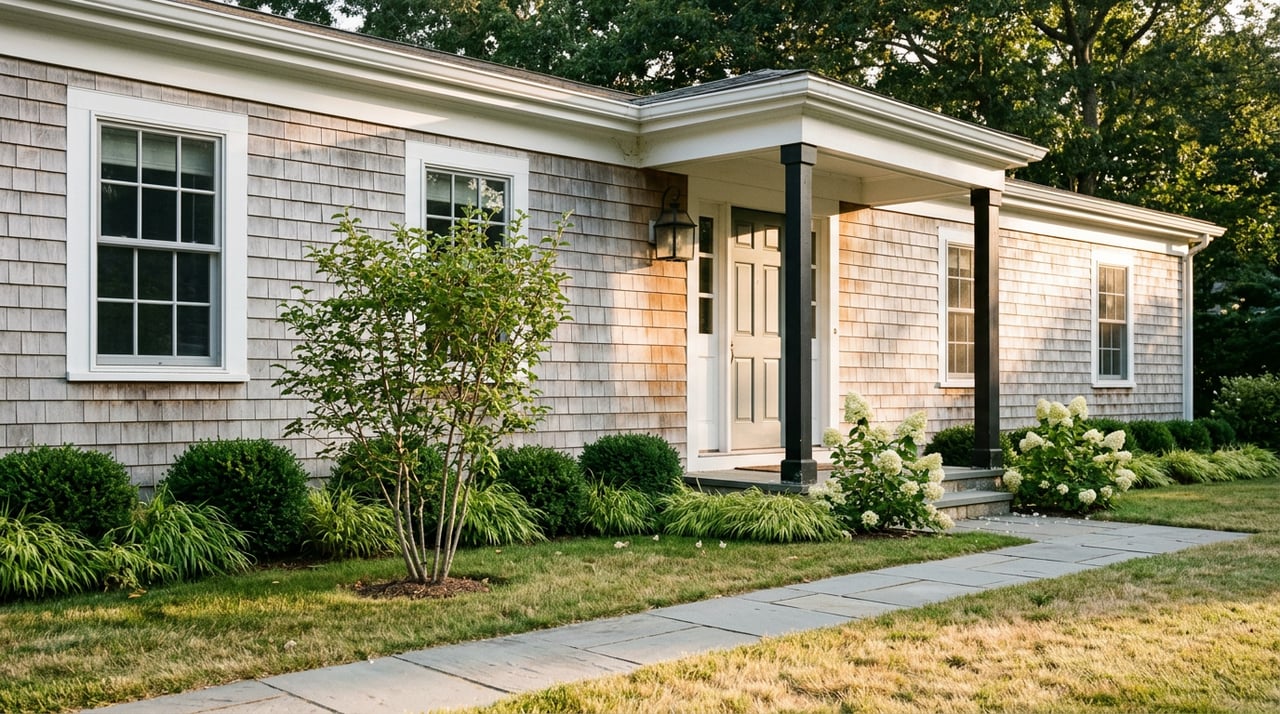
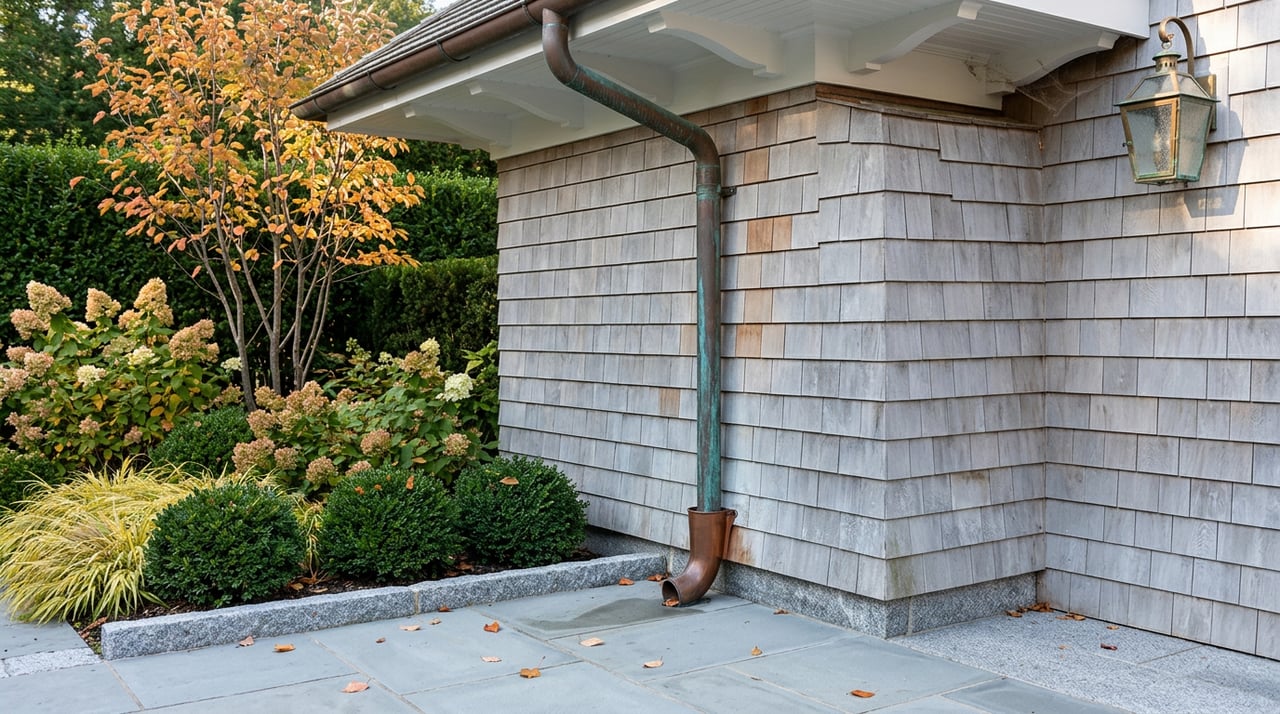
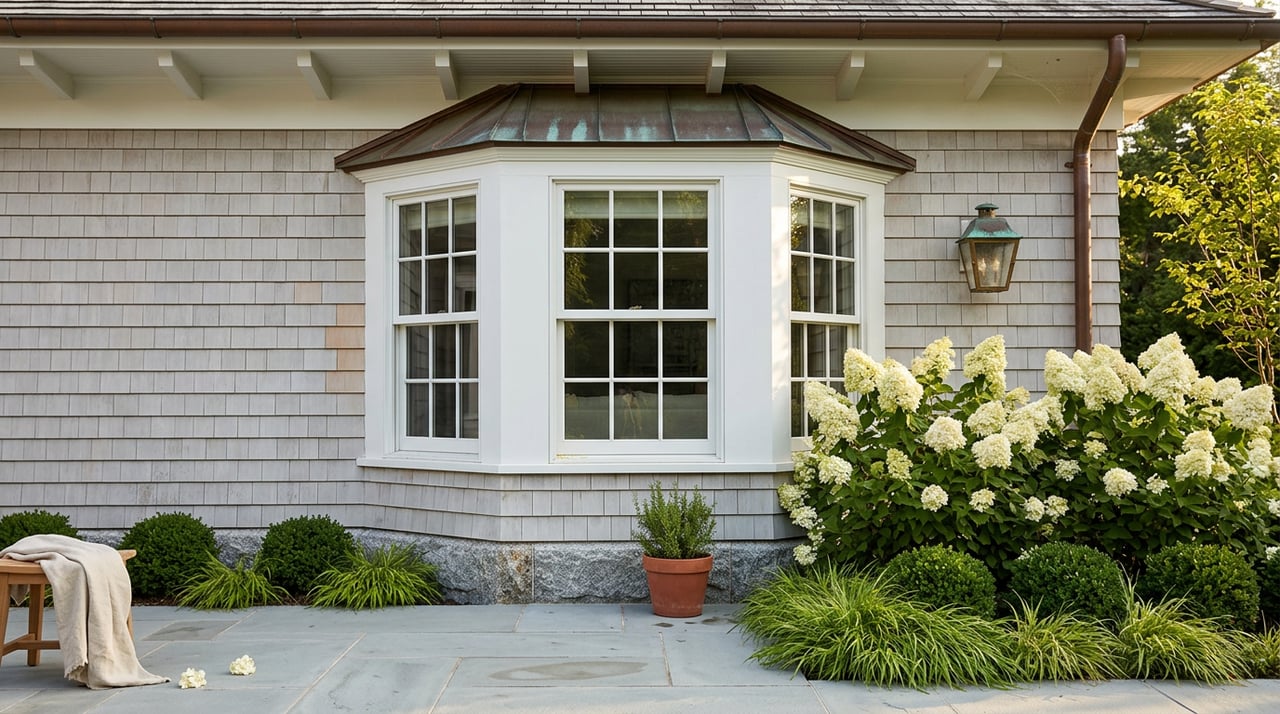
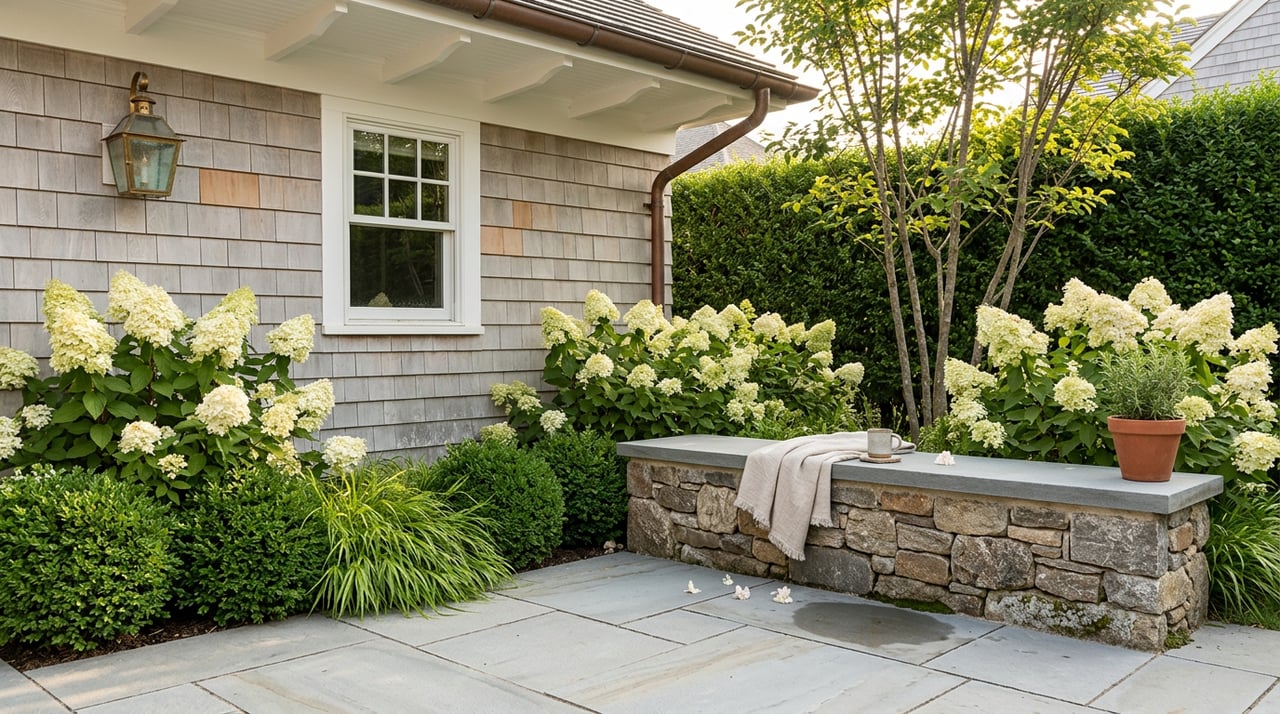
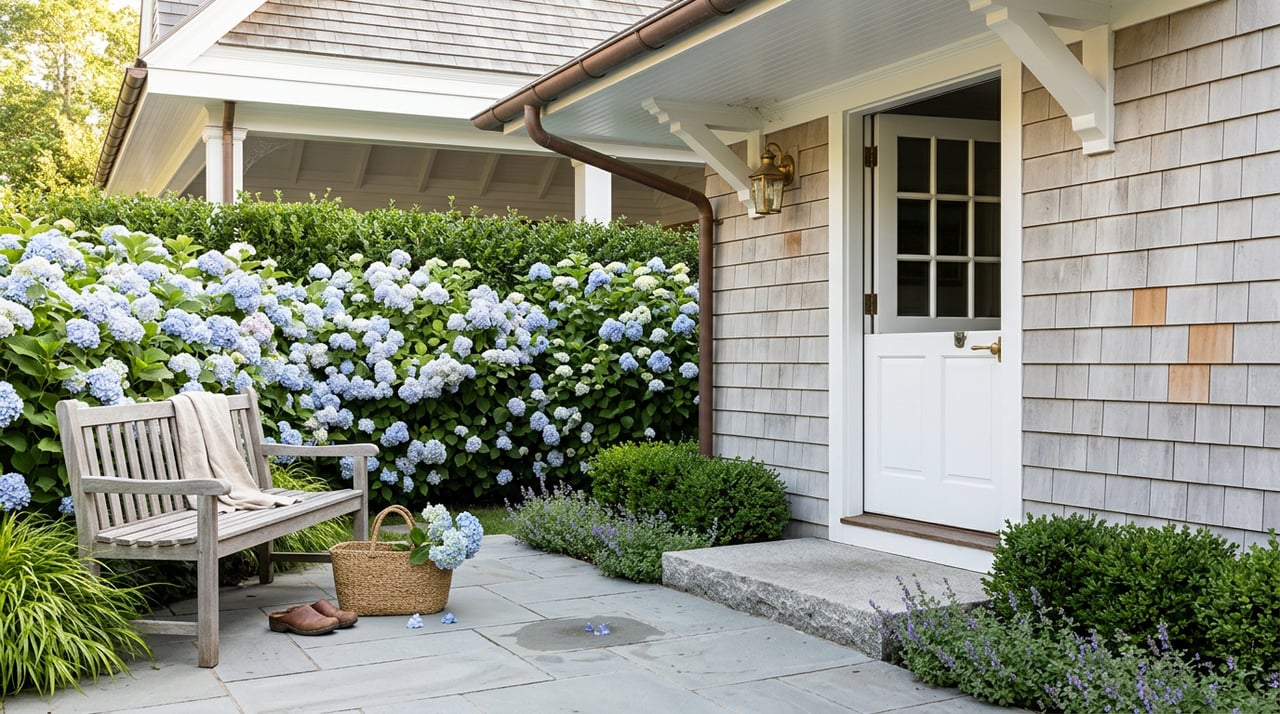
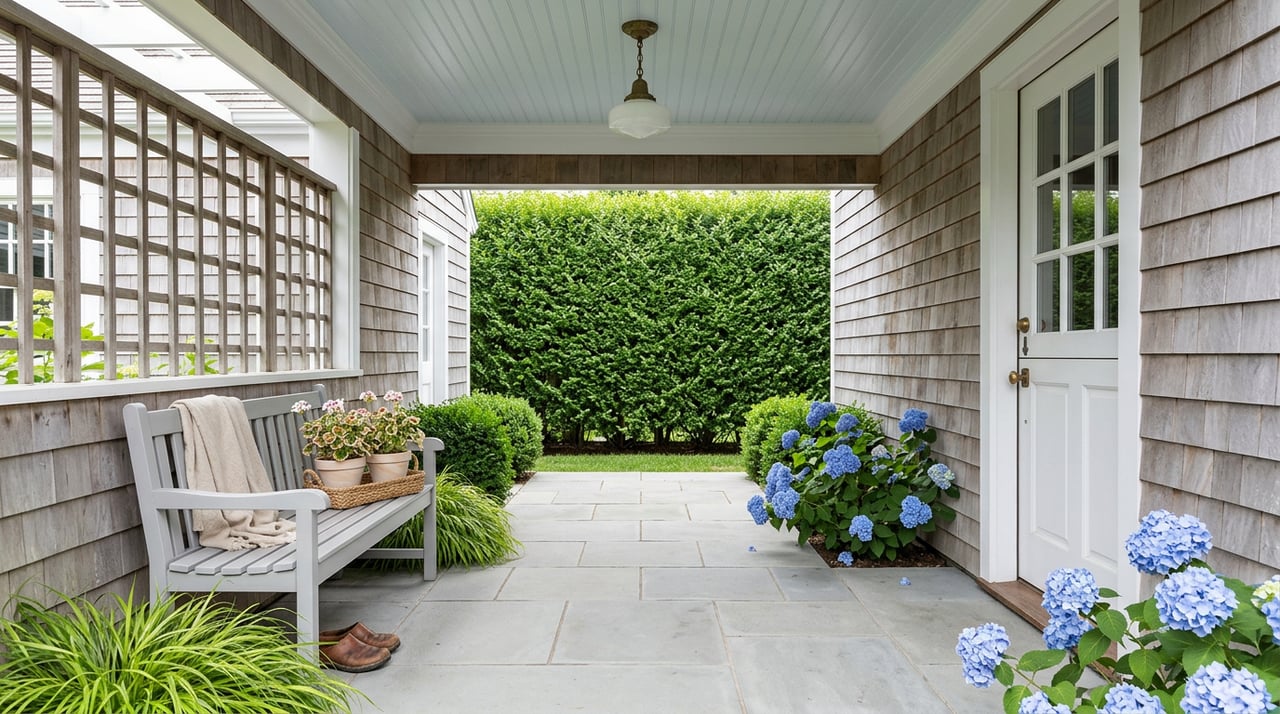
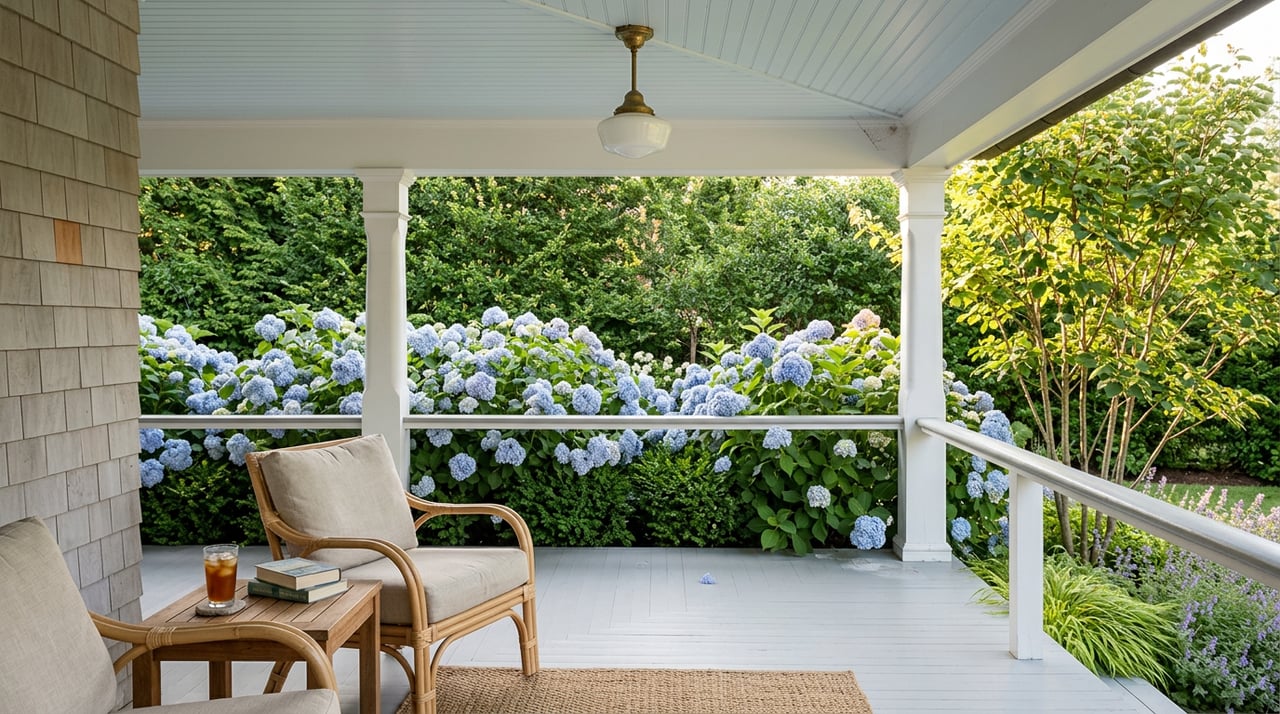
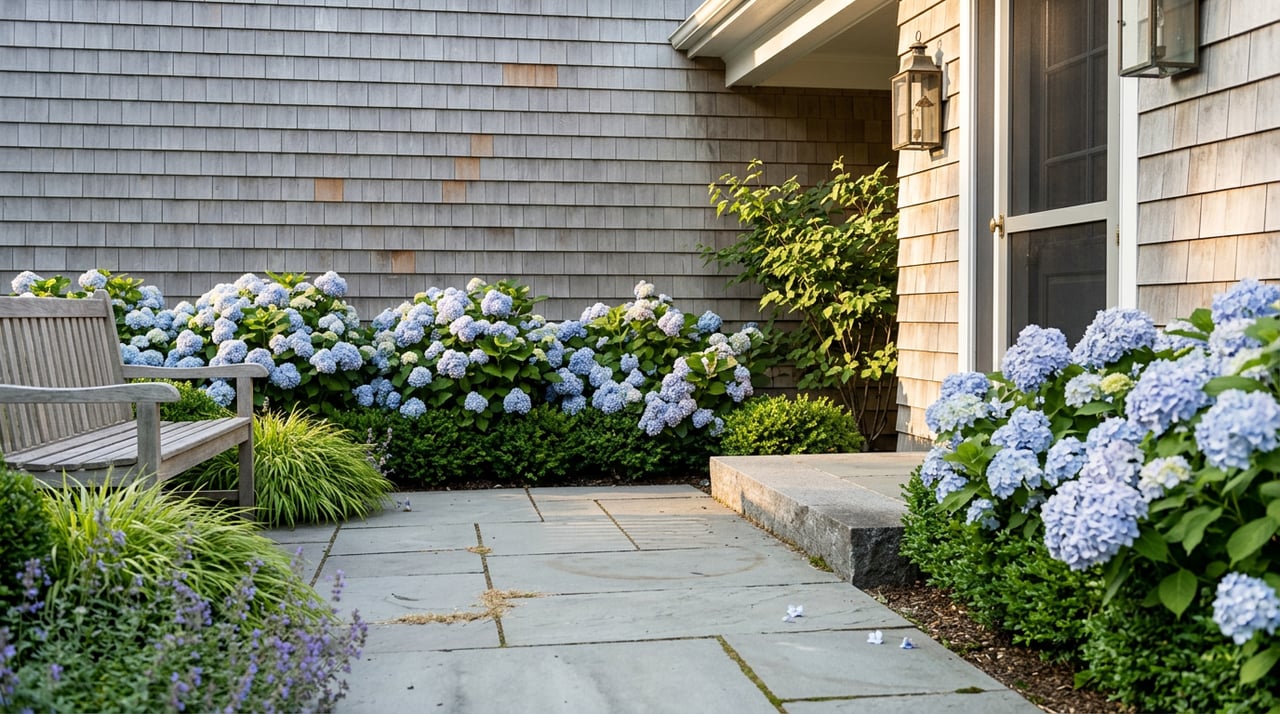
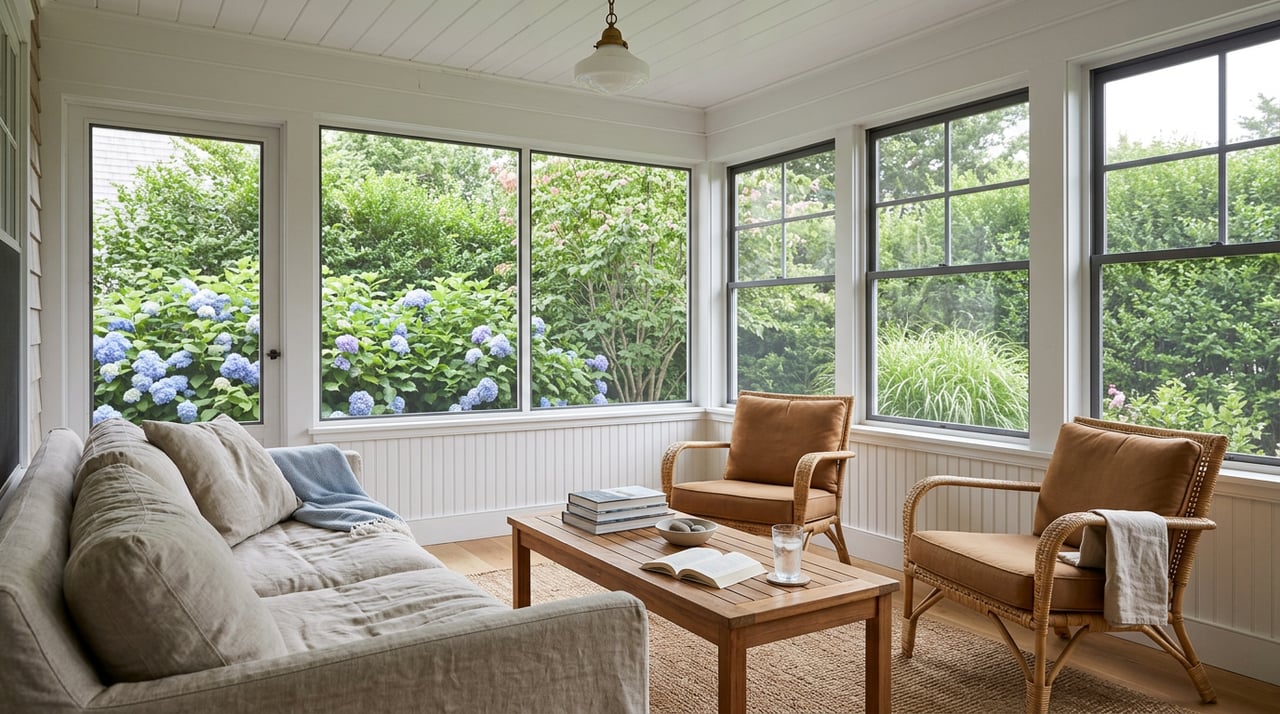
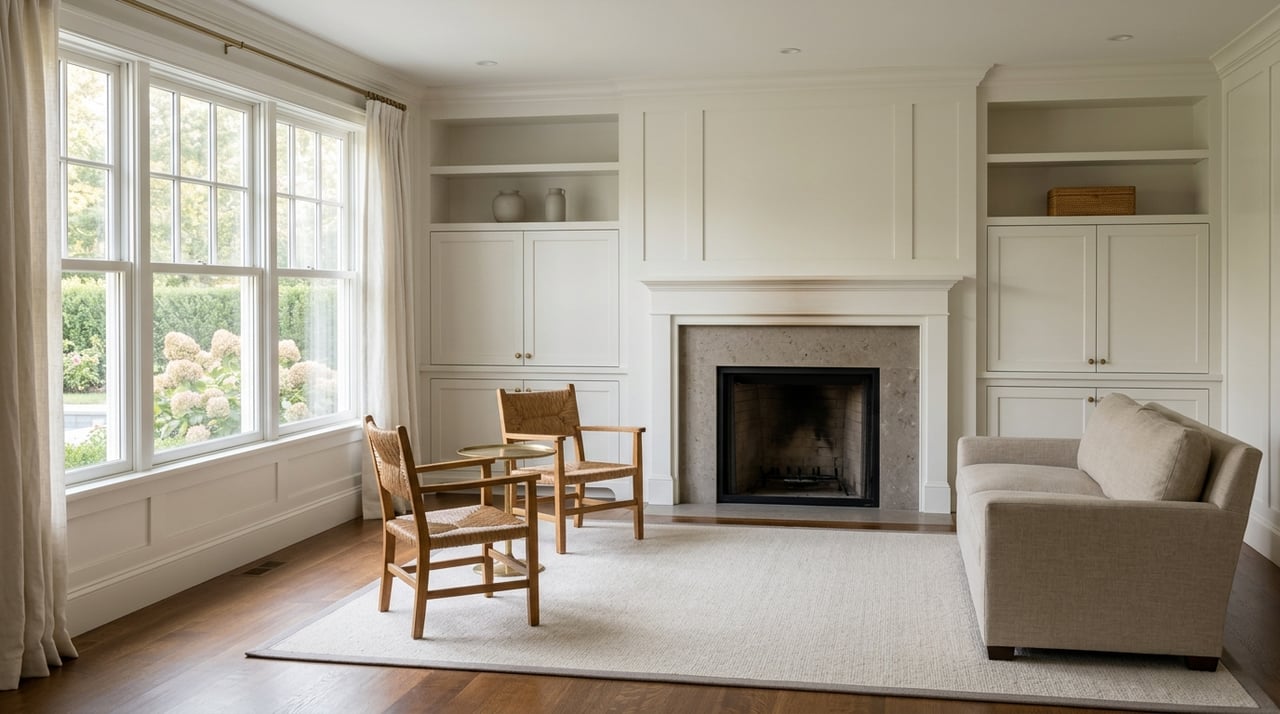
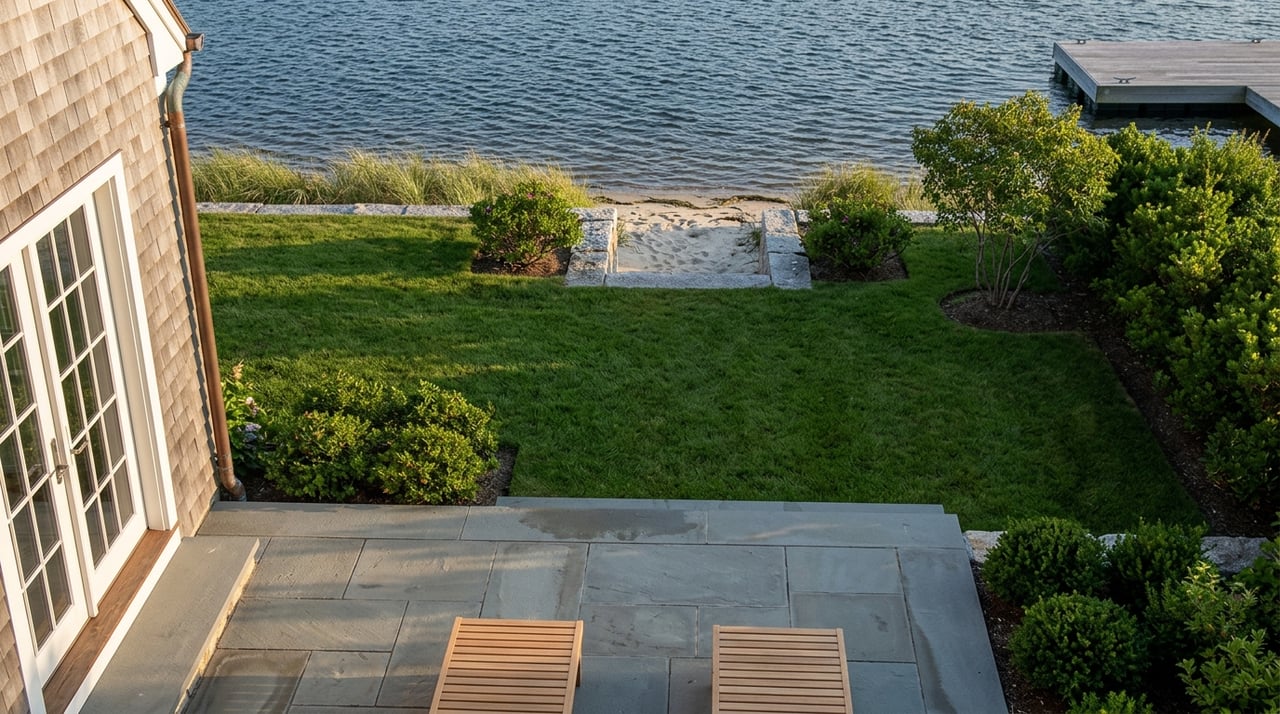
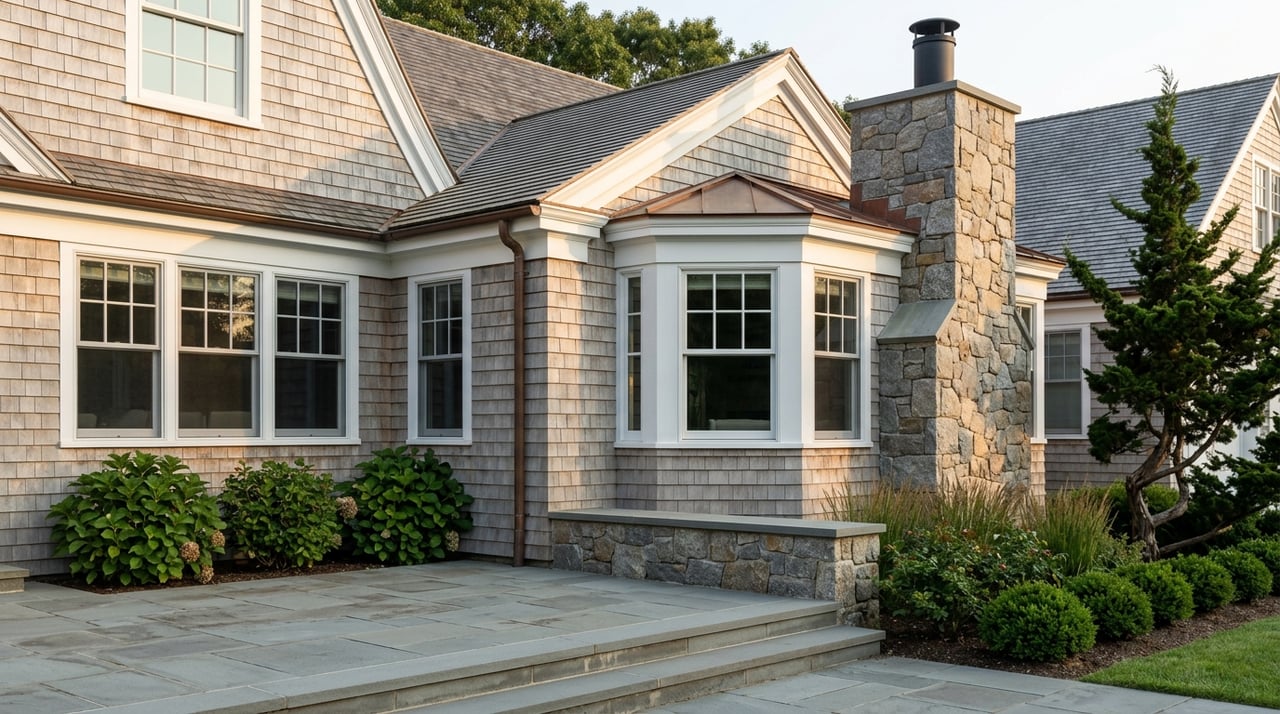
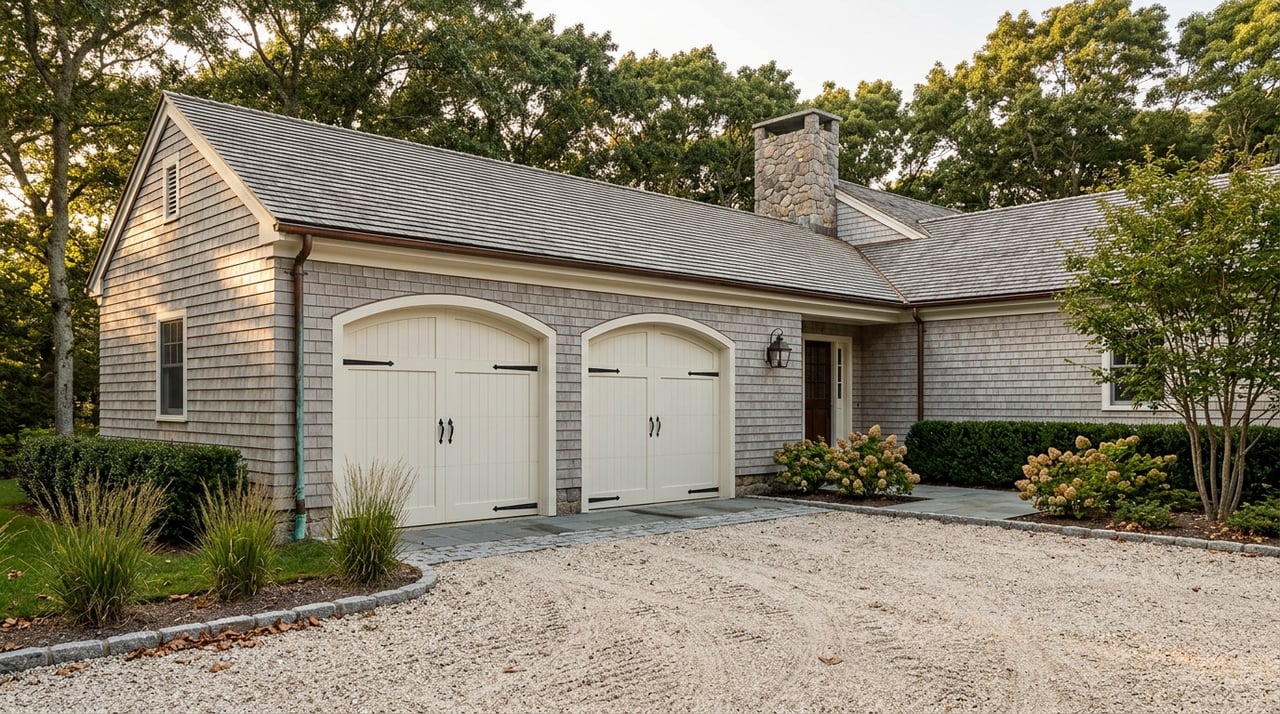
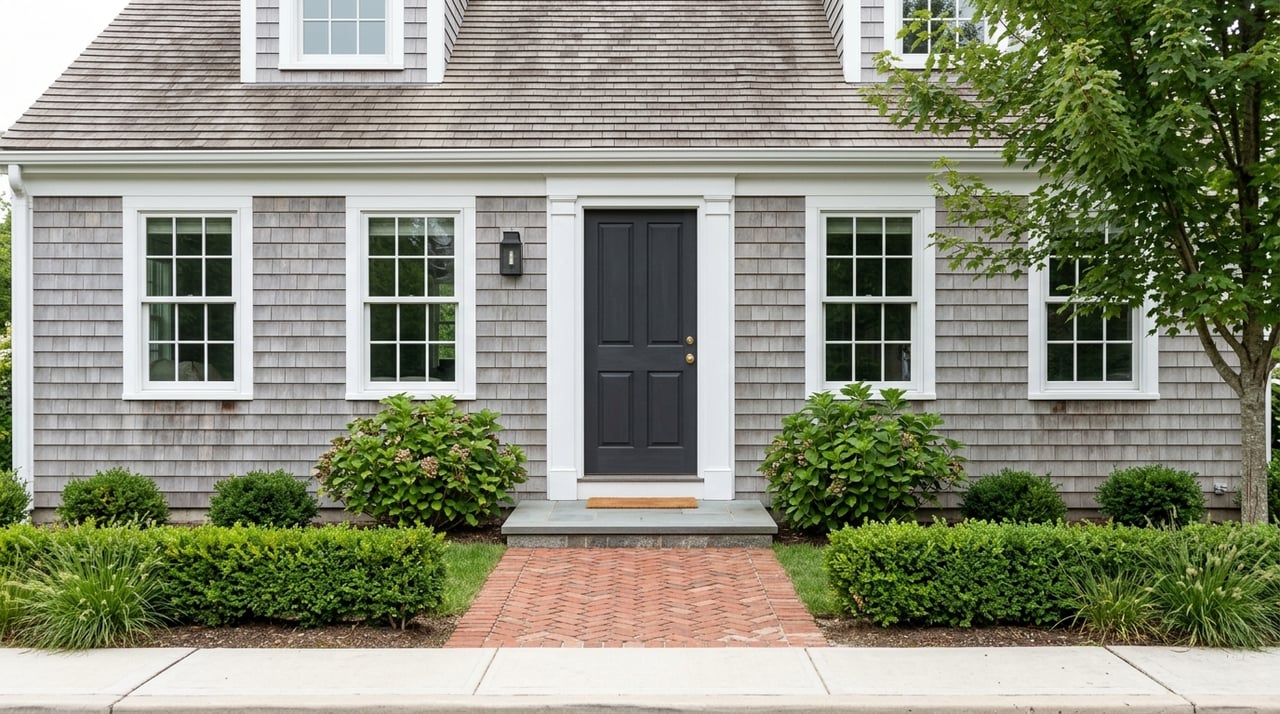
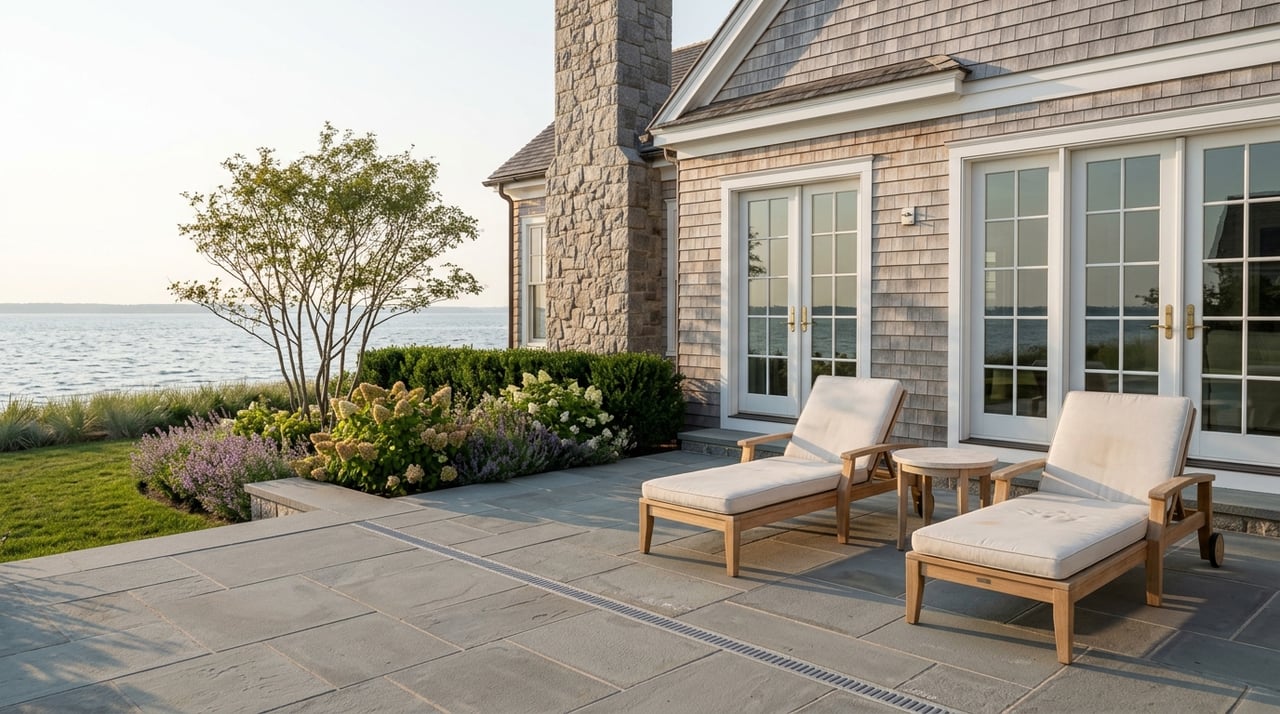
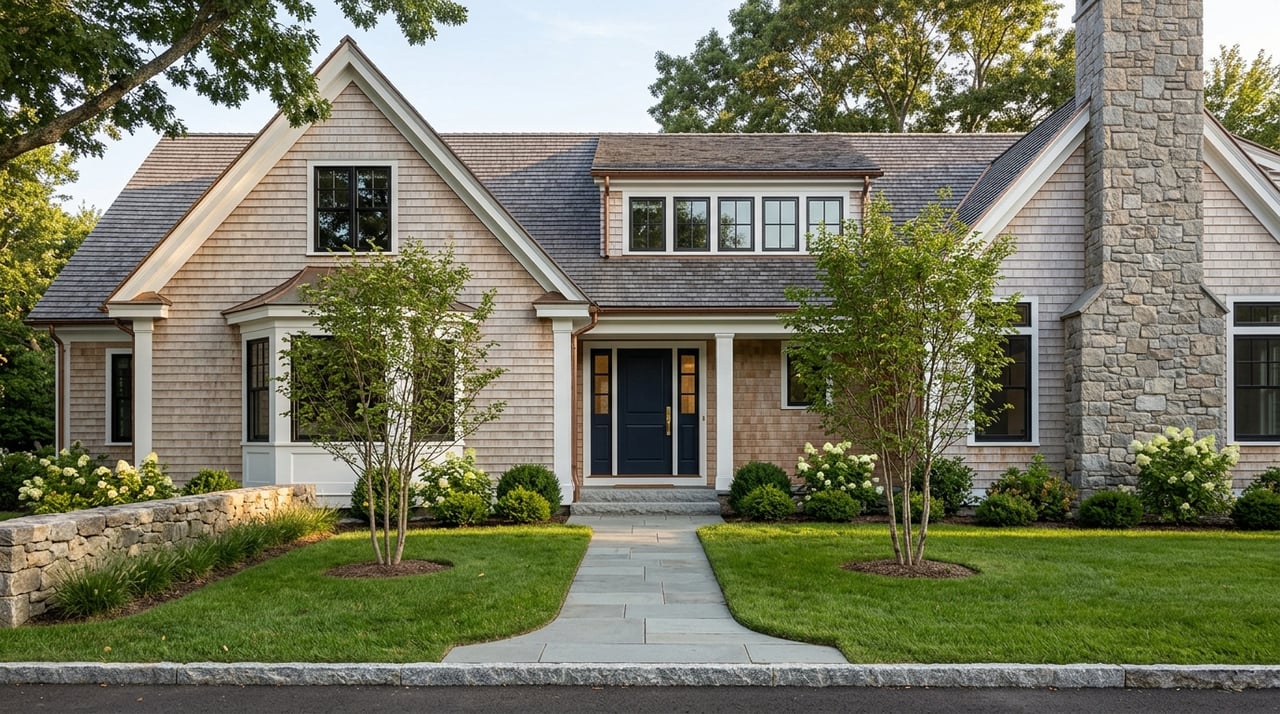
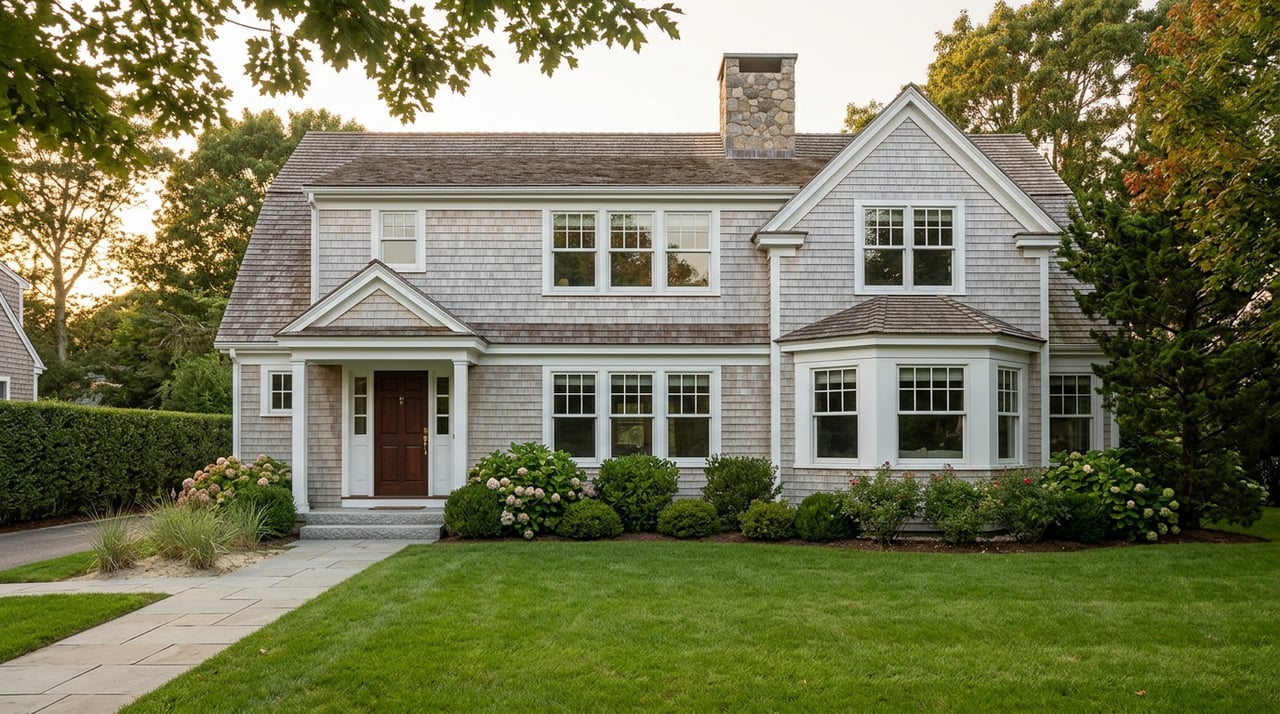
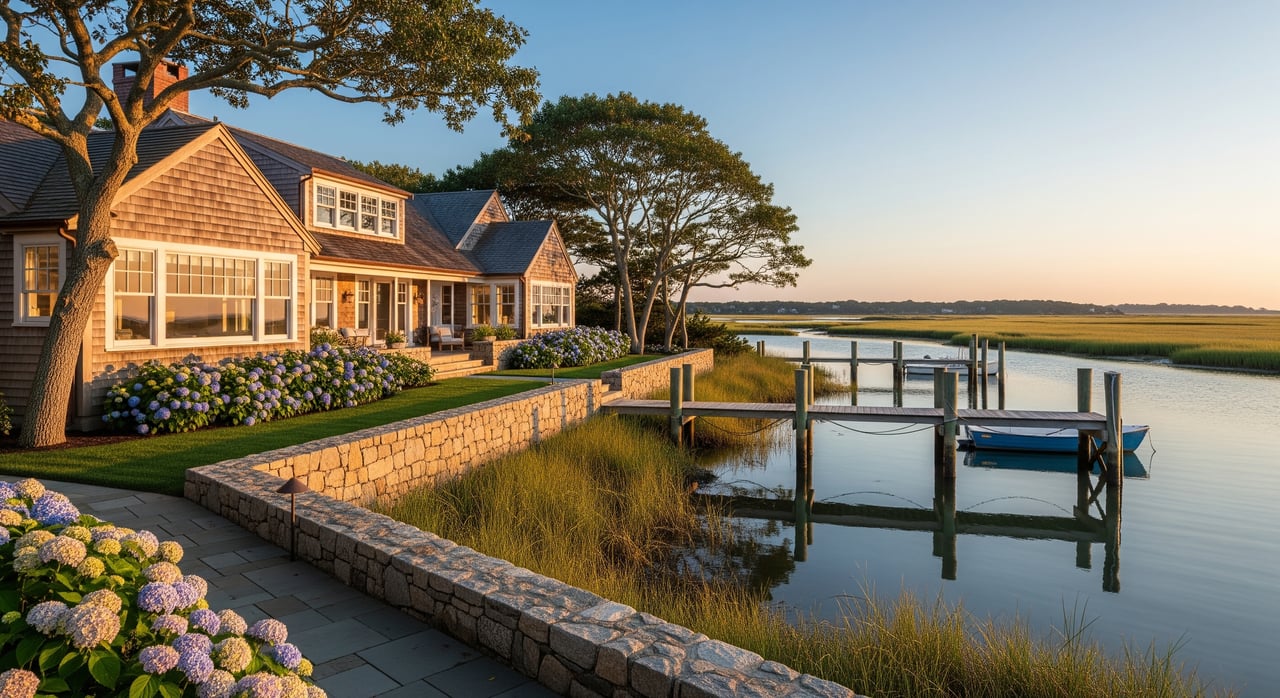
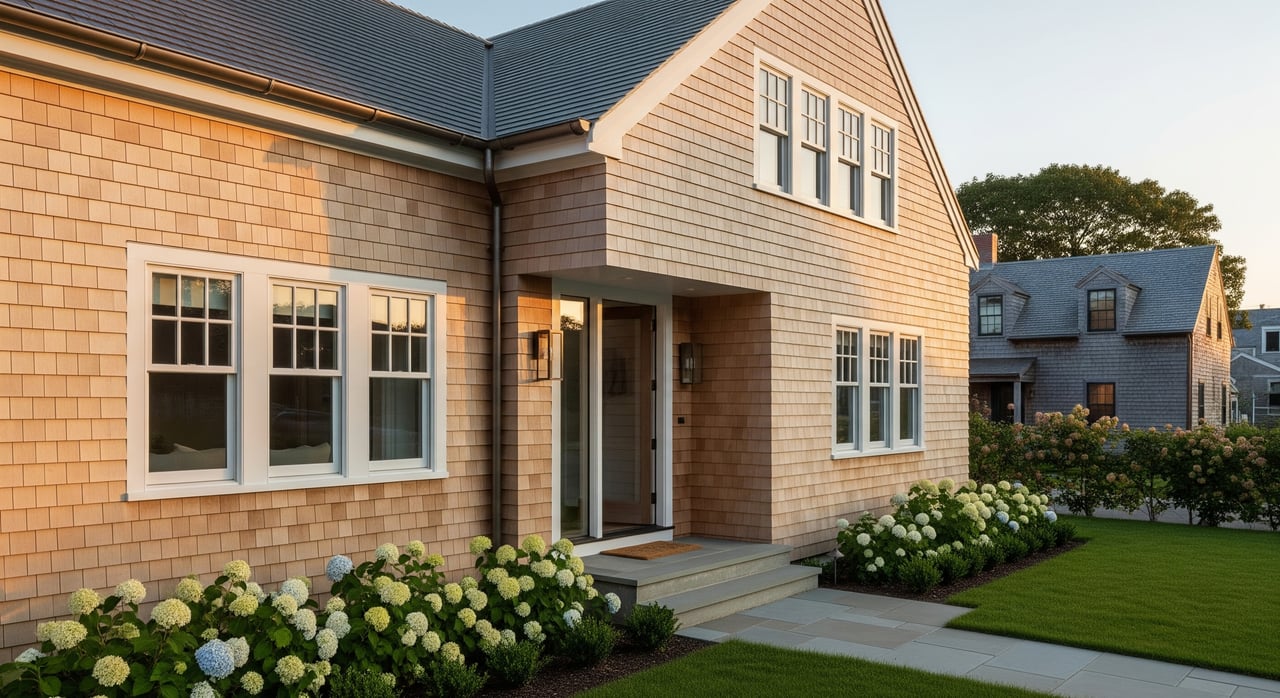
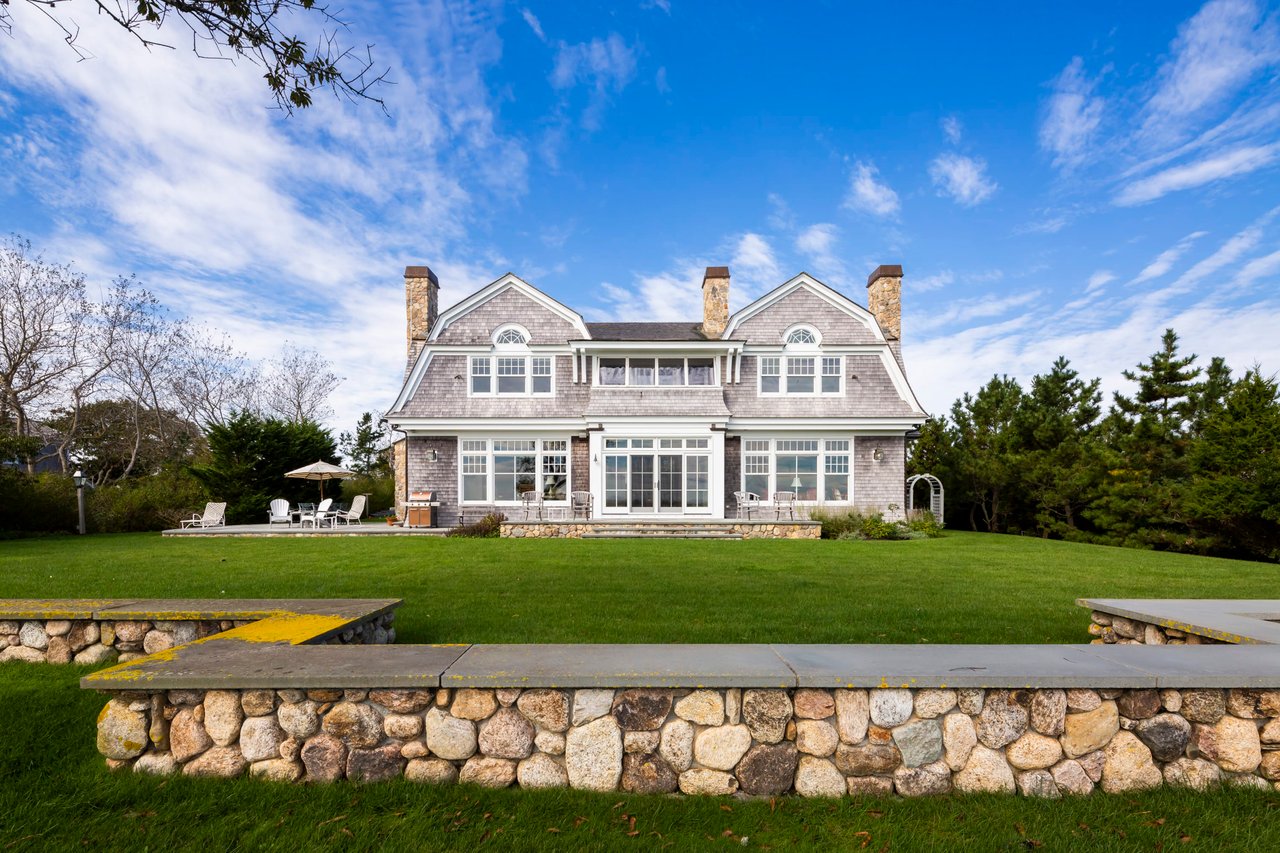
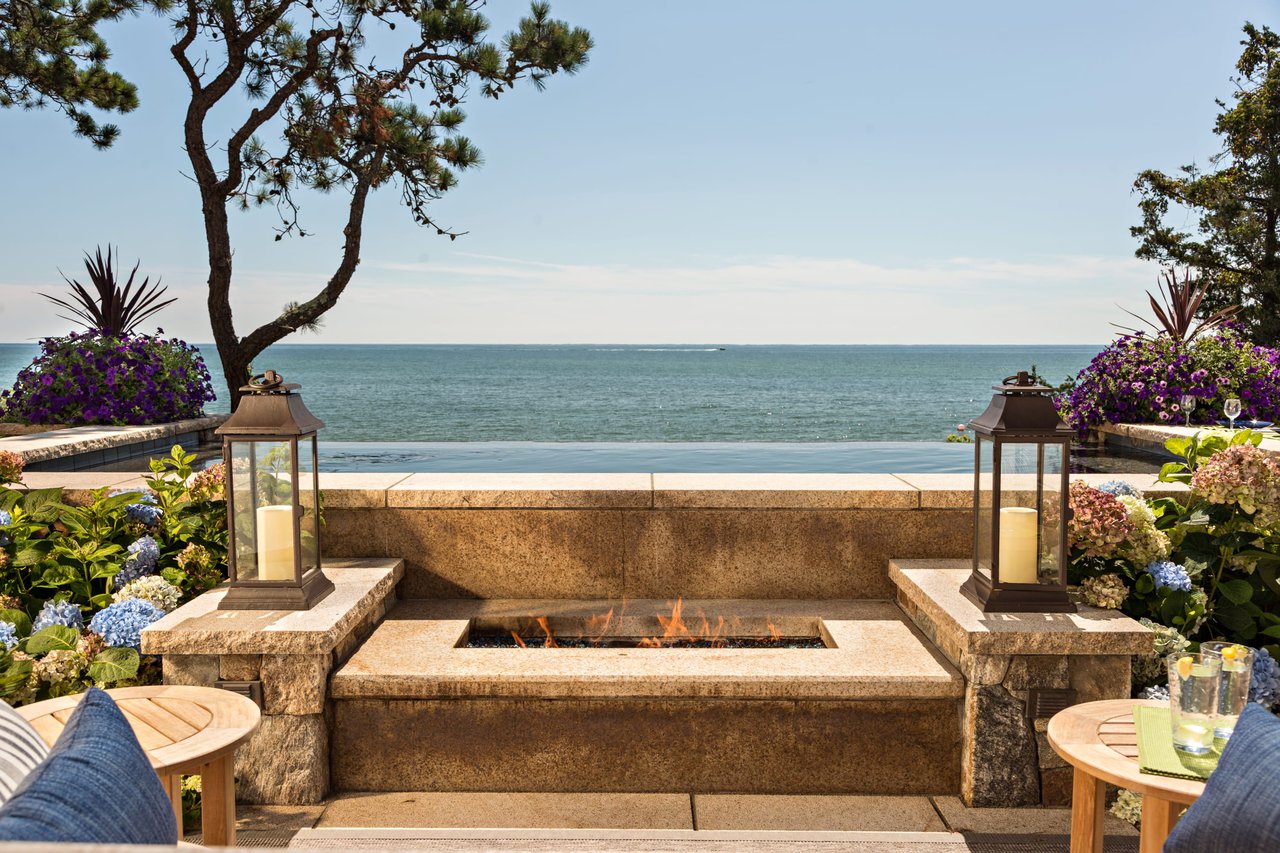
Drive down Mashpee Neck Road on a summer evening and the houses look like they belong to the same sentence. Cedar shingle, deep-water docks, the particular quiet that comes with money. But two homes on that same street, a few driveways apart, can carry very different financial futures. One factor is which side of the town's sewer map each parcel sits on.
Mashpee Neck Road appears by name on the Town of Mashpee's list of streets required to connect to municipal sewer, alongside Falmouth Road, Chatham Lane, Papnomett Road, and two dozen others carved out specifically to protect Popponesset Bay. That administrative detail, listed in a town engineering document, is doing more to shape price per square foot on Mashpee's water right now than any kitchen renovation or private mooring. A buyer comparing two waterfront listings on the same bay is often comparing two different positions in a decades-long infrastructure project.
The Bay That Forced The Question
Mashpee sits almost entirely within the watersheds of two shallow, nitrogen-sensitive estuaries, Popponesset Bay and Waquoit Bay. Both have degraded for years under nitrogen loading, most of it traced back to residential septic systems. When the town's water scientist briefed the Select Board on the latest readings, the assessment was blunt.
"You are on the precipice," said Ed Eichner, the UMass Dartmouth senior water scientist who has tracked both bays for years, adding that Popponesset's nitrogen concentration was running worse than Waquoit's.
That single data point is why Mashpee has spent years, and is now spending close to a hundred million dollars, building a municipal sewer system it never had. The Water Resource Recovery Facility has been treating wastewater since the summer of 2025. Phase 1 property owners are already working through their connection notices. Phase 1A construction is underway. Phase 2 broke ground in December 2025 after the state's notice to proceed the previous September, and voters approved roughly $96.1 million to fund it through the town meeting process. None of this is finished. A cluster facility for the Mashpee-Wakeby area, meant to address phosphorus loading into Mashpee-Wakeby Pond alongside the nitrogen work on Popponesset, is still in design, with survey crews only recently in the field.
New Seabury Built Its Own Wastewater Plant In The 1960s
Here is the detail that reframes the whole comparison. When New Seabury was developed in the 1960s, it built its own private wastewater treatment plant as part of the community's infrastructure. That gave the community an established alternative to the individual septic systems used elsewhere in Mashpee.
That plant is still doing work today. A recent subdivision proposal near the Rock Landing public water supply wells, close to the Cottages at New Seabury, was routed to New Seabury's private treatment system rather than built on individual septic, specifically because of its proximity to the wellfield. The engineering logic was straightforward: sending sanitary flow to an established treatment plant avoided adding nitrogen load in a sensitive groundwater protection zone.
For a buyer, that history matters more than it looks. The system was designed to address the wastewater problem the rest of Mashpee is now solving parcel by parcel, street by street, at public expense.
What A Betterment Means For Buyers
Outside New Seabury, connecting to the new sewer comes with a cost that shows up on the property, not the person. When the Sea Oaks condominium complex was assessed for its sewer main installation, the Mashpee Sewer Commission set the betterment at $145.05 per year for each of the 111 units, repaid over 30 years at zero percent interest, for a total of roughly $4,351 per unit tied to the roughly $690,000 project cost. One resident at the meeting called the mandatory hookup salt in the wound, but the mechanics are what matter for a buyer.
That is on top of the private cost of the actual hookup, which the town's own estimates suggest can run anywhere from roughly $4,000 to $6,000 for a typical smaller lot, based on comparable connections in Falmouth, to over $20,000 for a larger, deeper lot more like what's typical in Chatham. A waterfront property still ahead in its sewer phase carries an unresolved future cost that a connected property has already absorbed and priced in.
How Septic Systems Can Affect Bedroom Capacity
There's a second mechanism working underneath the price of Mashpee's water, and it has nothing to do with pollution cleanup. According to CapeNews, Massachusetts Title 5, the state septic code, caps density at one bedroom per 10,000 square feet of lot area to limit the nitrogen load a conventional septic system can handle. On many of Mashpee's older, smaller waterfront lots, that formula is the ceiling on how large a house can legally be.
Innovative and alternative, or I/A, septic systems change that math. A homeowner who installs an I/A system can earn credits toward additional bedrooms, up to a four-bedroom maximum, without being bound by the 10,000-square-foot rule, because the system itself removes more nitrogen than a conventional Title 5 setup.
The 2030 Deadline Hiding Inside The Watershed Permit
A presentation from the Popponesset Beach Association describes a mechanism called a Watershed Permit, created by Massachusetts in 2023, as a 20-year agreement between a town and the state that allows a community to phase in nitrogen reduction gradually instead of forcing every property owner to upgrade at once. Towns had until July 7, 2025 to file. Mashpee's stated intention was to file for that 20-year grace period rather than face the alternative, which is blunt: if a town does not secure a Watershed Permit, every existing septic system in the impaired watershed must be upgraded to I/A within five years, by July 7, 2030.
The boundary lines matter more than most buyers expect. Watershed maps for Popponesset show that roughly 90 percent of the Popponesset area actually sits outside the boundary the state regulation is targeting, with one notable exception: Wading Place Road and the handful of streets within four to six houses of it, which fall inside the impaired zone even though most of their neighbors do not. A house on one side of that line answers to a different regulatory clock than a house a few properties away. New construction anywhere in an affected watershed has been required to install an I/A system since January 2024 regardless of which side of that boundary it sits on.
Before You Compare Two Waterfront Listings
None of this shows up in a listing photo of a dock or a lawn sloping to the water. Before treating two Mashpee waterfront properties as comparable, it's worth asking the town, or an advisor who already knows the answer, a short list of questions:
- Which sewer phase, if any, serves this specific parcel, and has that phase reached construction or connection?
- Is there an existing or anticipated betterment lien on the property, and what is the remaining balance and repayment term?
- Is the current septic system Title 5 or I/A, and does the lot carry any bedroom credits tied to that system?
- Does the parcel fall inside or outside the watershed boundary covered by the town's Watershed Permit filing, and what does that mean for the July 2030 deadline if the permit lapses?
- If the property is inside New Seabury, is it served by the private treatment plant, and what does that change about future assessments compared to town-wide sewer costs?
The answers rarely change whether a property is worth pursuing. They change what it actually costs to own, and how much upside a lot still has left in it.
A Few Direct Answers
Mashpee's waterfront is not one market. It's several, layered by sewer phase, septic type, and watershed boundary, and most of that layering is invisible until someone asks the right questions before an offer goes in. That's the kind of question worth asking before you fall in love with a dock.
If you're weighing a waterfront property in Mashpee, or comparing it against Cotuit, Osterville, or another Cape Cod village, Paul Grover can help you read past the listing sheet to what a specific parcel actually carries. Start a confidential conversation before you write the offer.
This article is general information, not legal, tax or financial advice. Consult a qualified professional about your situation.